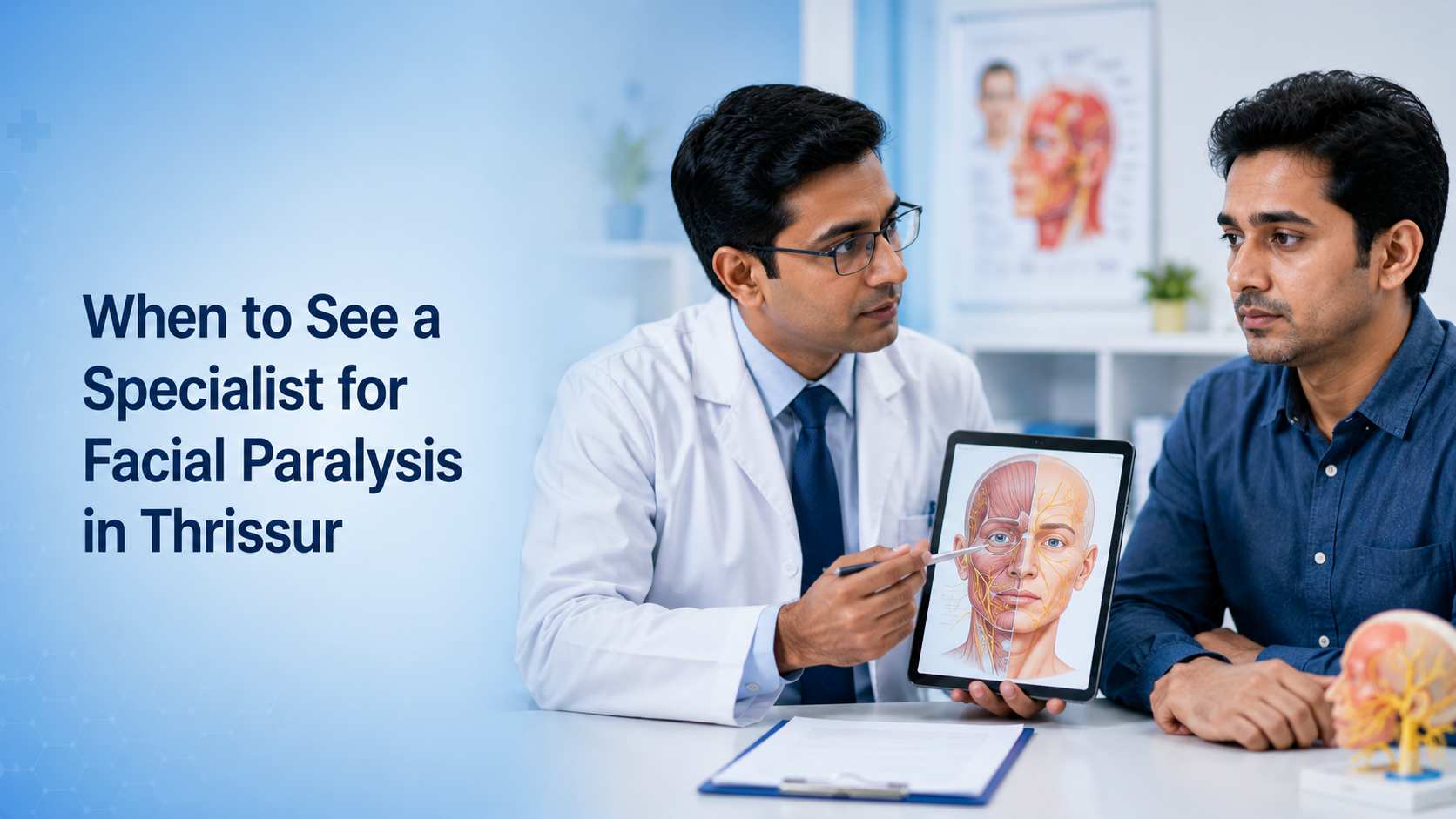
Facial paralysis can affect daily life in many ways, including speaking, smiling, eating, blinking, and expressing emotions. Many people initially ignore mild facial weakness, assuming it will improve naturally. However, delaying medical attention may sometimes worsen nerve damage and delay recovery. Understanding When to See a Specialist for Facial Paralysis in Thrissur is important for early diagnosis and effective treatment planning.
Facial paralysis occurs when the facial nerve becomes inflamed, compressed, injured, or damaged. This can lead to weakness or complete loss of movement on one side of the face. Some cases develop suddenly, while others progress gradually over time. Seeking timely evaluation helps identify the underlying cause and improves the chances of recovery.
People searching for information about When to See a Specialist for Facial Paralysis in Thrissur often want to know whether their symptoms are temporary or require urgent care. Early assessment by a specialist can help prevent complications such as permanent muscle weakness, facial asymmetry, eye dryness, or speech difficulties.
What Is Facial Paralysis?
Facial paralysis refers to weakness or loss of movement in the facial muscles caused by problems affecting the facial nerve. The condition may affect one side or, rarely, both sides of the face. Depending on the severity, symptoms may range from mild drooping to complete inability to move facial muscles.
Patients experiencing When to See a Specialist for Facial Paralysis in Thrissur concerns may notice sudden changes in facial symmetry, difficulty smiling, or incomplete eye closure. In some cases, symptoms may appear after viral infections, trauma, surgery, or neurological conditions.
Facial paralysis can affect:
- Facial expressions
- Eye protection and blinking
- Speech clarity
- Eating and drinking
- Emotional confidence
- Social interactions
Common Causes of Facial Paralysis
Understanding the causes can help patients know When to See a Specialist for Facial Paralysis in Thrissur before symptoms worsen.
Bell’s Palsy
Bell’s palsy is one of the most common causes of sudden facial weakness. It often develops quickly and may be associated with viral inflammation of the facial nerve.
Facial Nerve Injury
Trauma from accidents, surgery, or fractures can damage the facial nerve and lead to facial paralysis.
Stroke
A stroke can cause facial weakness and requires emergency medical attention. Sudden facial drooping accompanied by arm weakness or speech difficulty should never be ignored.
Infections
Certain infections affecting the ear, nervous system, or facial tissues may lead to nerve inflammation and weakness.
Tumors or Growths
Rarely, tumors near the facial nerve can compress the nerve and gradually affect facial movements.
Neurological Disorders
Some neurological conditions may interfere with nerve signals and facial muscle function.
People researching When to See a Specialist for Facial Paralysis in Thrissur should understand that identifying the exact cause is essential for selecting the right treatment approach.
Early Signs You Should Not Ignore
Recognizing early symptoms is important when deciding When to See a Specialist for Facial Paralysis in Thrissur. Many patients initially experience subtle changes before noticeable paralysis develops.
Common warning signs include:
- Facial drooping
- Uneven smile
- Difficulty blinking
- Eye dryness
- Facial numbness
- Difficulty speaking clearly
- Excessive tearing
- Drooling
- Ear pain
- Loss of facial expressions
If these symptoms appear suddenly or worsen quickly, medical evaluation should not be delayed.
When Should You Seek Immediate Medical Attention?
One of the most important aspects of understanding When to See a Specialist for Facial Paralysis in Thrissur is recognizing emergency symptoms.
Seek immediate medical care if facial weakness occurs with:
- Sudden arm or leg weakness
- Difficulty speaking
- Severe headache
- Dizziness
- Loss of balance
- Confusion
- Vision changes
- Difficulty swallowing
These symptoms may indicate a stroke or serious neurological condition requiring urgent treatment.
Why Early Specialist Consultation Matters
Many patients delay consultation because they believe facial weakness will recover naturally. However, understanding When to See a Specialist for Facial Paralysis in Thrissur can significantly influence recovery outcomes.
Benefits of early consultation include:
- Faster diagnosis
- Better nerve recovery chances
- Reduced long-term muscle weakness
- Improved facial symmetry
- Early rehabilitation planning
- Prevention of eye complications
- Personalized treatment options
Early treatment is especially important during the first few weeks after symptoms begin.
How Specialists Diagnose Facial Paralysis
Patients searching for When to See a Specialist for Facial Paralysis in Thrissur often want to understand what happens during evaluation.
A specialist may assess:
- Facial muscle strength
- Symmetry of facial movements
- Eye closure ability
- Speech clarity
- Facial nerve function
- Medical history
- Symptom progression
Additional investigations may include:
- Imaging studies
- Nerve function tests
- Hearing evaluation
- Blood tests
Accurate diagnosis helps determine the severity of nerve involvement and guides recovery planning.
Treatment Options for Facial Paralysis
Treatment depends on the underlying cause, severity, and duration of symptoms. Understanding When to See a Specialist for Facial Paralysis in Thrissur allows patients to begin appropriate treatment early.
Medications
Anti-inflammatory medications or antiviral therapy may help reduce nerve inflammation in some cases.
Facial Rehabilitation Therapy
Facial exercises and physiotherapy can improve muscle coordination and facial symmetry.
Eye Protection
Patients unable to close the eye completely may require protective eye care to prevent dryness and irritation.
Speech Therapy
Speech exercises may help improve communication and facial muscle coordination.
Advanced Facial Nerve Procedures
In severe cases, specialized surgical or reconstructive approaches may be considered.
Patients interested in recovery support may also explore information about facial muscle rehabilitation therapy and advanced facial nerve repair options during consultation.
Role of Facial Rehabilitation Exercises
Rehabilitation plays an important role when discussing When to See a Specialist for Facial Paralysis in Thrissur. Exercises help maintain muscle tone and encourage better facial coordination.
Common rehabilitation techniques include:
- Smile training exercises
- Eyebrow lifting exercises
- Lip movement exercises
- Mirror-assisted therapy
- Cheek strengthening exercises
- Speech coordination exercises
Consistent therapy under professional guidance may improve overall recovery.
Emotional and Social Impact of Facial Paralysis
Facial paralysis affects more than physical appearance. Patients researching When to See a Specialist for Facial Paralysis in Thrissur often experience emotional stress, anxiety, or reduced self-confidence.
Common emotional challenges include:
- Social discomfort
- Reduced self-esteem
- Communication difficulties
- Fear of permanent asymmetry
- Workplace anxiety
Professional support and rehabilitation can help patients regain confidence during recovery.
Recovery Expectations
Recovery varies depending on the severity of nerve involvement and the timing of treatment. Understanding When to See a Specialist for Facial Paralysis in Thrissur early may improve recovery timelines.
Some patients recover within weeks, while others may require several months of rehabilitation. Early intervention usually supports better outcomes and reduces complications.
Factors influencing recovery include:
- Cause of paralysis
- Severity of nerve damage
- Age and overall health
- Timing of treatment
- Rehabilitation consistency
Patients should maintain realistic expectations and continue follow-up care throughout recovery.
Preventing Complications
Timely consultation helps reduce complications associated with untreated facial paralysis. Knowing When to See a Specialist for Facial Paralysis in Thrissur is essential for protecting long-term facial function.
Possible complications include:
- Permanent muscle weakness
- Facial tightness
- Eye injury from incomplete blinking
- Difficulty eating
- Persistent facial asymmetry
- Speech difficulties
Regular monitoring and rehabilitation help minimize these risks.
Importance of Personalized Treatment Planning
Every facial paralysis case is unique. Patients searching for When to See a Specialist for Facial Paralysis in Thrissur should understand that individualized treatment planning improves care quality.
Specialists may recommend:
- Facial physiotherapy
- Muscle retraining
- Eye care management
- Speech rehabilitation
- Nerve monitoring
- Long-term recovery programs
Personalized rehabilitation strategies support both functional and cosmetic improvement.
Conclusion
Understanding When to See a Specialist for Facial Paralysis in Thrissur can make a significant difference in recovery and long-term facial function. Early diagnosis, proper rehabilitation, and timely specialist consultation help improve facial symmetry, muscle coordination, speech clarity, and overall confidence.
Patients experiencing facial weakness, facial drooping, difficulty blinking, or changes in facial expressions should not delay medical evaluation. Early intervention often supports better nerve healing and faster recovery outcomes. Those seeking additional information about facial nerve disorders and recovery guidance may refer to reputable neurological rehabilitation resources during their treatment journey.
For many individuals, timely care, facial rehabilitation exercises, and ongoing specialist support play a major role in restoring facial movement and improving quality of life. For more information about facial nerve disorders and treatment approaches, visit the official National Institute of Neurological Disorders and Stroke (NINDS).
Frequently Asked Questions
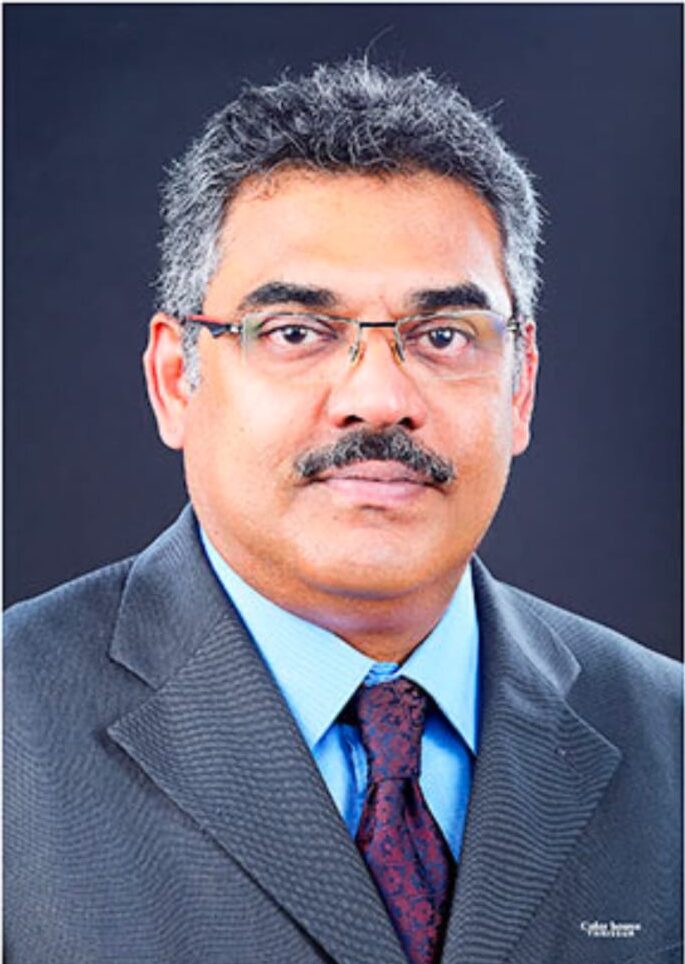
Dr. Pradeep Kumar
Plastic & Reconstructive Surgeon – Brachial Plexus & Nerve Surgery Specialist
Dr. Pradeep Kumar is an experienced plastic and reconstructive surgeon known for his expertise in brachial plexus and peripheral nerve surgery. With extensive microsurgical experience, he focuses on restoring movement and function for patients with complex nerve injuries.
Sushrutha Institute of Plastic Surgery, Elite Mission Hospital, Thrissur