Table of Contents
- What Is Facial Palsy?
- Why Early Detection Matters
- 10 Early Signs of Facial Palsy
- Common Causes of Facial Palsy
- When to Seek Medical Attention
- How Facial Palsy Is Diagnosed
- Treatment Options
- Rehabilitation and Recovery
- Prevention and Self-Care Tips
- Conclusion
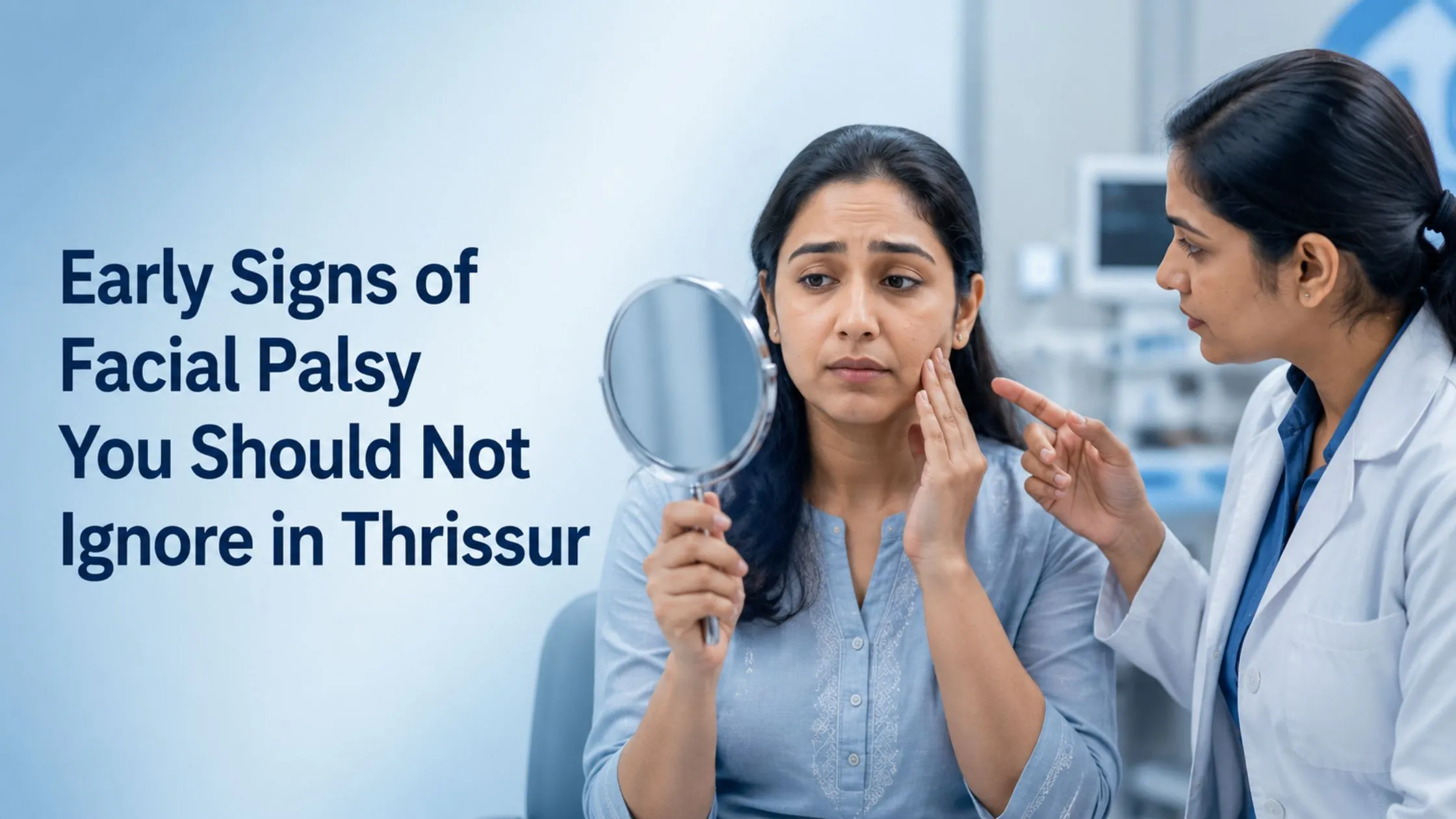
Recognizing the early signs of facial palsy you should not ignore in Thrissur is important for timely diagnosis and better recovery outcomes. Facial palsy occurs when the facial nerve becomes weak, damaged, or inflamed, leading to reduced facial movement and muscle control. In many cases, symptoms begin gradually and may initially appear mild, making them easy to overlook.
Facial palsy can affect daily activities such as smiling, speaking, blinking, and eating. Early medical attention can significantly improve recovery and reduce the risk of long-term facial weakness. Understanding the warning signs helps individuals seek appropriate care before symptoms become more severe.
1. What Is Facial Palsy?
Facial palsy is a condition that causes weakness or paralysis of the facial muscles due to facial nerve dysfunction. It can affect one or both sides of the face and may develop suddenly or gradually.
The condition can result from:
- Facial nerve inflammation
- Viral infections
- Trauma or injury
- Neurological disorders
- Surgical complications
The severity of symptoms varies depending on the extent of nerve involvement.
2. Why Early Detection Matters
Identifying the early signs of facial palsy you should not ignore in Thrissur can help improve treatment outcomes. Early intervention often supports better nerve recovery and prevents complications such as muscle stiffness and long-term facial asymmetry.
Benefits of Early Treatment:
- Faster recovery
- Better facial muscle function
- Reduced nerve damage
- Lower risk of permanent weakness
- Improved rehabilitation outcomes
Delaying medical care may result in prolonged recovery.
3. 10 Early Signs of Facial Palsy You Should Not Ignore
1. Facial Drooping
One side of the face may begin to droop slightly, especially around the mouth or cheek.
2. Difficulty Smiling
Smiling evenly may become difficult due to muscle weakness.
3. Inability to Close One Eye Properly
Many individuals notice incomplete eye closure or excessive dryness in one eye.
4. Reduced Facial Expressions
Facial movements may appear stiff or less expressive than usual.
5. Tingling or Numbness
Some patients experience unusual sensations before muscle weakness develops.
6. Difficulty Speaking Clearly
Weak facial muscles may affect speech clarity and pronunciation.
7. Trouble Eating or Drinking
Food or liquids may spill from one side of the mouth due to poor muscle control.
8. Facial Muscle Tightness
Muscles may feel tight, stiff, or uncomfortable during movement.
9. Increased Sensitivity to Sound
Some individuals develop sound sensitivity in one ear due to nerve involvement.
10. Sudden Weakness on One Side of the Face
A sudden inability to move facial muscles should never be ignored and requires prompt medical attention.
4. Common Causes of Facial Palsy
Several conditions may lead to facial nerve weakness.
Common Causes Include:
- Bell’s palsy
- Viral infections
- Stroke
- Head injuries
- Tumors affecting facial nerves
- Neurological disorders
- Post-surgical complications
Proper evaluation helps identify the underlying cause.
5. When to Seek Medical Attention
You should seek medical evaluation if facial weakness develops suddenly or worsens over time.
Immediate Attention Is Needed If:
- Facial drooping appears suddenly
- Eye closure becomes difficult
- Speech problems occur
- Facial pain develops
- Weakness spreads rapidly
Early diagnosis can help improve recovery outcomes.
6. How Facial Palsy Is Diagnosed
Doctors use several methods to assess facial nerve function.
Diagnostic Methods:
- Physical examination
- Facial movement assessment
- MRI or CT scan
- Electromyography (EMG)
- Nerve conduction studies
These tests help determine the severity and cause of the condition.
7. Treatment Options
Treatment depends on the cause and severity of facial nerve weakness.
Common Treatments:
- Medications
- Physiotherapy
- Facial muscle exercises
- Electrical stimulation therapy
- Surgical intervention in severe cases
- Rehabilitation therapy
Early treatment improves the chances of successful recovery.
8. Rehabilitation and Recovery
Rehabilitation is an important part of facial palsy management.
Rehabilitation May Include:
- Facial muscle retraining
- Mirror exercises
- Massage therapy
- Physiotherapy sessions
- Neuromuscular rehabilitation
Consistent therapy helps restore facial movement and coordination.
9. Prevention and Self-Care Tips
While not all cases are preventable, certain habits may support nerve health.
Helpful Tips:
- Seek treatment early
- Avoid delaying medical care
- Follow rehabilitation exercises regularly
- Maintain a healthy lifestyle
- Protect the face from injury
Proper self-care supports long-term recovery.
Conclusion
Understanding the early signs of facial palsy you should not ignore in Thrissur can help individuals seek timely treatment and improve recovery outcomes. Facial nerve weakness may initially appear mild, but early diagnosis and proper rehabilitation are essential for preventing long-term complications and restoring facial function effectively.
Recognizing symptoms such as facial drooping, difficulty smiling, eye closure problems, and muscle weakness can make a significant difference in recovery. Individuals seeking more information about facial nerve conditions and rehabilitation can learn more about facial nerve disorders and recovery through trusted medical resources.
With proper medical care, physiotherapy, and rehabilitation support, many individuals achieve noticeable improvement in facial movement and muscle coordination over time.
Frequently Asked Questions
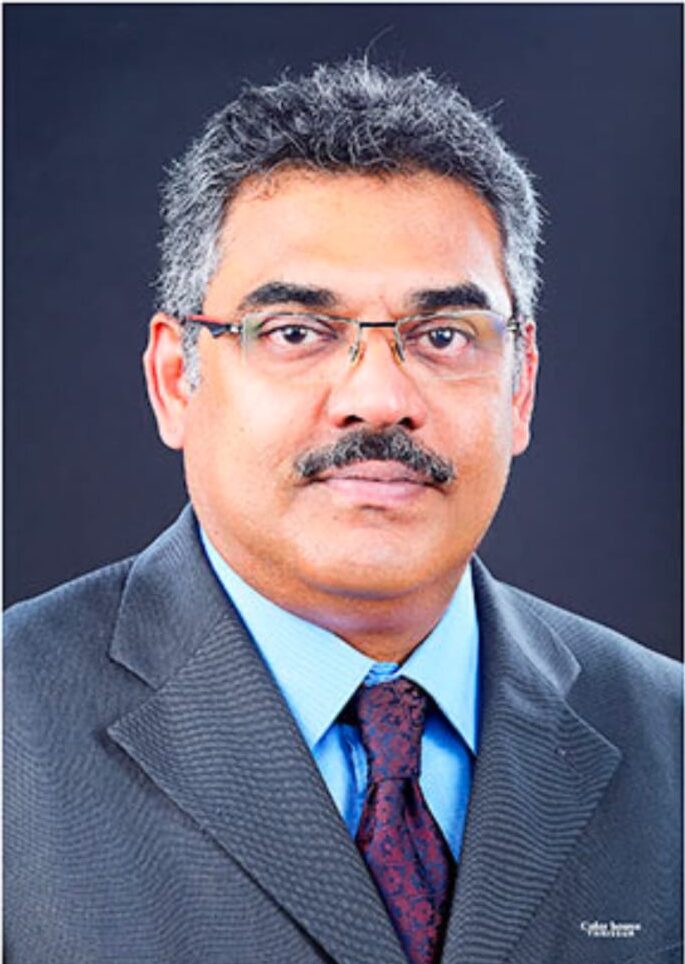
Dr. Pradeep Kumar
Plastic & Reconstructive Surgeon – Brachial Plexus & Nerve Surgery Specialist
Dr. Pradeep Kumar is an experienced plastic and reconstructive surgeon known for his expertise in brachial plexus and peripheral nerve surgery. With extensive microsurgical experience, he focuses on restoring movement and function for patients with complex nerve injuries.
Sushrutha Institute of Plastic Surgery, Elite Mission Hospital, Thrissur