Best Treatment Options for Brachial Plexus Injuries: 5 Key Insights
Brachial plexus injuries can significantly affect arm movement, strength, sensation, and overall quality of life. Understanding the Best Treatment Options for Brachial Plexus Injuries is essential for achieving the best possible recovery. Patients seeking advanced care in Kerala often benefit from early diagnosis, personalized treatment planning, and comprehensive rehabilitation programs that focus on restoring function and independence.
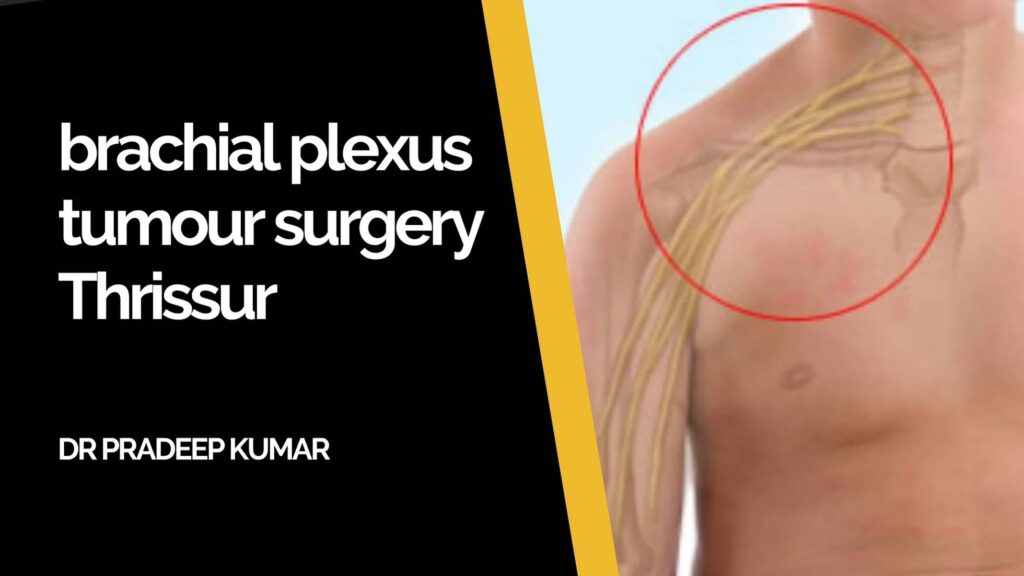
The brachial plexus is a network of nerves that carries signals from the spinal cord to the shoulder, arm, and hand. When these nerves become stretched, compressed, or torn, a range of symptoms can develop, from mild weakness to severe loss of movement. Fortunately, modern medicine offers several effective treatment approaches designed to improve recovery outcomes.
What Is a Brachial Plexus Injury?
A brachial plexus injury occurs when the nerves controlling the shoulder, arm, and hand are damaged. The severity of the injury determines the symptoms, treatment options, and expected recovery.
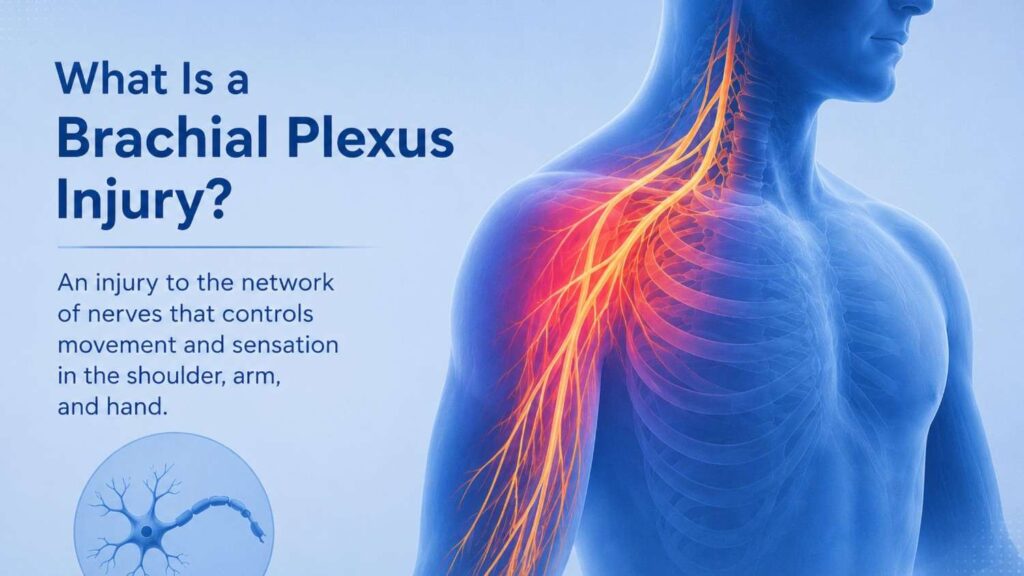
The brachial plexus is responsible for:
- Arm movement
- Shoulder stability
- Hand function
- Muscle control
- Sensory perception
Damage to these nerves can interfere with daily activities and may require specialized care.
Understanding the Best Treatment Options for Brachial Plexus Injuries
The Best Treatment Options for Brachial Plexus Injuries depend on several factors, including:
- Type of nerve damage
- Severity of injury
- Duration since injury
- Patient age
- Muscle function
- Overall health condition
Early evaluation plays a crucial role in selecting the most appropriate treatment strategy.
Common Causes of Brachial Plexus Injuries
Understanding the cause helps specialists determine the most effective treatment plan.
- Road Traffic Accidents
High-impact collisions are among the most common causes of severe brachial plexus injuries.
- Sports Injuries
Contact sports can result in sudden stretching or compression of the nerves.
- Falls
Falls may force the neck and shoulder apart, causing nerve damage.
- Birth-Related Injuries
Difficult deliveries may occasionally lead to brachial plexus injuries in newborns.
- Tumours and Nerve Compression
Growths near the brachial plexus may compress the nerves and interfere with normal function.
Symptoms That May Require Treatment
Symptoms vary depending on the severity of nerve damage.
Common symptoms include:
- Arm weakness
- Shoulder weakness
- Hand weakness
- Numbness
- Tingling sensations
- Reduced grip strength
- Burning pain
- Difficulty lifting the arm
- Muscle wasting
- Loss of coordination
Persistent symptoms should never be ignored, as delayed treatment may affect recovery potential.
Types of Brachial Plexus Injuries
Understanding injury types helps determine the Best Treatment Options for Brachial Plexus Injuries.
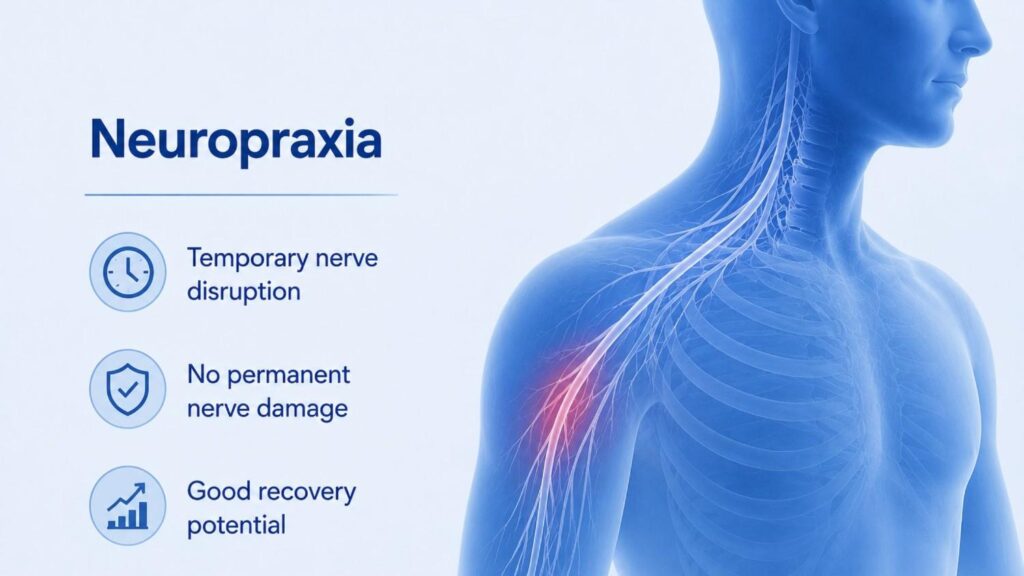
Neuropraxia
This is the mildest form of nerve injury.
Characteristics include:
- Temporary nerve disruption
- No permanent nerve damage
- Good recovery potential
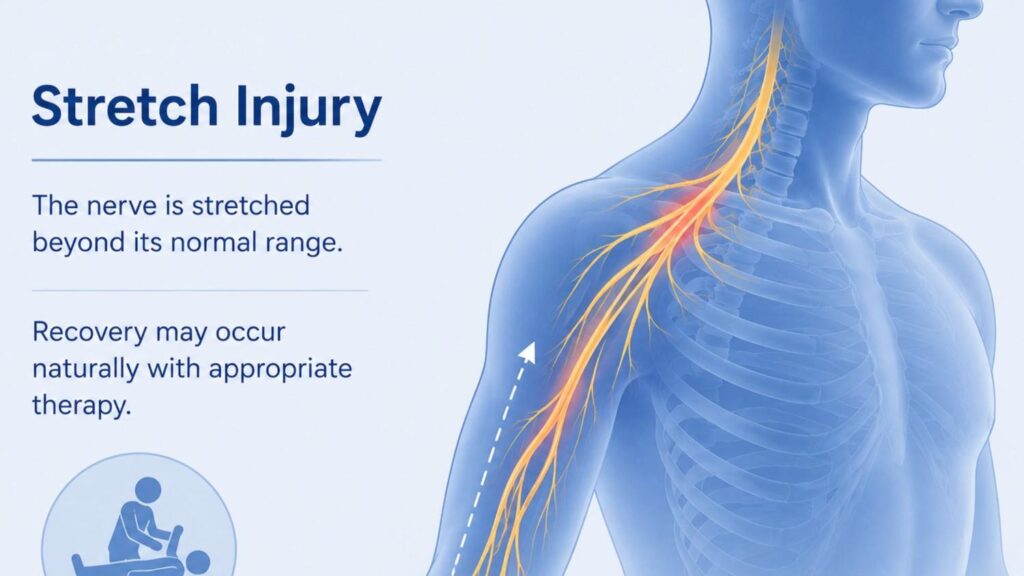
Stretch Injury
- The nerve is stretched beyond its normal range.
- Recovery may occur naturally with appropriate therapy.
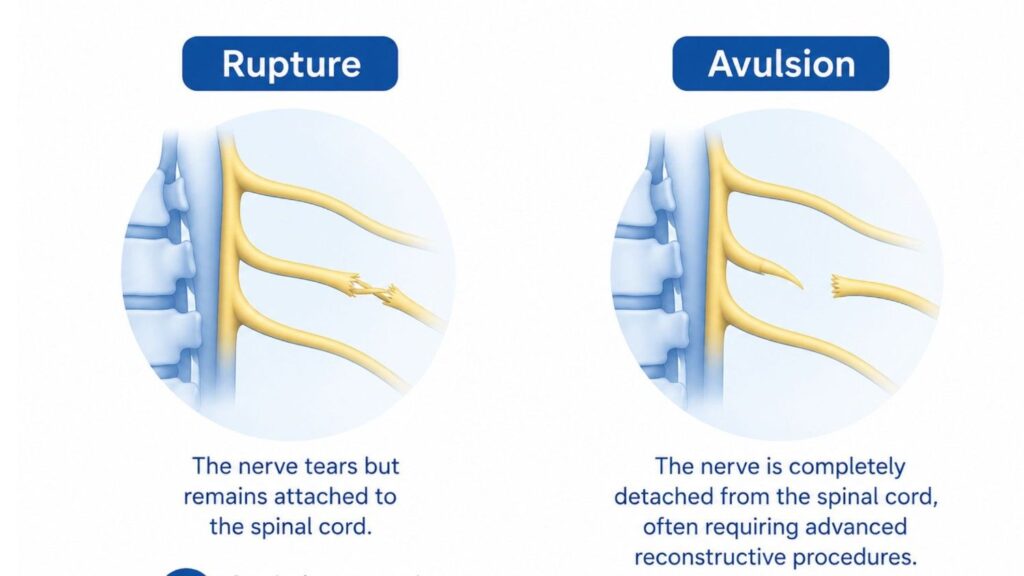
Rupture And Avulsion
- The nerve tears but remains attached to the spinal cord.
- Surgical treatment is often necessary.
- Avulsion is the most severe injury.
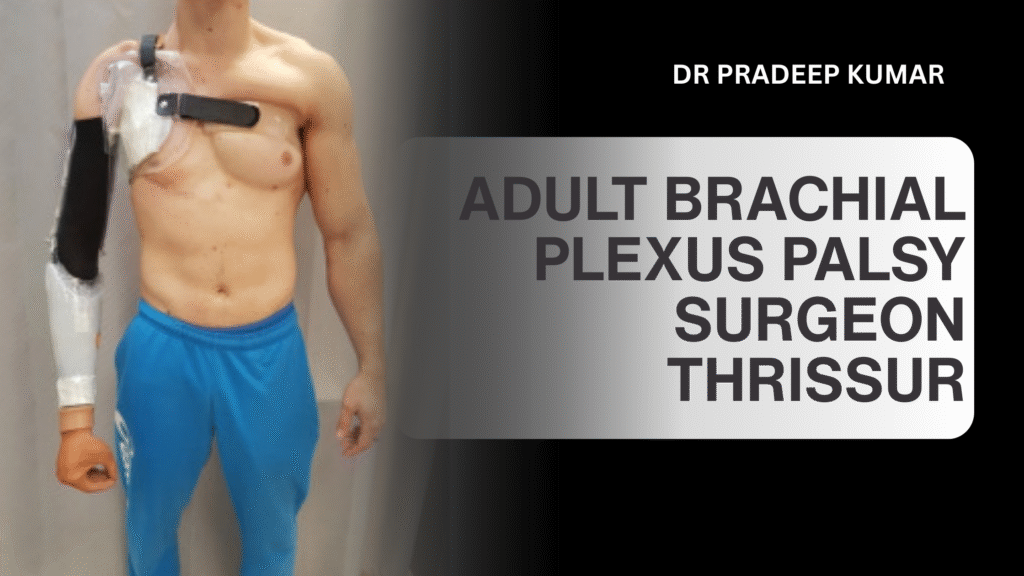
- The nerve is completely detached from the spinal cord, often requiring advanced reconstructive procedures.
How Brachial Plexus Injuries Are Diagnosed
Accurate diagnosis is the foundation of successful treatment.
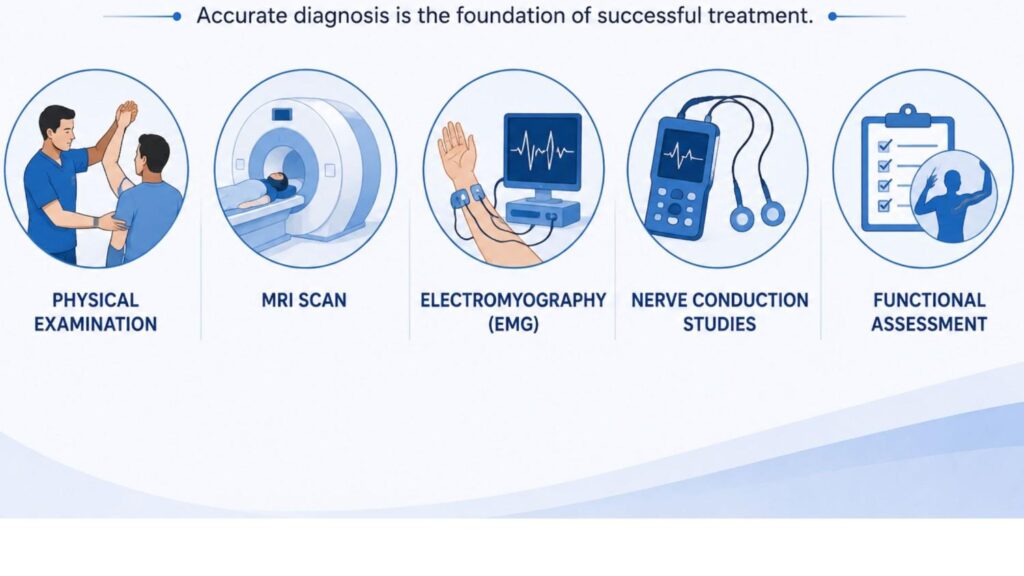
Best Treatment Options for Brachial Plexus Injuries Several treatment methods may be used individually or in combination.
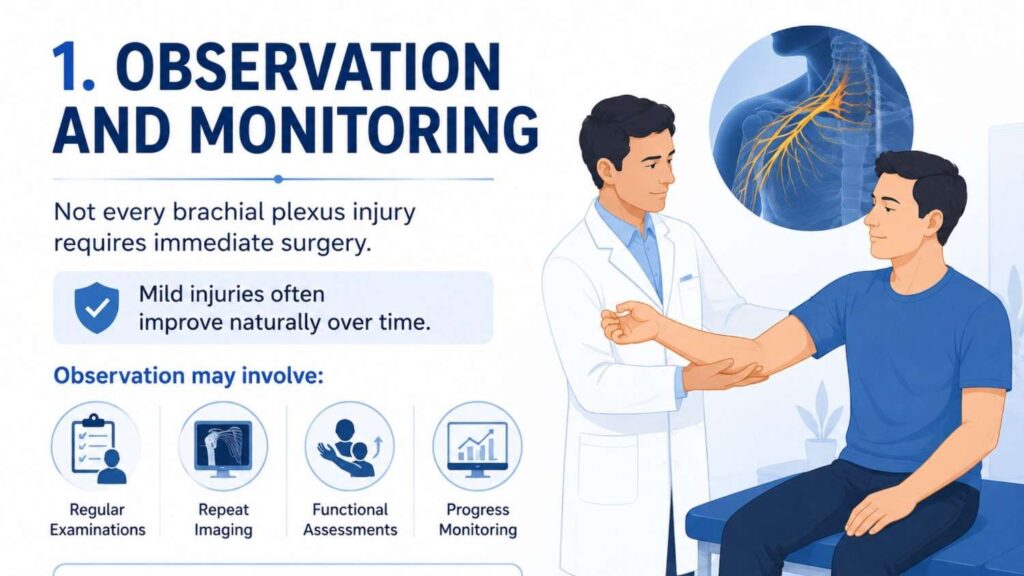
1. Observation and Monitoring
Not every brachial plexus injury requires immediate surgery.
Mild injuries often improve naturally over time.
Observation may involve:
- Regular examinations
- Repeat imaging
- Functional assessments
- Progress monitoring
This approach allows specialists to evaluate natural nerve recovery.
2. Physical Therapy and Occupational Therapy
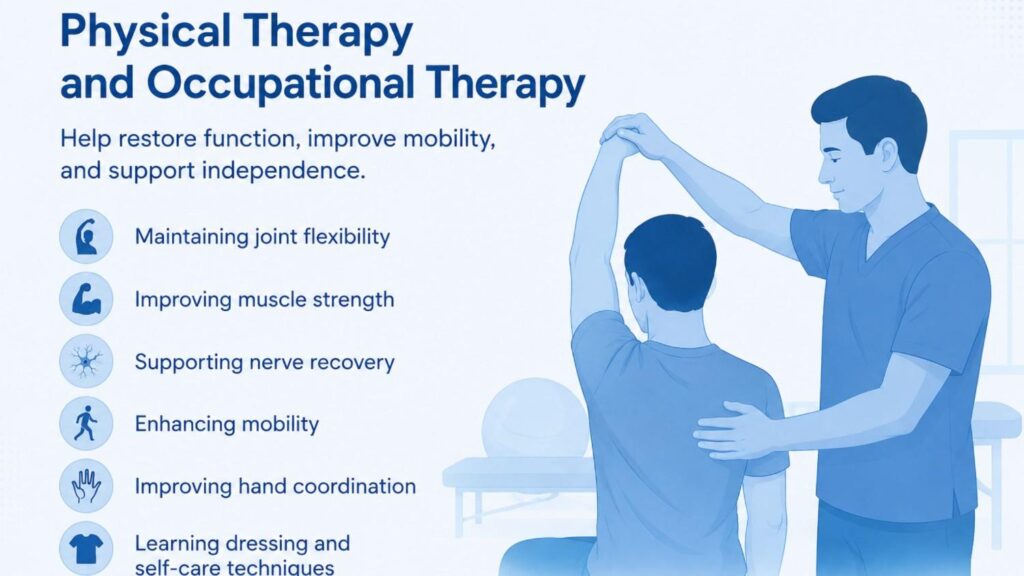
Physical therapy and occupational therapy play a vital role in brachial plexus injury recovery. These rehabilitation approaches help restore function, improve mobility, and support independence during daily activities.
Benefits include:
- Maintaining joint flexibility
- Preventing stiffness
- Improving muscle strength
- Supporting nerve recovery
- Enhancing mobility
- Improving hand coordination
- Learning dressing and self-care techniques
3. Pain Management
Many patients experience chronic pain following nerve injury.
Pain management may include:
- Medications
- Nerve pain treatments
- Activity modification
- Therapeutic exercises
Effective pain control improves participation in rehabilitation programs.

4. Surgical Treatment Options
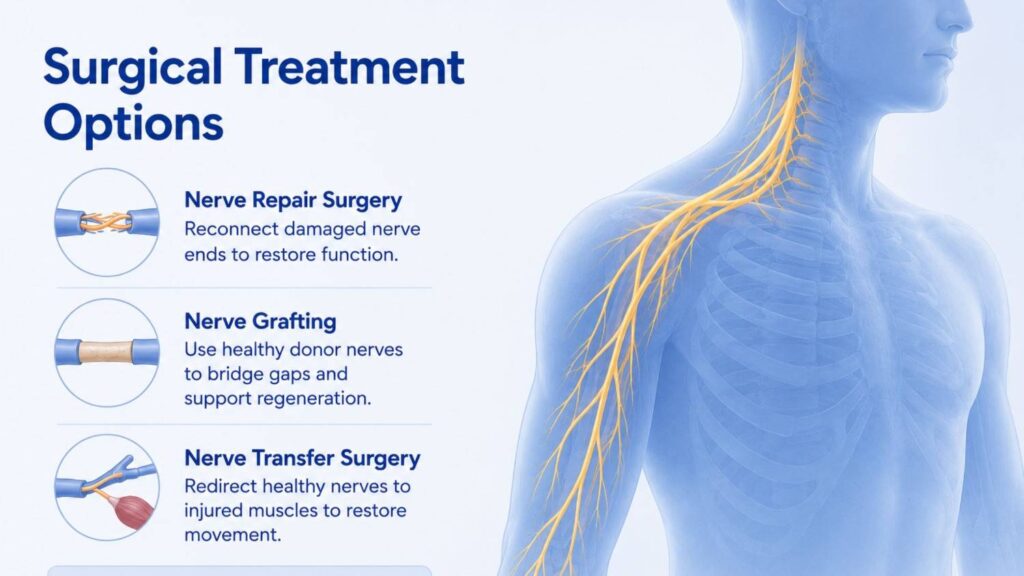
Advanced surgical procedures may be recommended when nerve damage is severe or recovery is unlikely with conservative treatment alone. Common surgical options include:
- Nerve Repair Surgery – Reconnecting damaged nerve ends after removing unhealthy tissue to restore nerve signal transmission and improve function.
- Nerve Grafting – Using healthy donor nerves to bridge gaps between damaged nerve ends and support nerve regeneration.
- Nerve Transfer Surgery – Redirecting healthy nerves to injured muscles to restore lost movement and improve shoulder, elbow, and hand function.
- Helps improve muscle strength and arm mobility.
- Supports functional recovery in moderate to severe brachial plexus injuries.
- Often combined with structured rehabilitation for optimal outcomes.
5. Tendon and Muscle Transfer Procedures
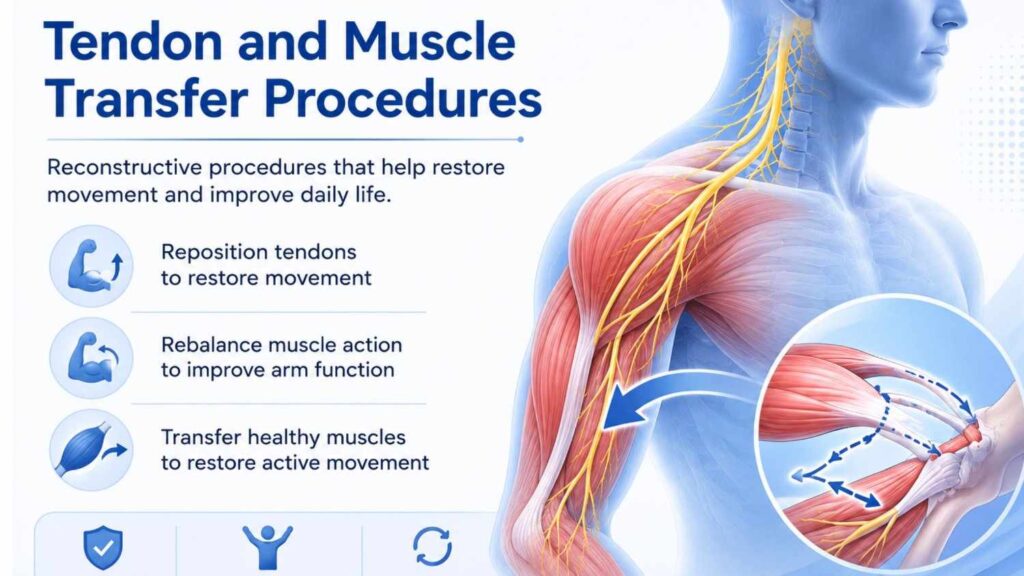
When nerve recovery is limited or severe nerve damage affects arm function, specialized reconstructive procedures may help restore movement and improve daily activities.
These procedures may involve:
- Repositioning functioning tendons to restore lost movements
- Rebalancing muscle action to improve arm function
- Transferring healthy muscles to restore active movement
- Improving strength and limb function
- Enhancing independence in daily activities
- Supporting functional recovery when nerve reconstruction alone is insufficient
These highly specialized procedures are often considered for advanced brachial plexus injuries when other treatment options cannot provide adequate functional improvement.
Benefits of Early Treatment
Early intervention often produces better outcomes.
Potential benefits include:
- Faster recovery
- Improved nerve regeneration
- Better muscle preservation
- Reduced disability
- Greater functional improvement
- Enhanced quality of life
Delaying treatment may reduce the effectiveness of certain procedures.
When Should You Consult a Specialist?
Seek medical evaluation if you experience:
- Persistent arm weakness
- Difficulty lifting the arm
- Numbness that does not improve
- Reduced grip strength
- Severe shoulder pain
- Loss of hand function
- Muscle wasting
Early specialist consultation can significantly improve treatment opportunities.
Conclusion
Understanding the Best Treatment Options for Brachial Plexus Injuries helps patients make informed decisions about their care. Treatment may range from physical therapy and rehabilitation to advanced procedures such as nerve repair, nerve grafting, nerve transfers, tendon transfers, and muscle reconstruction. Early diagnosis, timely intervention, and structured rehabilitation remain the key factors influencing recovery outcomes. Patients seeking specialized evaluation and comprehensive treatment in Kerala can benefit from a personalized approach focused on restoring movement, improving strength, and enhancing quality of life.
For additional information about brachial plexus injuries and peripheral nerve disorders, patients can refer to the National Institute of Neurological Disorders and Stroke (NINDS).
FREQUENTLY ASKED QUESTIONS
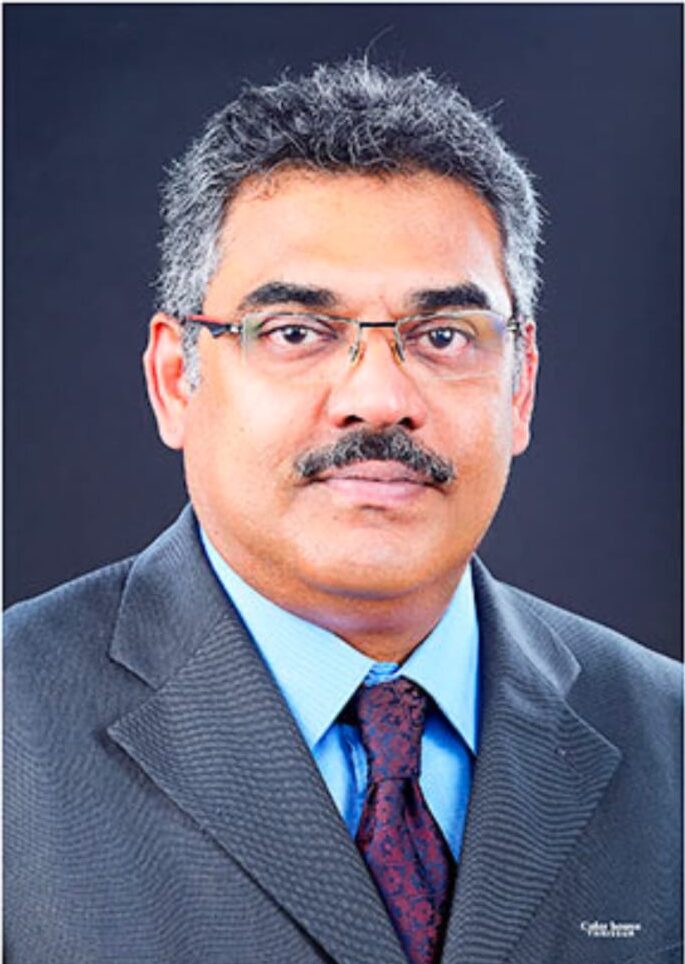
Dr. Pradeep Kumar
Plastic & Reconstructive Surgeon – Brachial Plexus & Nerve Surgery Specialist
Dr. Pradeep Kumar is an experienced plastic and reconstructive surgeon known for his expertise in brachial plexus and peripheral nerve surgery. With extensive microsurgical experience, he focuses on restoring movement and function for patients with complex nerve injuries.
Sushrutha Institute of Plastic Surgery, Elite Mission Hospital, Thrissur