Facial Palsy Treatment in Thrissur
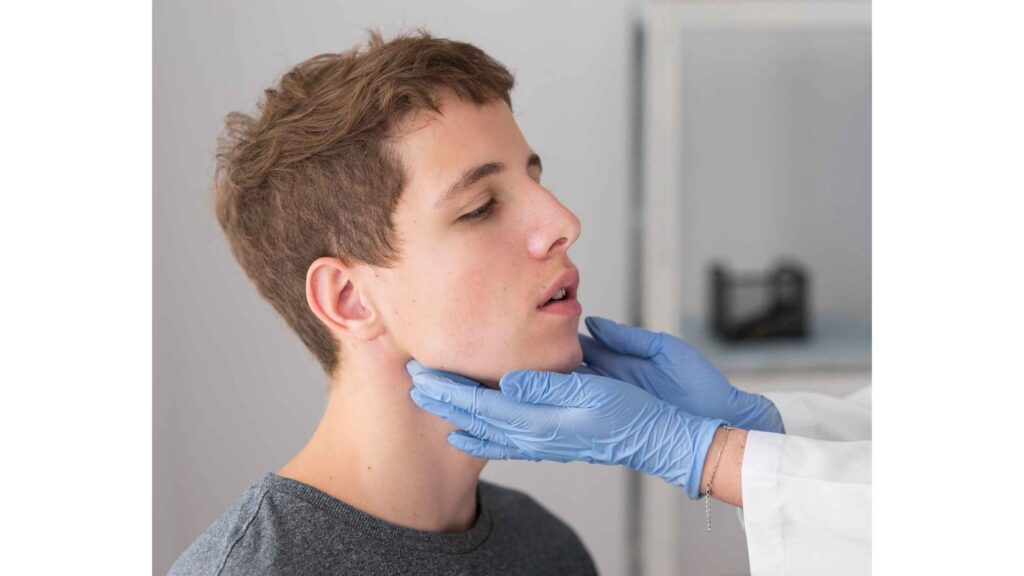
For individuals seeking facial palsy treatment in Thrissur, understanding the condition, treatment options, and recovery process is essential for making informed decisions. Facial palsy affects the facial nerve, leading to weakness or paralysis on one side of the face. Early diagnosis and a structured treatment plan play a crucial role in restoring facial movement and improving overall quality of life.
Table of Contents
- What Is Facial Palsy?
- Causes of Facial Palsy
- Common Symptoms
- How Facial Palsy Is Diagnosed
- Importance of Early Treatment
- Non-Surgical Treatment Options
- Surgical Treatment Options
- Rehabilitation and Physiotherapy
- Recovery Timeline and Expectations
- Possible Risks and Complications
- Long-Term Management
- Summary
1. What Is Facial Palsy?
Facial palsy is a condition caused by damage or inflammation of the facial nerve, which controls facial expressions. It can affect one or both sides of the face, leading to difficulty in smiling, blinking, or speaking clearly.
The severity can range from mild weakness to complete paralysis depending on the extent of nerve damage.
2. Causes of Facial Palsy
Facial palsy can occur due to several underlying reasons.
Common Causes
- Bell’s palsy (viral infection)
- Trauma or injury to the face
- Tumors affecting the nerve
- Stroke or neurological disorders
- Infections
The cause plays a major role in determining the right facial palsy treatment in Thrissur.
3. Common Symptoms
Symptoms may appear suddenly or develop gradually.
Key Symptoms
- Drooping on one side of the face
- Inability to close the eye
- Difficulty smiling or speaking
- Drooling
- Loss of facial expressions
- Altered taste sensation
Early recognition helps in faster treatment and recovery.
4. How Facial Palsy Is Diagnosed
Diagnosis involves a thorough clinical evaluation.
Diagnostic Methods
- Physical examination
- MRI or CT scan
- Nerve conduction studies
- Blood tests
These tests help identify the cause and severity of nerve damage.
5. Importance of Early Treatment
Timely intervention is critical in facial palsy treatment in Thrissur.
Benefits of Early Treatment
- Faster nerve recovery
- Prevention of permanent damage
- Better facial symmetry
- Improved quality of life
Delays can lead to complications and prolonged recovery.
6. Non-Surgical Treatment Options
Many cases can be managed without surgery.
Treatment Methods
- Medications (steroids, antivirals)
- Facial physiotherapy
- Eye protection and care
- Electrical stimulation therapy
These treatments support natural healing of the nerve.
7. Surgical Treatment Options
Surgery is considered in severe or non-recovering cases.
Surgical Procedures
- Nerve repair or grafting
- Nerve transfer
- Muscle transfer
- Facial reanimation surgery
These procedures aim to restore facial movement and symmetry.
8. Rehabilitation and Physiotherapy
Rehabilitation is essential for recovery.
Includes
- Facial muscle exercises
- Massage therapy
- Neuromuscular retraining
Consistent therapy improves muscle control and coordination.
9. Recovery Timeline and Expectations
Recovery depends on the severity of the condition.
General Timeline
- Mild cases: few weeks
- Moderate cases: 2–3 months
- Severe cases: longer with therapy or surgery
Patience and consistency are key to recovery.
10. Possible Risks and Complications
Without proper care, complications may occur.
Risks Include
- Permanent facial weakness
- Muscle stiffness
- Eye problems
- Asymmetry of the face
Regular follow-ups help minimize risks.
11. Long-Term Management
Long-term care ensures sustained improvement.
Management Includes
- Continued physiotherapy
- Regular medical check-ups
- Lifestyle adjustments
- Facial exercises
The goal is to maintain function and prevent recurrence.
11. Long-Term Management
Long-term care ensures sustained improvement.
Management Includes
- Continued physiotherapy
- Regular medical check-ups
- Lifestyle adjustments
- Facial exercises
The goal is to maintain function and prevent recurrence.
12. Summary
Facial nerve disorders can affect both physical appearance and emotional confidence, making timely care essential. Understanding the causes, symptoms, and available options for Facial Palsy Treatment in Thrissur helps patients take the right steps toward recovery. With a combination of early diagnosis, appropriate medical or surgical treatment, and consistent rehabilitation, most individuals can achieve significant improvement in facial movement and function.
Long-term success depends on following a structured treatment plan, maintaining regular physiotherapy, and staying informed about the condition. Support from caregivers and proper lifestyle adjustments also play an important role in recovery. Learn more about facial nerve disorders and general treatment approaches, you can visit this trusted medical resource
By taking the right approach and seeking timely care, patients can regain confidence, improve facial symmetry, and enhance overall quality of life.
Table of Content
Consultation
Learn More
Cost
Learn More
Rehabilitation Therapy
Learn More
Nerve Repair
Learn More
Symmetry Restoration
Frequently Asked Questions
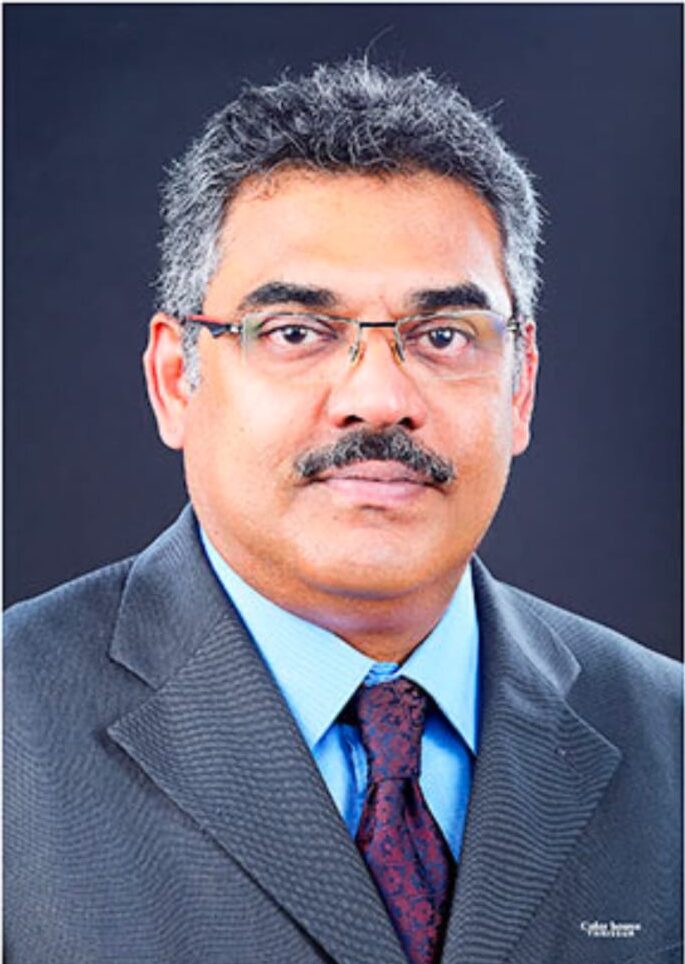
Dr. Pradeep Kumar
Plastic & Reconstructive Surgeon – Brachial Plexus & Nerve Surgery Specialist
Dr. Pradeep Kumar is an experienced plastic and reconstructive surgeon known for his expertise in brachial plexus and peripheral nerve surgery. With extensive microsurgical experience, he focuses on restoring movement and function for patients with complex nerve injuries.
Sushrutha Institute of Plastic Surgery, Elite Mission Hospital, Thrissur