Questions to Ask Before Erb’s Palsy Treatment in Kerala: 10 Essential Points to Know
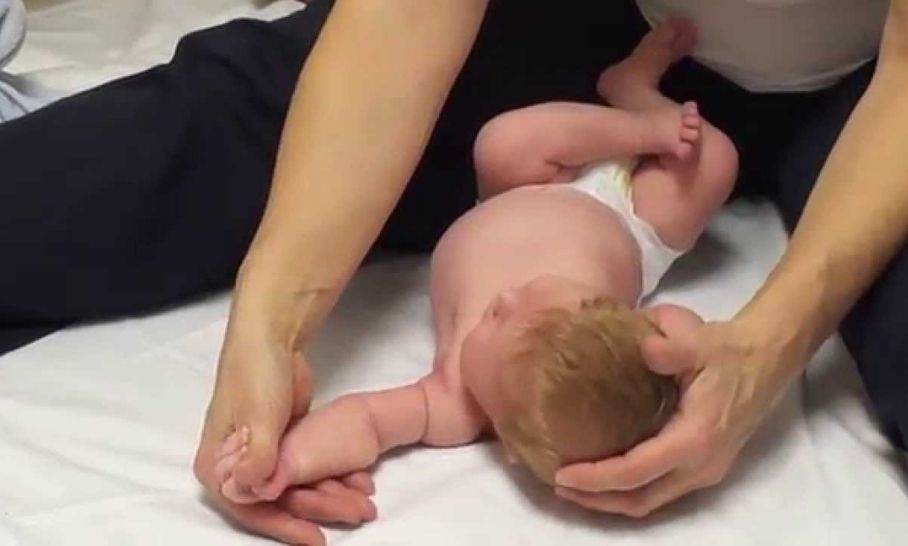
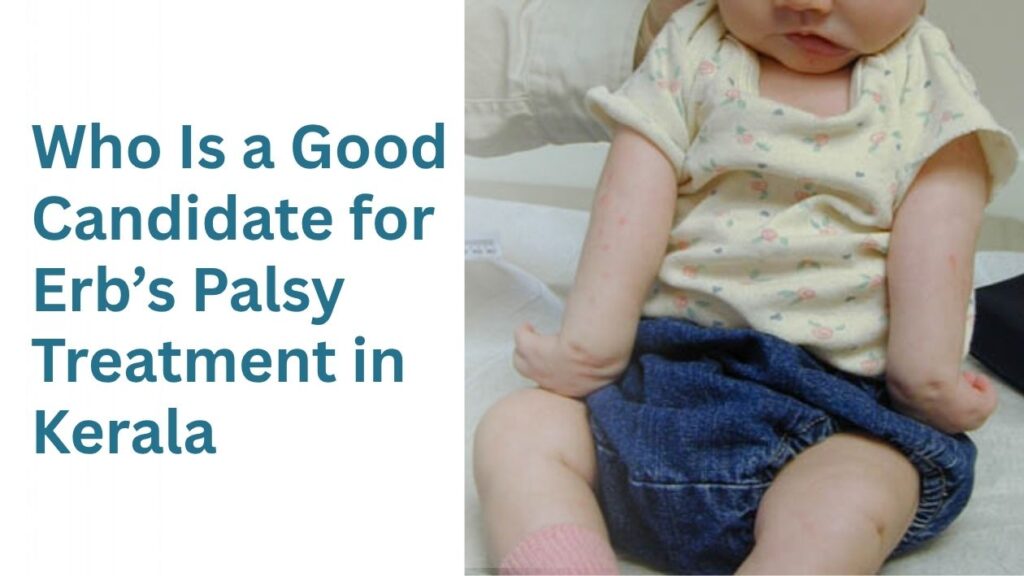
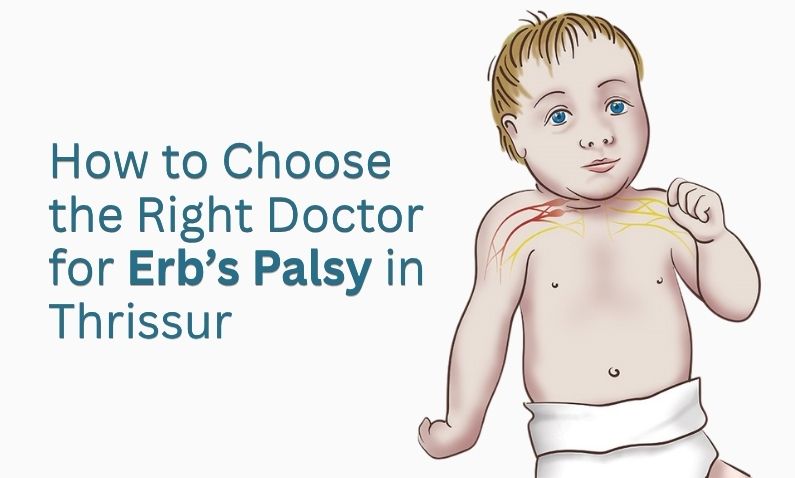
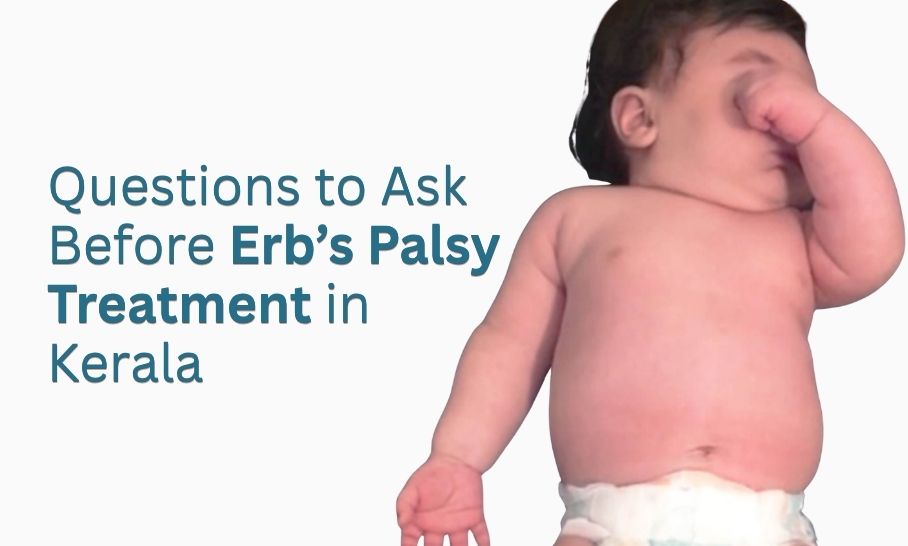
For individuals considering evaluation and care in Kerala, understanding Questions to Ask Before Erb’s Palsy Treatment in Kerala is an important step toward informed decision-making. Erb’s palsy is a condition caused by injury to the brachial plexus nerves, affecting movement, strength, and coordination in the shoulder and arm. Asking the right questions before starting treatment helps clarify diagnosis, explore available options, understand expected outcomes, and prepare for recovery. A structured discussion with the healthcare provider supports better planning and active participation in the treatment process.
Table of Contents
- Why Asking Questions Before Treatment Matters
- Understanding Your Diagnosis
- Questions About Severity of Nerve Injury
- Questions About Non-Surgical Treatment Options
- Questions About Surgical Procedures
- Questions About Risks and Possible Outcomes
- Questions About Recovery Timeline
- Questions About Rehabilitation and Physiotherapy
- Questions About Long-Term Outcomes
- Summary
1. Why Asking Questions Before Treatment Matters
Asking questions helps patients understand their condition clearly and participate actively in treatment decisions. It ensures that expectations are realistic and that the chosen treatment plan aligns with individual needs.
2. Understanding Your Diagnosis
Start by asking questions that clarify your condition:
- What type of brachial plexus injury is present?
- Which nerves are affected?
- How severe is the condition?
Understanding the diagnosis is the first step toward effective treatment.
3. Questions About Severity of Nerve Injury
Severity influences treatment decisions. Important questions include:
- Is the injury mild, moderate, or severe?
- Is there a chance of natural recovery?
- How is the severity determined?
These answers guide the treatment approach.
4. Questions About Non-Surgical Treatment Options
Non-surgical treatment is often the first step. Ask:
- Can physiotherapy alone improve the condition?
- How long should conservative treatment be continued?
- What exercises are recommended?
This helps understand the role of non-invasive management.
5. Questions About Surgical Procedures
If surgery is being considered, ask:
- When is surgery necessary?
- What type of procedure is recommended?
- What is the goal of surgery?
Understanding surgical options helps in making informed decisions.
6. Questions About Risks and Possible Outcomes
Every treatment has potential risks. Important questions include:
- What are the possible complications?
- What outcomes can be expected?
- Are there chances of partial recovery?
This helps set realistic expectations.
7. Questions About Recovery Timeline
Recovery varies for each individual. Ask:
- How long will recovery take?
- When can normal activities be resumed?
- What factors affect recovery time?
Knowing the timeline helps in planning daily activities.
8. Questions About Rehabilitation and Physiotherapy
Rehabilitation is essential for recovery. Questions include:
- How often is physiotherapy required?
- What type of exercises will be included?
- How long should rehabilitation continue?
Consistent therapy plays a key role in improving outcomes.
9. Questions About Long-Term Outcomes
Understanding long-term expectations is important. Ask:
- Will full recovery be possible?
- Are there chances of long-term weakness?
- Will ongoing care be needed?
These questions help prepare for the future.
10. Summary
Questions to ask before Erb’s palsy treatment in Kerala focus on understanding diagnosis, severity, treatment options, risks, recovery, and long-term outcomes. Asking clear and structured questions allows patients to make informed decisions and actively participate in their care. A well-informed approach supports better treatment planning, improves recovery, and helps manage expectations effectively.
Frequently Asked Questions
1. Why should I ask questions before Erb’s palsy treatment?
Asking questions helps you understand your condition, treatment options, and expected outcomes clearly.
2. What should I ask about my diagnosis?
You should ask about the type of nerve injury, severity, and which nerves are affected.
3. Are non-surgical treatments effective for Erb’s palsy?
Yes, mild to moderate cases may improve with physiotherapy and regular monitoring.
4. When should I ask about surgical options?
You should ask about surgery if there is no improvement with conservative treatment or in severe cases.
5. What risks should I discuss with the doctor?
Discuss possible complications, limitations of treatment, and chances of incomplete recovery.
6. How can I understand the recovery timeline?
Ask how long recovery may take and what factors can influence healing and improvement.
7. Is rehabilitation necessary after treatment?
Yes, physiotherapy and rehabilitation are essential for improving strength and movement.
8. Can I expect full recovery after treatment?
Recovery varies depending on severity, and some patients may achieve partial or full improvement.
9. How often should I attend follow-up visits?
Follow-up frequency depends on the treatment plan and progress of recovery.
10. Who should ask these questions before treatment?
Anyone diagnosed with Erb’s palsy or considering treatment should ask these questions for better understanding.
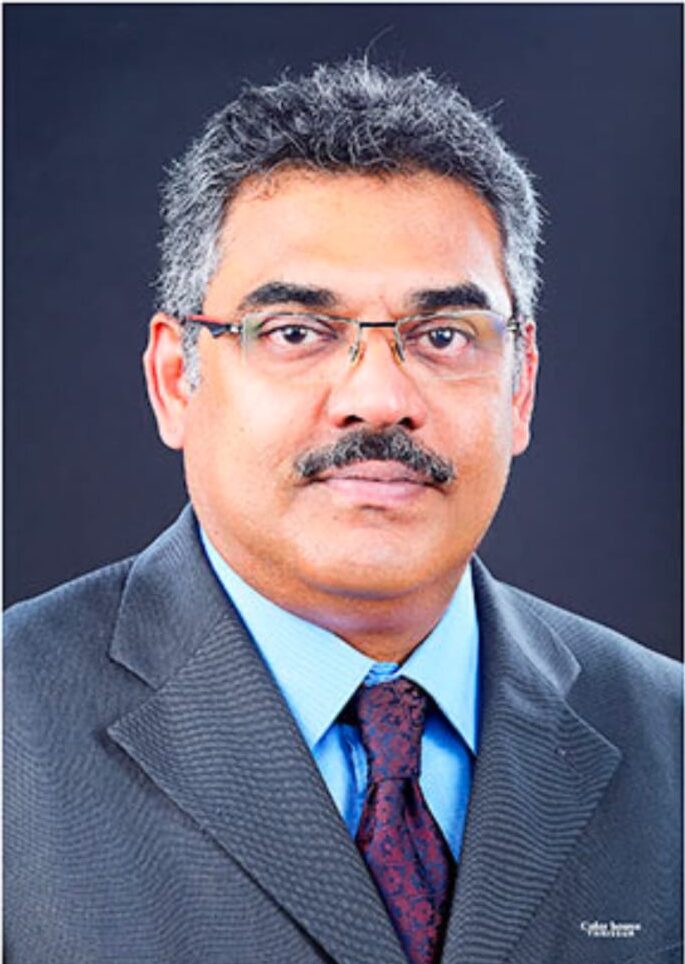
Dr. Pradeep Kumar
Plastic & Reconstructive Surgeon – Brachial Plexus & Nerve Surgery Specialist
Dr. Pradeep Kumar is an experienced plastic and reconstructive surgeon known for his expertise in brachial plexus and peripheral nerve surgery. With extensive microsurgical experience, he focuses on restoring movement and function for patients with complex nerve injuries.
Sushrutha Institute of Plastic Surgery, Elite Mission Hospital, Thrissur