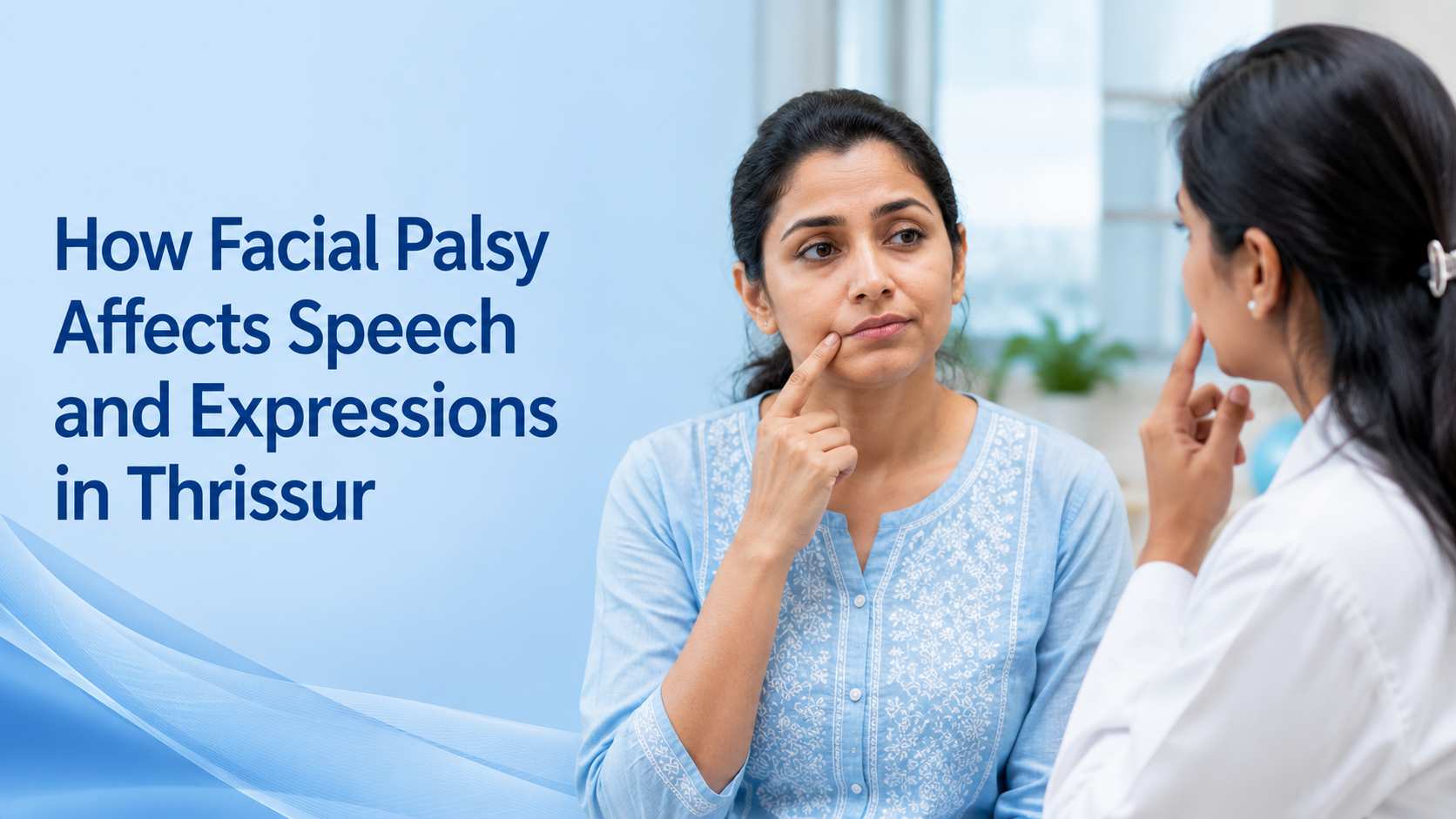
Understanding how facial palsy affects speech and expressions in Thrissur is important because facial nerve weakness can significantly impact communication, emotional expression, and daily activities. Facial palsy affects the muscles responsible for smiling, blinking, speaking, lip movement, and facial coordination. When these muscles become weak or paralyzed, even simple facial expressions may become difficult.
Many individuals experience speech changes, facial asymmetry, reduced emotional expression, and difficulty controlling facial movements. These challenges can affect confidence, social interaction, and quality of life. Early diagnosis and rehabilitation play an important role in improving facial movement and communication abilities.
Lorem ipsum dolor sit amet, consectetur adipiscing elit. Ut elit tellus, luctus nec ullamcorper mattis, pulvinar dapibus leo
What Is Facial Palsy?
Facial palsy is a condition caused by weakness or paralysis of the facial nerve. It usually affects one side of the face and can interfere with facial muscle control.
The facial nerve controls:
- Smiling
- Eye closure
- Lip movement
- Speech coordination
- Facial expressions
- Cheek movement
When the nerve becomes damaged or inflamed, facial movement becomes limited.
10 Ways Facial Palsy Affects Speech and Expressions
1. Difficulty Pronouncing Words Clearly
Facial muscles help control lip movement and speech clarity. Weakness in these muscles can make certain sounds difficult to pronounce properly.
People may struggle with:
- “P” sounds
- “B” sounds
- “M” sounds
- Lip-controlled speech movements
Speech may become less clear during conversation.
2. Uneven Smile and Facial Expressions
One of the most noticeable effects of facial palsy is facial asymmetry. Smiling may appear uneven because one side of the face moves less than the other.
3. Reduced Emotional Expression
Facial muscles play a major role in expressing emotions such as happiness, sadness, or surprise. Facial weakness may reduce visible emotional responses.
4. Difficulty Closing the Mouth Properly
Weak facial muscles can affect mouth control, leading to:
- Difficulty holding liquids
- Drooling
- Food leakage while eating
This can affect confidence during social interactions.
5. Trouble Blinking or Eye Closure
Many individuals with facial palsy experience incomplete eye closure, causing:
- Eye dryness
- Irritation
- Excess tearing
Proper eye care becomes important during recovery.
6. Changes in Speech Rhythm
Facial muscle weakness may alter the natural rhythm and clarity of speech, especially during longer conversations.
7. Facial Tightness and Muscle Stiffness
Some individuals experience muscle stiffness or abnormal muscle movement during recovery.
This may affect:
- Smiling naturally
- Lip coordination
- Facial balance
8. Difficulty Eating and Drinking
Facial muscles support chewing and oral control. Weakness can make eating slower or more challenging.
9. Social and Emotional Impact
Communication difficulties may affect:
- Self-confidence
- Social interaction
- Emotional wellbeing
Many individuals become more self-conscious about facial appearance and speech changes.
10. Reduced Facial Coordination
Facial palsy may interfere with synchronized facial movement, making expressions appear limited or delayed.
How Facial Muscles Support Speech
Speech depends on coordinated muscle movement involving:
- Lips
- Tongue
- Jaw
- Cheeks
- Facial muscles
When facial nerve function becomes weak, speech clarity may decrease temporarily.
Common Symptoms Associated With Facial Palsy
Symptoms may vary depending on nerve involvement.
Common Symptoms Include:
- Facial drooping
- Uneven smile
- Speech difficulty
- Difficulty blinking
- Reduced facial movement
- Drooling
- Muscle tightness
- Facial numbness
Early evaluation helps improve rehabilitation plannin
Diagnosis of Facial Palsy
Doctors may use several methods to assess facial nerve function.
Diagnostic Methods:
- Physical examination
- Facial movement assessment
- MRI or CT scan
- Electromyography (EMG)
- Nerve conduction studies
These evaluations help determine the severity of nerve involvement.
Rehabilitation and Speech Recovery
Rehabilitation plays an important role in improving speech and facial coordination.
Rehabilitation Approaches:
- Facial muscle exercises
- Physiotherapy
- Mirror exercises
- Speech therapy
- Neuromuscular retraining
- Massage therapy
Consistent therapy may improve muscle coordination and communication abilities.
Facial Exercises That May Help
Therapists may recommend exercises such as:
- Lip stretching exercises
- Controlled smiling practice
- Cheek strengthening movements
- Eye closure exercises
- Speech repetition exercises
These techniques support muscle recovery and coordination.
Emotional Support During Recovery
Facial palsy recovery may take time, and emotional support is important during rehabilitation.
Helpful strategies include:
- Staying consistent with therapy
- Practicing exercises daily
- Maintaining positive communication
- Seeking professional rehabilitation guidance
Many individuals experience gradual improvement with proper treatment and therapy
Conclusion
Understanding how facial palsy affects speech and expressions in Thrissur helps individuals recognize the importance of early treatment and rehabilitation. Facial nerve weakness can interfere with communication, emotional expression, and daily activities, but rehabilitation therapies and facial exercises often support recovery and improved muscle coordination over time.
Speech changes, facial asymmetry, and reduced expressions can affect confidence and social interaction, making timely medical evaluation essential. Individuals seeking additional information about facial paralysis and rehabilitation can learn more about facial paralysis recovery and treatment through trusted medical resources.
With appropriate rehabilitation, physiotherapy, and facial retraining exercises, many individuals experience meaningful improvement in facial movement and communication abilities.
Frequently Asked Questions
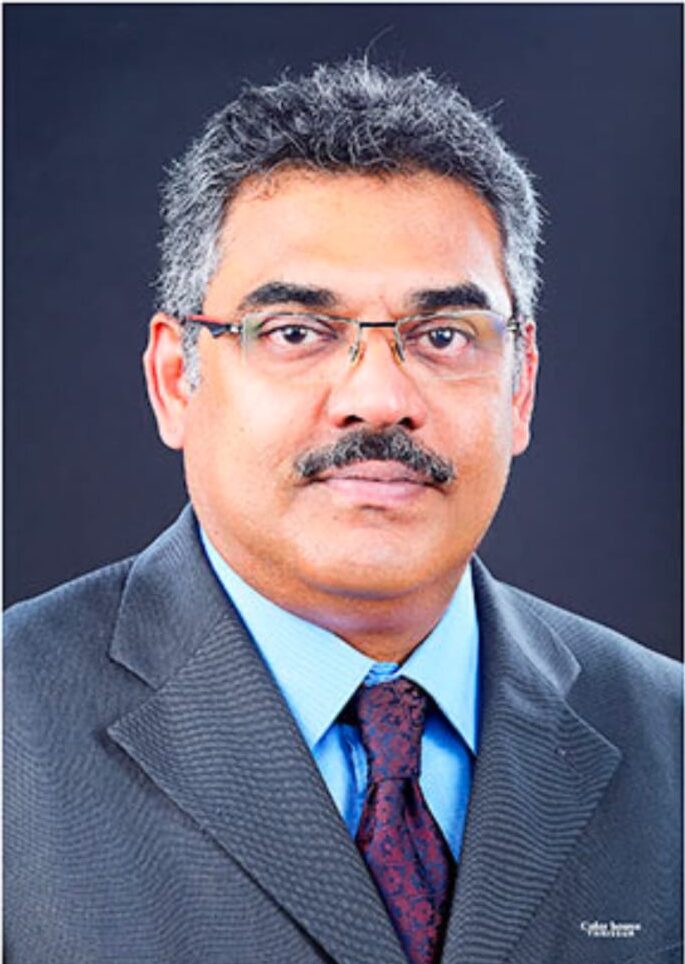
Dr. Pradeep Kumar
Plastic & Reconstructive Surgeon – Brachial Plexus & Nerve Surgery Specialist
Dr. Pradeep Kumar is an experienced plastic and reconstructive surgeon known for his expertise in brachial plexus and peripheral nerve surgery. With extensive microsurgical experience, he focuses on restoring movement and function for patients with complex nerve injuries.
Sushrutha Institute of Plastic Surgery, Elite Mission Hospital, Thrissur