Erb’s Palsy Treatment in Thrissur: 12 Important Insights for Better Recovery
For individuals seeking Erb’s palsy treatment in Thrissur, understanding the condition, available treatment options, and recovery expectations is essential for informed decision-making. Erb’s palsy is a condition that affects the nerves of the brachial plexus, typically leading to weakness or loss of movement in the shoulder and arm. Early diagnosis and structured treatment planning play a significant role in improving functional outcomes and minimizing long-term complications.
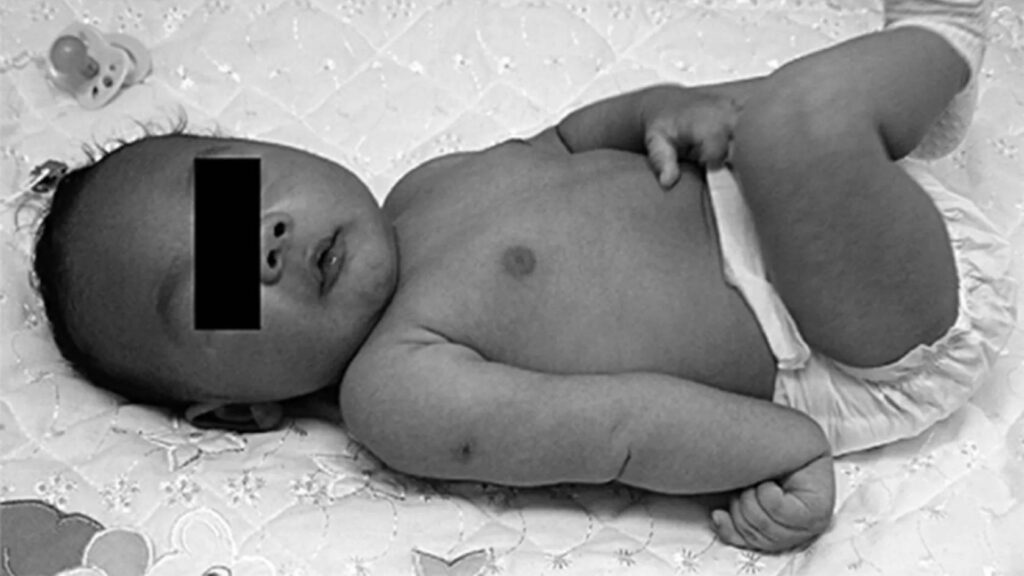
Table of Contents
- What Is Erb’s Palsy?
- Causes of Erb’s Palsy
- Common Symptoms
- How Erb’s Palsy Is Diagnosed
- Importance of Early Treatment
- Non-Surgical Treatment Options
- Surgical Treatment Options
- Rehabilitation and Physiotherapy
- Recovery Timeline and Expectations
- Possible Risks and Complications
- Long-Term Management
- Summary
1. What Is Erb’s Palsy?
Erb’s palsy is a type of brachial plexus injury that primarily affects the upper nerves responsible for shoulder and arm movement. It is most commonly seen in newborns due to birth-related nerve stretching but can also occur in adults following trauma.
The condition may range from mild weakness to complete paralysis of the affected arm, depending on the severity of nerve damage.
2. Causes of Erb’s Palsy
Erb’s palsy usually occurs due to excessive stretching or injury to the brachial plexus nerves. Common causes include:
- Difficult childbirth or shoulder dystocia
- Excessive pulling during delivery
- Trauma such as road accidents or falls
- Sports-related injuries
- Direct impact to the neck or shoulder region
The degree of nerve injury determines the severity of symptoms and recovery potential.
3. Common Symptoms
Symptoms of Erb’s palsy vary depending on nerve involvement but typically include:
- Weakness in the shoulder or arm
- Limited movement or inability to lift the arm
- Decreased grip strength
- Abnormal arm positioning (arm rotated inward)
- Loss of sensation in some cases
In infants, the affected arm may appear limp and unresponsive.
4. How Erb’s Palsy Is Diagnosed
Diagnosis begins with a detailed clinical evaluation. The process includes:
- Assessment of medical history and symptoms
- Physical examination of arm movement and reflexes
- Imaging tests such as MRI or ultrasound
- Nerve conduction studies or electromyography (EMG)
These assessments help determine the extent of nerve damage and guide treatment planning.
5. Importance of Early Treatment
Early intervention is critical in Erb’s palsy management. Prompt treatment can:
- Improve nerve recovery
- Prevent joint stiffness and muscle contractures
- Enhance functional outcomes
- Reduce the need for complex surgical procedures
Delaying treatment may lead to permanent weakness or limited mobility.
6. Non-Surgical Treatment Options
Many cases, especially mild ones, can be managed without surgery. Non-surgical treatments include:
- Physiotherapy: Regular exercises to maintain joint flexibility and muscle strength
- Occupational therapy: Helps improve functional use of the arm
- Splinting or positioning techniques: Prevents abnormal posture
- Monitoring progress: Regular follow-up assessments
These approaches aim to support natural nerve healing and improve mobility.
7. Surgical Treatment Options
Surgery may be considered when there is limited improvement over time or in cases of severe nerve injury. Surgical options include:
- Nerve grafting: Replacing damaged nerve segments
- Nerve transfer: Redirecting healthy nerves to restore function
- Muscle or tendon transfer: Improving arm movement
- Release procedures: Correcting joint stiffness
The choice of procedure depends on the type and severity of nerve damage.
8. Rehabilitation and Physiotherapy
Rehabilitation is a crucial part of recovery after both surgical and non-surgical treatment. It focuses on:
- Restoring range of motion
- Strengthening affected muscles
- Improving coordination and function
- Preventing long-term complications
A structured physiotherapy program ensures gradual and consistent improvement.
9. Recovery Timeline and Expectations
Recovery varies widely depending on the severity of the injury and treatment approach. General expectations include:
- Mild cases may improve within a few months
- Moderate cases may take longer with therapy
- Severe cases may require surgery and extended rehabilitation
Complete recovery is not always guaranteed, but early and consistent treatment significantly improves outcomes.
10. Possible Risks and Complications
If untreated or poorly managed, Erb’s palsy can lead to:
- Permanent weakness or paralysis
- Joint stiffness or deformity
- Muscle imbalance
- Reduced arm function
Regular monitoring and timely intervention help minimize these risks.
11. Long-Term Management
Long-term care may involve:
- Continued physiotherapy
- Functional training
- Periodic medical evaluation
- Lifestyle modifications to protect the affected arm
The goal is to maintain function and improve quality of life over time.
12. Summary
Erb’s palsy treatment in Thrissur involves a structured approach that includes early diagnosis, appropriate therapy, and ongoing rehabilitation. Understanding the condition, recognizing symptoms early, and following a consistent treatment plan can significantly improve recovery outcomes. While the severity of nerve injury influences the final results, timely medical care and rehabilitation play a key role in restoring arm function and reducing long-term complications.
Table Of Content
Consultation:
During consultation in Thrissur, the doctor evaluates arm movement, muscle strength, nerve involvement, and plans appropriate treatment. Learn more
Treatment Cost:
The cost in Thrissur varies based on severity, treatment type, surgical needs, and rehabilitation requirements. Learn more
Surgery Risks:
Risks may include incomplete nerve recovery, muscle weakness, stiffness, infection, or need for additional procedures. Learn more
Surgery Preparation:
Preparation in Kerala includes medical evaluation, imaging studies, preoperative planning, and arranging postoperative rehabilitation support. Learn more
Treatment Procedures:
Treatment procedures in Thrissur may include nerve grafting, nerve transfers, muscle release procedures, and structured physiotherapy programs. Learn more
Frequently Asked Questions
1. What is Erb’s palsy?
Erb’s palsy is a condition caused by injury to the brachial plexus nerves, leading to weakness or loss of movement in the shoulder and arm.
2. What causes Erb’s palsy?
It is commonly caused by nerve stretching during difficult childbirth or trauma such as accidents or injuries to the shoulder and neck.
3. What are the symptoms of Erb’s palsy?
Symptoms include arm weakness, limited movement, reduced grip strength, and abnormal arm positioning.
4. Can Erb’s palsy recover without surgery?
Mild cases may recover with physiotherapy and supportive care, while more severe cases may require surgical intervention.
5. How is Erb’s palsy diagnosed?
Diagnosis involves physical examination, imaging tests, and nerve studies to assess the extent of nerve damage.
6. What treatments are available for Erb’s palsy?
Treatment options include physiotherapy, occupational therapy, nerve repair surgery, and rehabilitation programs.
7. How long does recovery take?
Recovery time varies from a few months in mild cases to longer periods in severe cases requiring surgery and rehabilitation.
8. Is physiotherapy important in Erb’s palsy treatment?
Yes, physiotherapy is essential to maintain joint flexibility, improve strength, and support functional recovery.
9. Are there any complications if untreated?
Untreated cases may lead to permanent weakness, joint stiffness, and reduced arm function.
10. Who should seek treatment for Erb’s palsy?
Anyone experiencing arm weakness, limited movement, or nerve injury symptoms should seek medical evaluation and appropriate care.
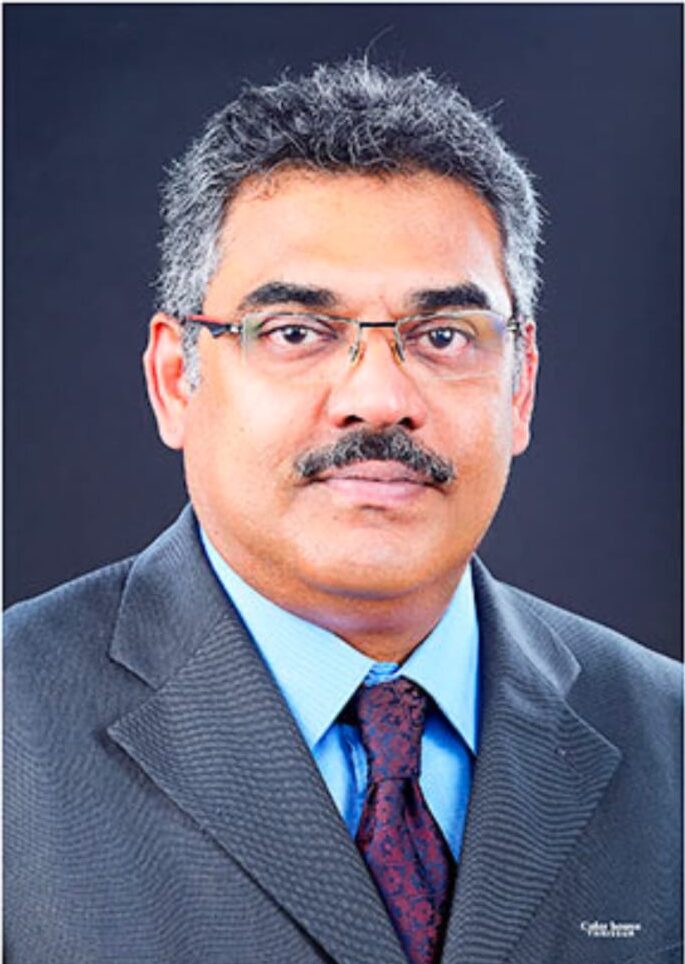
Dr. Pradeep Kumar
Plastic & Reconstructive Surgeon – Brachial Plexus & Nerve Surgery Specialist
Dr. Pradeep Kumar is an experienced plastic and reconstructive surgeon known for his expertise in brachial plexus and peripheral nerve surgery. With extensive microsurgical experience, he focuses on restoring movement and function for patients with complex nerve injuries.
Sushrutha Institute of Plastic Surgery, Elite Mission Hospital, Thrissur