7 Powerful Tips to Choose a Brachial Plexus Surgeon in Thrissur
A brachial plexus injury can significantly affect the movement, strength, and sensation of your shoulder, arm, and hand. Choosing the right specialist is one of the most important decisions you can make for diagnosis, treatment, and recovery. If you are searching for How to Choose a Brachial Plexus Surgeon in Thrissur, understanding what to look for can help you make an informed choice. From evaluating experience and treatment options to considering rehabilitation support, every factor contributes to better outcomes. This guide explains everything you need to know before selecting a specialist and making your treatment decision.
Why Choosing the Right Brachial Plexus Surgeon Matters
The brachial plexus is a complex network of nerves responsible for controlling movement and sensation in the upper limb. Injuries to these nerves require specialized knowledge because treatment often involves advanced microsurgical techniques and long-term rehabilitation.
Selecting the right surgeon can help:
- Improve the chances of nerve recovery
- Reduce complications
- Restore function more effectively
- Receive a personalized treatment plan
- Get proper follow-up care
Choosing carefully ensures that every stage of treatment is managed appropriately.
What Is a Brachial Plexus Injury
A brachial plexus injury occurs when the network of nerves connecting the spinal cord to the shoulder, arm, and hand becomes stretched, compressed, or torn.
The severity can range from temporary weakness to complete paralysis depending on the extent of nerve damage.
Common symptoms include:
- Weakness in the arm
- Loss of sensation
- Shoulder pain
- Burning or tingling
- Difficulty lifting objects
- Reduced grip strength
- Muscle wasting
- Limited arm movement
Common Causes of Brachial Plexus Injuries
Understanding the cause helps determine the best treatment approach.
Road Traffic Accidents
High-speed accidents are among the leading causes of severe brachial plexus injuries.
Sports Injuries
Contact sports may result in nerve stretching or compression.
Workplace Accidents
Heavy machinery and industrial injuries may damage the nerve network.
Falls
A severe fall can stretch or tear the nerves.
Birth Injuries
Some newborns experience brachial plexus injuries during difficult deliveries.
Penetrating Trauma
Knife or gunshot injuries can directly damage the nerves.
Different Types of Brachial Plexus Injuries
The treatment approach depends on the injury type.
Neuropraxia
The mildest injury involving temporary nerve stretching.
Rupture
The nerve tears but remains attached to the spinal cord.
Avulsion
The nerve is pulled away from the spinal cord and often requires complex reconstruction.
Neuroma
Scar tissue forms around an injured nerve, affecting signal transmission.
Signs You Should See a Brachial Plexus Surgeon
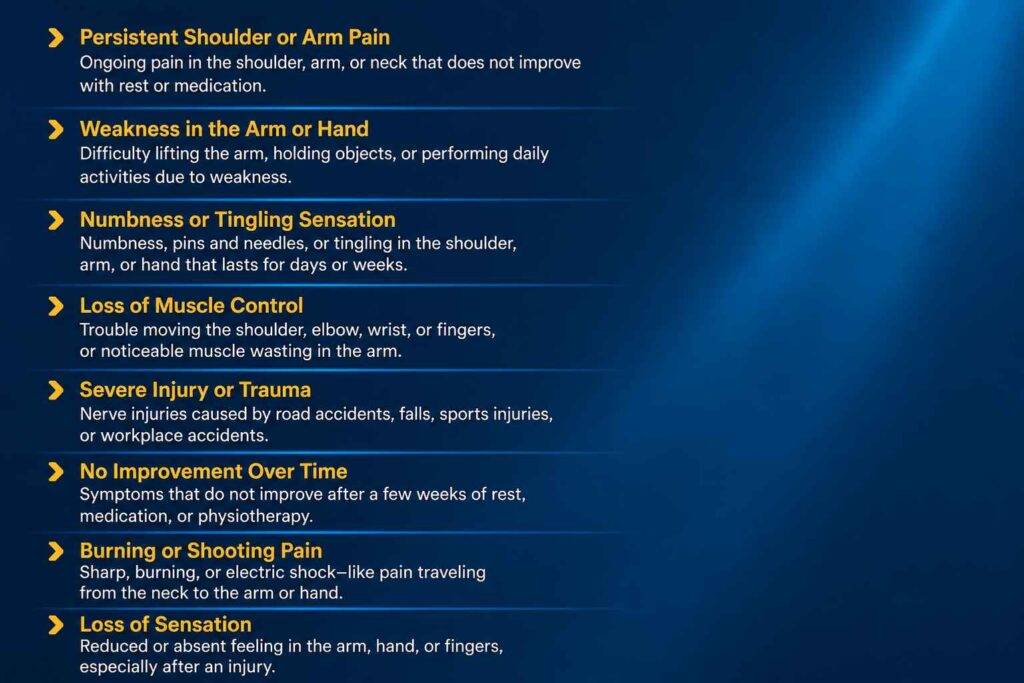
Do not ignore symptoms such as:
- Persistent shoulder pain
- Weak arm muscles
- Numbness
- Tingling sensation
- Difficulty raising the arm
- Hand weakness
- Muscle wasting
- Loss of coordination
- Severe burning pain
- Limited shoulder movement
Early evaluation often leads to better recovery.
How to Choose a Brachial Plexus Surgeon in Thrissur
Finding the right specialist involves more than simply selecting the nearest hospital. Consider the following factors carefully.
Look for Specialized Training
Choose a surgeon with dedicated experience in:
- Peripheral nerve surgery
- Microsurgery
- Reconstructive procedures
- Complex nerve injuries
Specialized training often leads to better treatment planning.
Evaluate Clinical Experience
Experience matters significantly in complex nerve reconstruction.
Ask about:
- Years of practice
- Number of brachial plexus surgeries
- Experience with different injury types
- Success in managing complicated cases
Check Hospital Infrastructure
A well-equipped hospital should offer:
- Advanced imaging
- MRI facilities
- CT scans
- EMG testing
- Nerve conduction studies
- Modern operating rooms
- Intensive postoperative care
- Rehabilitation services
Consider Multidisciplinary Care
Recovery often involves multiple healthcare professionals.
An ideal treatment team includes:
- Neurosurgeons
- Plastic surgeons
- Orthopedic surgeons
- Physiotherapists
- Occupational therapists
- Pain specialists
Collaborative care improves overall outcomes.
Review Available Treatment Options
Every patient requires individualized care.
Treatment may include:
- Observation
- Physical therapy
- Pain management
- Nerve repair
- Nerve grafting
- Nerve transfer surgery
- Tendon transfer
- Muscle transfer
- Rehabilitation
A good surgeon discusses every available option clearly.
Evaluate Communication Skills
The surgeon should explain:
- Diagnosis
- Test results
- Treatment choices
- Expected recovery
- Surgical risks
- Rehabilitation timeline
Clear communication builds confidence and helps patients make informed decisions.
Read Patient Feedback
Patient experiences may provide insight into:
- Hospital experience
- Staff support
- Communication
- Recovery process
- Follow-up care
While reviews should not be the only deciding factor, they can offer useful perspectives.
Ask About Rehabilitation
Surgery alone is rarely enough.
A comprehensive rehabilitation program should include:
- Strengthening exercises
- Range-of-motion therapy
- Occupational therapy
- Pain management
- Functional training
Recovery depends heavily on consistent rehabilitation.
Understand Recovery Expectations
Recovery varies depending on:
- Injury severity
- Time before treatment
- Age
- Overall health
- Rehabilitation commitment
The surgeon should provide realistic expectations rather than unrealistic promises.
Verify Follow-Up Care
Successful recovery requires regular monitoring.
Follow-up appointments help evaluate:
- Nerve healing
- Muscle recovery
- Pain control
- Functional improvement
- Rehabilitation progress
Questions to Ask During Your Consultation
Prepare questions before your appointment.
Consider asking:
- What type of brachial plexus injury do I have?
- What tests are required?
- Do I need surgery?
- What treatment options are available?
- What are the risks?
- What is the expected recovery period?
- How much improvement can I expect?
- Will physiotherapy be necessary?
- How often are follow-up visits scheduled?
- What happens if surgery is delayed?
Diagnostic Tests Used Before Treatment
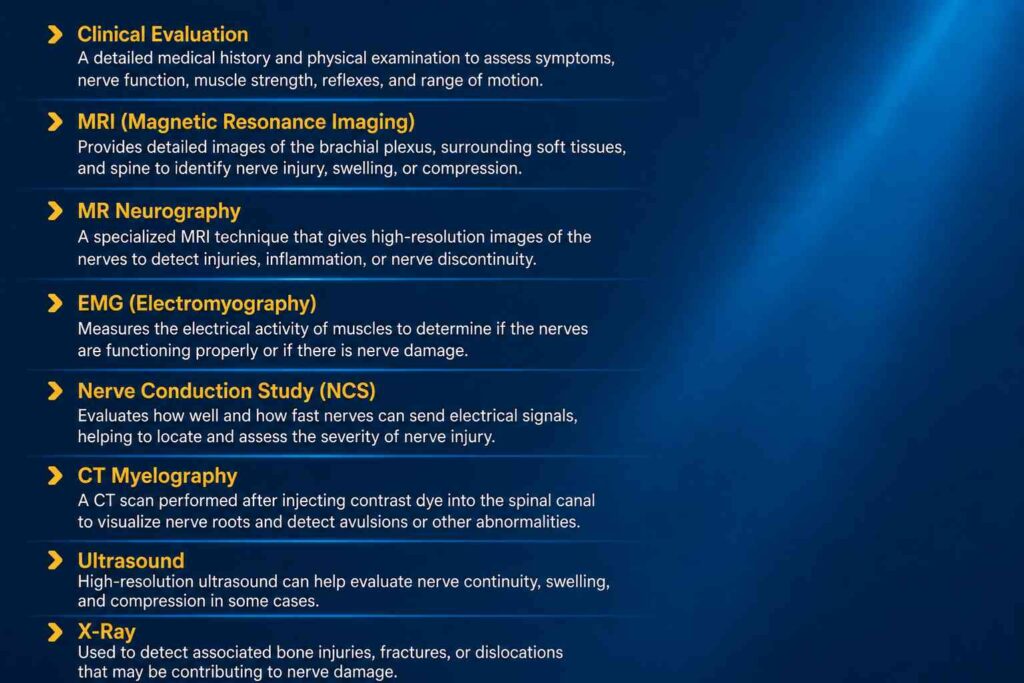
Accurate diagnosis guides treatment planning.
Physical Examination
Assesses muscle strength and sensation.
MRI
Provides detailed images of nerve structures.
CT Myelography
Evaluates spinal nerve roots.
EMG
Measures electrical activity in muscles.
Nerve Conduction Studies
Assess nerve signal transmission.
Ultrasound
May identify certain nerve abnormalities.
Treatment Options for Brachial Plexus Injuries
Treatment depends on injury severity.
Conservative Treatment
Suitable for mild injuries.
Includes:
- Observation
- Medication
- Physiotherapy
- Occupational therapy
Nerve Repair Surgery
The damaged nerve ends are reconnected.
Nerve Grafting
Healthy nerve tissue bridges damaged sections.
Nerve Transfer
Healthy functioning nerves restore movement.
Tendon Transfer
Tendons are repositioned to improve function.
Muscle Transfer
Used in severe long-standing injuries.
Benefits of Choosing the Right Surgeon
Selecting the appropriate specialist offers many advantages.
Accurate Diagnosis
Correct diagnosis leads to appropriate treatment.
Personalized Care
Treatment plans are customized.
Advanced Surgical Techniques
Modern microsurgery improves precision.
Better Functional Recovery
Proper management increases the likelihood of improved movement.
Comprehensive Rehabilitation
Integrated therapy supports long-term recovery.
Reduced Risk of Complications
Experienced surgeons help minimize surgical risks.
Factors That Influence Recovery
Recovery depends on several variables.
Time Before Treatment
Earlier treatment often produces better results.
Injury Severity
Minor injuries recover faster.
Age
Younger individuals may experience improved nerve regeneration.
Overall Health
General fitness supports healing.
Rehabilitation
Regular therapy significantly influences outcomes.
Surgical Timing
Timely intervention improves nerve recovery.
Tips for Choosing the Best Specialist
When researching your options:
- Verify qualifications
- Check specialized training
- Confirm experience
- Review hospital facilities
- Ask about rehabilitation
- Discuss treatment plans
- Understand recovery expectations
- Compare available services
- Read patient testimonials
- Schedule a consultation
Mistakes to Avoid
Many patients delay proper treatment.
Avoid:
- Ignoring persistent symptoms
- Choosing based only on cost
- Delaying specialist consultation
- Skipping rehabilitation
- Missing follow-up appointments
- Expecting immediate recovery
- Self-diagnosing online
Importance of Early Diagnosis
Prompt evaluation offers several benefits.
Early diagnosis helps:
- Prevent permanent nerve damage
- Improve surgical timing
- Increase recovery potential
- Reduce muscle wasting
- Improve long-term function
Lifestyle Tips During Recovery
Patients can support recovery by:
- Following exercise programs
- Eating a balanced diet
- Maintaining healthy sleep habits
- Avoiding smoking
- Staying physically active
- Attending therapy regularly
- Protecting the affected arm
When Should Surgery Be Considere
Surgery may be recommended when:
- Recovery is not progressing
- Complete nerve tears are present
- Muscle weakness worsens
- Imaging confirms severe damage
- Conservative treatment fails
Every patient should undergo thorough evaluation before surgery.
Conclusion
Understanding How to Choose a Brachial Plexus Surgeon in Thrissur helps patients make confident and informed healthcare decisions. Look for specialized expertise, comprehensive diagnostic facilities, personalized treatment planning, and strong rehabilitation support. Early evaluation and appropriate treatment can greatly improve recovery and long-term arm function. Taking time to select the right specialist can make a meaningful difference in your treatment journey and overall quality of life in Thrissur. For comprehensive, evidence-based information on the diagnosis and treatment of brachial plexus injuries, visit the Mayo Clinic .
Frequently Asked Questions
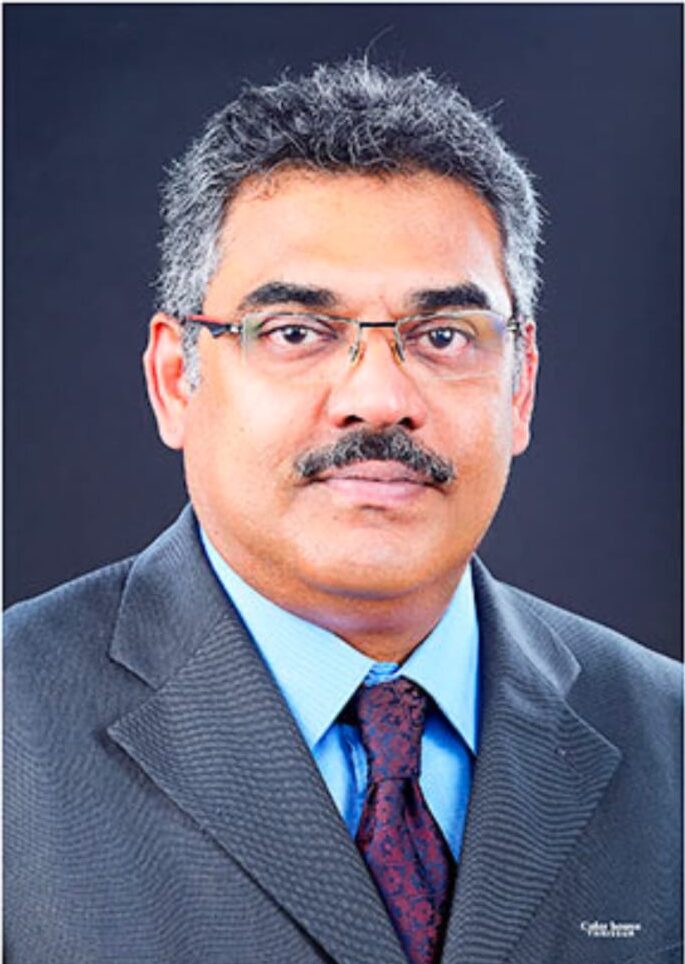
Dr. Pradeep Kumar
Plastic & Reconstructive Surgeon – Brachial Plexus & Nerve Surgery Specialist
Dr. Pradeep Kumar is an experienced plastic and reconstructive surgeon known for his expertise in brachial plexus and peripheral nerve surgery. With extensive microsurgical experience, he focuses on restoring movement and function for patients with complex nerve injuries.
Sushrutha Institute of Plastic Surgery, Elite Mission Hospital, Thrissur