Brachial Plexus Injury Treatment in Thrissur - Specialized Care by Dr. Pradeep Kumar
Brachial plexus injuries can significantly affect movement, strength, and sensation in the shoulder, arm, and hand. Whether caused by road traffic accidents, sports injuries, falls, workplace trauma, or birth-related complications, these injuries require timely evaluation and specialized care to maximize recovery. If you are looking for Brachial Plexus Injury Treatment in Thrissur, understanding the condition and the available treatment options is the first step toward restoring function.
Brachial Plexus Injury Treatment in Thrissur combines detailed clinical assessment, advanced imaging, microsurgical techniques, nerve reconstruction, and structured rehabilitation to help patients regain independence. Early diagnosis often improves outcomes, making prompt consultation essential when symptoms such as weakness, numbness, or paralysis occur after an injury.
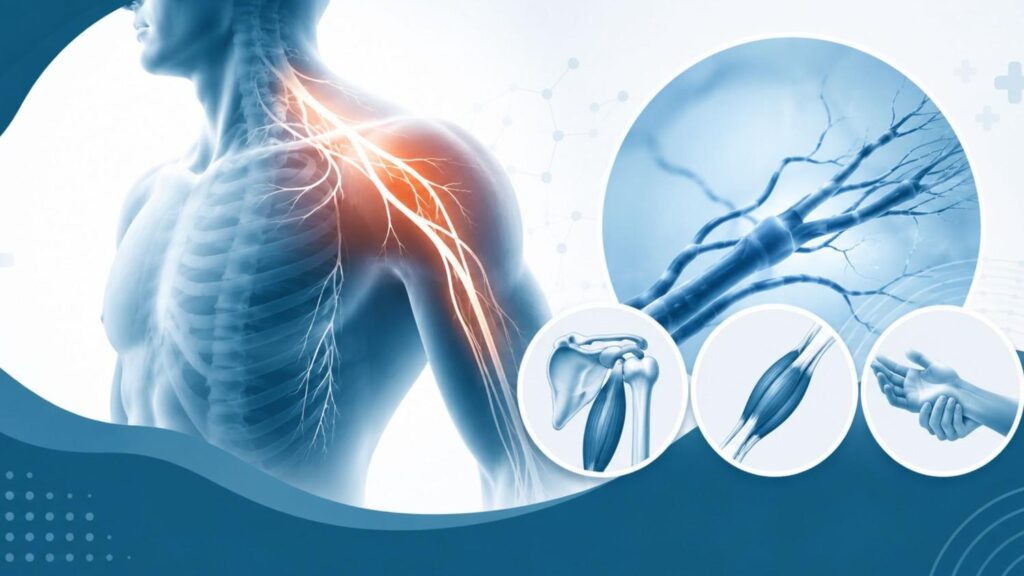
What Is a Brachial Plexus Injury?
The brachial plexus is a complex network of nerves that originates from the spinal cord in the neck and supplies the shoulder, arm, forearm, and hand. These nerves control muscle movement and provide sensation throughout the upper limb.
Damage to this nerve network can range from temporary stretching to complete nerve rupture or avulsion. The severity of the injury determines the treatment approach and expected recovery. Patients seeking Brachial Plexus Injury Treatment in Thrissur benefit from individualized treatment plans based on the type and extent of nerve damage.
Causes of Brachial Plexus Injury
Several conditions can damage the brachial plexus nerves, including:
- Road traffic accidents
- Motorcycle accidents
- Sports-related injuries
- Falls from height
- Industrial or workplace accidents
- Penetrating injuries
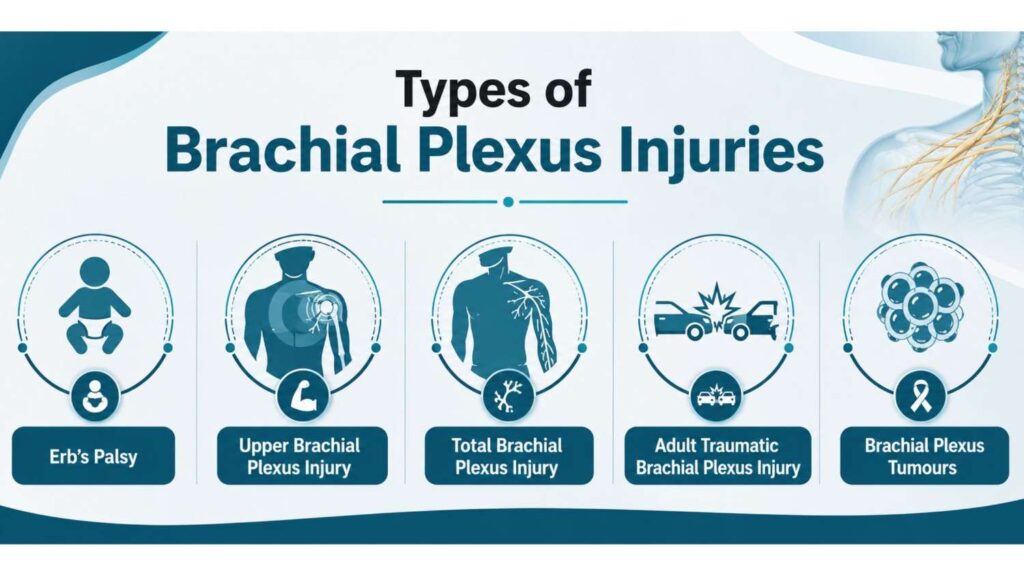
- Birth-related nerve injuries (Erb’s Palsy)
- Tumors affecting the brachial plexus
- Severe shoulder trauma
Understanding the underlying cause helps determine the most appropriate Brachial Plexus Injury Treatment in Thrissur.
Common Symptoms
Symptoms vary depending on the location and severity of nerve damage.
Mild Injuries
- Temporary numbness
- Tingling sensation
- Burning pain
- Weakness in the shoulder or arm
Severe Injuries
- Complete loss of arm movement
- Loss of sensation
- Severe nerve pain
- Muscle wasting
- Weak grip strength
- Paralysis of the affected limb
Persistent symptoms following trauma should be evaluated promptly for Brachial Plexus Injury Treatment in Thrissur.
Who Needs Brachial Plexus Injury Treatment?
You may require specialized evaluation if you experience:
- Inability to lift the shoulder
- Difficulty bending the elbow
- Weakness in the hand or wrist
- Persistent numbness after trauma
- Loss of muscle function
- Birth-related arm weakness in infants
- Progressive nerve pain
- Limited upper limb movement
Early consultation allows appropriate planning for Brachial Plexus Injury Treatment in Thrissur before irreversible muscle changes develop.
Diagnosis of Brachial Plexus Injuries
Accurate diagnosis forms the foundation of successful treatment.
Assessment may include:
- Detailed neurological examination
- Clinical muscle strength evaluation
- Sensory assessment
- MRI scan
- CT Myelography when indicated
- Nerve conduction studies (NCS)
- Electromyography (EMG)
- Ultrasound in selected cases
These investigations help determine the extent of nerve damage and guide the most suitable Brachial Plexus Injury Treatment in Thrissur.
Brachial Plexus Injury Treatment
Treatment depends on the patient’s age, type of injury, severity, and duration since injury.
Conservative Management
Some stretch injuries recover without surgery and may be managed through:
- Regular observation
- Physiotherapy
- Occupational therapy
- Pain management
- Range-of-motion exercises
- Muscle strengthening programs
Close monitoring ensures recovery is progressing appropriately.
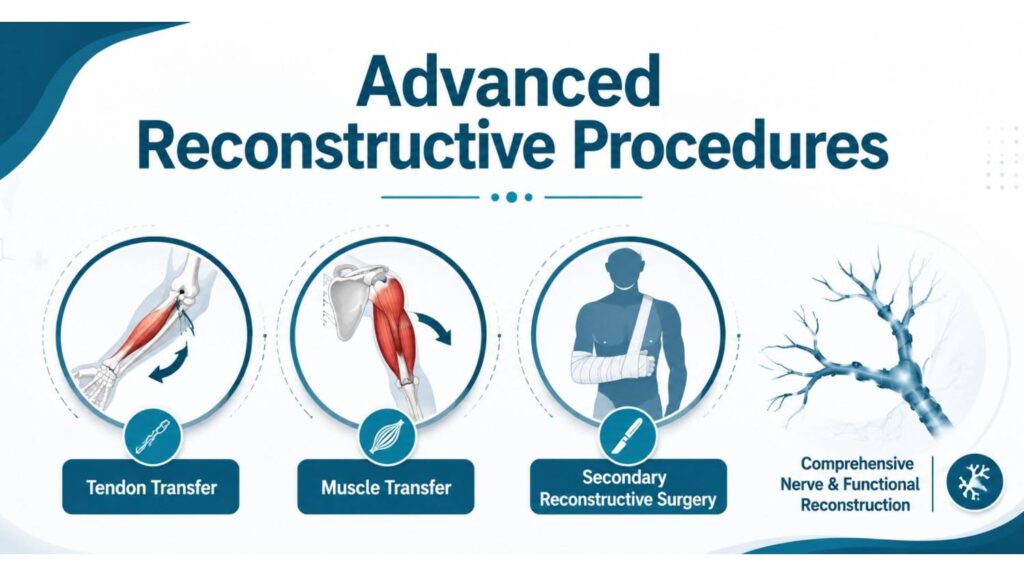
Surgical Management
When spontaneous recovery is unlikely, surgery may be recommended to restore function.
Common microsurgical procedures include:
Nerve Repair
Direct reconnection of healthy nerve ends whenever feasible.
Nerve Grafting
Healthy donor nerves are used to bridge damaged segments when direct repair is not possible.
Nerve Transfer
Healthy functioning nerves are redirected to restore movement in affected muscles.
Nerve Decompression
Pressure on compressed nerves is relieved to improve nerve function.
These advanced procedures form an important part of Brachial Plexus Injury Treatment in Thrissur for suitable patients.
Recovery After Treatment
Recovery following brachial plexus surgery takes time because nerves regenerate slowly.
Recovery generally includes:
- Structured physiotherapy
- Occupational therapy
- Regular follow-up assessments
- Muscle re-education exercises
- Pain management
- Functional rehabilitation
Many patients notice gradual improvements over several months, while complete recovery may continue for one to two years depending on the severity of the injury.
Following rehabilitation protocols is an important part of successful Brachial Plexus Injury Treatment in Thrissur.
Why Early Treatment Matters
Delaying treatment can reduce the chances of successful nerve recovery. Muscles that remain disconnected from their nerves for prolonged periods may undergo irreversible changes.
Seeking Brachial Plexus Injury Treatment in Thrissur at the earliest opportunity offers several potential advantages:
- Better nerve regeneration
- Improved muscle recovery
- Greater functional improvement
- Reduced disability
- Enhanced quality of life
- Improved long-term outcomes
Prompt evaluation allows timely planning of the most appropriate treatment pathway.
Conclusion
Brachial plexus injuries can have a significant impact on daily life, affecting movement, strength, and independence. However, with timely diagnosis, advanced microsurgical techniques, and a structured rehabilitation program, many patients can achieve meaningful functional recovery. The most appropriate treatment depends on the type of injury, its severity, and how soon medical care is received.
If you are considering Brachial Plexus Injury Treatment in Thrissur, early evaluation is essential to determine the best course of action and improve long-term outcomes. Understanding your treatment options and following a personalized rehabilitation plan can make a substantial difference in restoring upper limb function and quality of life.
To learn more about brachial plexus injuries and their management, you can refer to the educational resources available from AAOS OrthoInfo – Brachial Plexus Injuries.
Table of Contents
Brachial Plexus Surgery in Thrissur
Read more about Brachial Plexus Surgery.
Best Treatment for Brachial Plexus Injury in Thrissur
Read more about the best treatment for Brachial Plexus Injury.
Nerve Transfer Surgery for Brachial Plexus in Thrissur
Read more about Nerve Transfer Surgery for Brachial Plexus.
Nerve Grafting for Brachial Plexus Injury in Thrissur
Read more about Nerve Grafting for Brachial Plexus.
Adult Brachial Plexus Injury Treatment in Thrissur
Read more about Adult Brachial Plexus Injury Treatment.
Birth Brachial Plexus Injury (Erb's Palsy) Treatment in Thrissur
Frequently Asked Questions
What is a brachial plexus injury?
Who needs Brachial Plexus Injury Treatment in Thrissur?
What causes brachial plexus injuries?
How is a brachial plexus injury diagnosed?
Can brachial plexus injuries heal without surgery?
What surgical procedures are used to treat brachial plexus injuries?
How long does recovery take after brachial plexus surgery?
Is physiotherapy necessary after Brachial Plexus Injury Treatment in Thrissur?
Can children with Erb's Palsy benefit from early treatment?
Why is early treatment important for brachial plexus injuries?
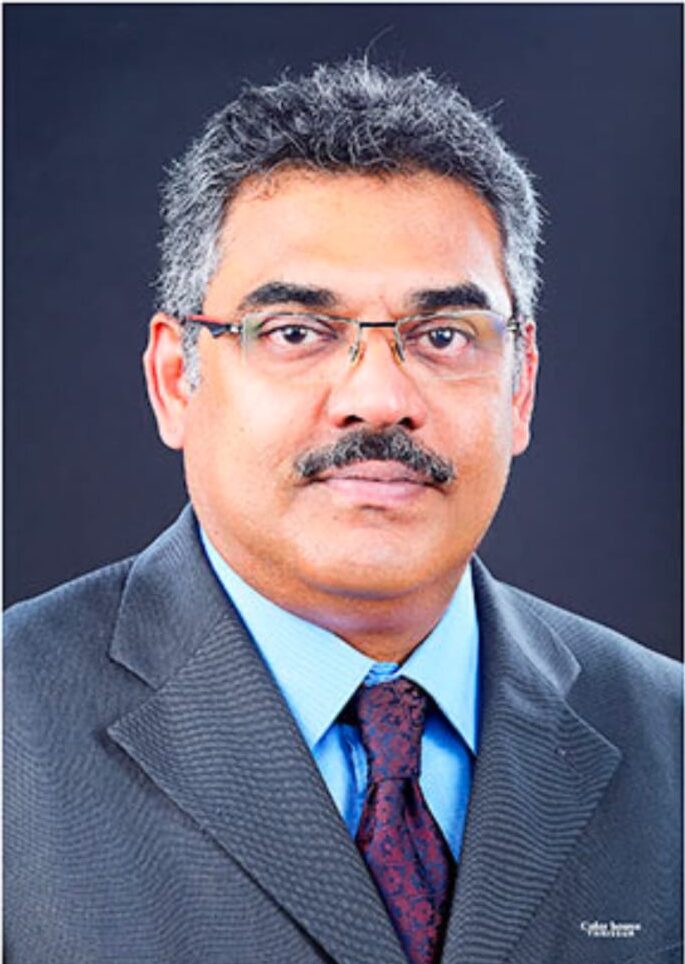
Dr. Pradeep Kumar
Plastic & Reconstructive Surgeon – Brachial Plexus & Nerve Surgery Specialist
Dr. Pradeep Kumar is an experienced plastic and reconstructive surgeon known for his expertise in brachial plexus and peripheral nerve surgery. With extensive microsurgical experience, he focuses on restoring movement and function for patients with complex nerve injuries.
Sushrutha Institute of Plastic Surgery, Elite Mission Hospital, Thrissur