Nerve Grafting for Brachial Plexus Injury in Thrissur: Advanced Nerve Reconstruction for Functional Recovery
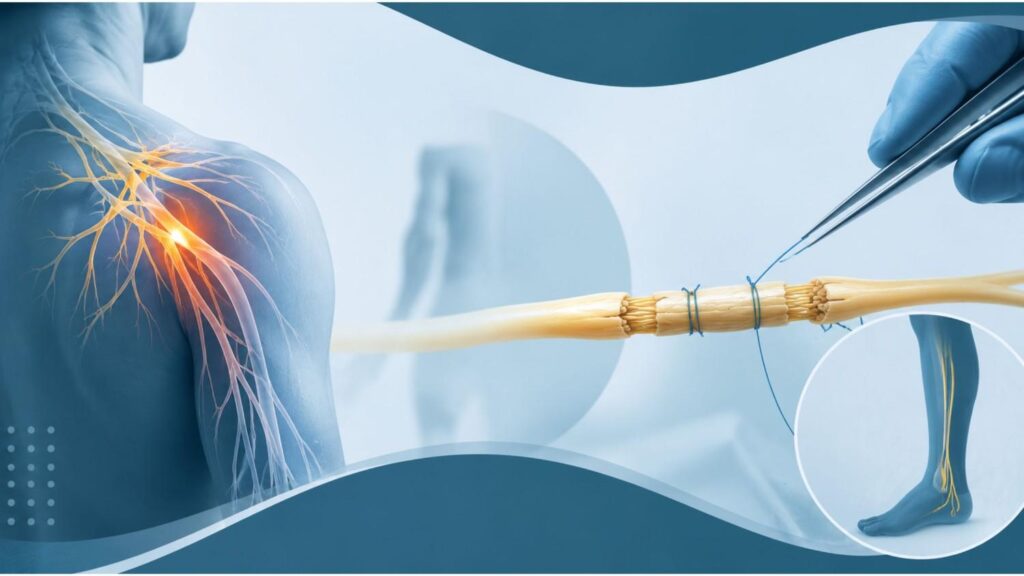
A brachial plexus injury can cause significant weakness, numbness, pain, or paralysis of the shoulder, arm, and hand. When the damaged nerve ends cannot be directly reconnected because of tissue loss or severe injury, Nerve Grafting for Brachial Plexus Injury in Thrissur offers an advanced microsurgical solution to bridge the gap and promote nerve regeneration. Using healthy donor nerves, nerve grafting helps restore communication between the brain and affected muscles, improving the chances of regaining movement and sensation.
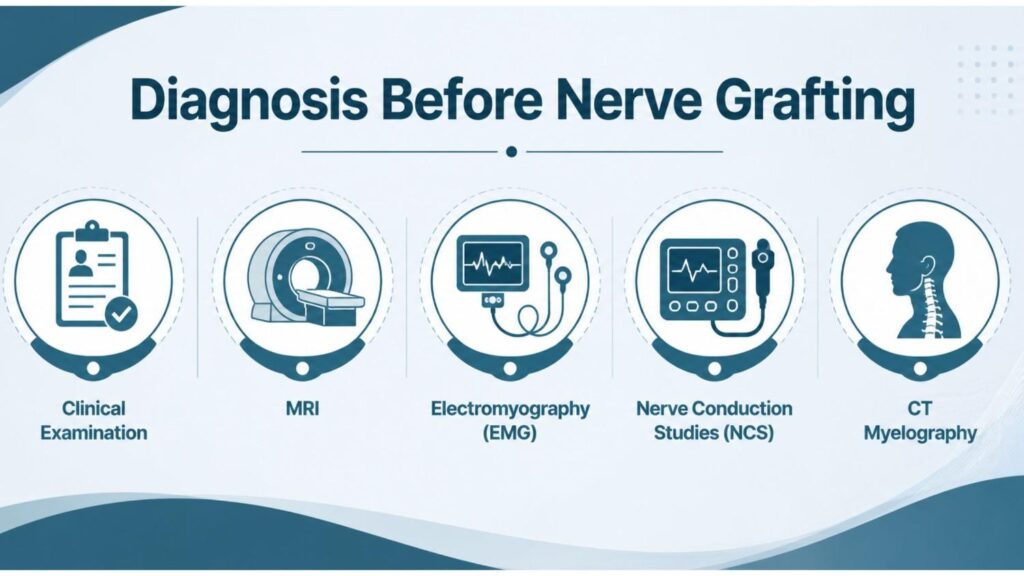
Choosing Nerve Grafting for Brachial Plexus Injury in Thrissur begins with a detailed clinical evaluation and advanced diagnostic investigations. Every injury is unique, and treatment depends on the location, severity, and duration of nerve damage. Combined with structured rehabilitation and long-term follow-up, nerve grafting has become an important reconstructive option for patients with complex brachial plexus injuries who require specialized nerve repair.
What Is Nerve Grafting?
Nerve grafting is a microsurgical procedure used to repair damaged nerves when the two ends of the injured nerve cannot be directly joined together.
In severe brachial plexus injuries, part of the nerve may be destroyed, stretched beyond repair, or missing completely. In these situations, simply reconnecting the nerve ends is not possible. A healthy donor nerve is therefore used to bridge the gap, creating a pathway that allows new nerve fibers to grow toward the muscles they once controlled.
Modern microsurgical techniques have made Nerve Grafting for Brachial Plexus Injury in Thrissur an important treatment option for carefully selected patients with complex nerve injuries.
When Is Nerve Grafting Recommended?
Not every brachial plexus injury requires nerve grafting.
The procedure may be recommended when:
- A nerve has ruptured.
- A gap exists between the damaged nerve ends.
- Direct nerve repair cannot be performed without tension.
- Healthy muscles still have the potential to recover.
- Early evaluation suggests that nerve grafting offers the best opportunity for functional restoration.
Specialists determine whether Nerve Grafting for Brachial Plexus Injury in Thrissur is appropriate after evaluating the injury pattern, muscle function, imaging findings, and nerve studies.
How Nerve Grafting Works
Nerve grafting creates a biological bridge between two damaged nerve ends.
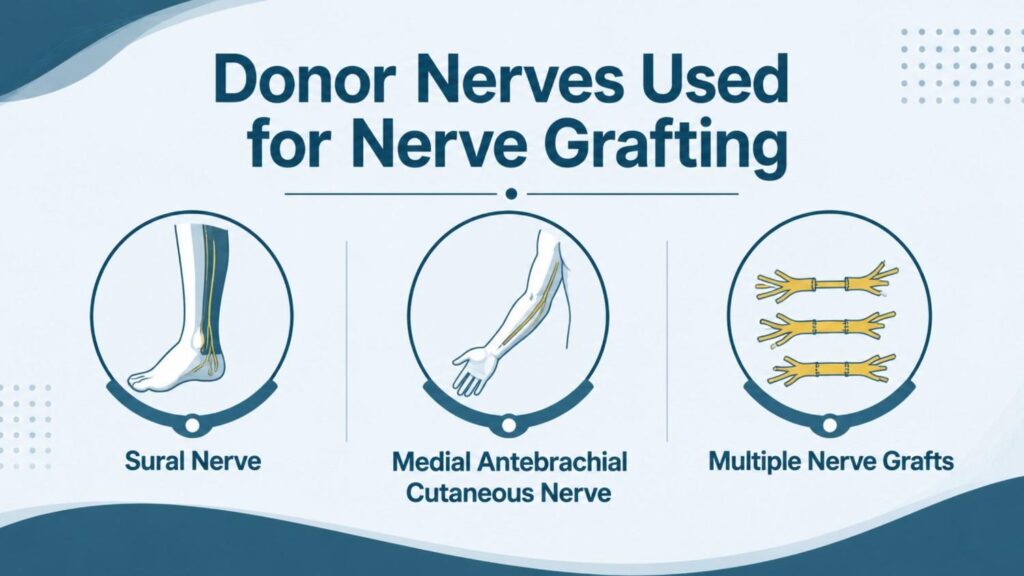
During surgery, a healthy sensory nerve from another part of the body is carefully harvested and divided into small segments of the required length.
These grafts are then positioned between the damaged nerve ends and connected using delicate microsurgical sutures under a high-powered operating microscope.
Over time, new nerve fibers gradually grow through the graft toward the target muscles.
Although regeneration occurs slowly, the graft provides an essential pathway that supports nerve healing and functional recovery.
The success of Nerve Grafting for Brachial Plexus Injury in Thrissur depends on accurate surgical planning, meticulous microsurgical technique, and comprehensive postoperative rehabilitation.
Common Conditions Treated with Nerve Grafting
Nerve grafting may be recommended for several brachial plexus conditions depending on the location and severity of nerve damage.
Adult Traumatic Brachial Plexus Injury
Motorcycle accidents, road traffic collisions, industrial trauma, and falls can rupture brachial plexus nerves, creating defects that require nerve graft reconstruction.
Upper Brachial Plexus Injury
Patients with injuries affecting shoulder movement and elbow flexion may benefit from nerve grafting when direct repair is not feasible.
Total Brachial Plexus Injury
Complex injuries involving multiple nerve roots may require extensive nerve graft reconstruction as part of an individualized treatment strategy.
Birth-Related Brachial Plexus Injury
Children with persistent weakness due to severe birth-related brachial plexus injuries may require nerve grafting when spontaneous recovery is inadequate.
Brachial Plexus Neuromas
Scar tissue and neuroma formation following nerve injuries may require surgical removal followed by nerve graft reconstruction to restore nerve continuity.
Patients with these conditions may be candidates for Nerve Grafting for Brachial Plexus Injury in Thrissur after comprehensive evaluation.
Benefits of Nerve Grafting
Nerve grafting offers several potential advantages when performed in appropriate patients.
Benefits may include:
- Restoration of nerve continuity
- Improved nerve regeneration
- Better muscle activation
- Recovery of shoulder movement
- Improved elbow function
- Enhanced upper limb strength
- Better sensory recovery
- Improved independence
- Increased quality of life
While outcomes vary according to the severity of the injury and the timing of surgery, Nerve Grafting for Brachial Plexus Injury in Thrissur provides an important opportunity to restore upper limb function following severe nerve damage.
The Nerve Grafting Procedure
Nerve grafting is a highly specialized microsurgical procedure performed under general anesthesia. The primary objective is to bridge the gap between damaged nerve ends and provide a pathway for new nerve fibers to regenerate toward the affected muscles.
During surgery, the damaged portion of the nerve is carefully identified and any scar tissue or unhealthy nerve tissue is removed. Once healthy nerve ends are exposed, the surgeon measures the gap that must be reconstructed.
A suitable donor nerve is then harvested and divided into grafts of the required length before being connected to both ends of the injured nerve using extremely fine microsurgical sutures under a high-powered operating microscope.
The procedure is planned individually for every patient, ensuring that Nerve Grafting for Brachial Plexus Injury in Thrissur is tailored to the specific pattern and severity of nerve damage.
Risks and Possible Complications
Like every surgical procedure, nerve grafting involves certain risks.
However, careful surgical planning and modern microsurgical techniques help reduce the likelihood of complications.
Possible risks include:
- Infection
- Bleeding
- Swelling
- Scar formation
- Delayed wound healing
- Temporary numbness at the donor nerve site
- Incomplete nerve regeneration
- Persistent muscle weakness
- Limited functional recovery in severe injuries
Patients receive detailed counseling regarding expected recovery, possible outcomes, and rehabilitation before undergoing Nerve Grafting for Brachial Plexus Injury in Thrissur.
Recovery After Nerve Grafting Surgery
Recovery following nerve grafting is gradual because nerves regenerate slowly.
The newly growing nerve fibers must travel through the graft before reaching the target muscles. As a result, improvement usually occurs over several months rather than immediately after surgery.
Recovery depends on several factors, including:
- Severity of the injury
- Length of the nerve graft
- Distance to the target muscles
- Patient’s age
- Overall health
- Commitment to rehabilitation
Patients undergoing Nerve Grafting for Brachial Plexus Injury in Thrissur should understand that patience and consistent rehabilitation play a vital role in achieving the best possible outcome.
Early Recovery
The first few weeks after surgery focus on protecting the reconstructed nerves while allowing the surgical wounds to heal.
During this stage, patients are advised to:
- Follow postoperative instructions carefully
- Protect the operated limb
- Manage pain appropriately
- Attend scheduled follow-up visits
- Begin gentle range-of-motion exercises when recommended
Preventing joint stiffness during this period is an important part of recovery.
Intermediate Recovery
As nerve regeneration progresses, rehabilitation becomes more intensive.
Patients gradually begin exercises that promote:
- Muscle activation
- Joint mobility
- Improved coordination
- Functional movement
- Strength development
Progress varies from person to person, and regular assessment helps guide the rehabilitation program.
Long-Term Recovery
Nerve regeneration continues over an extended period.
Many patients continue to notice gradual improvements for one to two years following surgery.
The final outcome depends on:
- Quality of nerve regeneration
- Muscle health
- Rehabilitation participation
- Severity of the original injury
- Timeliness of treatment
Long-term follow-up remains an important component of Nerve Grafting for Brachial Plexus Injury in Thrissur.
Physiotherapy After Nerve Grafting
Physiotherapy plays an essential role throughout recovery.
A personalized rehabilitation program helps patients maintain flexibility, improve muscle strength, and gradually retrain muscles as nerve signals return.
Physiotherapy may include:
- Passive and active range-of-motion exercises
- Muscle strengthening
- Stretching exercises
- Functional movement training
- Shoulder stabilization exercises
- Hand and wrist mobility exercises
- Postural correction
Regular physiotherapy supports the success of Nerve Grafting for Brachial Plexus Injury in Thrissur by promoting better functional recovery and reducing stiffness.
Occupational Therapy
Occupational therapy focuses on helping patients regain independence during everyday activities.
Therapists develop individualized programs that improve:
- Fine motor coordination
- Hand function
- Grip activities
- Daily self-care tasks
- Workplace adaptations when necessary
- Functional arm use
As recovery progresses, occupational therapy enables patients to return more confidently to their daily routines.
Long-Term Follow-up
Recovery from brachial plexus reconstruction requires regular monitoring.
Follow-up appointments help specialists evaluate:
- Nerve regeneration
- Muscle recovery
- Joint mobility
- Functional improvement
- Rehabilitation progress
- Need for additional reconstructive procedures
Treatment plans may be modified as recovery continues to maximize upper limb function.
Through ongoing assessment, rehabilitation, and personalized care, Nerve Grafting for Brachial Plexus Injury in Thrissur aims to restore movement, improve strength, and enhance long-term quality of life following complex brachial plexus injuries.
Factors That Influence the Success of Nerve Grafting
Several factors affect the success of nerve grafting and the overall recovery following brachial plexus reconstruction.
Severity of the Injury
The extent of nerve damage influences the chances of successful nerve regeneration and functional recovery.
Time Between Injury and Surgery
Early surgical treatment improves the likelihood of better nerve healing and muscle recovery.
Length of the Nerve Graft
Longer nerve grafts require more time for regenerating nerve fibers to reach the target muscles.
Age of the Patient
Younger patients often experience better nerve regeneration, though positive outcomes are possible across all age groups.
Overall Health
Good general health supports wound healing, nerve regeneration, and postoperative recovery.
Rehabilitation Commitment
Regular physiotherapy and occupational therapy are essential for restoring strength, movement, and upper limb function.
Why Early Nerve Grafting Matters
Time plays a critical role in brachial plexus reconstruction.
Following a severe nerve injury, muscles gradually lose their ability to respond if they remain without nerve supply for a prolonged period. Although nerve grafting restores continuity between damaged nerves, delayed intervention may reduce the muscles’ capacity to recover fully.
Early assessment allows specialists to:
- Identify the extent of nerve damage
- Determine whether nerve grafting is appropriate
- Preserve muscle function
- Improve the chances of successful nerve regeneration
- Reduce long-term disability
- Plan individualized treatment strategies
Seeking timely evaluation for Nerve Grafting for Brachial Plexus Injury in Thrissur provides the greatest opportunity for restoring shoulder, arm, and hand function.
Why Choose Specialized Brachial Plexus Care?
Brachial plexus reconstruction requires advanced microsurgical expertise, detailed anatomical knowledge, accurate diagnosis, and structured rehabilitation.
Specialized care provides:
- Comprehensive neurological assessment
- Advanced imaging and nerve studies
- Personalized surgical planning
- Modern microsurgical nerve reconstruction
- Structured physiotherapy programs
- Occupational therapy
- Long-term follow-up
- Functional recovery-focused care
Patients undergoing Nerve Grafting for Brachial Plexus Injury in Thrissur benefit from a multidisciplinary approach that addresses every stage of treatment, from diagnosis to rehabilitation and long-term recovery.
For a broader understanding of available treatment options, visit our page on Brachial Plexus Injury Treatment.
Conclusion
Nerve grafting is an advanced microsurgical technique that plays a vital role in reconstructing damaged brachial plexus nerves when direct nerve repair is not possible. By bridging gaps between injured nerves, nerve grafting creates the foundation for nerve regeneration and functional recovery. Combined with accurate diagnosis, personalized surgical planning, and comprehensive rehabilitation, this procedure offers many patients the opportunity to regain upper limb movement, improve strength, and restore independence.
If you are considering Nerve Grafting for Brachial Plexus Injury in Thrissur, early evaluation and timely treatment are essential for achieving the best possible outcome. A thorough clinical assessment helps determine whether nerve grafting is the most appropriate reconstructive option based on the pattern and severity of the injury, allowing for a treatment plan focused on long-term recovery and improved quality of life.
For additional information about brachial plexus injuries, nerve grafting, and available treatment options, visit the Cleveland Clinic’s guide on Brachial Plexus Injuries.
Frequently Asked Questions
What is nerve grafting for brachial plexus injuries?
Who may need Nerve Grafting for Brachial Plexus Injury in Thrissur?
What donor nerve is commonly used for nerve grafting?
Is nerve grafting different from nerve transfer surgery?
How long does nerve regeneration take after nerve grafting?
Will I need physiotherapy after nerve grafting?
Can children undergo nerve grafting?
What tests are performed before nerve grafting?
Is complete recovery possible after nerve grafting?
Why is early treatment important for brachial plexus injuries?
Dr. Pradeep Kumar
Plastic & Reconstructive Surgeon – Brachial Plexus & Nerve Surgery Specialist
Dr. Pradeep Kumar is an experienced plastic and reconstructive surgeon known for his expertise in brachial plexus and peripheral nerve surgery. With extensive microsurgical experience, he focuses on restoring movement and function for patients with complex nerve injuries.
Sushrutha Institute of Plastic Surgery, Elite Mission Hospital, Thrissur