Best Treatment for Brachial Plexus Injury in Thrissur: Advanced Care for Nerve Recovery
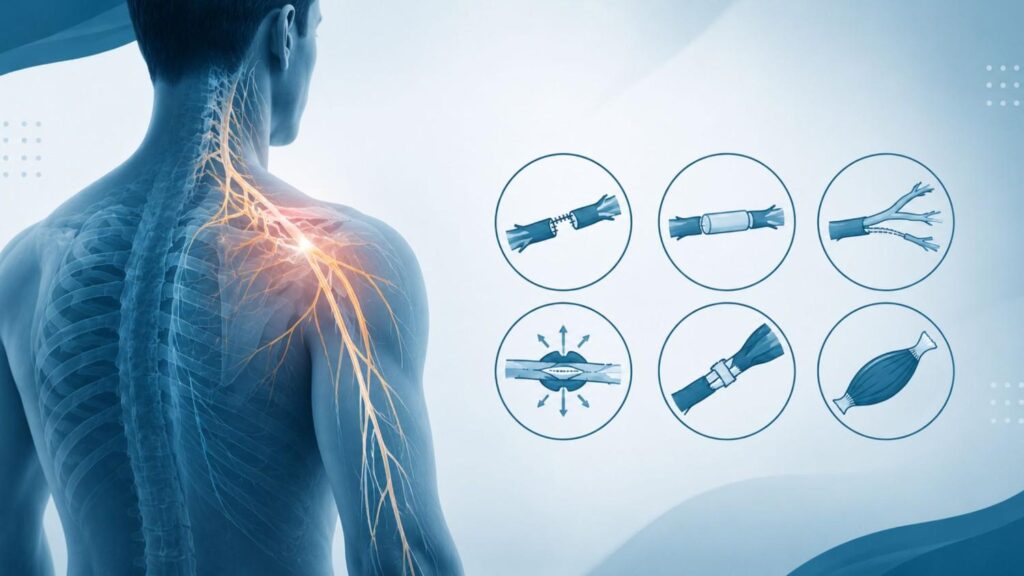
A brachial plexus injury can significantly affect a person’s ability to perform even simple daily activities. The brachial plexus is a complex network of nerves that controls movement and sensation in the shoulder, arm, forearm, and hand. When these nerves are stretched, compressed, torn, or avulsed, patients may experience weakness, numbness, severe pain, or complete loss of function in the affected limb. Choosing the Best Treatment for Brachial Plexus Injury in Thrissur begins with an accurate diagnosis and an individualized treatment plan tailored to the severity of the injury.
The Best Treatment for Brachial Plexus Injury in Thrissur combines advanced diagnostic techniques, microsurgical expertise, nerve reconstruction, structured rehabilitation, and long-term follow-up. Every brachial plexus injury is unique, and treatment depends on several factors, including the type of injury, the patient’s age, the cause of the injury, and the time elapsed since the injury occurred. Early evaluation and timely intervention can greatly improve the chances of restoring movement, strength, and function.
Understanding Brachial Plexus Injuries
The brachial plexus is a network of nerves that originates from the cervical spinal cord and extends into the shoulder, arm, forearm, and hand. These nerves carry signals between the brain and the muscles while also providing sensation throughout the upper limb.
An injury to this nerve network may interrupt communication between the brain and the muscles, making it difficult or impossible to move the arm normally. Depending on the severity of the injury, symptoms may range from temporary numbness to complete paralysis.
Patients seeking the Best Treatment for Brachial Plexus Injury in Thrissur benefit from comprehensive assessment to determine the exact location and extent of nerve damage before deciding on the most appropriate treatment approach.
Common Causes of Brachial Plexus Injuries
Brachial plexus injuries may occur due to several traumatic and non-traumatic conditions.
1) Road Traffic Accidents
Motorcycle and high-speed vehicle accidents remain one of the leading causes of severe brachial plexus injuries. Sudden force applied to the neck and shoulder can stretch or tear the nerves.
2) Sports Injuries
Contact sports, high-impact athletic activities, and falls during sports can lead to varying degrees of nerve damage.
3) Workplace Injuries
Industrial accidents involving heavy machinery or falls from height may result in serious nerve injuries requiring specialized treatment.
4) Birth Injuries
Difficult childbirth can occasionally stretch the baby’s brachial plexus nerves, resulting in Erb’s Palsy or Total Brachial Plexus Birth Palsy.
5) Penetrating Trauma
Knife injuries, glass injuries, or other penetrating wounds can directly damage the brachial plexus.
6) Tumours
Benign and malignant tumours affecting the brachial plexus may compress or infiltrate nerves, requiring specialized management.
Determining the cause is an important step in planning the Best Treatment for Brachial Plexus Injury in Thrissur.
Symptoms That Should Not Be Ignored
The symptoms vary depending on which nerves are affected and the severity of the injury.
Common symptoms include:
- Sudden weakness in the shoulder or arm
- Inability to lift the shoulder
- Difficulty bending the elbow
- Weak grip strength
- Numbness in the arm or hand
- Tingling sensations
- Burning nerve pain
- Muscle wasting
- Loss of coordination
- Complete paralysis of the upper limb
Persistent symptoms following trauma should never be ignored. Early evaluation allows specialists to determine the Best Treatment for Brachial Plexus Injury in Thrissur before permanent muscle changes occur.
Why Early Diagnosis Matters
Time is one of the most important factors in successful brachial plexus treatment.
After a nerve injury, muscles continue to survive for only a limited period without nerve stimulation. Delayed treatment may reduce the ability of these muscles to recover, even if nerve reconstruction is performed later.
Early diagnosis allows specialists to:
- Identify the exact location of nerve damage
- Determine whether spontaneous recovery is possible
- Decide whether surgery is required
- Plan the most appropriate treatment strategy
- Begin rehabilitation early
- Improve long-term functional outcomes
Patients who receive the Best Treatment for Brachial Plexus Injury in Thrissur soon after injury often have greater opportunities for meaningful recovery.
Best Treatment for Brachial Plexus Injury in Thrissur
There is no single treatment suitable for every patient. Instead, treatment is carefully planned according to:
- Type of nerve injury
- Severity of damage
- Patient’s age
- Cause of injury
- Time since injury
- Overall health
- Functional goals
Treatment usually begins with a comprehensive clinical assessment followed by advanced investigations.
These may include:
- Detailed neurological examination
- Muscle strength assessment
- MRI
- CT Myelography when required
- Electromyography (EMG)
- Nerve Conduction Studies (NCS)
- Functional assessment of shoulder, elbow, wrist, and hand movements
After reviewing these findings, a personalized treatment plan is developed to provide the Best Treatment for Brachial Plexus Injury in Thrissur for each individual.
Conservative Treatment Options
Not every brachial plexus injury requires surgery. Mild stretch injuries and certain compression injuries may recover with appropriate non-surgical management. Before recommending surgery, specialists carefully evaluate whether the nerves have the potential to heal naturally.
Conservative treatment may include:
- Regular clinical follow-up
- Physiotherapy
- Occupational therapy
- Pain management
- Range-of-motion exercises
- Muscle strengthening
- Splinting when required
- Functional rehabilitation
Patients undergoing conservative management are monitored closely to assess nerve recovery. If there is insufficient improvement over time, advanced surgical procedures may be considered to provide the Best Treatment for Brachial Plexus Injury in Thrissur.
Rehabilitation After Treatment
Successful recovery extends well beyond surgery.
Rehabilitation is one of the most important components of the Best Treatment for Brachial Plexus Injury in Thrissur because newly regenerating nerves require continuous muscle training and functional re-education.
A comprehensive rehabilitation program may include:
Physiotherapy
Physiotherapists guide patients through exercises that help:
- Prevent joint stiffness
- Maintain flexibility
- Improve muscle strength
- Restore coordinated movement
- Reduce pain
Regular therapy supports gradual improvement as nerves regenerate.
Occupational Therapy
Occupational therapy focuses on helping patients regain independence during everyday activities.
Therapists assist patients with:
- Hand function training
- Fine motor coordination
- Adaptive techniques
- Functional arm use
- Daily living activities
These interventions improve confidence while recovery progresses.
Long-Term Follow-up
Recovery from brachial plexus injuries is gradual.
Regular follow-up appointments allow specialists to:
- Monitor nerve regeneration
- Assess muscle recovery
- Modify rehabilitation programs
- Identify any additional treatment needs
- Optimize long-term functional outcomes
Many patients continue to experience improvement for one to two years following treatment.
A combination of advanced surgical care, personalized rehabilitation, and continuous monitoring provides the Best Treatment for Brachial Plexus Injury in Thrissur and offers the greatest opportunity for restoring movement, strength, and independence after complex nerve injuries.
Factors That Influence Recovery
Every brachial plexus injury is different, and recovery depends on several medical and personal factors. While some patients regain excellent function with conservative treatment, others may require advanced microsurgical procedures followed by long-term rehabilitation.
The outcome of the Best Treatment for Brachial Plexus Injury in Thrissur depends on:
Severity of the Injury
Mild stretch injuries generally have a better prognosis than complete nerve ruptures or avulsions. The extent of nerve damage plays a significant role in determining the treatment plan and expected recovery.
Time to Treatment
Early diagnosis and timely intervention improve the chances of successful nerve regeneration. Delayed treatment may reduce the ability of muscles to recover because prolonged nerve damage can lead to irreversible muscle wasting.
Type of Nerve Injury
Whether the nerve is stretched, compressed, ruptured, or detached from the spinal cord influences the choice of treatment and the likelihood of recovery.
Patient’s Age
Younger patients often have a greater capacity for nerve regeneration, although successful outcomes can be achieved in patients of all age groups with appropriate treatment.
Rehabilitation Commitment
Consistent physiotherapy, occupational therapy, and regular follow-up appointments are essential for maximizing recovery after treatment.
Understanding these factors helps specialists develop the Best Treatment for Brachial Plexus Injury in Thrissur for each individual patient.
Why Choose Specialized Brachial Plexus Care?
Brachial plexus injuries are among the most complex nerve injuries affecting the upper limb. Their successful management requires advanced diagnostic evaluation, microsurgical expertise, comprehensive rehabilitation, and long-term monitoring.
Specialized care offers several advantages:
- Comprehensive clinical assessment
- Advanced imaging and nerve studies
- Personalized treatment planning
- Modern microsurgical techniques
- Nerve repair and reconstruction
- Structured physiotherapy programs
- Long-term functional rehabilitation
- Individualized follow-up care
Patients seeking the Best Treatment for Brachial Plexus Injury in Thrissur benefit from an integrated approach that focuses not only on repairing damaged nerves but also on restoring strength, movement, independence, and overall quality of life.
For a broader understanding of available treatment options, explore our guide on Brachial Plexus Injury Treatment.
Conclusion
Brachial plexus injuries can significantly affect upper limb movement, strength, and independence, but early diagnosis and individualized treatment can make a meaningful difference in recovery. Whether treatment involves conservative management, advanced microsurgical reconstruction, or comprehensive rehabilitation, selecting the right approach is essential for achieving the best possible functional outcome.
If you are looking for the Best Treatment for Brachial Plexus Injury in Thrissur, a comprehensive evaluation and personalized treatment plan can help determine the most suitable option based on the type and severity of your injury. With modern nerve reconstruction techniques, structured rehabilitation, and timely intervention, many patients can regain movement, improve strength, and return to their daily activities with greater confidence.
For additional information about brachial plexus injuries and current treatment approaches, visit the American Academy of Orthopaedic Surgeons (AAOS) OrthoInfo.
Frequently Asked Questions
What is the best treatment for a brachial plexus injury?
Who needs the Best Treatment for Brachial Plexus Injury in Thrissur?
Can brachial plexus injuries heal without surgery?
What surgical procedures are available for brachial plexus injuries?
How soon should treatment begin after a brachial plexus injury?
How long does recovery take after treatment?
Is physiotherapy necessary after treatment?
Can children with Erb's Palsy benefit from treatment?
What tests help diagnose brachial plexus injuries?
Why is early treatment important?
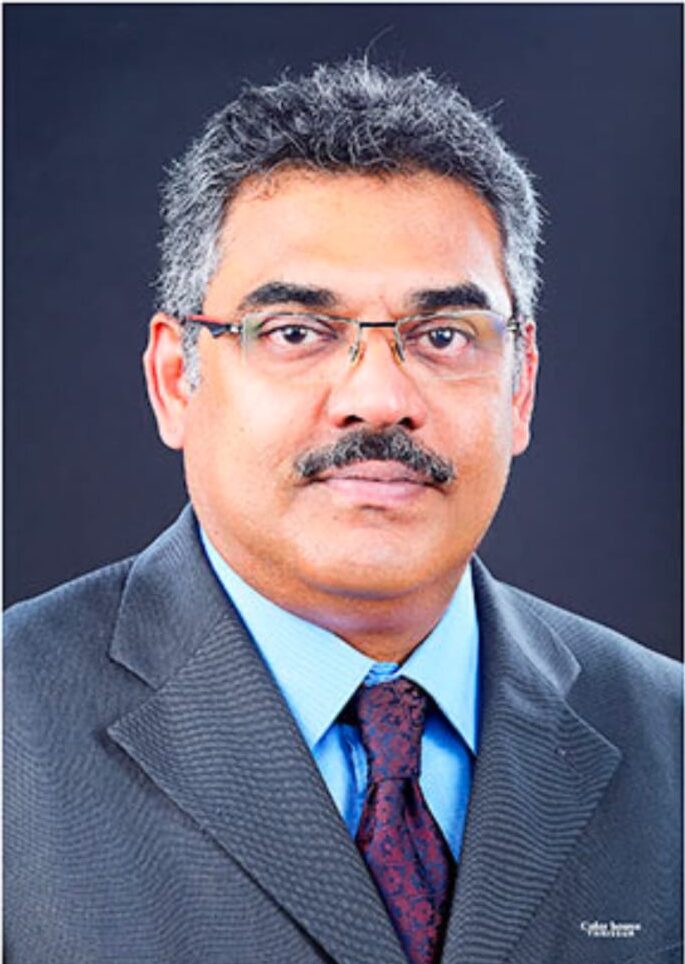
Dr. Pradeep Kumar
Plastic & Reconstructive Surgeon – Brachial Plexus & Nerve Surgery Specialist
Dr. Pradeep Kumar is an experienced plastic and reconstructive surgeon known for his expertise in brachial plexus and peripheral nerve surgery. With extensive microsurgical experience, he focuses on restoring movement and function for patients with complex nerve injuries.
Sushrutha Institute of Plastic Surgery, Elite Mission Hospital, Thrissur