Adult Brachial Plexus Injury Treatment in Thrissur: Comprehensive Care for Nerve Injury Recovery
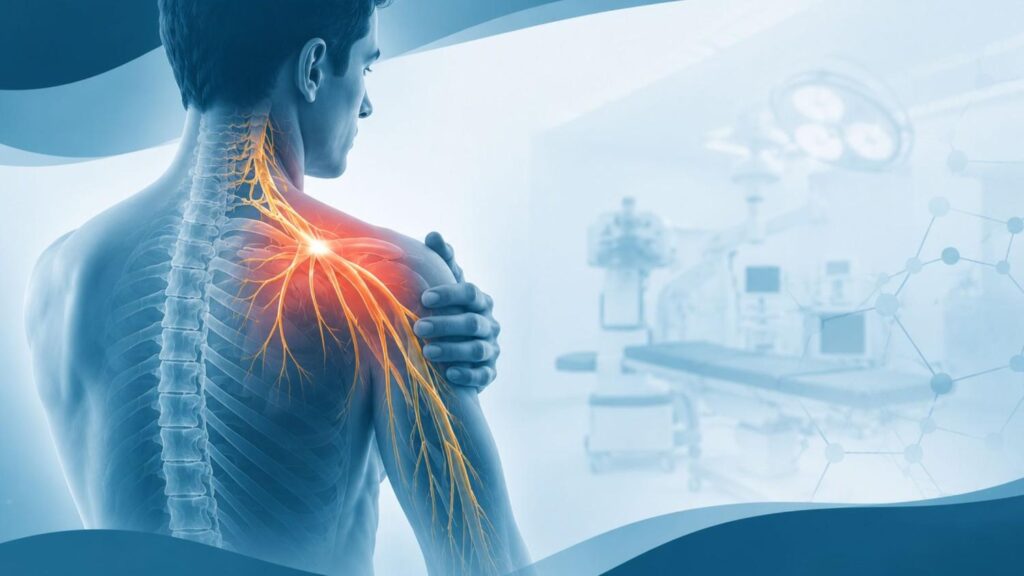
Adult brachial plexus injuries are complex nerve injuries that can significantly affect shoulder movement, arm strength, hand function, and overall quality of life. These injuries commonly occur after road traffic accidents, sports injuries, industrial trauma, or severe falls. Adult Brachial Plexus Injury Treatment in Thrissur focuses on accurate diagnosis, timely intervention, advanced microsurgical techniques, and structured rehabilitation to restore upper limb function and maximize recovery.
Choosing the right approach for Adult Brachial Plexus Injury Treatment in Thrissur depends on the severity of the injury, the nerves involved, and the time elapsed since the injury occurred. Some patients recover with conservative management, while others require advanced procedures such as nerve repair, nerve grafting, nerve transfer, or secondary reconstructive surgery. Early assessment remains one of the most important factors influencing successful treatment and long-term functional outcomes.
Understanding Adult Brachial Plexus Injuries
The brachial plexus is a complex network of nerves that originates from the neck and controls movement and sensation in the shoulder, arm, forearm, and hand.
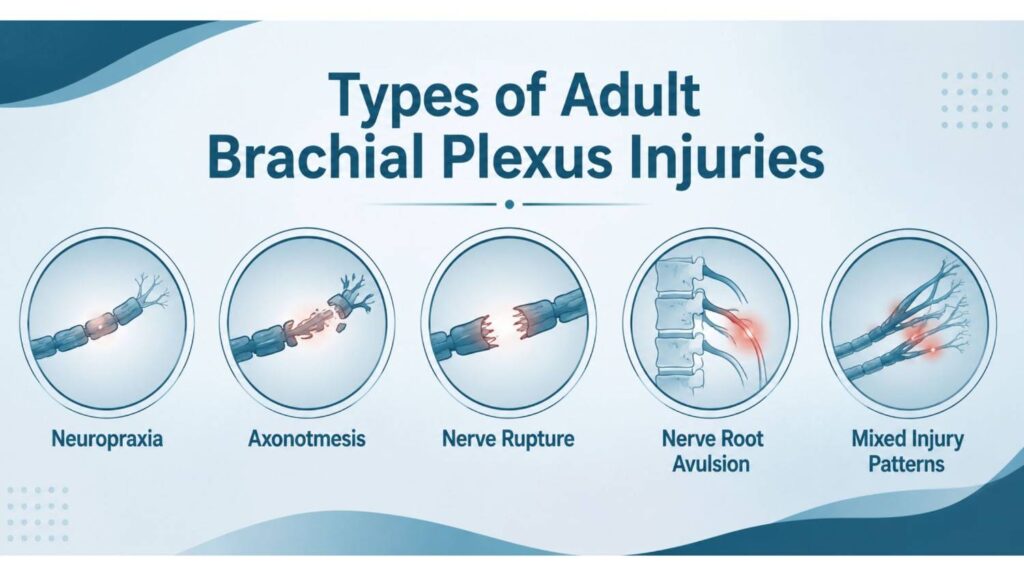
In adults, these nerves are commonly injured following high-impact trauma. Depending on the force involved, the nerves may be stretched, compressed, partially torn, completely ruptured, or pulled away from the spinal cord.
The severity of the injury determines the treatment approach and expected recovery. Early diagnosis plays a vital role in planning Adult Brachial Plexus Injury Treatment in Thrissur and improving functional outcomes.
Common Causes of Adult Brachial Plexus Injuries
Adult brachial plexus injuries usually result from severe trauma.
Common causes include:
Road Traffic Accidents
Motorcycle and motor vehicle accidents are among the leading causes of adult brachial plexus injuries. High-speed collisions can stretch or tear the nerve network supplying the upper limb.
Sports Injuries
Contact sports such as football, wrestling, rugby, and martial arts may cause brachial plexus injuries through sudden forceful traction or direct impact.
Industrial and Workplace Accidents
Heavy machinery, crush injuries, and workplace trauma can damage the brachial plexus, leading to weakness or paralysis of the affected arm.
Falls from Height
Falls involving significant force may injure the shoulder and neck region, causing varying degrees of brachial plexus damage.
Penetrating Trauma
Knife injuries, glass injuries, or other penetrating wounds may directly damage the brachial plexus nerves and require immediate surgical assessment.
Identifying the cause helps specialists determine the most appropriate Adult Brachial Plexus Injury Treatment in Thrissur.
Symptoms of Adult Brachial Plexus Injuries
Symptoms vary according to the nerves involved and the severity of the injury.
Common symptoms include:
- Shoulder weakness
- Arm weakness
- Difficulty bending the elbow
- Loss of hand function
- Numbness
- Tingling sensation
- Burning nerve pain
- Loss of muscle control
- Reduced grip strength
- Muscle wasting in longstanding injuries
- Partial or complete paralysis of the upper limb
Patients experiencing these symptoms after trauma should undergo immediate evaluation for Adult Brachial Plexus Injury Treatment in Thrissur.
Diagnosis of Adult Brachial Plexus Injuries
Accurate diagnosis is essential before beginning treatment.
Evaluation generally includes:
Clinical Examination
A detailed neurological examination assesses muscle strength, sensation, reflexes, and shoulder stability.
MRI
MRI provides detailed images of the brachial plexus, helping identify nerve injuries, scarring, and surrounding soft tissue damage.
Electromyography (EMG)
EMG measures muscle activity and helps determine the extent of nerve damage and ongoing nerve regeneration.
Nerve Conduction Studies (NCS)
NCS evaluate how effectively electrical signals travel through the peripheral nerves.
CT Myelography
When nerve root avulsion is suspected, CT myelography provides valuable information about spinal nerve injuries.
A comprehensive evaluation helps determine the most suitable Adult Brachial Plexus Injury Treatment in Thrissur for each individual patient.
Treatment Options for Adult Brachial Plexus Injuries
The treatment plan depends on the type of injury, the nerves involved, the severity of damage, and the time elapsed since the injury. Some patients recover with conservative management, while others require advanced microsurgical reconstruction.
A personalized treatment approach helps maximize the success of Adult Brachial Plexus Injury Treatment.
Conservative Treatment Options
Not every brachial plexus injury requires surgery.
Patients with mild stretch injuries or those showing early signs of spontaneous nerve recovery may be treated conservatively under close medical supervision.
Conservative management may include:
- Pain management
- Physiotherapy
- Occupational therapy
- Joint mobility exercises
- Muscle strengthening
- Regular neurological evaluation
- Activity modification
- Functional rehabilitation
Continuous monitoring helps determine whether recovery is progressing or if surgical intervention becomes necessary.
Advanced Surgical Treatment Options
Patients with severe brachial plexus injuries may require reconstructive surgery to restore upper limb function.
Nerve Repair
Damaged nerve ends are directly reconnected using microsurgical techniques when a tension-free repair is possible.
Nerve Grafting
Healthy donor nerves bridge gaps between damaged nerves, creating a pathway for nerve regeneration.
Nerve Transfer
Healthy functioning nerves are redirected to restore movement when the original nerves cannot be repaired.
Nerve Decompression
Pressure around compressed nerves is relieved to improve nerve function and support recovery.
Tendon Transfer
Healthy tendons are repositioned to restore movement when muscles cannot recover through nerve healing alone.
Muscle Transfer
Functional muscle transfer helps restore movement in patients with severe muscle loss following long-standing injuries.
Secondary Reconstructive Surgery
Additional procedures may improve shoulder stability, elbow movement, wrist position, hand function, and overall upper limb function after the initial surgery.
Recovery After Treatment
Recovery following brachial plexus treatment varies depending on the severity of the injury and the procedure performed.
Nerve regeneration occurs gradually, and meaningful improvements often require patience and consistent rehabilitation.
Most recovery occurs over several months, while continued improvement may be seen for one to two years.
Patients undergoing Adult Brachial Plexus Injury Treatment in Thrissur should understand that recovery is progressive and differs for every individual.
Early Recovery
The first stage of recovery focuses on protecting the repaired nerves and maintaining joint mobility.
Patients are encouraged to:
- Follow postoperative instructions
- Attend scheduled follow-up visits
- Perform prescribed exercises
- Protect the operated limb
- Prevent joint stiffness
Early rehabilitation creates the foundation for long-term recovery.
Intermediate Recovery
As nerve regeneration progresses, rehabilitation becomes more intensive.
Treatment focuses on:
- Muscle activation
- Improving coordination
- Restoring range of motion
- Functional movement training
- Progressive strengthening exercises
Regular assessments help modify rehabilitation according to the patient’s progress.
Long-Term Recovery
Recovery continues well beyond the initial months after treatment.
Many patients gradually regain additional movement, strength, and coordination over one to two years.
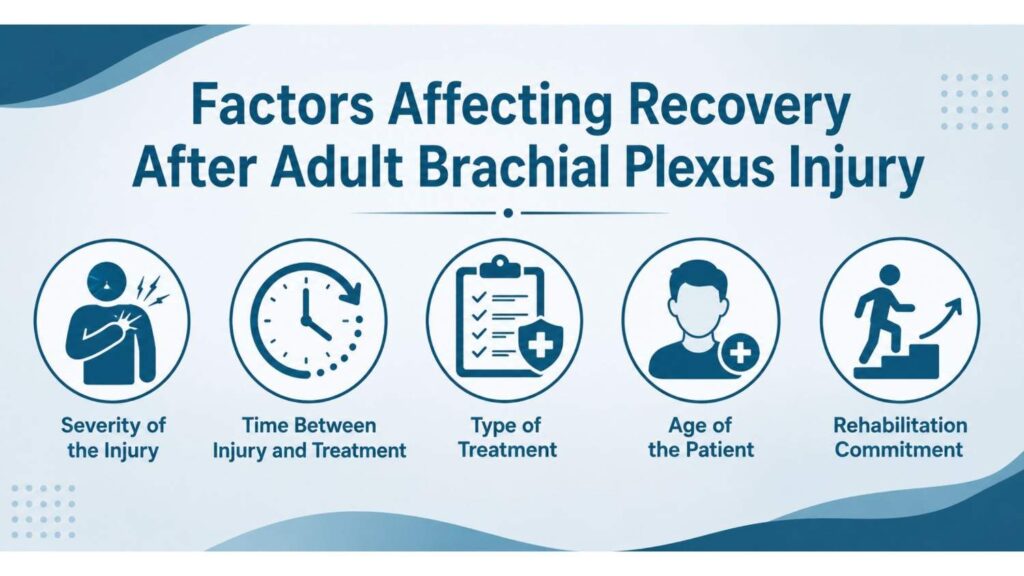
Long-term success depends on:
- Severity of the injury
- Type of treatment performed
- Timing of surgery
- Quality of nerve regeneration
- Participation in rehabilitation
Ongoing follow-up plays an important role in Adult Brachial Plexus Injury Treatment in Thrissur.
Physiotherapy
Physiotherapy is an essential part of recovery following both conservative and surgical treatment.
A structured rehabilitation program helps patients:
- Maintain joint flexibility
- Strengthen recovering muscles
- Prevent stiffness
- Improve posture
- Enhance shoulder stability
- Restore arm movement
- Improve coordination
- Maximize upper limb function
Individualized exercise programs are adjusted according to each stage of recovery.
Occupational Therapy
Occupational therapy focuses on improving a patient’s ability to perform daily activities independently.
Therapy may include:
- Hand function training
- Fine motor skill exercises
- Grip strengthening
- Adaptive techniques for daily tasks
- Workplace modifications
- Functional upper limb training
Combining occupational therapy with physiotherapy provides comprehensive rehabilitation and supports better long-term outcomes following Adult Brachial Plexus Injury Treatment in Thrissur.
Why Early Treatment Is Important
Prompt medical evaluation is one of the most important factors influencing recovery after an adult brachial plexus injury.
Delaying treatment may allow muscles to lose their nerve supply for an extended period, reducing their ability to recover even after successful nerve reconstruction.
Early treatment offers several advantages:
- Accurate diagnosis
- Timely surgical planning when required
- Better nerve regeneration
- Preservation of muscle function
- Reduced long-term disability
- Improved functional recovery
Patients experiencing weakness, numbness, or loss of movement following trauma should seek immediate evaluation for Adult Brachial Plexus Injury Treatment in Thrissur.
Why Choose Specialized Adult Brachial Plexus Care?
Adult brachial plexus injuries are among the most complex peripheral nerve injuries and require specialized evaluation and treatment.
Comprehensive care includes:
- Detailed neurological assessment
- Advanced imaging and nerve studies
- Personalized treatment planning
- Modern microsurgical reconstruction
- Structured physiotherapy
- Occupational therapy
- Long-term follow-up
- Functional rehabilitation
Patients undergoing Adult Brachial Plexus Injury Treatment in Thrissur benefit from a multidisciplinary approach that focuses on restoring shoulder, arm, and hand function while improving long-term quality of life.
For a broader understanding of treatment options, visit our page on Brachial Plexus Injury Treatment.
Conclusion
Adult brachial plexus injuries can significantly affect movement, strength, sensation, and independence. However, with timely diagnosis, individualized treatment, advanced microsurgical techniques, and structured rehabilitation, many patients achieve meaningful improvements in upper limb function. Whether treatment involves conservative management or complex nerve reconstruction, early intervention plays a vital role in maximizing recovery.
If you are considering Adult Brachial Plexus Injury Treatment in Thrissur, seeking early evaluation is the first step toward developing a personalized treatment plan based on the severity and pattern of your injury. A comprehensive approach that combines advanced diagnostics, specialized surgical techniques when required, and dedicated rehabilitation offers the best opportunity to restore function and improve quality of life.
For additional information about brachial plexus injuries and treatment options, visit the Cleveland Clinic Brachial Plexus Injury Guide.
Frequently Asked Questions
What causes adult brachial plexus injuries?
What are the symptoms of an adult brachial plexus injury?
Who needs Adult Brachial Plexus Injury Treatment in Thrissur?
Can adult brachial plexus injuries heal without surgery?
What surgical procedures are available for adult brachial plexus injuries?
How is an adult brachial plexus injury diagnosed?
How long does recovery take after treatment?
Is physiotherapy necessary after treatment?
Can I return to work after treatment?
Why is early treatment important?
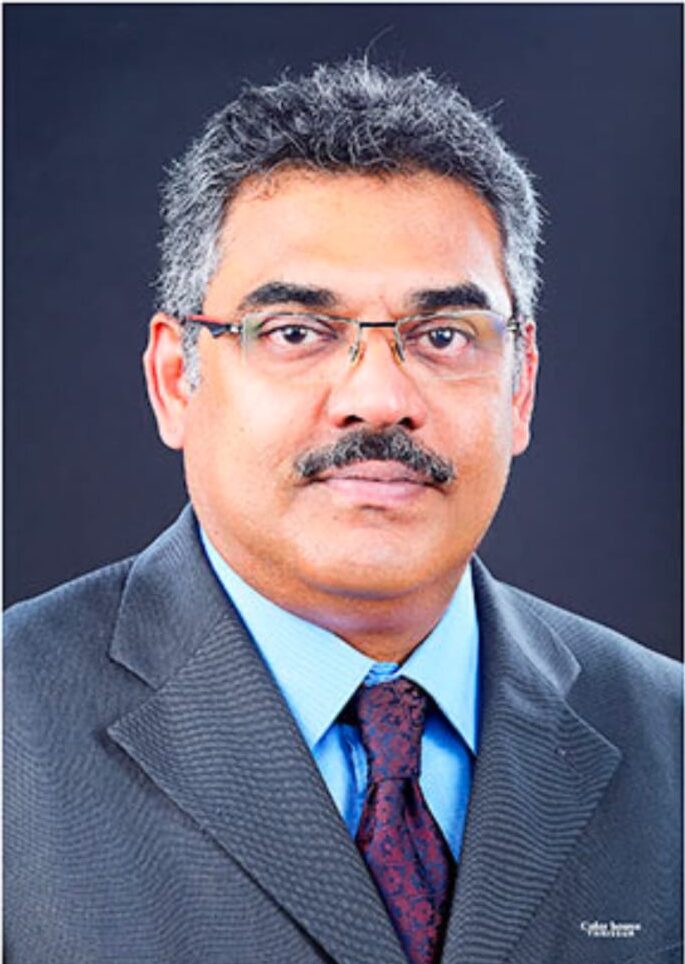
Dr. Pradeep Kumar
Plastic & Reconstructive Surgeon – Brachial Plexus & Nerve Surgery Specialist
Dr. Pradeep Kumar is an experienced plastic and reconstructive surgeon known for his expertise in brachial plexus and peripheral nerve surgery. With extensive microsurgical experience, he focuses on restoring movement and function for patients with complex nerve injuries.
Sushrutha Institute of Plastic Surgery, Elite Mission Hospital, Thrissur