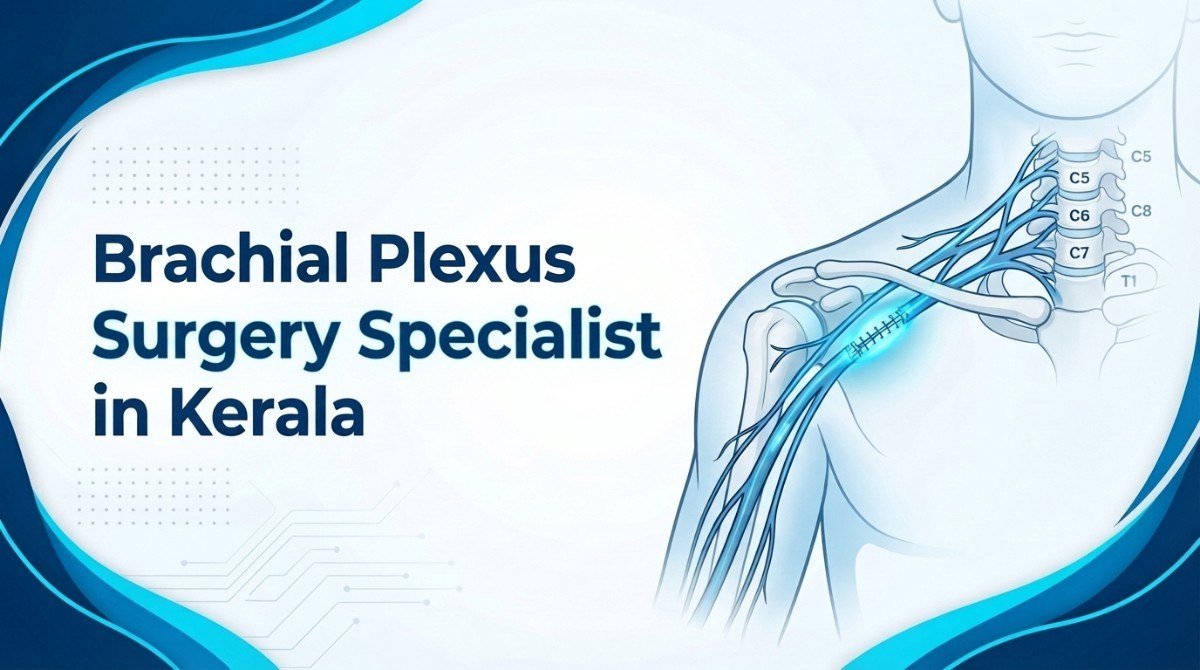
Brachial Plexus Surgery Specialist in Kerala: 7 Crucial Facts
A Brachial Plexus Surgery Specialist in Kerala evaluates complex nerve injuries affecting the connection between the neck, shoulder and arm and determines whether surgical treatment may help improve movement, strength or sensation. The brachial plexus is a network of nerves that carries signals between the spinal cord and the upper limb. When these nerves are severely stretched, torn or detached from their roots, normal arm function may be affected.
Not every brachial plexus injury requires surgery. Some nerve injuries may recover with observation, physiotherapy and other non-surgical care. However, when the nerve damage is unlikely to recover sufficiently on its own, surgical reconstruction may be considered. The procedure depends on the location and severity of the injury, the time elapsed since the injury and the muscles or functions that need attention.
Understanding the Role of Brachial Plexus Surgery
Brachial plexus surgery involves procedures intended to repair damaged nerves or restore nerve signals to affected muscles. The main aim is to improve useful upper-limb function where possible.
The brachial plexus contains nerve roots that arise from the lower cervical and upper thoracic spinal cord regions. These nerves travel through the neck and shoulder before supplying the arm and hand. Damage at different levels can affect different movements and sensations.
Depending on the injury, a person may experience difficulty lifting the shoulder, bending the elbow, rotating the arm, extending the wrist or moving the fingers. Severe injuries can affect several functions at once.
Surgical planning therefore involves identifying which nerve pathways are damaged and determining which functions may be suitable for reconstruction. The treatment plan is individualised rather than based on a single procedure for every patient.
When Is Brachial Plexus Surgery Considered?
Surgery may be considered when the affected nerves are unlikely to regain adequate function without intervention. The decision is based on clinical findings, investigation results, the pattern of nerve damage and the progress of recovery.
Situations in which surgical treatment may be evaluated include:
Complete nerve rupture: When a nerve has been torn and its continuity is disrupted.
Nerve root avulsion: When a nerve root is pulled away from its attachment to the spinal cord.
Open nerve injuries: When a penetrating injury or cut has directly damaged the nerve.
Persistent weakness: When muscle function does not recover adequately during the observation period.
Severe functional loss: When nerve damage significantly affects shoulder, elbow, wrist or hand movement.
Insufficient spontaneous recovery: When clinical follow-up and investigations indicate that natural recovery may not restore useful function.
Some open injuries or suspected nerve root avulsions may require early surgical assessment. In other cases, the treating team may monitor nerve recovery before deciding whether surgery is appropriate. The timing is important because prolonged loss of nerve supply can lead to changes in the affected muscles.
Types of Brachial Plexus Surgery
Different surgical techniques are used to address different patterns of brachial plexus damage. A specialist may recommend one procedure or a combination of techniques depending on the available healthy nerve pathways and the functional goals.
1. Direct Nerve Repair
Direct nerve repair may be considered when the two ends of a damaged nerve can be brought together without excessive tension.
During the procedure, the damaged ends are carefully prepared and connected using microsurgical techniques. The aim is to restore continuity so that regenerating nerve fibres can grow across the repair site.
This approach may be suitable for selected clean nerve cuts where the nerve ends are available and can be reconnected. It is not appropriate for every type of brachial plexus injury, particularly when the nerve has a substantial gap or the root has been detached from the spinal cord.
2. Nerve Grafting Surgery
Nerve grafting may be considered when a damaged section of nerve must be removed or when the two nerve ends cannot be directly connected.
A segment of healthy nerve is used to bridge the gap between the injured nerve ends. The graft provides a pathway through which regenerating nerve fibres may grow towards the affected muscles or sensory areas.
The nerve graft may be obtained from another part of the body, depending on the surgical plan. The choice of graft and the number of grafts required depend on the location and extent of the injury.
Nerve grafting is generally considered when suitable nerve ends are available for reconstruction. It may not be an option in certain root avulsion injuries where the proximal nerve connection is unavailable.
3. Nerve Transfer Surgery
Nerve transfer is a reconstructive procedure in which a functioning donor nerve, or a selected part of it, is connected to a damaged nerve pathway to restore signals to an affected muscle.
This technique may be considered when the original nerve cannot be repaired effectively or when a transfer offers a suitable route for restoring a specific movement.
For example, selected nerve transfers may be planned to address loss of elbow flexion or shoulder function. The donor nerve is chosen carefully to reduce the impact on the function it originally supplied.
Nerve transfers are particularly relevant in some severe brachial plexus injuries, including injuries involving nerve root avulsion. The procedure requires careful assessment of the available donor nerves, the target muscles and the expected functional benefit.
4. Neurolysis
Neurolysis is a procedure used to release a nerve from surrounding scar tissue or other structures that may be restricting it.
After an injury, scar tissue can develop around a nerve. In selected cases, this may interfere with nerve movement or function. During neurolysis, the surgeon carefully frees the affected nerve from the surrounding tissue.
The procedure may be considered when the nerve remains in continuity but is affected by scar-related compression or tethering. Its suitability depends on the condition of the nerve and the findings during evaluation.
5. Tendon Transfer Surgery
Tendon transfer may be considered when nerve reconstruction alone is unlikely to restore a particular movement or when the injury is longstanding.
During this procedure, a functioning tendon is repositioned and attached to a tendon associated with a movement that has been lost. The transferred tendon uses the power of a working muscle to help produce a different movement.
Tendon transfer does not repair the original brachial plexus nerve injury. Instead, it provides an alternative mechanical method of improving selected functions.
6. Functional Muscle Transfer
In certain complex or longstanding injuries, a functioning muscle from another part of the body may be transferred to help restore a specific movement.
A free functional muscle transfer involves moving muscle tissue along with its blood supply and nerve connection. The transferred structures are connected at the recipient site, and rehabilitation is required to develop the intended function.
This approach may be evaluated when conventional nerve reconstruction is not suitable or has not provided adequate functional recovery.
The choice between nerve reconstruction, tendon transfer and muscle transfer depends on several factors, including the time since injury, the condition of the affected muscles and the functions that remain available.
How Is the Appropriate Surgical Procedure Selected?
Selecting the right procedure requires more than identifying the presence of nerve damage. The surgeon must understand the injury pattern and consider which functions have the best potential for improvement.
Important considerations include:
Location of injury: Damage close to the spinal cord may require a different approach from an injury affecting more distant nerve segments.
Type of nerve damage: A nerve that remains in continuity may be managed differently from a complete rupture or avulsion.
Time since injury: The duration of muscle denervation can influence whether nerve reconstruction is suitable.
Available donor nerves: Nerve transfer requires a suitable functioning donor nerve.
Muscle condition: The condition of the target muscles helps determine whether nerve or muscle-based reconstruction may be considered.
Joint flexibility: Joint stiffness and contractures can affect the potential functional benefit of surgery.
Overall health: Medical conditions and the patient’s ability to participate in rehabilitation are part of surgical planning.
The treatment goal may be to improve one or more specific movements rather than restore every function completely. Realistic expectations should be discussed before surgery.
Why Is the Timing of Brachial Plexus Surgery Important?
The timing of brachial plexus surgery can influence the available treatment options and the potential for nerve and muscle recovery.
In some open injuries or suspected nerve root avulsions, early surgical exploration may be required. In other injuries, the treating team may observe the patient for a period to assess whether spontaneous recovery occurs.
When recovery is inadequate, surgery may be considered within a suitable period based on the injury pattern and clinical findings. Delaying evaluation for too long can reduce the usefulness of certain nerve reconstruction procedures because muscles may undergo prolonged denervation and lose their capacity to respond.
There is no single surgical timeline that applies to every patient. The decision should be based on the injury, serial clinical assessments, electrodiagnostic findings and imaging where indicated.
For this reason, people with significant arm weakness or loss of movement after trauma should not postpone specialist assessment while waiting for symptoms to resolve.
What Happens During Brachial Plexus Surgery?
The details of surgery vary according to the procedure selected. Brachial plexus reconstruction commonly involves careful exposure of the affected nerve structures and microsurgical techniques to repair or reconnect the relevant pathways.
The general stages may include:
Preoperative planning: The surgical team reviews the injury pattern, examination findings and investigation results.
Anaesthesia: The procedure is performed under the anaesthesia plan selected by the treating team.
Surgical exposure: The affected nerve structures are accessed through an incision appropriate to the injury location.
Nerve assessment: The surgeon examines the damaged area and identifies the available nerve ends or suitable donor nerves.
Reconstruction: The selected procedure, such as direct repair, grafting, neurolysis or nerve transfer, is performed.
Closure and postoperative care: The surgical area is closed, and the arm may be supported with a sling or splint depending on the reconstruction.
The exact duration, hospital stay and postoperative restrictions vary between procedures and patients.
Recovery After Brachial Plexus Surgery
Recovery after brachial plexus surgery is gradual. Nerve repair, grafting and nerve transfer require time for nerve fibres to regenerate and reach the target muscles. Therefore, improvements in movement or sensation may not be immediate.
The recovery process depends on the type of reconstruction, the distance between the surgical site and the target muscle, the severity of the original injury and the condition of the affected muscles.
Early Postoperative Period
During the initial recovery period, the surgical team may recommend protecting the operated area and limiting certain movements. A sling or splint may be used when necessary to support the arm and protect the reconstruction.
The patient should follow the prescribed wound-care instructions, activity restrictions and follow-up schedule.
Rehabilitation and Physiotherapy
Rehabilitation is an important part of recovery. Physiotherapy may help maintain joint mobility, reduce stiffness and support the gradual return of movement.
Depending on the procedure and functional limitations, occupational therapy may also help patients practise everyday activities and adapt to changes in arm or hand function.
The rehabilitation plan should be individualised. Exercises should begin at the time and intensity recommended by the treating team rather than being started independently.
Monitoring Functional Improvement
Follow-up appointments help the treating team assess healing and monitor changes in muscle strength, sensation and movement.
Recovery after nerve reconstruction may continue over many months and, in some cases, longer. The rate and extent of improvement vary, and the final functional outcome may take considerable time to assess.
Possible Risks and Limitations of Brachial Plexus Surgery
As with other major surgical procedures, brachial plexus surgery has potential risks. The specific risks depend on the operation, the patient’s health and the extent of the original injury.
Possible concerns include:
Wound infection or delayed wound healing
Bleeding or fluid collection
Scar formation
Persistent pain or altered sensation
Donor-site symptoms when a nerve graft is taken
Incomplete improvement in movement or sensation
Failure to achieve the intended functional benefit
Need for additional reconstructive procedures
Surgery cannot guarantee complete restoration of normal arm or hand function. Even when reconstruction is technically successful, nerve regeneration may be limited by the severity and duration of the original injury.
Before proceeding, patients should discuss the expected benefits, limitations, alternatives and possible complications with the treating surgeon.
What to Discuss With a Brachial Plexus Surgery Specialist in Kerala
A consultation with a Brachial Plexus Surgery Specialist in Kerala can help patients understand whether surgical reconstruction may be appropriate for their injury.
Useful topics to discuss include:
Which nerves and nerve roots are affected?
Is spontaneous recovery still possible?
Is nerve repair, grafting or nerve transfer being considered?
What functional improvements are realistic?
How soon should a surgical decision be made?
What rehabilitation will be required?
Could additional procedures be needed later?
What risks and limitations apply to the proposed surgery?
Patients should bring relevant medical records, previous imaging reports, nerve conduction study results and EMG reports when available. These documents can help the specialist understand the course of the injury and previous treatment.
Specialist Evaluation for Brachial Plexus Surgery in Kerala
Brachial plexus injuries can affect several important movements of the upper limb, and surgical reconstruction requires careful planning. The appropriate procedure depends on the damaged nerve structures, the time since injury, the condition of the muscles and the functions that may be restored.
A Brachial Plexus Surgery Specialist in Kerala can assess the available treatment options and explain whether nerve repair, nerve grafting, nerve transfer or secondary reconstructive procedures may be suitable. Early evaluation is important because the timing of treatment can influence surgical planning.
Patients experiencing persistent weakness, loss of movement or significant sensory changes after an injury should seek medical assessment. A treatment plan based on individual clinical findings can help guide decisions about surgery, recovery and rehabilitation.
- Brachial Plexus Surgery in Kerala
- What Is Nerve Repair Surgery?
- What Is Nerve Graft Surgery?
- Nerve Repair vs Nerve Graft
- When Is Nerve Grafting Needed?
- Recovery After Nerve Graft Surgery
- Can a Damaged Nerve Be Repaired?
- How Long Does Nerve Repair Take to Heal?
- Brachial Plexus Injury Specialist in Kerala
- Brachial Plexus Surgery Specialist in Kerala
- Brachial Plexus Reconstruction in Kerala
- Brachial Plexus Surgery Doctor in Kerala
- What Is Nerve Repair Surgery?
- What Is Nerve Graft Surgery?
- Nerve Repair vs Nerve Graft
- When Is Nerve Grafting Needed?
- Recovery After Nerve Graft Surgery
- Can a Damaged Nerve Be Repaired?
- How Long Does Nerve Repair Take to Heal?
- Brachial Plexus Injury Specialist in Kerala
- Brachial Plexus Surgery Specialist in Kerala
- Brachial Plexus Reconstruction in Kerala
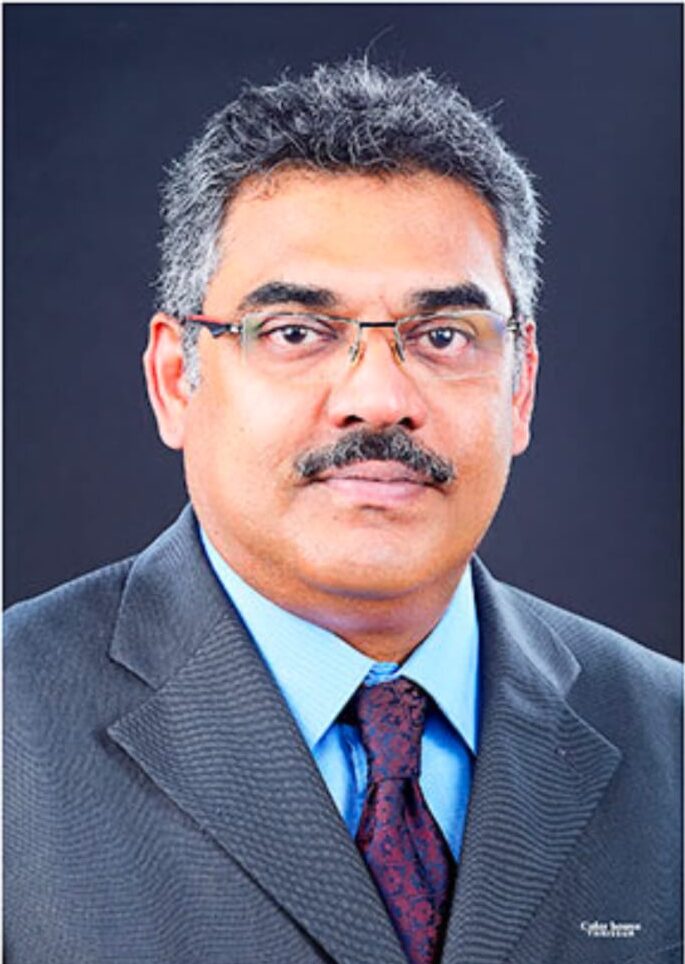
Dr. Pradeep Kumar
Plastic & Reconstructive Surgeon – Brachial Plexus & Nerve Surgery Specialist
Dr. Pradeep Kumar is an experienced plastic and reconstructive surgeon known for his expertise in brachial plexus and peripheral nerve surgery. With extensive microsurgical experience, he focuses on restoring movement and function for patients with complex nerve injuries.
Sushrutha Institute of Plastic Surgery, Elite Mission Hospital, Thrissur
Frequently Asked Questions
Surgery may be considered when the brachial plexus nerves are severely damaged, completely torn or detached from their roots, or when adequate spontaneous recovery is unlikely. The decision depends on the injury pattern, clinical findings and potential for functional improvement.
Surgical options may include direct nerve repair, nerve grafting, nerve transfer and neurolysis. In selected cases, tendon transfer or functional muscle transfer may also be considered to improve specific upper-limb functions.
Nerve grafting is a surgical technique used when a damaged nerve has a gap that cannot be repaired directly without tension. A segment of healthy nerve is used to bridge the gap and provide a pathway for regenerating nerve fibres.
Nerve transfer involves connecting a functioning donor nerve or part of a nerve to a damaged nerve pathway. It helps provide an alternative source of nerve signals to selected muscles and may be considered when the original nerve pathway cannot be effectively reconstructed.
The timing depends on the type and severity of the nerve injury. Some injuries, including open nerve injuries and suspected nerve root avulsions, may require early surgical assessment. Other injuries may be monitored to evaluate spontaneous recovery before surgery is considered.
Recovery varies according to the type of surgery, severity of nerve damage, distance to the affected muscles and individual healing response. Nerve regeneration may take several months or longer, and functional improvement can continue over an extended rehabilitation period.
Some patients may experience improvements in selected arm movements following appropriate nerve reconstruction and rehabilitation. The extent of improvement depends on the original injury, the condition of the affected muscles, surgical timing and individual recovery. Complete restoration of function cannot be guaranteed.
Rehabilitation is an important part of postoperative care. Physiotherapy may help maintain joint mobility, manage stiffness and support functional recovery. Occupational therapy may also be recommended to help patients practise everyday activities. The rehabilitation programme should follow the surgeon's instructions.