7 Crucial When Should You See a Brachial Plexus Surgeon in Thrissur
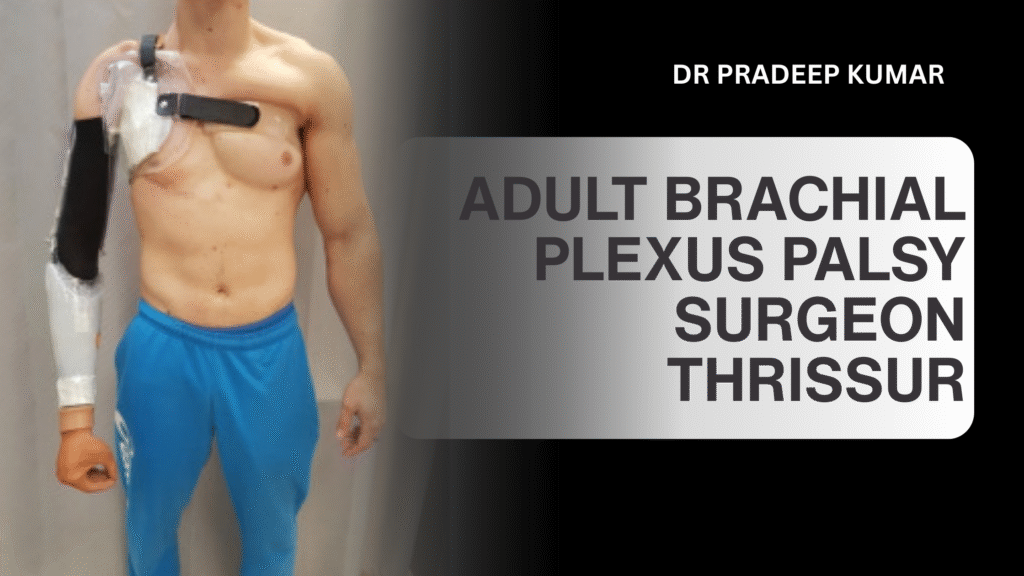
Brachial plexus injuries can affect everyday life by causing pain, weakness, numbness, or loss of movement in the shoulder, arm, or hand. Knowing When Should You See a Brachial Plexus Surgeon in Thrissur is important because early diagnosis and treatment can improve recovery and help prevent permanent nerve damage. Whether the injury occurs after a road accident, sports activity, fall, or birth-related complication, understanding the symptoms and acting quickly can make a significant difference. This guide explains everything you need to know, including causes, symptoms, diagnosis, treatment options, recovery, and prevention.
Why Knowing When Should You See a Brachial Plexus Surgeon in Thrissur Matters
Many people ignore arm weakness or shoulder pain, believing it will improve on its own. While minor nerve injuries may heal with conservative care, severe brachial plexus injuries require specialized evaluation.
Seeking medical attention at the right time helps:
- Reduce the risk of permanent nerve damage
- Improve muscle function
- Restore movement
- Reduce chronic pain
- Increase the success rate of treatment
- Improve long-term quality of life
Delaying treatment may reduce the chances of successful nerve recovery because nerves regenerate slowly.
Understanding the Brachial Plexus
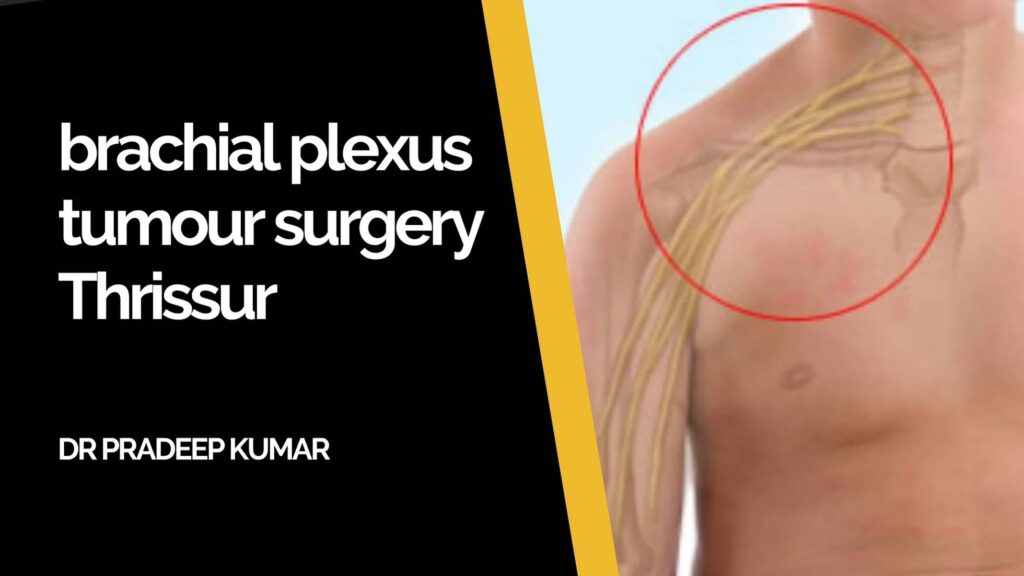
The brachial plexus is a network of nerves that begins in the neck and travels through the shoulder into the arm and hand.
These nerves control:
- Shoulder movement
- Elbow bending
- Wrist movement
- Hand function
- Finger movement
- Sensation throughout the upper limb
When these nerves are stretched, compressed, or torn, normal communication between the brain and muscles becomes disrupted.
Common Causes of Brachial Plexus Injuries
Several situations can damage the brachial plexus.
Road Traffic Accidents
Motorcycle and car accidents are among the leading causes of severe brachial plexus injuries.
Sports Injuries
Contact sports such as football, rugby, wrestling, and martial arts may stretch the nerves excessively.
Falls
Falls from height or slipping can place sudden force on the shoulder and neck.
Workplace Injuries
Heavy machinery accidents or industrial trauma may injure the nerves.
Birth Injuries
Some newborns experience brachial plexus injuries during difficult deliveries.
Penetrating Trauma
Knife injuries or gunshot wounds may directly damage the nerve network.
Types of Brachial Plexus Injuries
The severity varies depending on how much damage has occurred.
Stretch Injury (Neuropraxia)
The nerve is stretched but not torn.
Usually recovers within weeks or months.
Rupture
The nerve tears but remains attached to the spinal cord.
Surgery may be necessary.
Avulsion
The nerve is pulled away from the spinal cord.
This is one of the most severe forms of injury.
Neuroma
Scar tissue develops around the injured nerve, affecting signal transmission.
Symptoms You Should Never Ignore
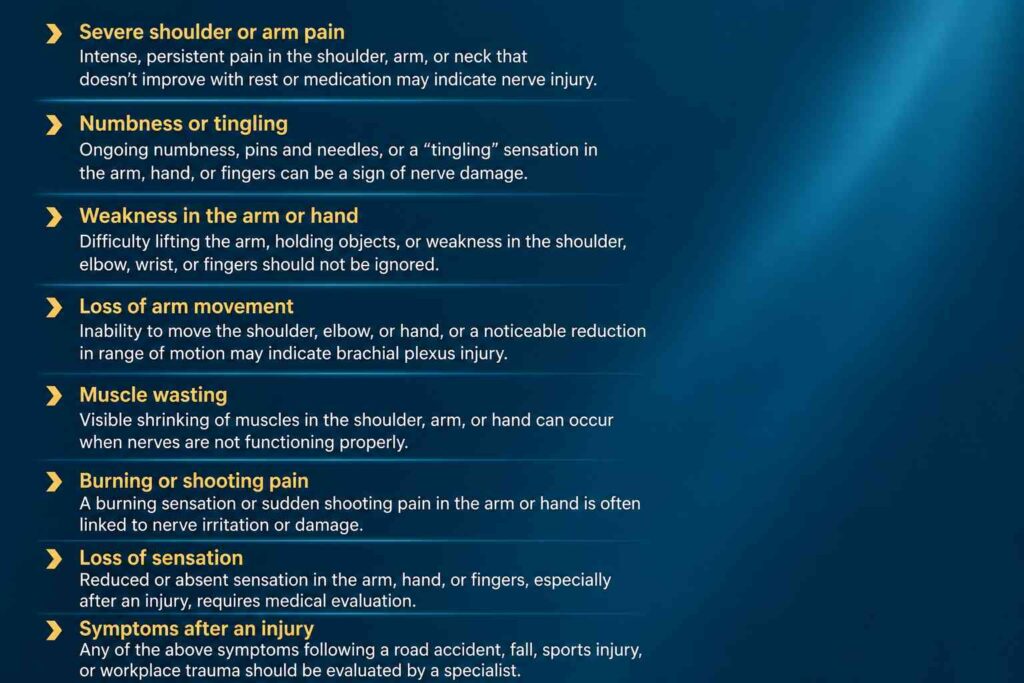
Recognizing symptoms early helps determine When Should You See a Brachial Plexus Surgeon in Thrissur.
Common symptoms include:
- Severe shoulder pain
- Burning pain
- Tingling sensation
- Numbness
- Weak grip
- Arm weakness
- Loss of arm movement
- Difficulty lifting the shoulder
- Muscle wasting
- Reduced reflexes
- Loss of sensation
- Difficulty using fingers
Symptoms may appear immediately after trauma or gradually worsen.
Warning Signs That Need Immediate Medical Evaluation
Certain symptoms require urgent assessment.
These include:
- Complete arm paralysis
- Sudden inability to move the shoulder
- Severe burning pain
- Loss of hand function
- Progressive muscle weakness
- Neck injury with arm symptoms
- Open injuries involving nerves
- Severe swelling after trauma
Immediate evaluation improves treatment opportunities.
7 Signs Showing When Should You See a Brachial Plexus Surgeon in Thrissur
1. Persistent Weakness
Weakness lasting more than a few days deserves medical evaluation.
2. Loss of Sensation
Numbness affecting the arm or fingers may indicate nerve damage.
3. Severe Pain
Burning or electric shock-like pain often signals nerve injury.
4. Difficulty Moving the Arm
Limited shoulder or elbow movement should not be ignored.
5. Muscle Shrinking
Visible muscle wasting suggests prolonged nerve dysfunction.
6. Injury Following an Accident
Any major trauma involving the neck or shoulder requires assessment.
7. Symptoms Continue Despite Rest
If symptoms fail to improve with conservative treatment, specialist evaluation becomes important.
Risk Factors
Several factors increase the risk.
- High-speed driving
- Motorcycle riding
- Contact sports
- Falls from height
- Heavy industrial work
- Difficult childbirth
- Previous nerve injuries
How Brachial Plexus Injuries Are Diagnosed
Diagnosis usually begins with a detailed medical history and physical examination.
The evaluation may include:
Physical Examination
The specialist evaluates:
- Muscle strength
- Sensation
- Reflexes
- Joint movement
- Coordination
MRI Scan
Provides detailed images of nerves and surrounding tissues.
CT Myelography
Useful in detecting nerve root injuries.
EMG (Electromyography)
Measures electrical activity in muscles.
Nerve Conduction Studies
Assess how well electrical signals travel through nerves.
Ultrasound
May help evaluate certain nerve injuries.
Conditions That Can Mimic a Brachial Plexus Injury
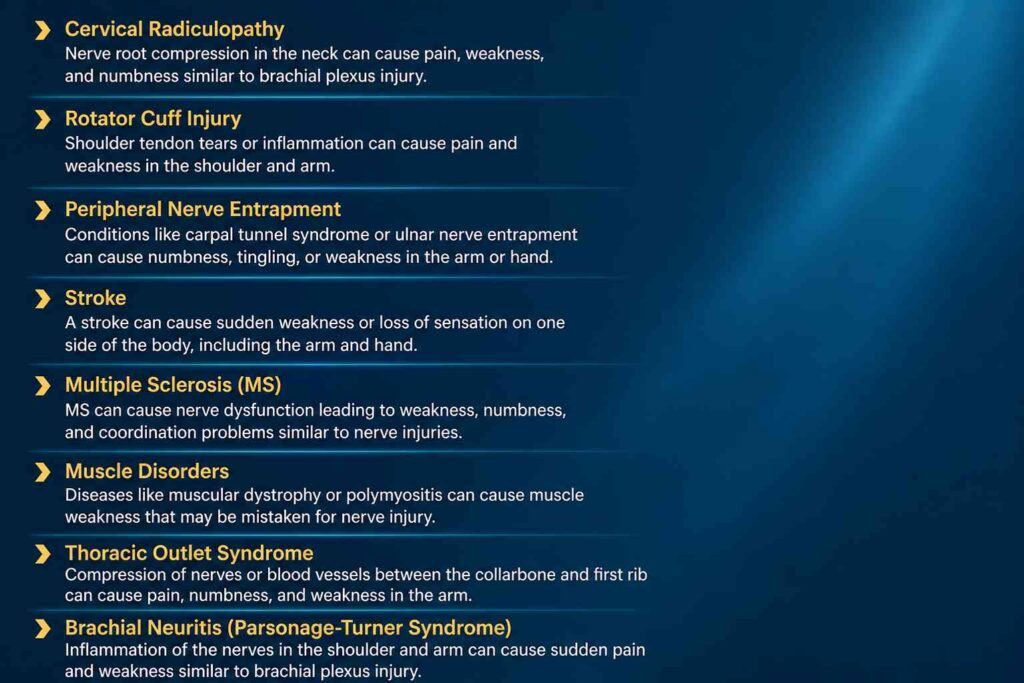
Other medical conditions may produce similar symptoms.
These include:
- Cervical disc problems
- Rotator cuff injuries
- Frozen shoulder
- Stroke
- Peripheral neuropathy
- Carpal tunnel syndrome
- Cubital tunnel syndrome
- Thoracic outlet syndrome
Proper diagnosis helps avoid unnecessary treatment.
Treatment Options
Treatment depends on:
- Injury severity
- Patient age
- Duration of symptoms
- Overall health
- Type of nerve damage
Observation
Minor injuries may recover naturally.
Regular follow-up is important.
Medications
Doctors may recommend medicines to help manage:
- Pain
- Inflammation
- Nerve pain
- Muscle spasms
Physiotherapy
Physical therapy plays an important role by improving:
- Flexibility
- Muscle strength
- Joint mobility
- Coordination
- Functional recovery
Occupational Therapy
Occupational therapists help patients regain independence in daily activities.
Nerve Repair
Damaged nerves may be repaired surgically when appropriate.
Nerve Grafting
Healthy nerves from another part of the body replace damaged sections.
Nerve Transfer Surgery
Healthy functioning nerves are redirected to restore movement.
Tendon Transfer
Muscles with preserved function help compensate for weakened muscles.
Muscle Transfer
In selected patients, muscle transfer improves arm function.
Benefits of Early Surgical Evaluation
Understanding When Should You See a Brachial Plexus Surgeon in Thrissur allows timely intervention.
Benefits include:
- Better recovery
- Improved arm movement
- Reduced pain
- Greater muscle preservation
- Improved hand function
- Higher surgical success
- Better rehabilitation outcomes
- Increased independence
Recovery After Treatment
Recovery varies depending on:
- Injury severity
- Age
- General health
- Surgical procedure
- Rehabilitation commitment
Some patients recover within months, while others require longer rehabilitation.
Rehabilitation After Surgery
Rehabilitation is essential.
It may include:
- Range-of-motion exercises
- Strength training
- Functional exercises
- Pain management
- Hand therapy
- Occupational therapy
- Home exercise programs
Consistency significantly influences recovery.
Lifestyle Tips During Recovery
Patients should:
- Attend follow-up appointments
- Perform prescribed exercises
- Eat a balanced diet
- Stay hydrated
- Avoid smoking
- Get enough sleep
- Protect the affected arm
- Avoid heavy lifting
- Maintain a positive outlook
Possible Complications
Without timely treatment, complications may include:
- Permanent weakness
- Muscle wasting
- Chronic pain
- Joint stiffness
- Limited shoulder function
- Hand disability
- Reduced quality of life
Can Brachial Plexus Injuries Heal Without Surgery
Some mild stretch injuries heal naturally.
However, severe nerve tears or avulsions generally require specialized treatment.
Regular follow-up helps determine whether recovery is progressing appropriately.
Preventing Brachial Plexus Injuries
Although not all injuries can be prevented, several precautions help reduce risk.
Drive Safely
Wear seat belts and follow traffic rules.
Wear Protective Equipment
Sports safety gear reduces injury risk.
Improve Workplace Safety
Follow proper lifting techniques and use protective equipment.
Strength Training
Strong shoulder muscles provide better joint stability.
Fall Prevention
Maintain balance and remove household hazards.
When Recovery Takes Longer
Recovery may be slower if:
- Treatment is delayed
- Injury is severe
- Multiple nerves are involved
- There is significant muscle wasting
- Rehabilitation is inconsistent
Patience and regular therapy remain essential.
Emotional Well-Being During Recovery
Living with nerve injuries can affect emotional health.
Helpful strategies include:
- Seeking family support
- Joining rehabilitation programs
- Practicing relaxation techniques
- Setting realistic recovery goals
- Celebrating gradual improvements
Mental well-being contributes to physical recovery.
Conclusion
Understanding When Should You See a Brachial Plexus Surgeon in Thrissur can help you recognize serious symptoms before permanent nerve damage develops. Early assessment, accurate diagnosis, appropriate treatment, and consistent rehabilitation all contribute to better outcomes. If you notice persistent weakness, numbness, severe pain, or reduced arm movement after an injury, do not delay seeking professional evaluation. Timely care gives the best opportunity to restore function, reduce pain, and improve long-term quality of life for individuals in Thrissur. For comprehensive information about brachial plexus injuries, including symptoms, causes, diagnosis, and treatment, visit the Mayo Clinic .
Frequently Asked Questions
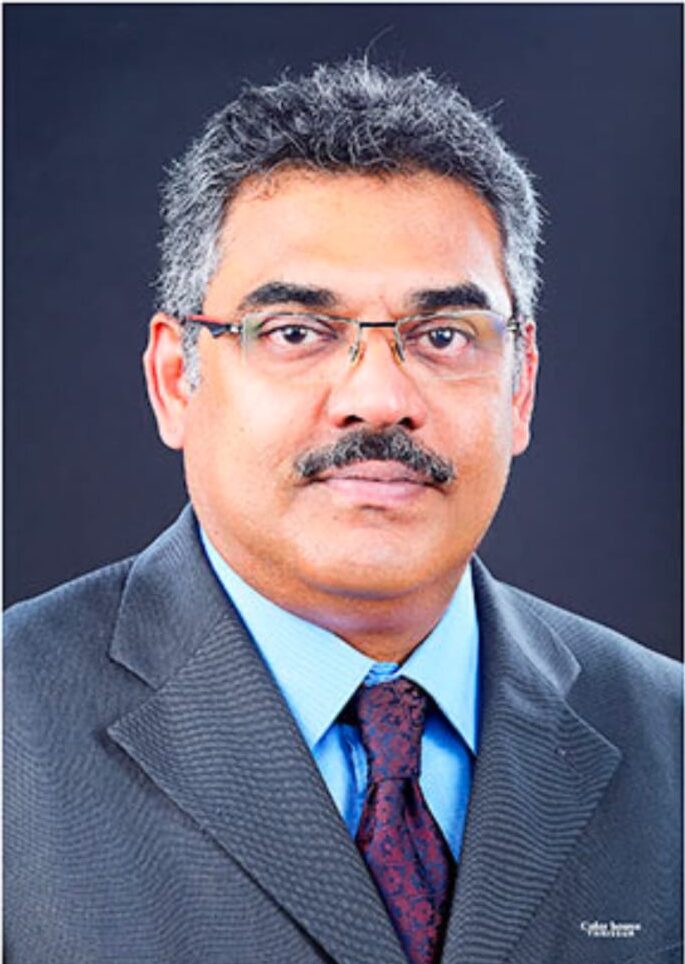
Dr. Pradeep Kumar
Plastic & Reconstructive Surgeon – Brachial Plexus & Nerve Surgery Specialist
Dr. Pradeep Kumar is an experienced plastic and reconstructive surgeon known for his expertise in brachial plexus and peripheral nerve surgery. With extensive microsurgical experience, he focuses on restoring movement and function for patients with complex nerve injuries.
Sushrutha Institute of Plastic Surgery, Elite Mission Hospital, Thrissur