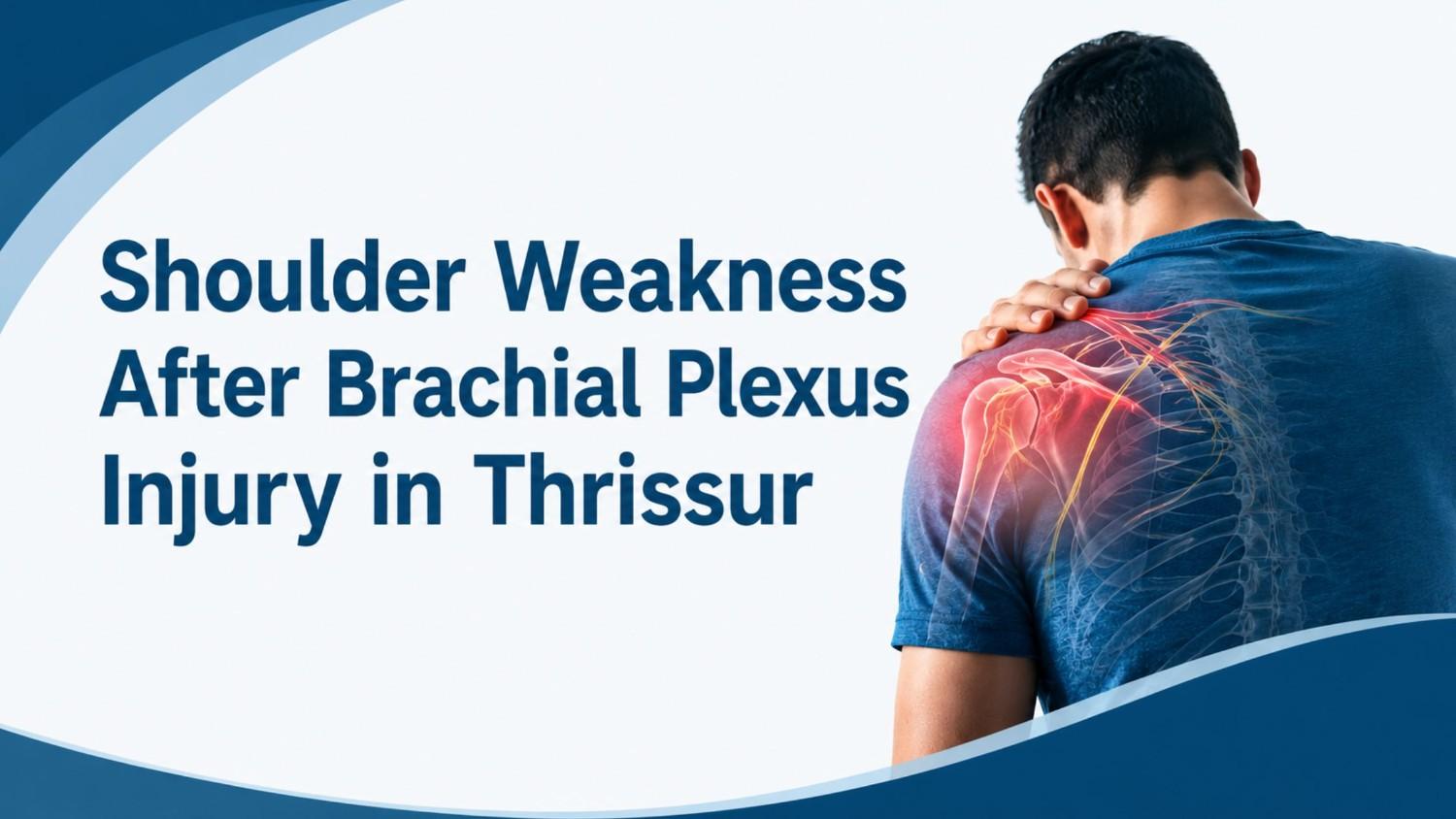
Understanding Shoulder Weakness After Brachial Plexus Injury: Causes, Treatment, and Recovery
Shoulder movement is essential for performing everyday activities such as lifting objects, reaching overhead, dressing, driving, and carrying groceries. When the shoulder becomes weak following a brachial plexus injury, these routine tasks can become difficult and significantly affect independence. If you are experiencing Shoulder Weakness After Brachial Plexus Injury in Thrissur, early diagnosis and specialized treatment are important for preserving muscle function and improving long-term recovery.
Understanding Shoulder Weakness After Brachial Plexus Injury in Thrissur can help patients recognize warning signs, seek timely medical care, and explore appropriate treatment options. Since the brachial plexus controls many of the muscles responsible for shoulder movement, injuries to these nerves require expert evaluation, individualized treatment planning, and structured rehabilitation. This guide explains the causes, symptoms, diagnosis, treatment options, recovery process, and rehabilitation strategies for shoulder weakness caused by brachial plexus injuries.
Understanding the Brachial Plexus and Shoulder Function
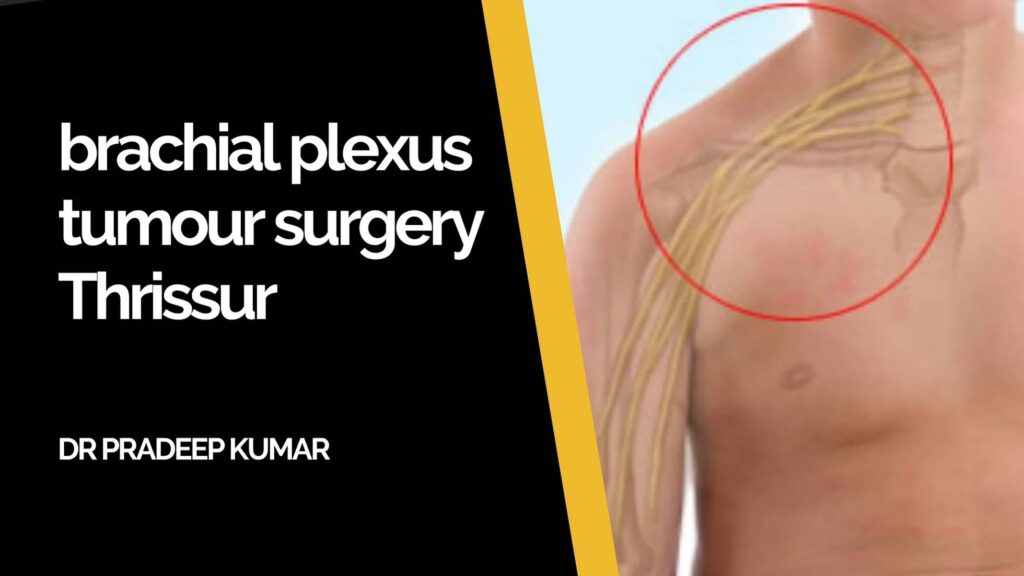
The brachial plexus is a network of nerves that begins in the neck and extends into the shoulder, arm, forearm, and hand. These nerves control muscle movement while providing sensation throughout the upper limb.
The shoulder relies on the brachial plexus to perform movements such as:
- Lifting the arm
- Rotating the shoulder
- Reaching overhead
- Stabilizing the shoulder joint
- Supporting arm movement
- Coordinating upper limb function
Damage to these nerves can interrupt communication between the brain and shoulder muscles, resulting in weakness and limited movement.
If you would like a broader understanding of the condition, explore our comprehensive guide on Brachial Plexus Injury Treatment in Thrissur.
Understanding Shoulder Weakness After Brachial Plexus Injury in Thrissur begins with recognizing the important role the brachial plexus plays in shoulder function. Shoulder weakness is often one of the earliest signs of damage to the brachial plexus. If you’d like to learn more about the condition, including its causes, diagnostic evaluation, treatment options, and recovery process, explore our comprehensive guide on Brachial Plexus Injury Treatment.
Why Does a Brachial Plexus Injury Cause Shoulder Weakness?
The shoulder muscles depend on healthy nerve signals for movement and stability.
When the brachial plexus is stretched, compressed, torn, or avulsed, these nerve signals may become disrupted.
As a result, patients may experience:
- Difficulty lifting the arm
- Reduced shoulder strength
- Limited overhead movement
- Shoulder instability
- Difficulty rotating the arm
- Fatigue during routine activities
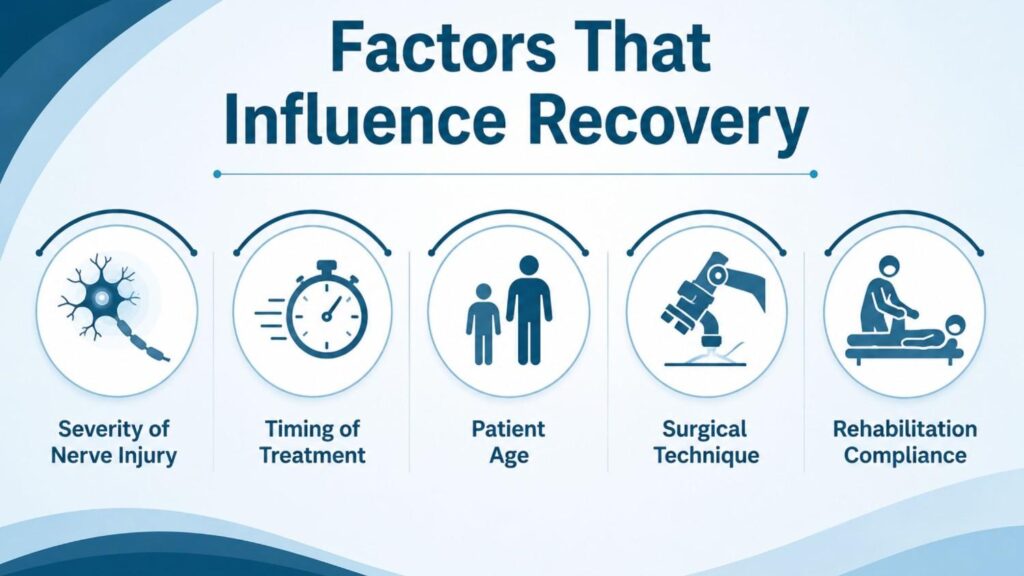
The severity of Shoulder Weakness After Brachial Plexus Injury in Thrissur depends on:
- Which nerves are injured
- Severity of nerve damage
- Duration since injury
- Timing of treatment
- Individual healing response
Early evaluation improves the chances of successful recovery.
Common Causes of Shoulder Weakness After Brachial Plexus Injury
Several conditions may damage the brachial plexus.
Road Traffic Accidents
Motor vehicle accidents are among the most common causes of severe brachial plexus injuries affecting shoulder function.
Motorcycle Accidents
High-impact traction injuries frequently affect the upper nerve roots responsible for shoulder movement.
Sports Injuries
Contact sports may result in stretching or compression of the brachial plexus.
Falls
Falls involving direct shoulder impact can injure the surrounding nerves.
Workplace Trauma
Industrial accidents involving heavy equipment or crush injuries may damage the brachial plexus.
Birth-Related Injuries
Some infants develop brachial plexus injuries during childbirth, leading to shoulder weakness known as Erb’s palsy.
Recognizing these causes helps patients understand Shoulder Weakness After Brachial Plexus Injury in Thrissur and the importance of timely treatment.
Symptoms That May Accompany Shoulder Weakness
Shoulder weakness often occurs alongside other neurological symptoms.
Common symptoms include:
Difficulty Raising the Arm
Patients may struggle to lift the arm above shoulder level.
Shoulder Pain
Pain may occur due to nerve injury or muscle imbalance.
Numbness
Reduced sensation may affect the shoulder or upper arm.
Muscle Wasting
Prolonged nerve damage can lead to muscle shrinkage.
Shoulder Instability
Weak muscles may reduce joint stability during movement.
Limited Range of Motion
Restricted movement may affect daily activities.
Understanding Shoulder Weakness After Brachial Plexus Injury in Thrissur involves recognizing these symptoms early so appropriate treatment can begin.
When Should You See a Specialist?
Seek medical evaluation promptly if you experience:
- Difficulty lifting your arm
- Persistent shoulder weakness
- Shoulder numbness after trauma
- Severe shoulder pain
- Muscle wasting
- Progressive weakness
- Limited shoulder movement
- Weakness following road traffic accidents
Early consultation provides more treatment options and improves functional outcomes.
Diagnosing Shoulder Weakness After Brachial Plexus Injury
Accurate diagnosis guides appropriate treatment.
Your specialist may recommend:
Clinical Examination
Assessment of shoulder strength, muscle function, and neurological status.
MRI
Provides detailed images of the brachial plexus and surrounding structures.
Electromyography (EMG)
Evaluates muscle activity and nerve function.
Nerve Conduction Studies (NCS)
Measure how efficiently electrical signals travel through the nerves.
CT Myelography
Used in selected cases to evaluate nerve root injuries.
Understanding Shoulder Weakness After Brachial Plexus Injury in Thrissur includes recognizing the importance of comprehensive diagnostic evaluation.
Treatment Options for Brachial Plexus Injury
Treatment depends on:
- Severity of injury
- Type of nerve damage
- Age
- Functional impairment
- Duration since injury
Conservative Treatment
Some mild injuries recover without surgery.
Treatment may include:
- Physiotherapy
- Occupational therapy
- Pain management
- Shoulder strengthening exercises
- Joint mobility exercises
- Regular monitoring
Surgical Treatment
Patients with severe injuries may require microsurgical intervention.
Procedures may include:
Nerve Repair
Reconnecting healthy nerve ends.
Nerve Grafting
Bridging damaged nerve segments using donor nerves.
Nerve Transfer
Redirecting healthy nerves to restore shoulder function.
Nerve Decompression
Relieving pressure on compressed nerves.
Patients with severe Shoulder Weakness After Brachial Plexus Injury in Thrissur may benefit from advanced reconstructive procedures when indicated.
Recovery and Rehabilitation
Recovery following brachial plexus injury requires patience because nerves regenerate gradually.
Rehabilitation often includes:
Physiotherapy
Improves flexibility, muscle strength, and shoulder stability.
Occupational Therapy
Helps patients regain independence during daily activities.
Functional Shoulder Training
Exercises focus on:
- Shoulder elevation
- Rotation
- Stability
- Muscle coordination
- Functional arm movement
Pain Management
Effective pain control supports active participation in rehabilitation.
Understanding Shoulder Weakness After Brachial Plexus Injury in Thrissur also means appreciating the importance of structured rehabilitation for successful recovery.
Daily Activities During Recovery
Patients are encouraged to continue safe functional activities whenever appropriate.
Helpful recommendations include:
- Performing prescribed exercises consistently
- Protecting the shoulder from excessive strain
- Maintaining good posture
- Avoiding prolonged immobilization
- Using supportive devices if recommended
- Following rehabilitation schedules
Gradual improvements occur over time through consistent therapy.
When Surgery May Be Recommended
Surgery may be considered when:
- Shoulder movement does not improve
- Imaging confirms severe nerve injury
- Complete nerve rupture is identified
- Progressive muscle wasting develops
- Functional loss significantly limits daily activities
Treatment decisions are individualized based on detailed clinical evaluation.
Preventing Long-Term Shoulder Complications
Timely treatment helps minimize long-term disability.
Patients should:
- Attend follow-up appointments
- Continue prescribed exercises
- Protect the shoulder from further injury
- Maintain joint flexibility
- Report new symptoms promptly
- Follow specialist recommendations
Early intervention improves the chances of maintaining long-term shoulder function.
Conclusion
Experiencing Shoulder Weakness After Brachial Plexus Injury in Thrissur can significantly affect mobility, independence, and quality of life. However, early diagnosis, specialized microsurgical care, and comprehensive rehabilitation can greatly improve shoulder strength and functional recovery. Whether the injury results from trauma, sports accidents, workplace injuries, or birth-related conditions, prompt evaluation is essential for determining the most appropriate treatment plan.
Recovery requires patience and commitment, as nerve healing occurs gradually over time. Combining advanced diagnostic evaluation, personalized treatment strategies, structured physiotherapy, and regular follow-up offers the best opportunity for meaningful improvement. Consulting an experienced brachial plexus specialist helps patients receive individualized care aimed at restoring shoulder movement, improving upper limb function, and enhancing overall quality of life. For additional details about brachial plexus injuries, shoulder weakness, and treatment options, refer to the AAOS OrthoInfo guide on Brachial Plexus Injuries, which explains the causes, symptoms, diagnostic evaluation, treatment approaches, and recovery process.
Frequently Asked Questions
Can shoulder weakness improve without surgery after a brachial plexus injury?
How long does shoulder recovery take after a brachial plexus injury?
Does physiotherapy help restore shoulder strength?
Can shoulder weakness become permanent?
Will I regain full shoulder movement after treatment?
Can brachial plexus injuries affect both the shoulder and hand?
Are follow-up appointments important during recovery?
Can children recover from shoulder weakness caused by birth-related brachial plexus injuries?
What activities should I avoid during recovery?
Why is early diagnosis important for shoulder weakness after a brachial plexus injury?

Dr. Pradeep Kumar
Plastic & Reconstructive Surgeon – Brachial Plexus & Nerve Surgery Specialist
Dr. Pradeep Kumar is an experienced plastic and reconstructive surgeon known for his expertise in brachial plexus and peripheral nerve surgery. With extensive microsurgical experience, he focuses on restoring movement and function for patients with complex nerve injuries.
Sushrutha Institute of Plastic Surgery, Elite Mission Hospital, Thrissur