Hand Weakness Due to Brachial Plexus Injury in Thrissur: Causes, Symptoms, Treatment, and Recovery
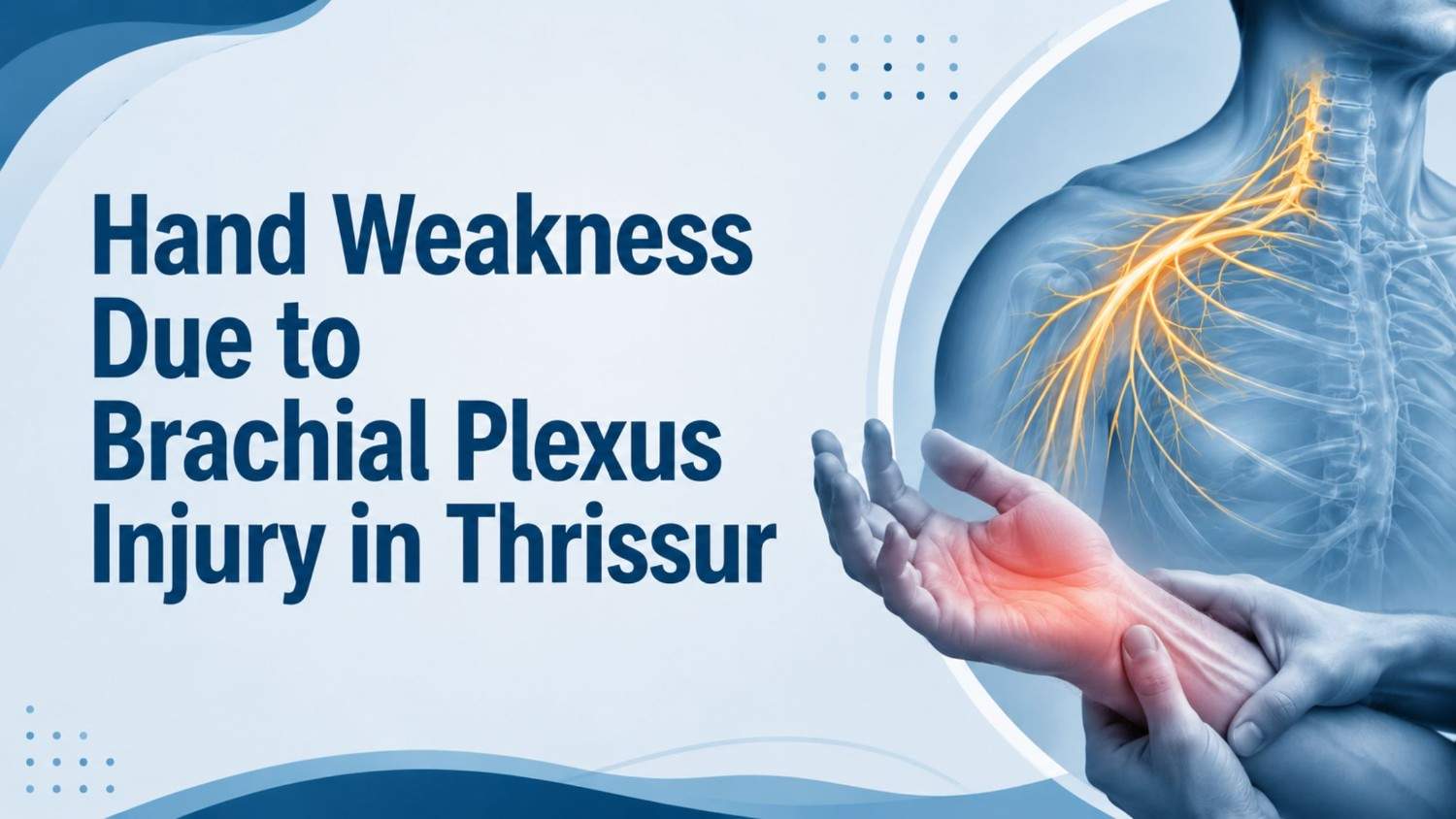
Hand weakness can make even the simplest daily activities challenging. Tasks such as holding a pen, buttoning a shirt, opening a bottle, typing on a keyboard, or lifting lightweight objects may become difficult when the nerves controlling the hand are injured. One of the most significant causes of persistent hand weakness is damage to the brachial plexus, a complex network of nerves that controls movement and sensation in the shoulder, arm, and hand. If you are experiencing Hand Weakness Due to Brachial Plexus Injury in Thrissur, early evaluation and specialized treatment are essential to maximize recovery and restore upper limb function.
Understanding Hand Weakness Due to Brachial Plexus Injury in Thrissur can help patients recognize early symptoms, seek timely medical attention, and explore appropriate treatment options. This guide explains the causes, symptoms, diagnosis, treatment approaches, recovery process, and rehabilitation strategies for brachial plexus-related hand weakness.
Understanding the Brachial Plexus
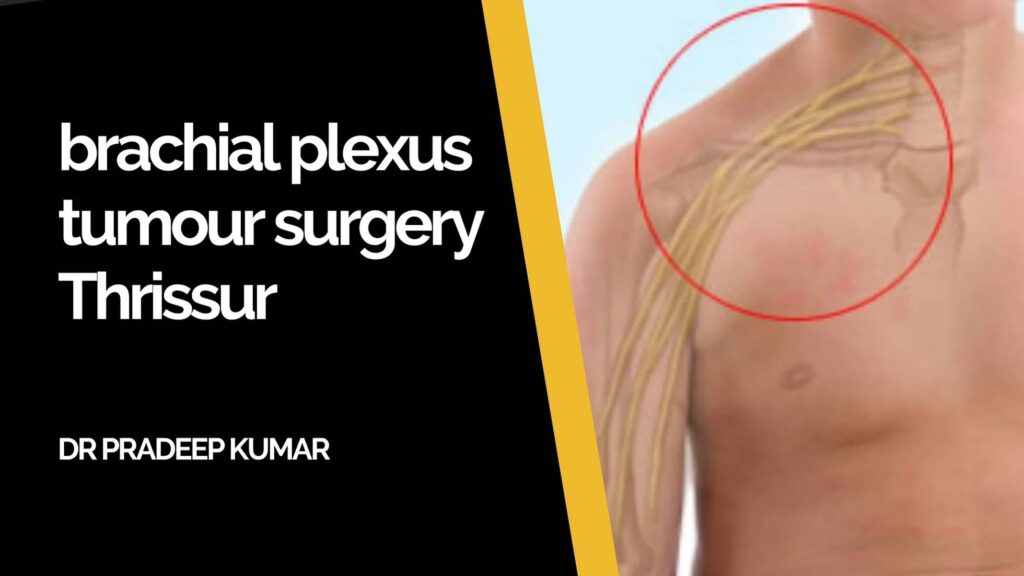
The brachial plexus is a network of nerves that originates from the spinal cord in the neck and supplies the muscles and skin of the shoulder, arm, forearm, and hand.
These nerves are responsible for:
- Hand movement
- Finger coordination
- Wrist movement
- Grip strength
- Arm movement
- Sensation throughout the upper limb
Damage anywhere along this nerve network can affect the signals traveling from the brain to the muscles, leading to weakness or loss of function.
Understanding Hand Weakness Due to Brachial Plexus Injury in Thrissur begins with recognizing the important role these nerves play in controlling normal hand function. For a comprehensive overview of the causes, diagnosis, treatment options, and recovery process, explore our guide on Brachial Plexus Injury Treatment.
Why Does a Brachial Plexus Injury Cause Hand Weakness?
The muscles of the hand depend entirely on healthy nerve signals.
When the brachial plexus is stretched, compressed, torn, or avulsed, these signals may become disrupted.
As a result, patients may experience:
- Difficulty gripping objects
- Reduced finger movement
- Weak wrist control
- Loss of fine motor skills
- Difficulty lifting lightweight objects
- Reduced hand coordination
The severity of weakness depends on:
- Which nerves are injured
- The extent of nerve damage
- Time since injury
- Whether treatment has been initiated
Patients experiencing Hand Weakness Due to Brachial Plexus Injury in Thrissur should seek evaluation as early as possible because delayed treatment may reduce recovery potential.
Common Causes of Hand Weakness Due to Brachial Plexus Injury
Several conditions may damage the brachial plexus.
Common causes include:
Road Traffic Accidents
High-speed collisions are one of the leading causes of severe brachial plexus injuries.
Motorcycle Accidents
Sudden traction injuries during motorcycle accidents frequently affect the nerve roots supplying the arm.
Sports Injuries
Contact sports may result in stretching or compression injuries affecting upper limb nerves.
Falls
Falls from height or severe shoulder trauma can damage the brachial plexus.
Workplace Injuries
Industrial accidents involving heavy machinery or crush injuries may affect nerve function.
Birth-Related Injuries
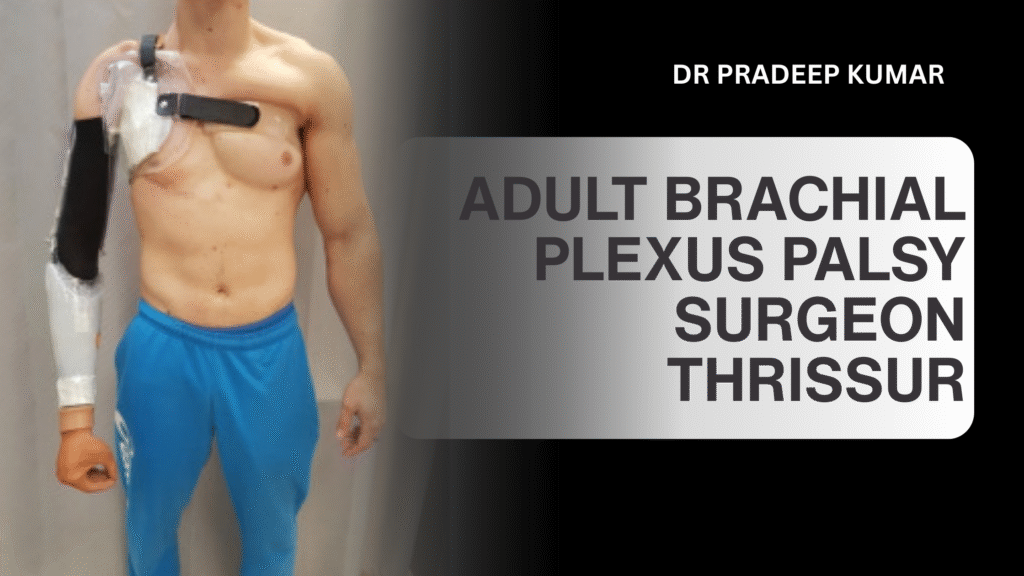
Some newborns develop brachial plexus injuries during difficult deliveries, leading to weakness in the affected arm and hand.
Recognizing these causes helps patients better understand Hand Weakness Due to Brachial Plexus Injury in Thrissur and the importance of prompt diagnosis.
When Should You See a Specialist?
Medical evaluation should not be delayed if hand weakness develops after trauma.
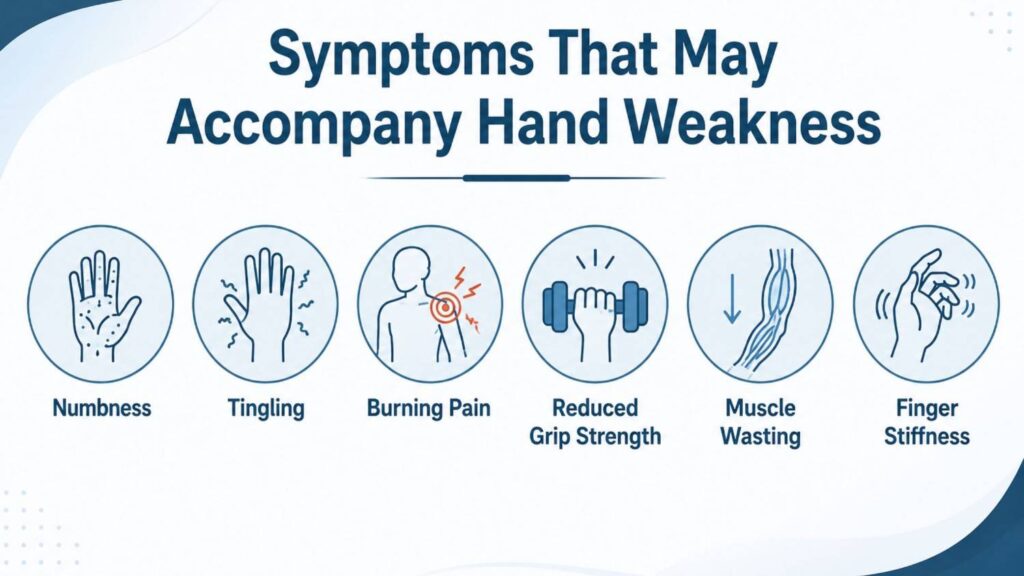
Seek specialist consultation if you experience:
- Inability to grip objects
- Difficulty lifting the wrist
- Persistent numbness
- Arm weakness after an accident
- Progressive muscle wasting
- Persistent nerve pain
- Limited finger movement
- Weakness that does not improve
Early consultation often provides more treatment options and better long-term outcomes.
Diagnosing Hand Weakness Due to Brachial Plexus Injury
Accurate diagnosis is essential before treatment planning begins.
Your specialist may recommend:
Clinical Examination
Assessment of muscle strength, movement, and nerve function.
MRI
Provides detailed images of nerve structures and surrounding tissues.
Electromyography (EMG)
Measures muscle activity and helps identify nerve damage.
Nerve Conduction Studies (NCS)
Evaluate how efficiently nerves transmit electrical signals.
CT Myelography
May be recommended in selected patients when more detailed nerve root assessment is required.
Understanding Hand Weakness Due to Brachial Plexus Injury in Thrissur includes knowing that multiple diagnostic tools may be used together to determine the exact extent of injury.
Treatment Options for Brachial Plexus Injury
Treatment depends on:
- Type of injury
- Severity
- Patient age
- Duration since injury
- Functional impairment
Conservative Treatment
Some injuries improve without surgery.
Conservative management may include:
- Physiotherapy
- Occupational therapy
- Pain management
- Range-of-motion exercises
- Muscle strengthening
- Regular follow-up
Surgical Treatment
When recovery is unlikely without intervention, surgery may be recommended.
Procedures may include:
Nerve Repair
Reconnecting healthy nerve ends whenever possible.
Nerve Grafting
Bridging damaged nerve segments using donor nerves.
Nerve Transfer
Redirecting healthy functioning nerves to restore muscle movement.
Nerve Decompression
Relieving pressure on compressed nerves.
Patients with severe Hand Weakness Due to Brachial Plexus Injury in Thrissur may benefit from advanced microsurgical reconstruction when indicated.
Recovery and Rehabilitation
Recovery requires patience because nerve regeneration occurs slowly.
A structured rehabilitation program often includes:
Physiotherapy
Exercises improve joint movement, muscle flexibility, and strength.
Occupational Therapy
Patients learn techniques that improve daily function and hand coordination.
Functional Training
Exercises focus on improving:
- Grip strength
- Finger movement
- Wrist stability
- Fine motor control
Pain Management
Appropriate pain control allows more effective participation in rehabilitation.
Understanding Hand Weakness Due to Brachial Plexus Injury in Thrissur also means recognizing that rehabilitation is just as important as surgery for achieving functional recovery.
Daily Activities During Recovery
Recovering patients are encouraged to continue safe functional activities whenever appropriate.
Helpful strategies include:
- Performing prescribed hand exercises regularly
- Protecting the affected hand from accidental injury
- Using adaptive devices if recommended
- Maintaining good posture
- Avoiding prolonged immobilization
- Following therapy schedules consistently
Small improvements accumulate over time with dedicated rehabilitation.
Factors That Affect Recovery Outcomes
Recovery varies considerably between individuals.
Several factors influence healing.
Severity of Injury
More severe injuries generally require longer recovery.
Timing of Treatment
Earlier intervention often leads to better outcomes.
Age
Younger patients may experience improved nerve regeneration.
Surgical Technique
Appropriate microsurgical reconstruction contributes significantly to functional recovery.
Rehabilitation Compliance
Patients who consistently participate in physiotherapy often achieve better functional improvements.
Understanding Hand Weakness Due to Brachial Plexus Injury in Thrissur involves appreciating that successful outcomes depend on both surgery and rehabilitation.
When Surgery May Be Recommended
Not every patient requires surgery.
However, surgery may be considered when:
- No meaningful recovery occurs after observation
- Complete nerve rupture is identified
- Progressive muscle wasting develops
- Functional loss significantly affects daily activities
- Imaging confirms severe nerve injury
The decision is always individualized after comprehensive evaluation.
Preventing Long-Term Complications
Timely treatment helps reduce complications associated with prolonged nerve injury.
Patients are encouraged to:
- Attend scheduled follow-up appointments
- Continue rehabilitation exercises
- Maintain joint flexibility
- Protect the affected limb
- Report new symptoms promptly
- Follow specialist recommendations
Long-term monitoring supports better functional outcomes.
Conclusion
Experiencing Hand Weakness Due to Brachial Plexus Injury in Thrissur can significantly affect independence, work, and daily activities, but early diagnosis and specialized treatment can make a meaningful difference. Whether the injury results from trauma, sports injuries, workplace accidents, or birth-related conditions, prompt evaluation helps determine the most appropriate treatment plan.
Recovery often requires a combination of advanced diagnostic evaluation, microsurgical expertise, structured rehabilitation, and ongoing follow-up care. While every patient’s recovery journey is unique, timely intervention and consistent rehabilitation can improve strength, coordination, and overall upper limb function. Consulting an experienced brachial plexus specialist provides the best opportunity to restore movement and achieve long-term functional recovery. For additional details about brachial plexus injuries and their treatment options, refer to the AAOS OrthoInfo guide on Brachial Plexus Injuries, which explains the causes, symptoms, diagnosis, treatment approaches, and recovery process.
Frequently Asked Questions
Can hand weakness from a brachial plexus injury improve without surgery?
How long does nerve healing usually take after a brachial plexus injury?
Can I continue working with hand weakness?
Does physiotherapy help improve hand strength?
Will I regain full hand movement after treatment?
Can children recover from brachial plexus injuries?
Is hand weakness always permanent after a brachial plexus injury?
Are follow-up appointments important during recovery?
Can brachial plexus injuries affect both sensation and movement?
Why is early diagnosis important for brachial plexus injuries?
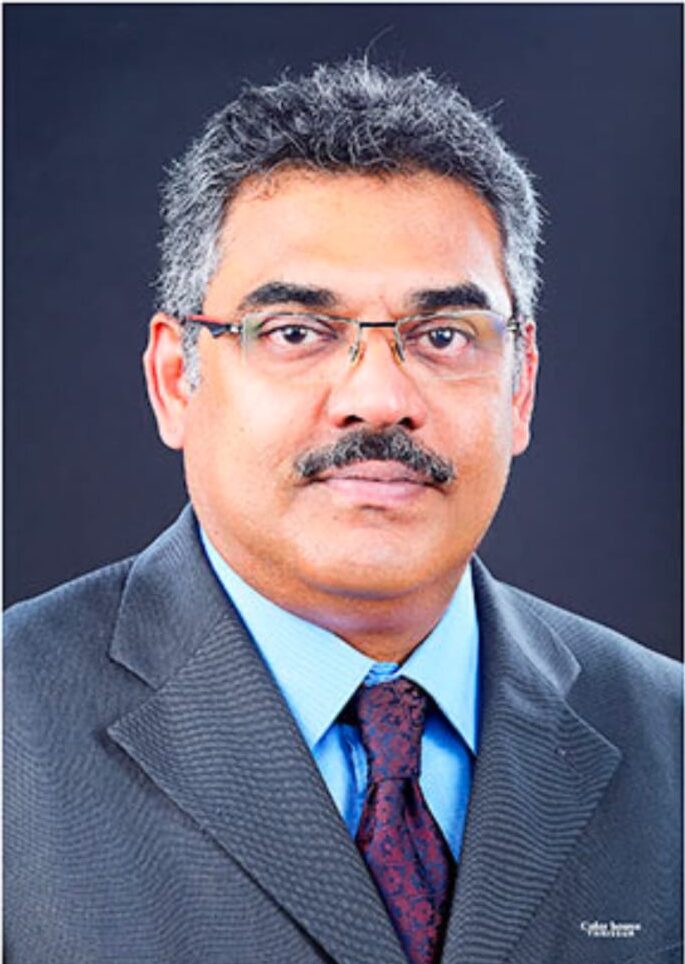
Dr. Pradeep Kumar
Plastic & Reconstructive Surgeon – Brachial Plexus & Nerve Surgery Specialist
Dr. Pradeep Kumar is an experienced plastic and reconstructive surgeon known for his expertise in brachial plexus and peripheral nerve surgery. With extensive microsurgical experience, he focuses on restoring movement and function for patients with complex nerve injuries.
Sushrutha Institute of Plastic Surgery, Elite Mission Hospital, Thrissur