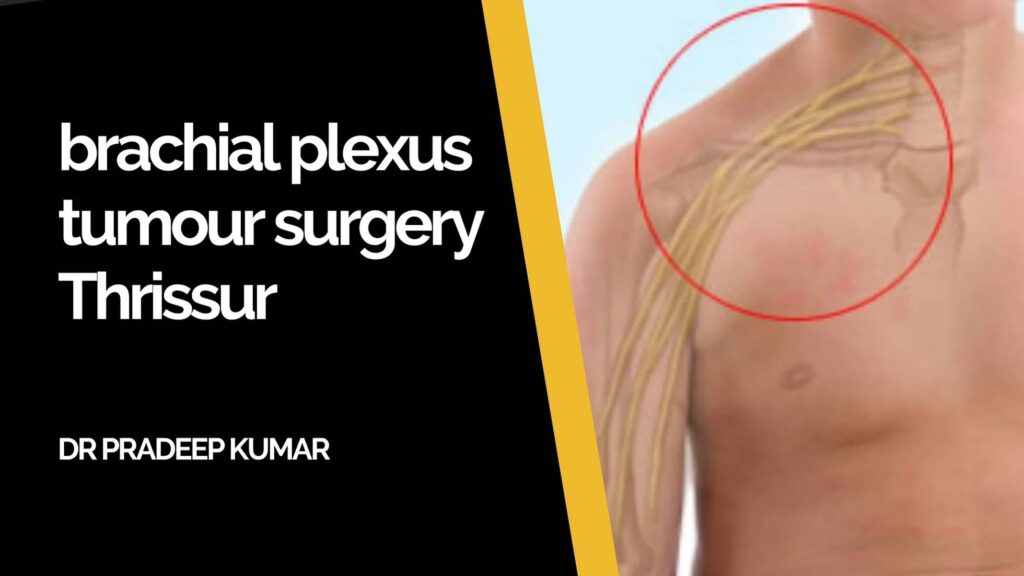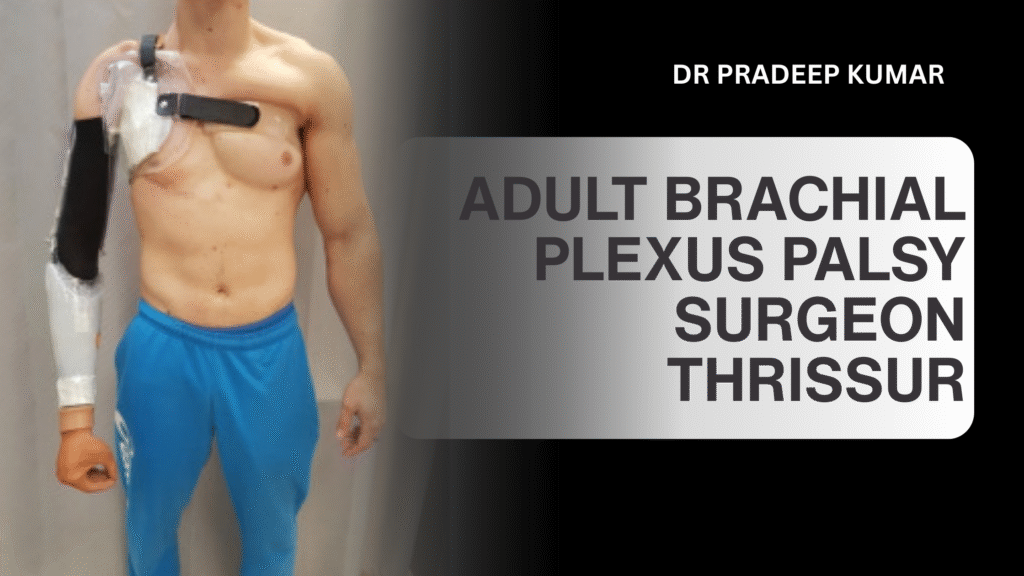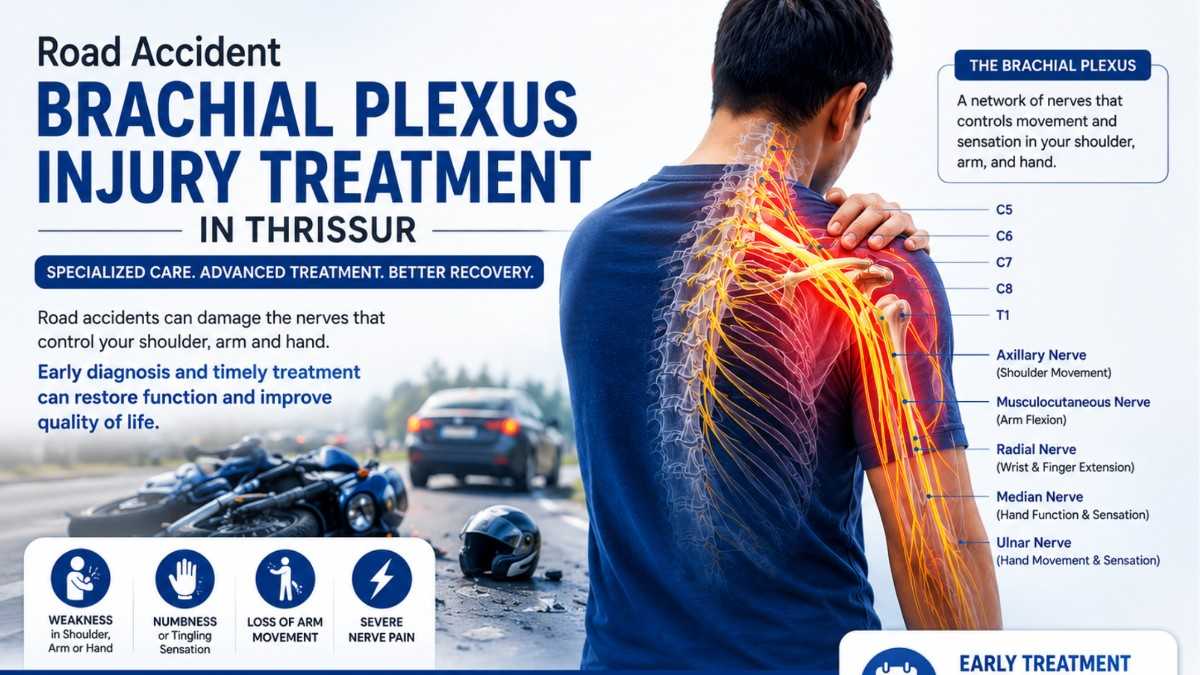
Road accidents are one of the leading causes of severe upper limb nerve injuries, and the brachial plexus is particularly vulnerable during high-impact trauma. Damage to this complex network of nerves can result in weakness, numbness, loss of arm movement, or even complete paralysis if not treated promptly. Understanding Road Accident Brachial Plexus Injury Treatment in Thrissur is essential because early diagnosis and timely intervention can significantly improve recovery and restore function. If you would like to learn more about comprehensive Brachial Plexus Injury Treatment in Thrissur, it provides detailed information on diagnosis, advanced surgical options, and rehabilitation for various types of brachial plexus injuries. This blog explains how road accidents cause these injuries, the warning signs to watch for, available treatment options, recovery timelines, and why consulting a specialist as early as possible can make a meaningful difference in long-term outcomes.
What Is a Brachial Plexus Injury?
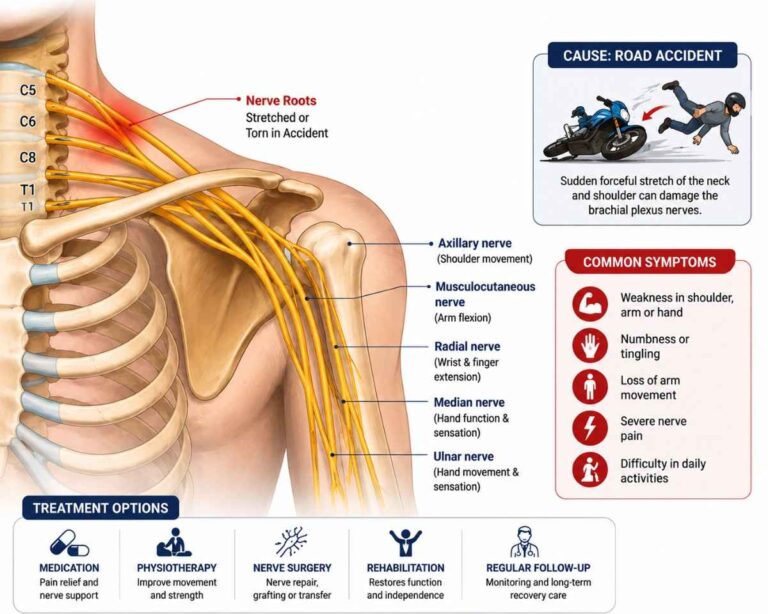
The brachial plexus is a group of nerves originating from the spinal cord in the neck. These nerves control:
- Shoulder movement
- Arm strength
- Elbow function
- Wrist movement
- Hand coordination
- Finger sensation
During a road traffic accident, these nerves can be injured due to excessive traction, blunt trauma, fractures, or shoulder dislocation.
How Road Accidents Cause Brachial Plexus Injuries
Motorcycle accidents are the most common cause of severe brachial plexus injuries.
Common injury mechanisms include:
- High-speed motorcycle crashes
- Car collisions
- Shoulder dislocation
- Clavicle fractures
- Neck injuries
- Falls from moving vehicles
- Heavy impact trauma
The force generated during these accidents can severely damage the nerve network.
Common Symptoms
Symptoms vary depending on the extent of nerve damage.
They may include:
- Sudden weakness in one arm
- Loss of shoulder movement
- Difficulty bending the elbow
- Weak grip strength
- Complete paralysis of the arm
- Numbness or tingling
- Burning nerve pain
- Loss of muscle control
- Difficulty lifting the arm
Persistent symptoms after an accident require immediate medical evaluation.
Types of Brachial Plexus Injuries
The severity of injury determines treatment.
Neuropraxia
- Mild nerve stretch
- Usually recovers naturally
Rupture
- Nerve tears outside the spinal cord
- Often requires surgery
Avulsion
- Nerve roots are pulled from the spinal cord
- One of the most severe injuries
- Surgical reconstruction may be needed
Neuroma
Scar tissue forms after injury, preventing proper nerve function.
Diagnosis
Early diagnosis improves outcomes.
Evaluation may include:
- Physical examination
- Neurological assessment
- MRI scan
- CT Myelography
- EMG (Electromyography)
- Nerve Conduction Studies
- Ultrasound (selected cases)
These investigations help identify the location and severity of nerve damage.
Treatment Options
Treatment depends on the type and severity of injury.
Conservative Management
Minor injuries may improve with:
- Observation
- Pain management
- Physiotherapy
- Occupational therapy
- Regular follow-up
Surgical Treatment
If recovery does not occur naturally, surgery may be recommended.
Procedures include:
Nerve Grafting
Damaged nerve sections are replaced with healthy donor nerves.
Nerve Transfer Surgery
Healthy functioning nerves are redirected to restore muscle function.
Tendon Transfer
Muscles and tendons are repositioned to improve arm movement.
Muscle Transfer
Used in long-standing injuries where muscles no longer function.
Why Early Surgery Matters
Timing plays a major role in recovery.
Delaying treatment may lead to:
- Permanent muscle wasting
- Reduced nerve regeneration
- Joint stiffness
- Poor functional recovery
Many specialists recommend early assessment within weeks after injury.
Rehabilitation After Surgery
Recovery continues long after surgery.
Rehabilitation includes:
- Range-of-motion exercises
- Muscle strengthening
- Mirror therapy
- Occupational therapy
- Hand function training
- Shoulder stabilization exercises
- Pain management
Regular rehabilitation helps maximize nerve recovery.
Recovery Timeline
Recovery varies among individuals.
Typical recovery may include:
First Month
- Pain management
- Wound healing
- Gentle movement
3–6 Months
- Early nerve regeneration
- Muscle activation begins
6–12 Months
- Improved arm movement
- Better muscle strength
12–24 Months
- Continued nerve recovery
- Functional improvement
Recovery depends on age, injury severity, surgical timing, and rehabilitation.
Can Brachial Plexus Injuries Be Prevented?
Although not every accident is preventable, the risk can be reduced by:
- Wearing helmets
- Using protective riding gear
- Following traffic rules
- Avoiding high-speed driving
- Wearing seat belts
- Practicing defensive driving
When Should You See a Specialist?
Seek immediate medical evaluation if you notice:
- Arm paralysis
- Severe shoulder weakness
- Loss of sensation
- Persistent numbness
- Difficulty moving the fingers
- Severe nerve pain
- Symptoms after a road accident that do not improve
Early specialist consultation provides the best opportunity for successful treatment.
Conclusion
Road Accident Brachial Plexus Injury Treatment in Thrissur focuses on restoring arm function, reducing disability, and improving quality of life through early diagnosis, advanced nerve reconstruction, and structured rehabilitation. If you experience weakness, numbness, or paralysis after a road accident, timely evaluation by a brachial plexus specialist can make a significant difference in long-term recovery.
For more information about brachial plexus injuries and peripheral nerve disorders, visit the American Association of Neurological Surgeons (AANS).
Frequently Asked Questions
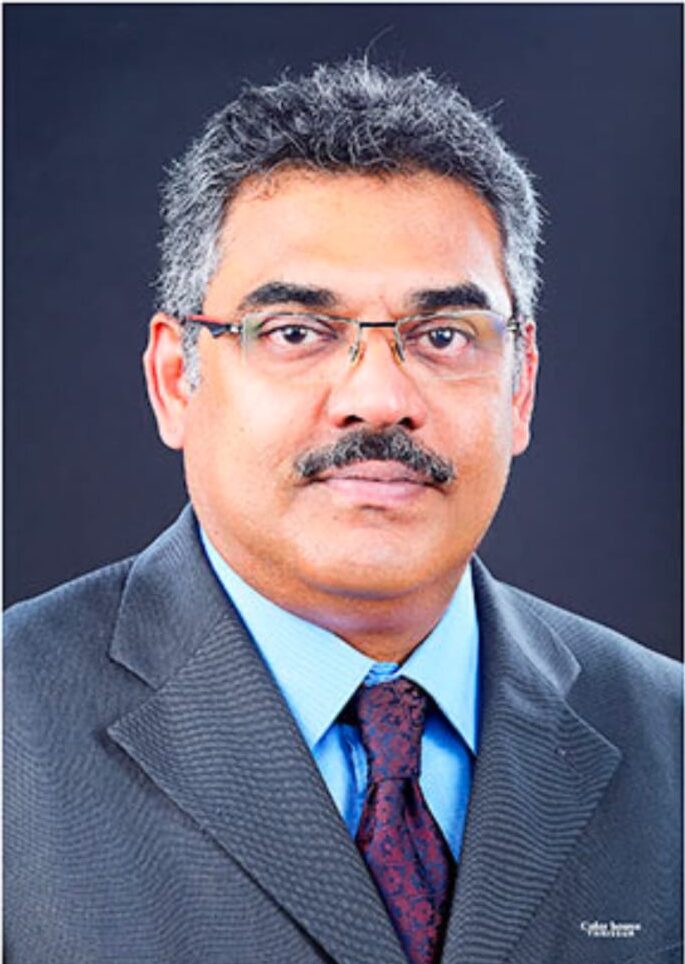
Dr. Pradeep Kumar
Plastic & Reconstructive Surgeon – Brachial Plexus & Nerve Surgery Specialist
Dr. Pradeep Kumar is an experienced plastic and reconstructive surgeon known for his expertise in brachial plexus and peripheral nerve surgery. With extensive microsurgical experience, he focuses on restoring movement and function for patients with complex nerve injuries.
Sushrutha Institute of Plastic Surgery, Elite Mission Hospital, Thrissur