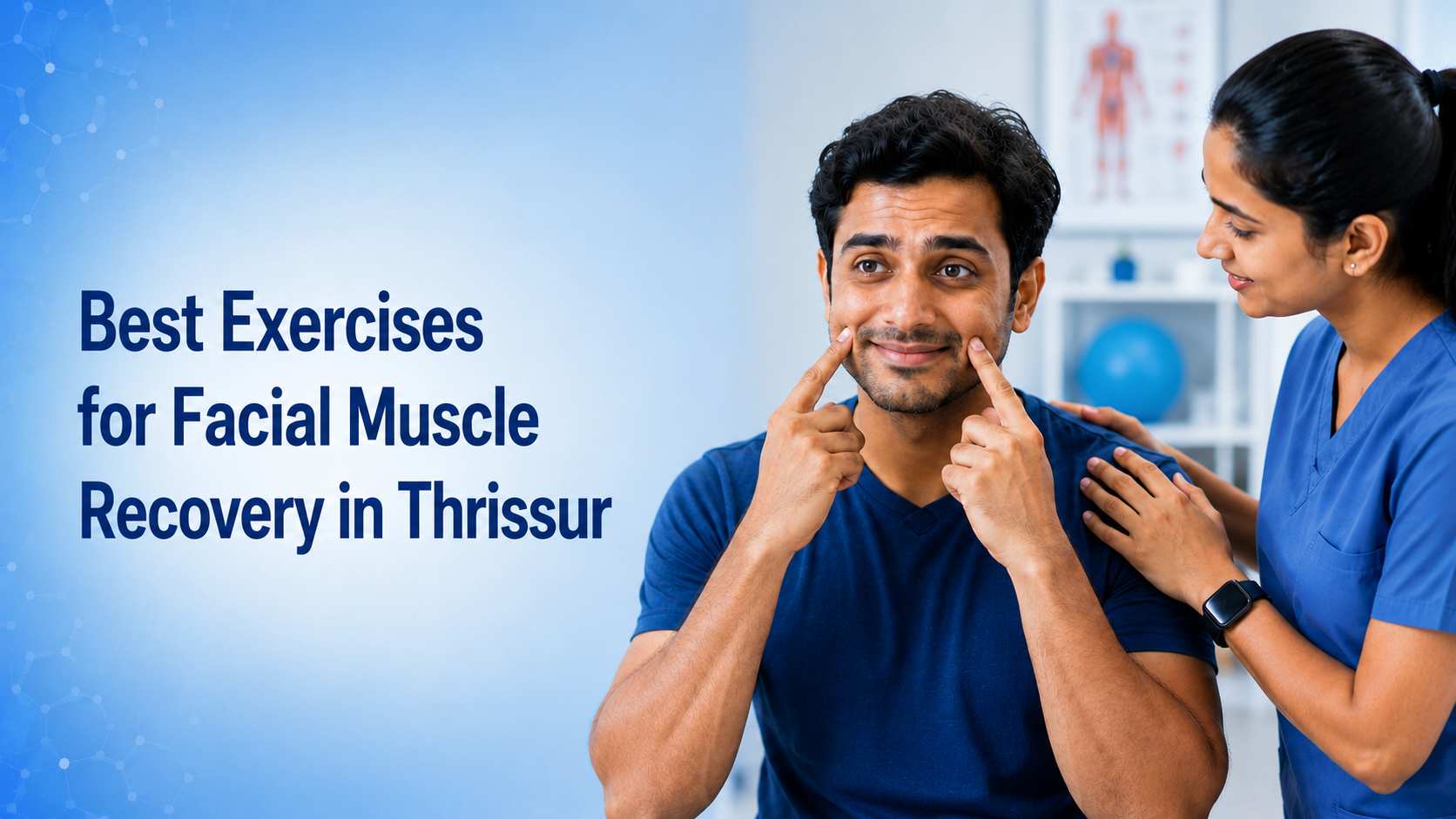
Understanding the best exercises for facial muscle recovery in Thrissur is important for individuals recovering from facial nerve weakness, facial palsy, or facial muscle imbalance. Facial muscles play a major role in expressions, speech, blinking, smiling, and overall facial coordination. When facial nerves become weak or damaged, rehabilitation exercises may help improve muscle movement and recovery over time.
Facial rehabilitation exercises are designed to stimulate weakened muscles, improve coordination, reduce stiffness, and support nerve healing. Consistent therapy and guided exercises often help individuals regain better facial control and improve confidence during recovery.
What Is Facial Muscle Weakness?
Facial muscle weakness occurs when the facial nerve cannot properly control facial movements. This may happen due to:
- Facial palsy
- Bell’s palsy
- Facial nerve injury
- Stroke-related weakness
- Trauma
- Neurological conditions
Symptoms may include uneven smiling, reduced facial expressions, speech difficulty, and trouble closing one eye.
Why Facial Exercises Are Important
Facial rehabilitation exercises help activate weakened muscles and encourage better muscle coordination.
Benefits of Facial Exercises:
- Improves facial symmetry
- Supports muscle strengthening
- Enhances facial expressions
- Reduces stiffness
- Encourages nerve recovery
- Helps improve speech coordination
Exercises should be performed consistently and carefully under rehabilitation guidance when necessary.
10 Best Exercises for Facial Muscle Recovery
1. Gentle Smiling Exercise
This exercise helps improve cheek and lip muscle movement.
How to Perform:
- Relax your face
- Slowly attempt a gentle smile
- Hold for a few seconds
- Repeat several times
This helps improve smile coordination and facial balance.
2. Eyebrow Raise Exercise
Eyebrow movements help stimulate upper facial muscles.
Steps:
- Attempt to raise both eyebrows evenly
- Hold briefly
- Relax slowly
Mirror practice may help improve coordination.
3. Eye Closure Exercise
Difficulty closing one eye is common during facial nerve weakness recovery.
How to Practice:
- Slowly close both eyes
- Hold for a few seconds
- Open gently
This may help improve eyelid muscle strength.
4. Lip Pursing Exercise
Lip exercises support speech and mouth coordination.
Exercise Method:
- Purse your lips slowly
- Hold briefly
- Relax and repeat
This helps improve lip muscle control.
5. Cheek Puff Exercise
Cheek exercises improve muscle activation and facial coordination.
Steps:
- Fill cheeks with air
- Hold for a few seconds
- Slowly release air
This exercise supports cheek muscle strengthening.
6. Nose Wrinkle Exercise
This exercise stimulates mid-face muscles.
How to Perform:
- Gently wrinkle the nose
- Hold briefly
- Relax slowly
Regular repetition may improve muscle activation.
7. Mirror Therapy Exercises
Mirror therapy helps improve facial awareness and coordination.
Benefits Include:
- Better muscle control
- Improved facial balance
- Enhanced movement accuracy
Watching movements carefully may improve rehabilitation results.
8. Speech Coordination Exercises
Speech exercises help improve facial movement during communication.
Common Practice:
- Repeating simple words
- Lip-controlled sounds
- Slow pronunciation practice
Speech coordination improves gradually with practice.
9. Facial Massage Therapy
Gentle massage may reduce stiffness and improve circulation.
Massage Benefits:
- Muscle relaxation
- Reduced tightness
- Improved facial comfort
Massage should be performed carefully and gently.
10. Controlled Facial Stretching
Stretching exercises may help maintain flexibility and reduce facial tightness during recovery.
How Often Should Facial Exercises Be Done?
Exercise routines vary depending on individual recovery needs.
General Recommendations:
- Practice consistently
- Avoid excessive force
- Perform exercises slowly
- Follow rehabilitation guidance
- Monitor muscle response
Overexertion should be avoided to prevent muscle strain.
When Will Results Become Noticeable?
Recovery speed varies depending on:
- Severity of nerve weakness
- Treatment timing
- Rehabilitation consistency
- Muscle condition
- Overall health
Some individuals notice improvement within weeks, while others may require longer rehabilitation periods.
Common Mistakes to Avoid
Avoid:
- Excessive facial strain
- Aggressive stretching
- Inconsistent exercise practice
- Ignoring rehabilitation guidance
Gentle and controlled movements usually provide better results.
Importance of Physiotherapy
Physiotherapy often plays an important role in facial rehabilitation.
Physiotherapy May Help:
- Improve coordination
- Strengthen facial muscles
- Reduce stiffness
- Support nerve recovery
- Enhance speech clarity
Professional rehabilitation guidance may improve long-term outcomes.
Emotional Recovery and Confidence
Facial muscle weakness can affect confidence and emotional wellbeing. Rehabilitation support and gradual progress often help individuals remain motivated during recovery.
Helpful approaches include:
- Staying consistent with exercises
- Practicing facial coordination daily
- Attending rehabilitation sessions
- Maintaining positive communication
Many individuals experience gradual improvement over time.
Conclusion
Understanding the best exercises for facial muscle recovery in Thrissur helps individuals support facial rehabilitation and improve muscle coordination during recovery. Facial exercises, physiotherapy, and consistent rehabilitation may help restore facial movement, speech clarity, and facial balance over time.
Recovery timelines vary depending on nerve involvement and rehabilitation consistency, but early therapy often improves outcomes significantly. Individuals seeking more information about facial rehabilitation and recovery can learn more about facial paralysis recovery and rehabilitation through trusted medical resources.
With proper therapy, guided exercises, and rehabilitation support, many individuals experience meaningful improvement in facial muscle strength and coordination.
Frequently Asked Questions
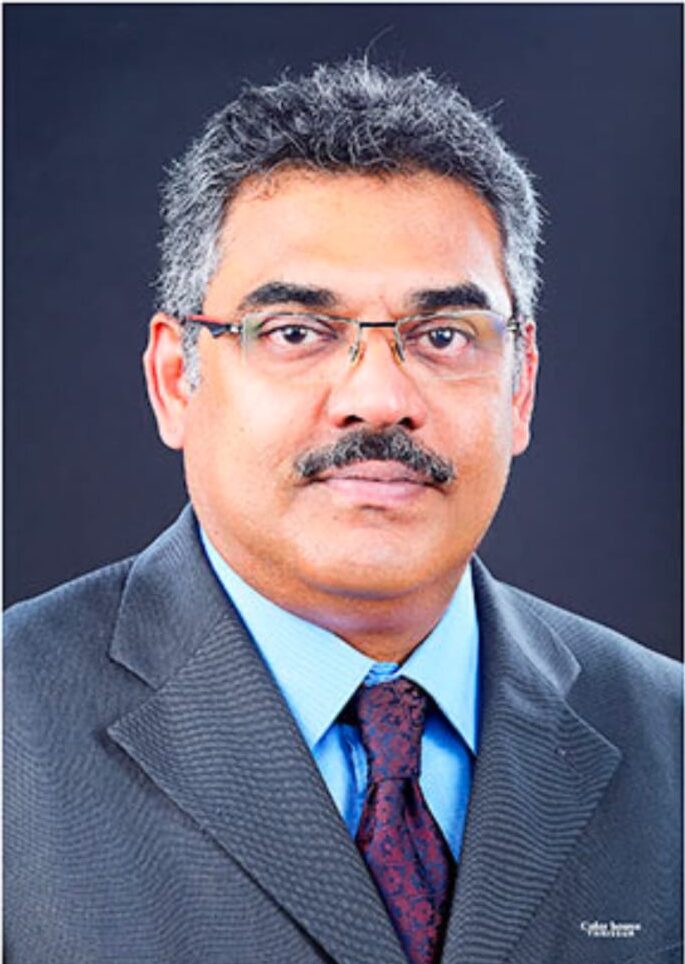
Dr. Pradeep Kumar
Plastic & Reconstructive Surgeon – Brachial Plexus & Nerve Surgery Specialist
Dr. Pradeep Kumar is an experienced plastic and reconstructive surgeon known for his expertise in brachial plexus and peripheral nerve surgery. With extensive microsurgical experience, he focuses on restoring movement and function for patients with complex nerve injuries.
Sushrutha Institute of Plastic Surgery, Elite Mission Hospital, Thrissur