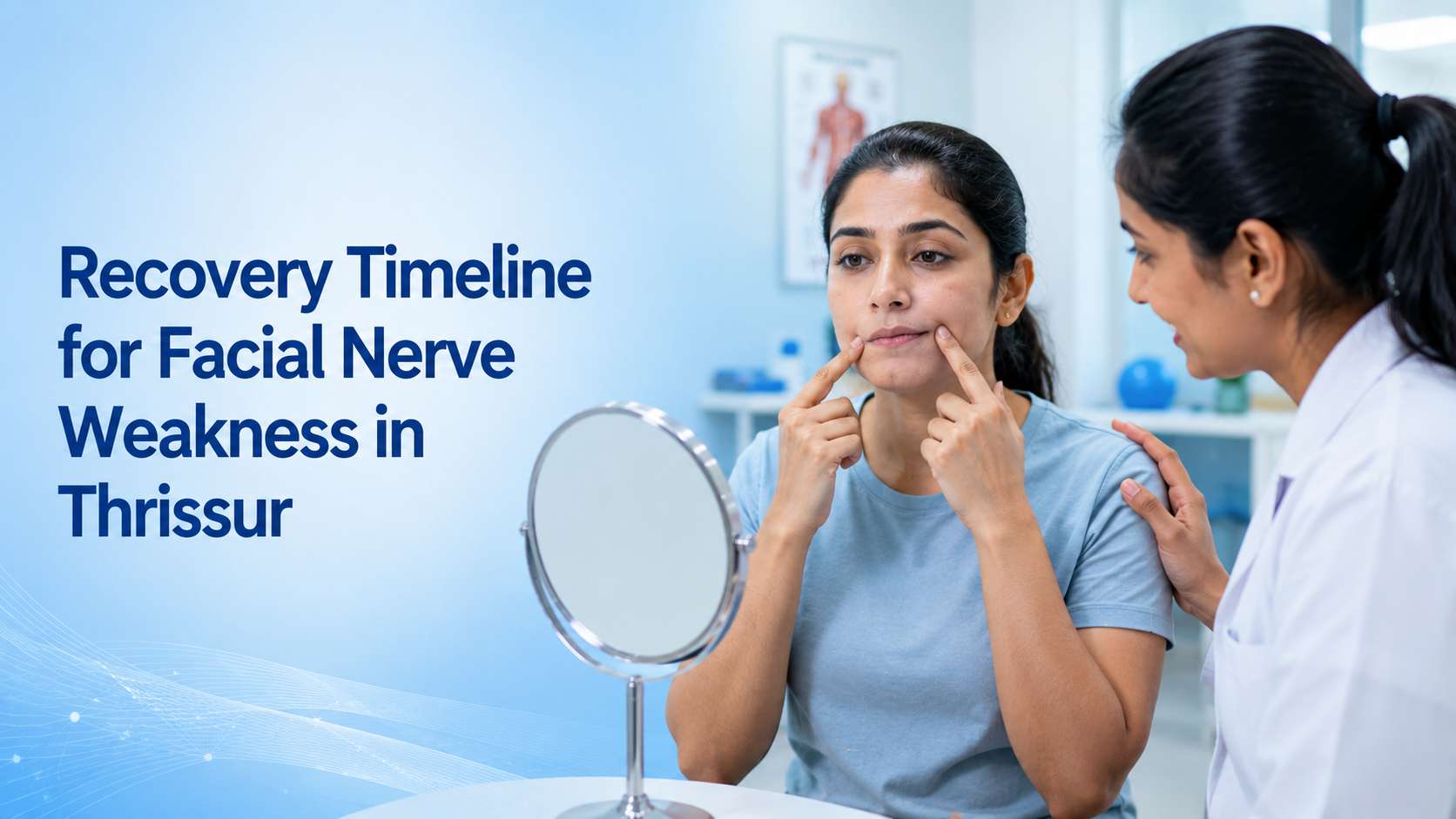
Understanding the recovery timeline for facial nerve weakness in Thrissur helps individuals know what to expect during healing and rehabilitation. Facial nerve weakness can affect facial expressions, speech, eye closure, smiling, and overall facial coordination. Recovery may vary from person to person depending on the cause, severity of nerve damage, treatment timing, and rehabilitation consistency.
Some individuals experience mild symptoms that improve within weeks, while others may require months of rehabilitation and facial muscle retraining. Early diagnosis, physiotherapy, facial exercises, and proper medical support often improve recovery outcomes and help restore facial movement gradually.
What Is Facial Nerve Weakness?
Facial nerve weakness occurs when the facial nerve becomes inflamed, compressed, injured, or damaged. The facial nerve controls:
- Facial expressions
- Smiling
- Eye closure
- Lip movement
- Speech coordination
- Cheek movement
When nerve signals are disrupted, facial muscles may become weak or partially paralyzed.
Understanding the Recovery Timeline
Recovery progresses differently for every individual. Mild nerve inflammation may recover faster, while severe nerve injury may require longer rehabilitation.
Several factors affect recovery:
- Severity of nerve damage
- Early treatment
- Underlying cause
- Physiotherapy consistency
- Age and general health
- Muscle rehabilitation response
Stage 1: Early Symptoms (First Few Days)
During the initial phase, individuals may notice:
- Sudden facial drooping
- Uneven smile
- Difficulty blinking
- Mouth weakness
- Facial tightness
- Mild speech difficulty
Early medical evaluation is important during this stage to identify the underlying cause and begin treatment promptly.
Stage 2: Initial Treatment Phase (Week 1–2)
Treatment often begins within the first two weeks.
Common Early Treatments:
- Medications
- Facial exercises
- Eye protection care
- Physiotherapy guidance
- Facial muscle stimulation
Many individuals begin rehabilitation during this period to maintain muscle activity and reduce stiffness.
Stage 3: Early Recovery Phase (Weeks 3–6)
Some people start noticing gradual improvements during this phase.
Possible Improvements:
- Better eye closure
- Slight smile improvement
- Reduced facial tightness
- Improved lip movement
- Better muscle coordination
Recovery speed varies depending on nerve involvement.
Stage 4: Rehabilitation Progress (2–3 Months)
Rehabilitation becomes increasingly important during this stage.
Therapy May Include:
- Facial muscle retraining
- Mirror exercises
- Neuromuscular therapy
- Massage therapy
- Speech coordination exercises
Many individuals experience noticeable facial movement improvement during this period.
Stage 5: Advanced Recovery Phase (3–6 Months)
Individuals with moderate nerve weakness may continue regaining:
- Facial symmetry
- Smile coordination
- Speech clarity
- Eye movement control
- Facial muscle balance
Consistent therapy often supports better long-term recovery.
Stage 6: Long-Term Recovery (6–12 Months)
Some individuals may continue improving for several months after the initial condition.
Long-term rehabilitation may help:
- Reduce facial stiffness
- Improve coordination
- Restore facial expressions
- Strengthen muscle movement
In severe cases, advanced rehabilitation or surgical procedures may sometimes be considered.
Factors That Influence Recovery Speed
Recovery timelines differ depending on multiple factors.
Important Recovery Factors:
- Early diagnosis
- Consistent physiotherapy
- Severity of nerve injury
- Age and muscle condition
- Overall health
- Rehabilitation participation
Individuals who begin therapy early often experience better muscle recovery outcomes.
Common Symptoms During Recovery
As nerves heal, temporary symptoms may continue.
Symptoms May Include:
- Muscle tightness
- Facial twitching
- Uneven movement
- Eye dryness
- Mild stiffness
- Fatigue during facial movement
These symptoms may gradually improve with rehabilitation.
Importance of Facial Rehabilitation Therapy
Facial rehabilitation helps retrain weakened muscles and improve facial coordination.
Rehabilitation Benefits:
- Improves muscle activation
- Supports facial symmetry
- Enhances speech coordination
- Reduces stiffness
- Encourages nerve recovery
Therapy is often customized according to individual recovery needs.
Facial Exercises Commonly Recommended
Therapists may suggest:
- Controlled smiling exercises
- Lip stretching movements
- Eye closure exercises
- Cheek strengthening activities
- Speech repetition practice
Regular exercises may help improve muscle coordination over time.
Emotional Recovery and Confidence
Facial nerve weakness can affect emotional wellbeing and confidence. Support from rehabilitation specialists, family, and therapy programs often helps individuals stay motivated during recovery.
Helpful approaches include:
- Consistent exercise practice
- Positive communication
- Gradual therapy progression
- Regular follow-up evaluations
Recovery may take time, but many individuals experience meaningful improvement with rehabilitation support.
When to Seek Further Evaluation
Medical evaluation is recommended if:
- Symptoms worsen
- Recovery stops progressing
- Severe eye problems occur
- Facial stiffness increases
- Muscle coordination declines
Additional testing may help assess nerve recovery status.
Conclusion
Understanding the recovery timeline for facial nerve weakness in Thrissur helps individuals prepare for rehabilitation and long-term recovery expectations. Facial nerve healing often occurs gradually, and consistent therapy plays an important role in restoring facial movement, speech coordination, and muscle balance.
While some individuals recover within weeks, others may require several months of rehabilitation and facial retraining. Early diagnosis, physiotherapy, and regular facial exercises can significantly improve recovery outcomes and quality of life. Individuals seeking additional information about facial paralysis rehabilitation can learn more about facial paralysis recovery and treatment options through trusted medical resources.
Frequently Asked Questions
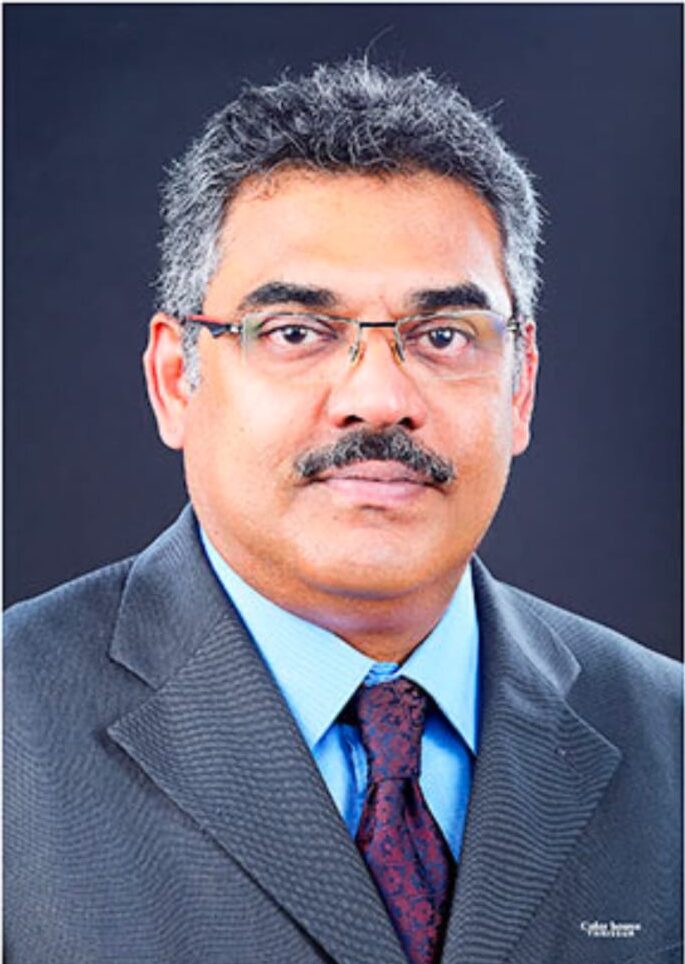
Dr. Pradeep Kumar
Plastic & Reconstructive Surgeon – Brachial Plexus & Nerve Surgery Specialist
Dr. Pradeep Kumar is an experienced plastic and reconstructive surgeon known for his expertise in brachial plexus and peripheral nerve surgery. With extensive microsurgical experience, he focuses on restoring movement and function for patients with complex nerve injuries.
Sushrutha Institute of Plastic Surgery, Elite Mission Hospital, Thrissur
Lorem ipsum dolor sit amet, consectetur adipiscing elit. Ut elit tellus, luctus nec ullamcorper mattis, pulvinar dapibus leo.
Lorem ipsum dolor sit amet, consectetur adipiscing elit. Ut elit tellus, luctus nec ullamcorper mattis, pulvinar dapibus leo.
Lorem ipsum dolor sit amet, consectetur adipiscing elit. Ut elit tellus, luctus nec ullamcorper mattis, pulvinar dapibus leo.
Lorem ipsum dolor sit amet, consectetur adipiscing elit. Ut elit tellus, luctus nec ullamcorper mattis, pulvinar dapibus leo.
Lorem ipsum dolor sit amet, consectetur adipiscing elit. Ut elit tellus, luctus nec ullamcorper mattis, pulvinar dapibus leo.
Lorem ipsum dolor sit amet, consectetur adipiscing elit. Ut elit tellus, luctus nec ullamcorper mattis, pulvinar dapibus leo.
Lorem ipsum dolor sit amet, consectetur adipiscing elit. Ut elit tellus, luctus nec ullamcorper mattis, pulvinar dapibus leo.
Lorem ipsum dolor sit amet, consectetur adipiscing elit. Ut elit tellus, luctus nec ullamcorper mattis, pulvinar dapibus leo.
Lorem ipsum dolor sit amet, consectetur adipiscing elit. Ut elit tellus, luctus nec ullamcorper mattis, pulvinar dapibus leo.
Lorem ipsum dolor sit amet, consectetur adipiscing elit. Ut elit tellus, luctus nec ullamcorper mattis, pulvinar dapibus leo.
Lorem ipsum dolor sit amet, consectetur adipiscing elit. Ut elit tellus, luctus nec ullamcorper mattis, pulvinar dapibus leo.
Lorem ipsum dolor sit amet, consectetur adipiscing elit. Ut elit tellus, luctus nec ullamcorper mattis, pulvinar dapibus leo.
Lorem ipsum dolor sit amet, consectetur adipiscing elit. Ut elit tellus, luctus nec ullamcorper mattis, pulvinar dapibus leo.
Lorem ipsum dolor sit amet, consectetur adipiscing elit. Ut elit tellus, luctus nec ullamcorper mattis, pulvinar dapibus leo.