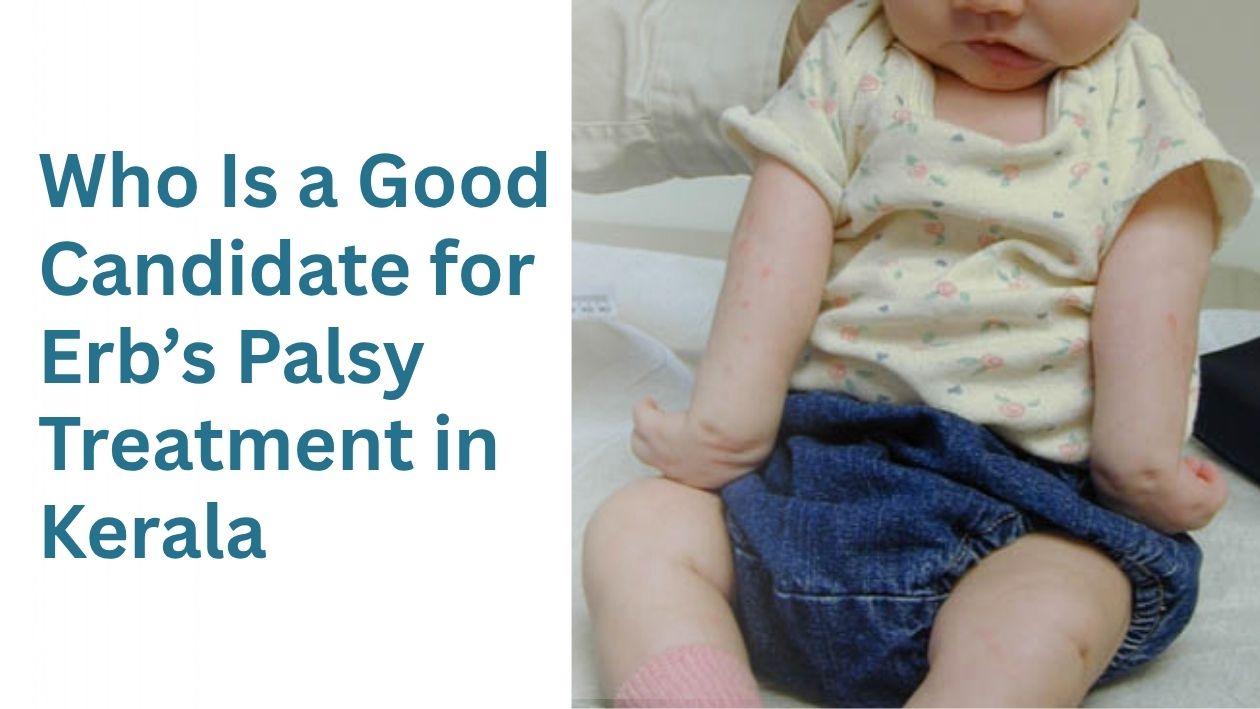
Who Is a Good Candidate for Erb’s Palsy Treatment in Kerala: Assessment Criteria, Severity Factors, and Care Planning
For individuals seeking evaluation and care in Kerala, understanding who is a good candidate for Erb’s palsy treatment helps in making informed decisions about management and recovery. Erb’s palsy is a condition caused by injury to the brachial plexus nerves, leading to weakness or limited movement in the shoulder and arm. Identifying suitable candidates for treatment depends on factors such as severity of nerve injury, age, functional limitations, and response to initial therapy. A structured assessment helps determine the most appropriate treatment approach.
Table of Contents
- What Defines a Good Candidate for Erb’s Palsy Treatment in Kerala
- Understanding the Severity of Nerve Injury
- Age and Timing of Treatment
- Presence of Functional Limitations
- Response to Non-Surgical Treatment
- Candidates for Physiotherapy-Based Treatment
- Candidates for Surgical Intervention
- Overall Health and Recovery Potential
- Importance of Early Evaluation
- Summary
1. What Defines a Good Candidate for Erb’s Palsy Treatment in Kerala
A good candidate for Erb’s palsy treatment in Kerala is someone experiencing symptoms related to brachial plexus nerve injury that affect arm movement, strength, or coordination. The suitability for treatment is determined through clinical evaluation, functional assessment, and diagnostic testing.
The goal is to identify individuals who can benefit from either conservative or surgical management.
2. Understanding the Severity of Nerve Injury
Severity plays a key role in determining candidacy. Patients may have:
- Mild nerve stretching with temporary weakness
- Partial nerve damage affecting movement
- Severe injury with complete loss of function
Mild cases are often good candidates for non-surgical treatment, while severe cases may require surgical intervention.
3. Age and Timing of Treatment
Age is an important factor in Erb’s palsy treatment. Candidates may include:
- Infants with birth-related nerve injury
- Children with delayed recovery
- Adults with trauma-related brachial plexus injury
Early evaluation improves the chances of recovery, especially in younger patients.
4. Presence of Functional Limitations
Candidates typically show functional challenges such as:
- Difficulty lifting the arm
- Limited shoulder movement
- Weak grip strength
- Poor coordination
These limitations help determine the need for treatment and its intensity.
5. Response to Non-Surgical Treatment
Initial treatment often includes physiotherapy and observation. Good candidates for continued non-surgical care are those who:
- Show gradual improvement in movement
- Maintain joint flexibility
- Demonstrate recovery over time
Lack of improvement may indicate the need for advanced treatment.
6. Candidates for Physiotherapy-Based Treatment
Physiotherapy is suitable for individuals with:
- Mild to moderate nerve injury
- Preserved muscle activity
- Partial functional ability
These patients benefit from exercises aimed at strengthening muscles and improving range of motion.
7. Candidates for Surgical Intervention
Surgery may be considered for patients who:
- Show no improvement after a defined period
- Have severe nerve damage
- Experience persistent functional loss
Surgical procedures may include nerve repair, grafting, or nerve transfer depending on the condition.
8. Overall Health and Recovery Potential
General health plays a role in determining candidacy. Important factors include:
- Ability to participate in rehabilitation
- Absence of conditions affecting healing
- Commitment to long-term therapy
Better overall health supports improved recovery outcomes.
9. Importance of Early Evaluation
Early consultation is important for identifying suitable candidates. Timely evaluation helps:
- Detect nerve injury early
- Start appropriate treatment
- Prevent complications such as stiffness
Early intervention often leads to better functional recovery.
Summary
Who is a good candidate for Erb’s palsy treatment in Kerala depends on multiple factors including severity of nerve injury, age, functional limitations, and response to initial therapy. Both non-surgical and surgical treatment options are considered based on individual needs. Early diagnosis, structured evaluation, and consistent rehabilitation are essential in improving outcomes. Identifying the right candidates ensures that treatment is timely, appropriate, and effective in restoring arm function and improving quality of life.
Frequently Asked Questions
1. Who is a good candidate for Erb’s palsy treatment?
A good candidate is someone with nerve-related arm weakness, limited movement, or functional issues due to brachial plexus injury.
2. Are infants good candidates for Erb’s palsy treatment?
Yes, infants with birth-related nerve injuries are often good candidates, especially when evaluated early.
3. Can adults be candidates for Erb’s palsy treatment?
Yes, adults with trauma-related brachial plexus injuries can also be suitable candidates for treatment.
4. How does severity affect candidacy?
Mild cases may need physiotherapy, while severe cases may require surgical treatment based on nerve damage.
5. Is physiotherapy enough for all candidates?
No, physiotherapy is suitable for mild to moderate cases, but severe cases may require additional interventions.
6. When is surgery considered for Erb’s palsy?
Surgery is considered when there is no improvement over time or when nerve damage is severe.
7. Does early treatment improve candidacy?
Yes, early evaluation and treatment improve the chances of recovery and better functional outcomes.
8. What role does overall health play?
Good overall health supports better healing, rehabilitation, and recovery after treatment.
9. Can patients with partial recovery still need treatment?
Yes, additional treatment may be needed to improve strength, movement, and function.
10. Who should seek evaluation for Erb’s palsy treatment?
Anyone experiencing arm weakness, limited motion, or nerve injury symptoms should seek medical evaluation.