Brachial Plexus Injury Specialist in Thrissur
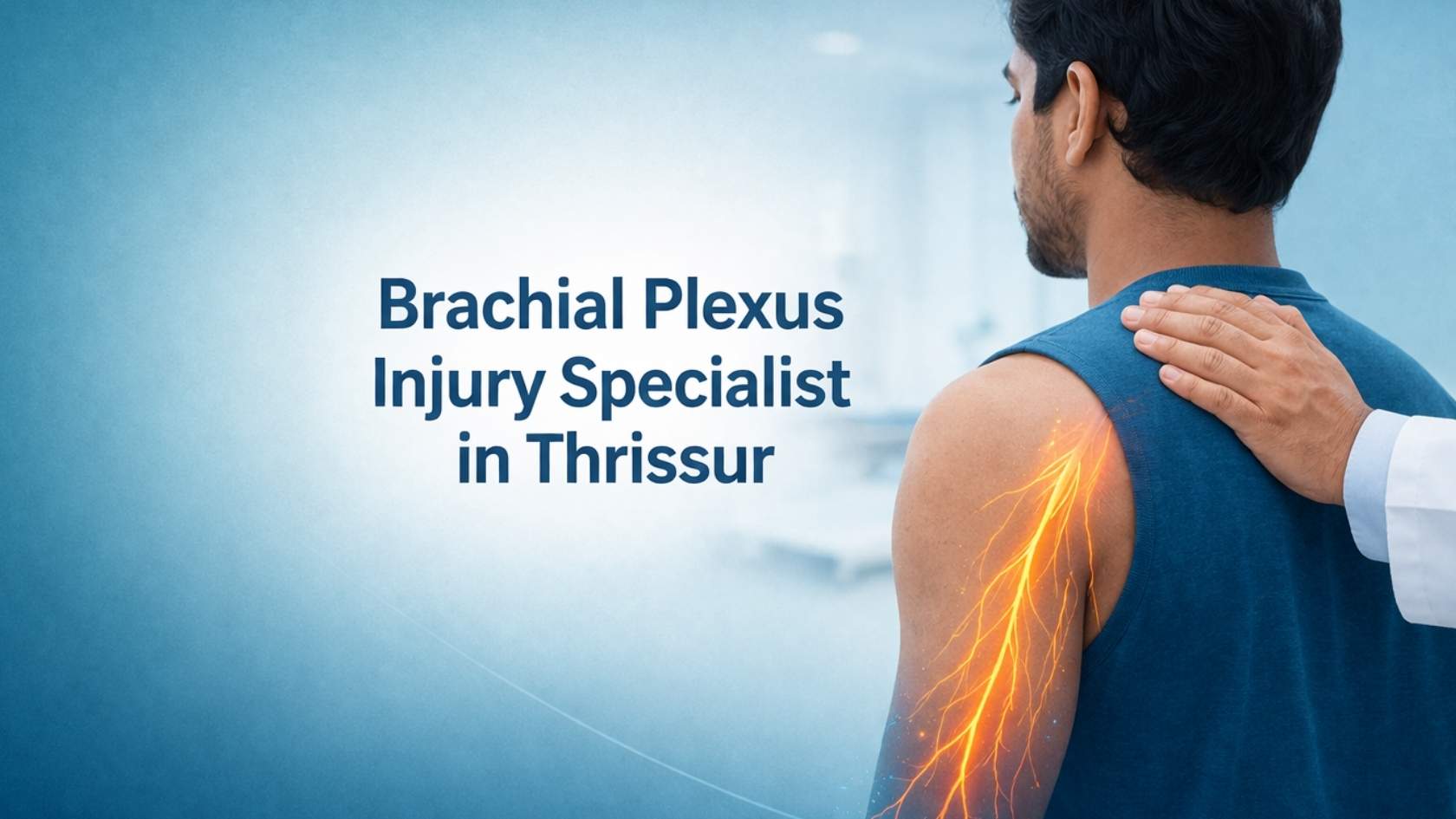
A brachial plexus injury is a complex nerve condition that affects the network of nerves controlling movement and sensation in the shoulder, arm, and hand. Access to a skilled brachial plexus injury specialist in Thrissur is essential because these injuries can lead to severe weakness, loss of function, or even paralysis if not treated properly and promptly.
The brachial plexus is a bundle of nerves that carries signals from the spinal cord to the upper limb. Damage to this network disrupts communication between the brain and the arm, resulting in impaired movement and sensation. These injuries commonly occur due to trauma, high-impact accidents, sports injuries, or complications during childbirth.
What Is a Brachial Plexus Injury?
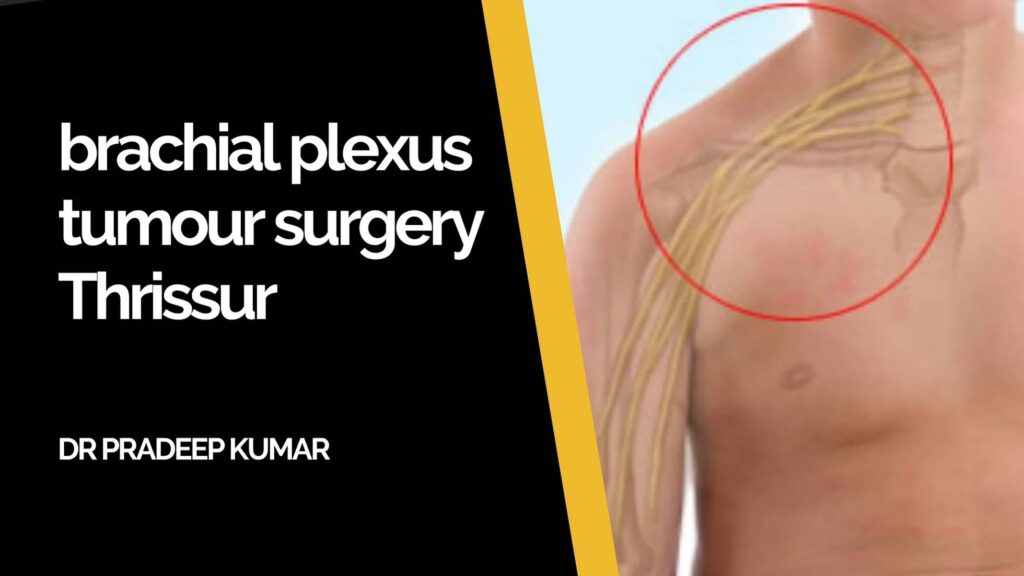
The brachial plexus originates from nerve roots in the neck and extends through the shoulder into the arm. It controls both motor function (movement) and sensory function (feeling). When these nerves are stretched, compressed, torn, or pulled away from the spinal cord, a brachial plexus injury occurs.
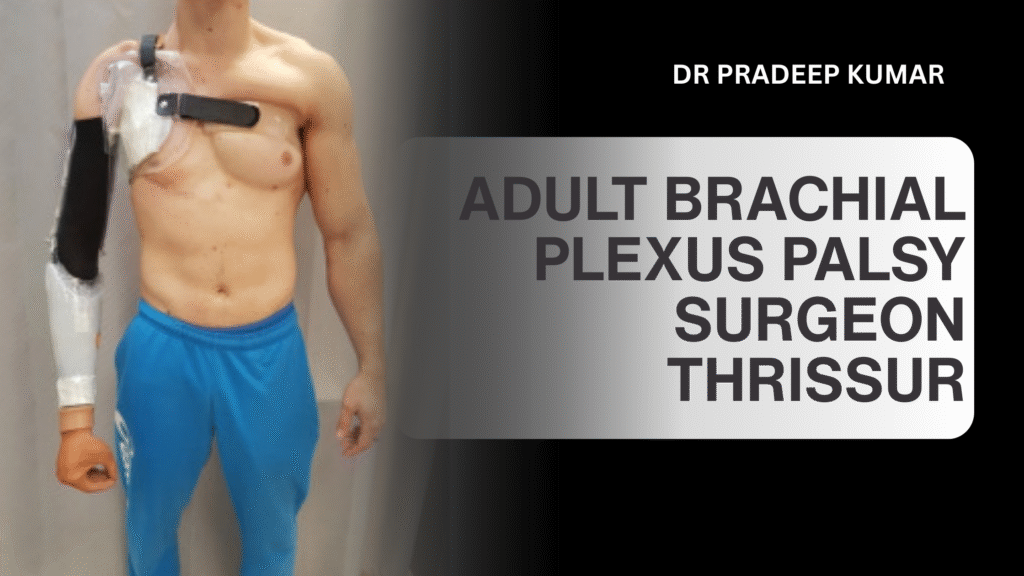
Such damage can partially or completely interrupt nerve signals, causing weakness, numbness, or loss of control in the arm and hand. In severe cases, the arm may become completely nonfunctional.
Minor injuries may heal over time, but severe injuries often require specialized medical or surgical treatment to restore function.
Causes of Brachial Plexus Injury
Brachial plexus injuries can happen in many situations, most of which involve forceful stretching or trauma to the neck and shoulder region.
Common causes include:
- Road traffic accidents
- Motorcycle accidents
- Falls from height
- Sports injuries, especially contact sports
- Industrial or workplace accidents
- Penetrating injuries such as cuts or gunshots
- Birth-related trauma in newborns
- Tumors or inflammation affecting the nerves
High-energy trauma is the most frequent cause in adults, often occurring when the head is forced away from the shoulder, stretching the nerves.
Symptoms of Brachial Plexus Injury
Symptoms vary depending on the severity and location of nerve damage. Some patients experience mild weakness, while others may lose all function in the affected arm.
Typical symptoms include:
- Weakness in the shoulder, arm, or hand
- Loss of sensation or numbness
- Tingling or “electric shock” sensation
- Burning or severe nerve pain
- Reduced grip strength
- Difficulty lifting or rotating the arm
- Muscle wasting over time
- Partial or complete paralysis of the arm
Severe injuries can result in permanent disability if not treated appropriately.
Types of Brachial Plexus Injuries
Specialists classify brachial plexus injuries based on the nature and severity of nerve damage.
1. Neuropraxia (Stretch Injury)
This is the mildest form, where nerves are stretched but not torn. Recovery is often spontaneous within weeks or months.
2. Rupture
The nerve is torn but not pulled from the spinal cord. Surgical repair may be necessary to restore function.
3. Avulsion
This is the most severe type, where the nerve root is completely detached from the spinal cord. Functional recovery is challenging and usually requires complex reconstruction procedures.
4. Compression Injury
Pressure from swelling, scar tissue, or surrounding structures damages the nerves.
Accurate classification helps specialists determine the most effective treatment plan.
Diagnosis by a Brachial Plexus Injury Specialist
A specialist conducts a comprehensive evaluation to determine the extent of nerve damage and plan treatment.
Diagnostic methods commonly include:
- Detailed physical examination
- Assessment of muscle strength and reflexes
- Sensory testing
- X-rays to detect fractures
- MRI scans to visualize nerve structures
- CT myelography in complex cases
- Electromyography (EMG)
- Nerve conduction studies
These tests assess how well electrical signals travel through the nerves and muscles, helping identify the severity of injury.
Early and accurate diagnosis is critical because treatment timing significantly affects recovery outcomes.
Non-Surgical Treatment Options
Not all brachial plexus injuries require surgery. Mild to moderate cases may improve with conservative management under specialist supervision.
Non-surgical treatments include:
Physiotherapy
Therapeutic exercises maintain joint mobility, prevent stiffness, and strengthen muscles as nerve recovery occurs.
Occupational Therapy
Helps patients regain independence in daily activities such as dressing, eating, and writing.
Pain Management
Medications, nerve pain treatments, and supportive therapies help control discomfort.
Splints and Braces
Provide support, maintain proper limb positioning, and prevent contractures.
Many mild injuries recover gradually over weeks to months with these approaches.
Surgical Treatment Options
Severe injuries often require advanced microsurgical procedures performed by experienced specialists.
Nerve Repair
Direct reconnection of severed nerve ends when possible.
Nerve Grafting
Healthy nerve segments from another part of the body are used to bridge gaps in damaged nerves.
Nerve Transfer
A functioning nearby nerve is redirected to restore movement in paralyzed muscles.
Muscle or Tendon Transfer
Muscle from another area is relocated to restore essential arm function when nerve repair alone is insufficient.
Surgery aims to reduce pain, restore sensation, and improve mobility in the affected limb.
Importance of Early Specialist Care
Timing plays a crucial role in recovery from brachial plexus injury. Muscles lose their ability to function permanently if they remain without nerve supply for too long.
Early intervention helps:
- Preserve muscle viability
- Improve chances of nerve regeneration
- Prevent joint stiffness
- Reduce chronic pain
- Enhance functional recovery
Patients with persistent weakness or loss of function after trauma should seek specialist evaluation as soon as possible.
Rehabilitation and Recovery Process
Recovery from brachial plexus injury is gradual and often requires long-term rehabilitation.
Rehabilitation programs may include:
- Range-of-motion exercises
- Strength training
- Sensory re-education
- Functional task training
- Electrical stimulation therapy
- Psychological support for coping with disability
Nerve regeneration occurs slowly, often at a rate of about 1 millimeter per day, so patience and consistent therapy are essential.
Who Needs a Brachial Plexus Injury Specialist?
Specialist consultation is recommended for:
- Individuals with arm weakness after trauma
- Persistent numbness or loss of sensation
- Difficulty lifting or moving the arm
- Severe nerve pain in the shoulder or arm
- Loss of hand function
- Newborns with limited arm movement after birth
A multidisciplinary approach involving neurologists, neurosurgeons, plastic surgeons, and rehabilitation experts often provides the best outcomes.
Long-Term Outlook
The prognosis depends on several factors:
- Severity of nerve damage
- Type of injury
- Age of the patient
- Time taken to start treatment
- Quality of rehabilitation
Many people with mild injuries recover most or all of their arm function, while severe injuries may result in lasting disability despite treatment.
Advances in microsurgery and rehabilitation have significantly improved outcomes for patients with complex nerve injuries.
When to Seek Immediate Medical Attention
Urgent evaluation is necessary if you experience:
- Sudden loss of arm movement after an accident
- Severe shoulder or neck injury
- Persistent numbness or tingling
- Intense nerve pain
- Inability to grip objects
- Visible muscle wasting
Prompt treatment can make the difference between full recovery and permanent impairment.
Conclusion
A brachial plexus injury is a serious condition that affects the nerves responsible for arm movement and sensation. Proper diagnosis, timely treatment, and structured rehabilitation under an experienced specialist are essential for restoring function and improving quality of life. Advanced medical care, modern surgical techniques, and dedicated rehabilitation programs available in Thrissur provide patients with effective options for managing even complex nerve injuries and achieving the best possible recovery.
Frequently Asked Questions
A brachial plexus injury is damage to the network of nerves that controls movement and sensation in the shoulder, arm, and hand. It can result in weakness, numbness, or paralysis depending on the severity.
Common causes include road traffic accidents, falls, sports injuries, workplace trauma, and birth-related complications. High-impact injuries are the most frequent cause in adults.
Symptoms may include arm weakness, numbness, tingling, severe nerve pain, loss of sensation, reduced grip strength, or inability to move the arm.
Mild stretch injuries may heal naturally over time, but moderate to severe injuries often require medical treatment or surgery for recovery.
You should consult a specialist immediately if you experience persistent weakness, loss of movement, severe pain, or numbness in the arm after an injury.
Diagnosis involves physical examination and tests such as MRI, CT scan, nerve conduction studies, and electromyography (EMG) to assess nerve damage.
Treatment options include physiotherapy, medications, splints, nerve repair surgery, nerve grafting, nerve transfer, or muscle transfer depending on severity.
Recovery varies widely. Mild injuries may improve within weeks to months, while severe injuries requiring surgery can take months to years with rehabilitation.
No. Surgery is usually recommended only for severe injuries where nerves are torn or not recovering with conservative treatment.
Many patients regain significant function, especially with early treatment, though outcomes depend on the extent of nerve damage and rehabilitation.
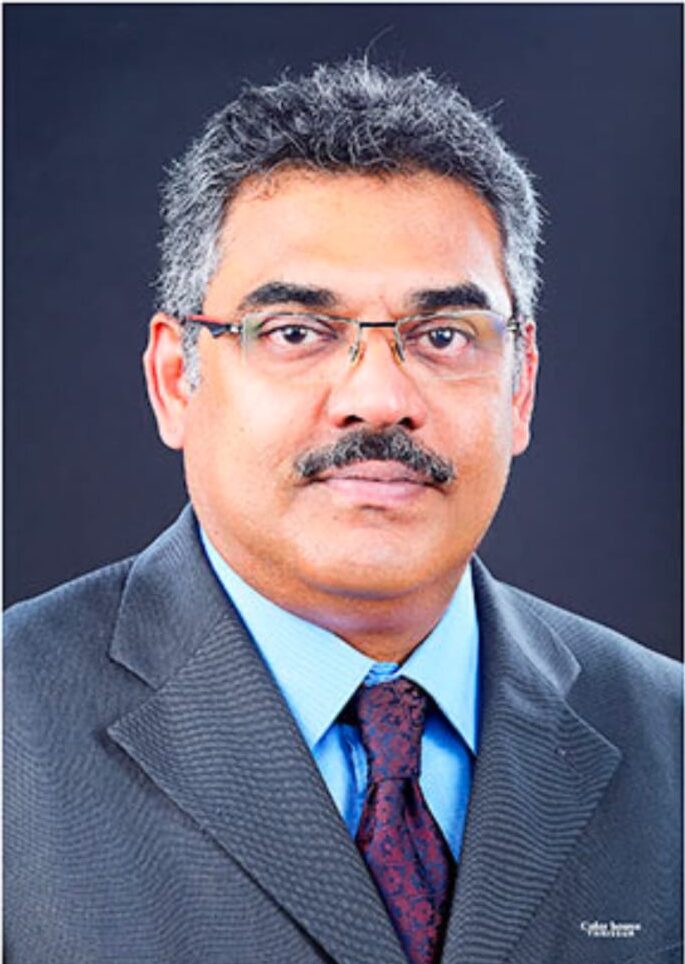
Dr. Pradeep Kumar
Plastic & Reconstructive Surgeon – Brachial Plexus & Nerve Surgery Specialist
Dr. Pradeep Kumar is an experienced plastic and reconstructive surgeon known for his expertise in brachial plexus and peripheral nerve surgery. With extensive microsurgical experience, he focuses on restoring movement and function for patients with complex nerve injuries.
Sushrutha Institute of Plastic Surgery, Elite Mission Hospital, Thrissur