Real Outcomes of Erb’s Palsy Before and After Results in Thrissur
Erb’s Palsy Before and After Results in Thrissur is a topic that many parents and caregivers search for when trying to understand the real impact of treatment on a child’s recovery. This condition, which affects the movement and strength of a child’s arm due to nerve injury, can be concerning at first. However, with the right treatment approach, many children show significant improvement over time. Understanding what happens before treatment and what changes after intervention can help set realistic expectations and provide reassurance.
Understanding Erb’s Palsy
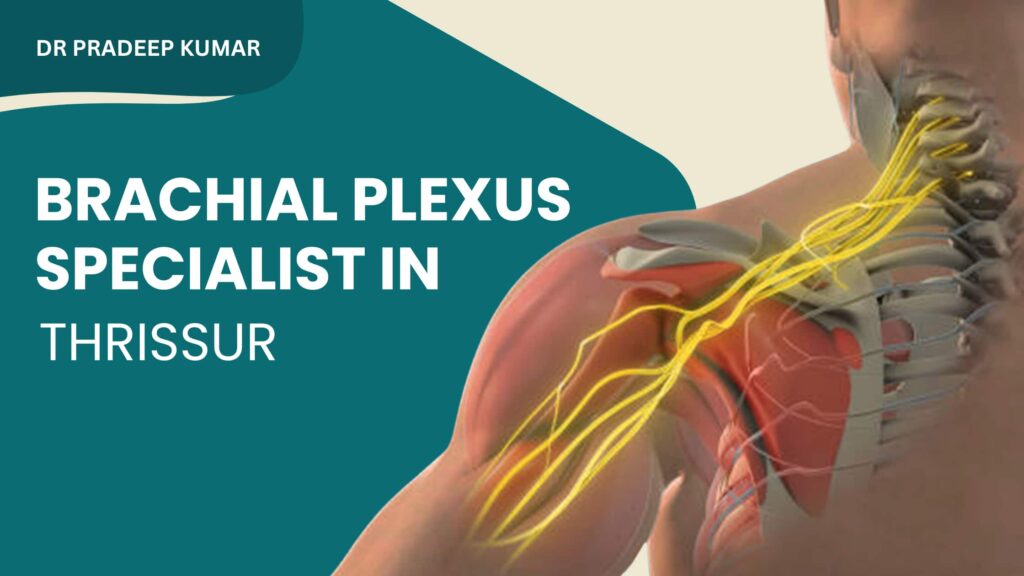
Erb’s palsy is a condition caused by damage to the brachial plexus nerves, which are responsible for controlling movement and sensation in the shoulder, arm, and hand. This injury often occurs during childbirth when there is excessive stretching of the baby’s neck and shoulder area.
Children with this condition may show symptoms such as weakness in one arm, limited movement, or an abnormal position of the limb. The severity can vary from mild cases that recover naturally to more serious cases that require medical intervention.
Before Treatment: What to Expect
Before any treatment begins, the signs of Erb’s palsy can be clearly observed. Parents may notice that the baby’s arm is not moving as actively as the other. In some cases, the arm may remain in a fixed position, and the child may not be able to lift or rotate it properly.
At this stage, medical evaluation plays a crucial role. Doctors assess the level of nerve damage through physical examination and sometimes imaging tests. Early diagnosis helps in planning the most effective treatment strategy.
The “before” phase can feel uncertain for families. However, it is important to understand that many cases improve with early intervention, especially when guided by proper care and therapy.
Treatment Options for Erb’s Palsy
Treatment depends on the severity of the condition. Mild cases often improve with physiotherapy, while more severe cases may require surgical intervention.
Physiotherapy and Exercises
Physiotherapy is usually the first step in treatment. Gentle exercises help maintain joint flexibility and prevent stiffness. These exercises also stimulate nerve recovery and improve muscle strength over time.
Surgical Intervention
In cases where there is no significant improvement within a few months, surgery may be recommended. Surgical procedures focus on repairing or grafting damaged nerves to restore function.
Ongoing Rehabilitation
Even after surgery, rehabilitation is essential. Continuous therapy ensures that the child regains as much movement and strength as possible.
After Treatment: Visible Improvements
The “after” phase is where positive changes become noticeable. The extent of improvement depends on factors such as the severity of the injury, timing of treatment, and consistency of therapy.
Many children begin to show gradual improvements in arm movement. They may start lifting their arm, gripping objects, and performing activities that were previously difficult. Over time, muscle strength improves, and coordination becomes better.
In successful cases, children can regain near-normal function, allowing them to carry out daily activities without major limitations.
Comparing Before and After Results
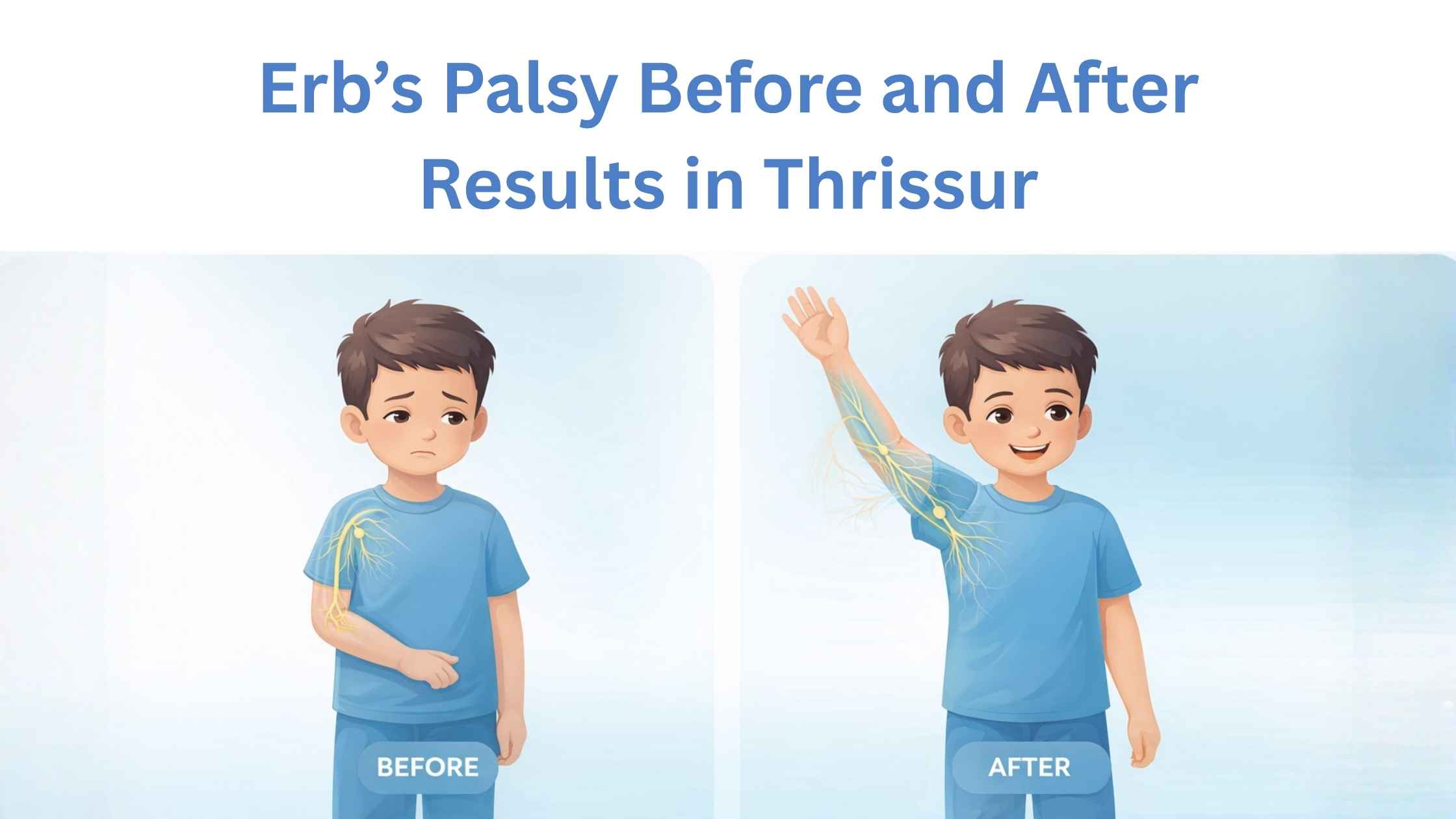
When comparing before and after results, the transformation can be significant. Initially, the arm may appear weak and inactive. After treatment, there is often a noticeable increase in mobility and strength.
Parents may observe:
- Improved range of motion in the shoulder and elbow
- Better grip strength in the hand
- Increased ability to perform daily activities
- Enhanced overall coordination
These changes highlight the effectiveness of timely and appropriate treatment.
Factors That Influence Recovery
Several factors affect the outcome of Erb’s palsy treatment:
Severity of Nerve Injury
Mild injuries tend to recover faster, while severe cases may require more time and advanced treatment.
Early Diagnosis
Early identification allows for quicker intervention, which significantly improves recovery outcomes.
Consistency of Therapy
Regular physiotherapy and follow-up care play a vital role in achieving the best results.
Type of Treatment
Whether the child undergoes physiotherapy alone or requires surgery also influences the recovery timeline.
Role of Physiotherapy in Before and After Results
Physiotherapy is one of the most important aspects of treatment. It bridges the gap between before and after results by gradually improving movement and strength.
Therapists guide parents on exercises that can be done at home. These exercises help maintain flexibility and encourage nerve healing. Over time, consistent therapy leads to visible improvements, making a significant difference in the child’s recovery journey.
Timeline of Recovery
Recovery does not happen overnight. It is a gradual process that requires patience and dedication.
- First Few Months: Initial improvements may be seen with therapy
- Six Months: Noticeable changes in movement and strength
- One Year: Significant recovery in many cases
- Beyond One Year: Continued improvement with ongoing therapy
Each child’s progress is unique, and results may vary.
Emotional Impact on Families
The journey from before to after treatment is not just physical but also emotional. Parents may feel anxious during the early stages, especially when they notice limited movement in their child’s arm.
However, seeing gradual improvement brings hope and confidence. Understanding the recovery process helps families stay positive and committed to treatment.
Support from healthcare professionals and consistent care at home play a crucial role in achieving the best outcomes.
Importance of Early Intervention
One of the most critical aspects of achieving good before and after results is early intervention. The sooner the condition is identified and treated, the better the chances of recovery.
Delaying treatment can lead to complications such as joint stiffness or muscle weakness. Early physiotherapy and timely surgical decisions can significantly improve the overall outcome.
Long-Term Outcomes
In many cases, children with Erb’s palsy go on to lead normal, active lives. With proper treatment and rehabilitation, they can achieve a high level of independence.
Some children may have minor limitations, but these often do not interfere significantly with daily activities. Regular follow-ups ensure that any issues are addressed promptly.
Tips for Parents
Parents play a key role in the recovery process. Here are some helpful tips:
- Follow the prescribed physiotherapy routine consistently
- Attend all medical appointments and follow-ups
- Encourage the child to use the affected arm in daily activities
- Stay patient and positive throughout the recovery journey
These steps can make a significant difference in the final outcome.
Conclusion
Understanding Erb’s Palsy Before and After Results in Thrissur provides valuable insight into the recovery journey of affected children. While the condition may seem concerning initially, the results after proper treatment can be highly encouraging. From limited movement before treatment to improved strength and function after intervention, the transformation can be remarkable.
With early diagnosis, appropriate treatment, and consistent therapy, many children achieve excellent recovery outcomes. For families navigating this journey, staying informed and committed to care can make all the difference in achieving the best possible results.
Frequently Asked Questions
1. What are the before and after results of Erb’s palsy treatment?
Before treatment, a child may have weak or limited arm movement, while after proper treatment, there is noticeable improvement in strength, mobility, and function.
2. How long does it take to see results after Erb’s palsy treatment?
Initial improvements may appear within a few months, but full recovery can take several months to a year depending on the severity.
3. Can Erb’s palsy fully recover after treatment?
Many children achieve significant or near-complete recovery, especially with early intervention and consistent physiotherapy.
4. What changes are visible after successful treatment?
After treatment, improved arm movement, better muscle strength, and enhanced coordination are commonly seen.
5. Does every child need surgery for Erb’s palsy?
No, mild cases often improve with physiotherapy alone, while severe cases may require surgical intervention.
6. How important is physiotherapy in before and after results?
Physiotherapy plays a key role in recovery by improving flexibility, strength, and nerve function over time.
7. Are the results of Erb’s palsy treatment permanent?
In most cases, the improvements are long-lasting, especially when proper rehabilitation is followed.
8. What factors affect Erb’s palsy recovery outcomes?
Factors include the severity of nerve injury, timing of treatment, consistency of therapy, and overall health of the child.
9. Can delayed treatment affect before and after results?
Yes, delayed treatment can slow recovery and may lead to reduced improvement in arm function.
10. Is there a difference in results between physiotherapy and surgery?
Yes, physiotherapy helps in mild cases, while surgery may be needed for severe nerve damage to achieve better recovery outcomes.
Dr. Pradeep Kumar
Plastic & Reconstructive Surgeon – Brachial Plexus & Nerve Surgery Specialist
Dr. Pradeep Kumar is an experienced plastic and reconstructive surgeon known for his expertise in brachial plexus and peripheral nerve surgery. With extensive microsurgical experience, he focuses on restoring movement and function for patients with complex nerve injuries.
Sushrutha Institute of Plastic Surgery, Elite Mission Hospital, Thrissur