Erb’s Palsy Surgery Risks in Kerala: Safety, Side Effects, and Long-Term Outcomes Explained
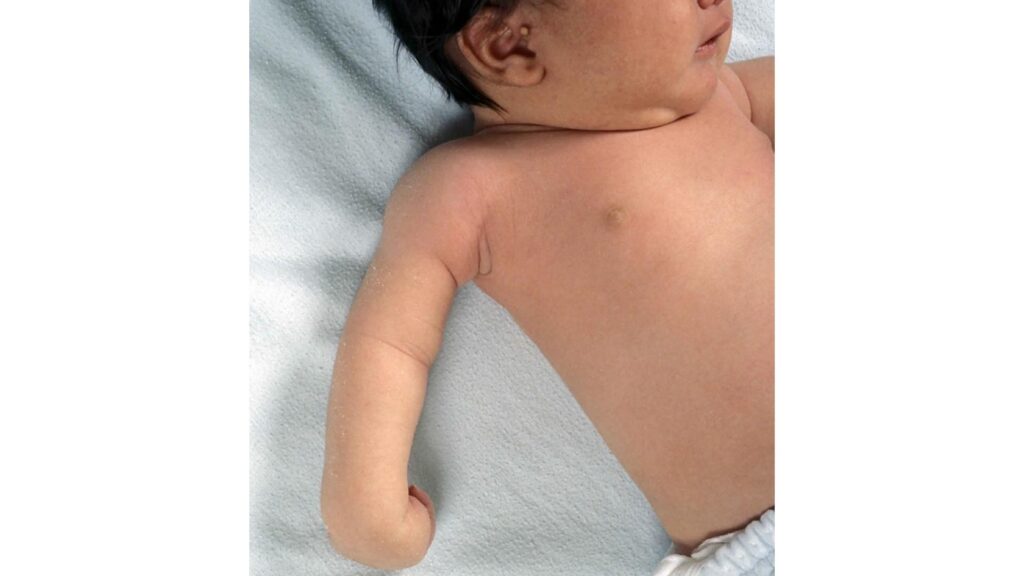
Erb’s palsy is a condition caused by injury to the brachial plexus nerves, often occurring during childbirth and affecting movement and strength in the shoulder and arm. When conservative treatments do not provide sufficient improvement, surgery may be recommended. Understanding Erb’s palsy surgery risks in Kerala is essential for parents and caregivers before making informed decisions about treatment.
In Kerala, advanced medical facilities and experienced specialists have made surgical management of Erb’s palsy safer and more effective. However, like any surgical procedure, it carries certain risks, side effects, and long-term considerations that should be clearly understood.
Understanding Erb’s Palsy Surgery
Surgical treatment for Erb’s palsy is usually considered when there is limited recovery after months of physiotherapy. The procedure focuses on repairing damaged nerves or improving function through techniques such as nerve grafting or nerve transfer.
The goal of surgery is to restore movement, improve muscle strength, and enhance the overall quality of life. However, the success and risk levels depend on several factors including the severity of the nerve injury and timing of intervention.
Is Erb’s Palsy Surgery Safe?
Erb’s palsy surgery is generally considered safe when performed by experienced specialists using modern techniques. In Kerala, many healthcare centers follow strict safety protocols, advanced surgical methods, and post-operative care guidelines to minimize complications.
Despite these advancements, no surgery is completely risk-free. The level of safety depends on factors such as the child’s overall health, the extent of nerve damage, and the expertise of the surgical team.
Common Risks of Erb’s Palsy Surgery
1. Infection
Infection is a possible risk in any surgical procedure. Proper sterilization and post-operative care usually reduce this risk significantly.
2. Bleeding and Swelling
Some degree of bleeding and swelling may occur after surgery. These are generally temporary but require monitoring.
3. Nerve Damage
Since the surgery involves delicate nerve structures, there is a risk of further nerve injury. This may affect recovery or delay improvement.
4. Limited Improvement in Function
In some cases, surgery may not fully restore movement or strength. The outcome can vary depending on the severity of the condition.
5. Scar Formation
Surgical procedures may lead to visible scarring. While usually minimal, it can vary based on healing and surgical technique.
Possible Side Effects After Surgery
After Erb’s palsy surgery, some side effects may occur during the recovery phase:
- Temporary pain or discomfort
- Reduced mobility in the early stages
- Muscle stiffness
- Sensitivity around the surgical area
These side effects are usually manageable with proper care, medication, and physiotherapy.
Factors That Influence Surgical Risks
Severity of Nerve Injury
Severe nerve damage increases the complexity of surgery and may raise the risk of complications.
Timing of Surgery
Early intervention often leads to better outcomes and reduced risks compared to delayed treatment.
Experience of the Surgical Team
Highly skilled specialists are better equipped to handle complex cases, reducing the chances of complications.
Post-Surgical Care
Proper rehabilitation and follow-up care play a crucial role in minimizing risks and improving outcomes.
Long-Term Outcomes of Erb’s Palsy Surgery
The long-term results of surgery depend on multiple factors, including the type of procedure and consistency of rehabilitation.
Positive Outcomes
- Improved arm movement and strength
- Better coordination and function
- Enhanced quality of life
Possible Long-Term Challenges
- Partial recovery of movement
- Need for additional procedures in some cases
- Ongoing physiotherapy requirements
While many patients experience significant improvement, complete recovery may not always be possible, especially in severe cases.
Importance of Rehabilitation After Surgery
Rehabilitation is a critical part of recovery after Erb’s palsy surgery. Physiotherapy helps in:
- Strengthening muscles
- Improving flexibility
- Enhancing nerve function
Consistent therapy can significantly improve surgical outcomes and reduce long-term complications.
How to Reduce the Risks of Erb’s Palsy Surgery
There are several ways to minimize surgical risks:
- Early diagnosis and timely intervention
- Choosing experienced specialists
- Following pre- and post-operative instructions carefully
- Attending regular follow-up appointments
- Maintaining consistent physiotherapy sessions
Taking these steps can improve safety and increase the chances of successful recovery.
Benefits of Undergoing Surgery in Kerala
Kerala offers several advantages for Erb’s palsy treatment:
- Access to advanced healthcare facilities
- Availability of skilled medical professionals
- Modern surgical techniques
- Comprehensive rehabilitation services
These factors contribute to safer procedures and better outcomes for patients.
When to Consider Surgery
Surgery is typically recommended when:
- There is no significant improvement with physiotherapy
- Severe nerve damage is diagnosed
- Functional limitations persist over time
A proper evaluation helps determine the necessity and timing of surgery.
Conclusion
Understanding Erb’s palsy surgery risks in Kerala is essential for making informed decisions about treatment. While surgery offers the possibility of improved function and quality of life, it also involves certain risks and side effects that must be carefully considered.
With advancements in medical care, experienced specialists, and proper rehabilitation, many of these risks can be effectively managed. Early intervention, careful planning, and consistent follow-up play a vital role in achieving the best possible outcomes.
By being aware of safety aspects, potential complications, and long-term expectations, families can confidently navigate the treatment journey and ensure better recovery and care in Kerala.
Table Of Content
Erb’s Palsy Treatment
Erb’s palsy treatment in Thrissur focuses on improving arm function through physiotherapy, nerve repair procedures, and long-term rehabilitation. Learn more
Consultation
During consultation in Thrissur, the doctor evaluates arm movement, muscle strength, nerve involvement, and plans appropriate treatment. Learn more
Cost
The cost in Thrissur varies based on severity, treatment type, surgical needs, and rehabilitation requirements. Learn more
Preparation
Preparation in Kerala includes medical evaluation, imaging studies, preoperative planning, and arranging postoperative rehabilitation support. Learn more
Procedures
Treatment procedures in Thrissur may include nerve grafting, nerve transfers, muscle release procedures, and structured physiotherapy programs. Learn more
Frequently Asked Questions
The main risks include infection, bleeding, nerve damage, scarring, and limited improvement in arm function.
Yes, it is generally safe when performed by experienced specialists, but like any surgery, it carries some risks.
Common side effects include temporary pain, swelling, stiffness, and reduced mobility during the recovery phase.
There is a small risk of additional nerve damage during surgery, but advanced techniques help minimize this risk.
Long-term outcomes may include improved movement and strength, though some patients may have partial recovery.
Recovery can take several months and depends on the severity of the condition and rehabilitation efforts.
Complications are not very common but can occur in some cases depending on the complexity of the surgery.
Risks can be reduced with early diagnosis, choosing experienced specialists, and following proper post-surgical care.
Yes, physiotherapy plays a key role in recovery and helps minimize stiffness and improve function.
No, full recovery is not guaranteed, but surgery can significantly improve arm function and quality of life.
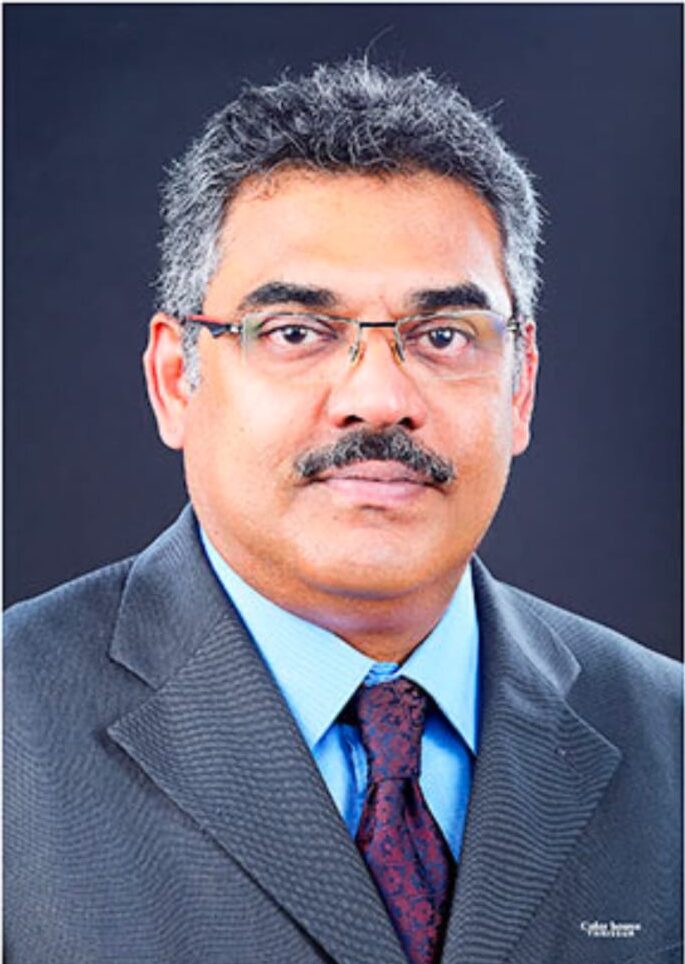
Dr. Pradeep Kumar
Plastic & Reconstructive Surgeon – Brachial Plexus & Nerve Surgery Specialist
Dr. Pradeep Kumar is an experienced plastic and reconstructive surgeon known for his expertise in brachial plexus and peripheral nerve surgery. With extensive microsurgical experience, he focuses on restoring movement and function for patients with complex nerve injuries.
Sushrutha Institute of Plastic Surgery, Elite Mission Hospital, Thrissur