Erb’s Palsy Consultation in Thrissur: 10 Essential Steps for Proper Evaluation
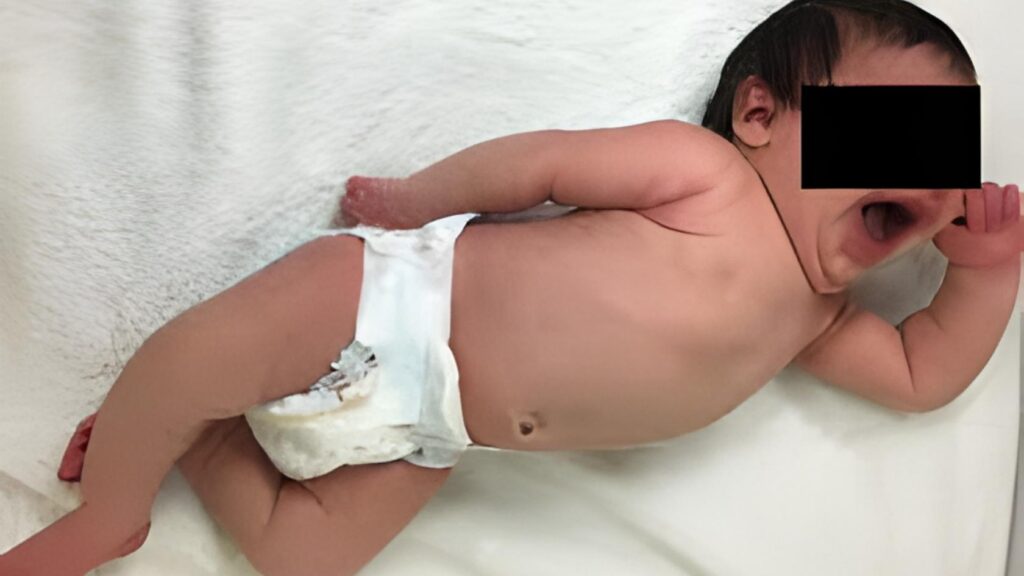
Erb’s palsy consultation in Thrissur, understanding what happens during a consultation can help reduce uncertainty and support informed decision-making. Erb’s palsy is a condition affecting the brachial plexus nerves, leading to weakness or limited movement in the shoulder and arm. A consultation is the first and most important step in identifying the severity of the condition and planning appropriate management.
Table of Contents
- What Is Erb’s Palsy Consultation in Thrissur?
- When to Seek Erb’s Palsy Consultation in Thrissur
- Medical History Assessment
- Physical Examination Process
- Evaluation of Nerve Function
- Diagnostic Tests and Imaging
- Understanding Severity of the Condition
- Discussion of Treatment Options
- Planning Further Care and Follow-Up
- Summary
1. What Is Erb’s Palsy Consultation in Thrissur?
Erb’s palsy consultation in Thrissur is a structured medical evaluation focused on assessing nerve injury in the shoulder and arm. The consultation helps determine the extent of nerve damage, identify symptoms, and guide the next steps in treatment.
This process is patient-centered and involves detailed clinical assessment and appropriate investigations.
2. When to Seek Erb’s Palsy Consultation in Thrissur
A consultation is recommended when symptoms suggest possible nerve involvement. Common situations include:
- Weakness in the arm or shoulder
- Limited range of motion
- Reduced grip strength
- Abnormal arm positioning
- Delayed movement in infants
Early consultation helps improve outcomes by enabling timely treatment.
3. Medical History Assessment
The consultation begins with a detailed review of medical history. This includes:
- Onset and duration of symptoms
- Birth history in infants (if applicable)
- History of trauma or injury
- Previous treatments or therapies
This information helps in understanding the possible cause and progression of the condition.
4. Physical Examination Process
A thorough physical examination is performed to evaluate:
- Range of motion in the shoulder and arm
- Muscle strength and coordination
- Reflex responses
- Posture and positioning of the limb
The examination helps identify functional limitations and areas of concern.
5. Evaluation of Nerve Function
Assessing nerve function is a key part of the consultation. This includes:
- Sensory evaluation (feeling and touch response)
- Motor function assessment (movement and strength)
- Comparison with the unaffected side
This step helps determine the severity of nerve involvement.
6. Diagnostic Tests and Imaging
If needed, additional tests may be recommended, such as:
- MRI scans to visualize nerve structures
- Ultrasound for soft tissue evaluation
- Electromyography (EMG) to assess nerve activity
- Nerve conduction studies
These tests provide detailed information about nerve damage and recovery potential.
7. Understanding Severity of the Condition
Based on clinical findings and test results, the condition is categorized as:
- Mild (temporary weakness)
- Moderate (partial nerve damage)
- Severe (complete nerve injury)
Understanding severity helps in planning appropriate treatment.
8. Discussion of Treatment Options
The consultation includes a discussion of available treatment options, which may include:
- Physiotherapy and rehabilitation
- Monitoring and follow-up
- Surgical options in severe cases
The approach depends on individual condition and recovery potential.
9. Planning Further Care and Follow-Up
A structured care plan is developed, which may include:
- Regular follow-up visits
- Physiotherapy sessions
- Monitoring progress over time
- Adjusting treatment as needed
Follow-up is essential to track improvement and modify care when required.
10. Summary
Erb’s palsy consultation in Thrissur is an essential first step in diagnosing and managing brachial plexus injuries. It involves detailed history-taking, physical examination, and appropriate investigations to understand the condition fully. Early consultation and structured evaluation help guide effective treatment and improve functional recovery. Consistent follow-up and rehabilitation play a key role in achieving better outcomes and restoring arm function.
Table Of Content
Erb’s Palsy Treatment:
Erb’s palsy treatment in Thrissur focuses on improving arm function through physiotherapy, nerve repair procedures, and long-term rehabilitation. Learn more
Treatment Cost:
The cost in Thrissur varies based on severity, treatment type, surgical needs, and rehabilitation requirements. Learn more
Surgery Risks:
Risks may include incomplete nerve recovery, muscle weakness, stiffness, infection, or need for additional procedures. Learn more
Surgery Preparation:
Preparation in Kerala includes medical evaluation, imaging studies, preoperative planning, and arranging postoperative rehabilitation support. Learn more
Treatment Procedures:
Treatment procedures in Thrissur may include nerve grafting, nerve transfers, muscle release procedures, and structured physiotherapy programs. Learn more
Frequently Asked Questions
1. What is Erb’s palsy consultation?
Erb’s palsy consultation is a medical evaluation to assess nerve injury affecting the shoulder and arm and to plan appropriate treatment.
2. When should I seek Erb’s palsy consultation in Thrissur?
You should seek consultation if there is weakness, limited movement, or abnormal positioning of the arm or shoulder.
3. What happens during an Erb’s palsy consultation?
The consultation includes medical history review, physical examination, and sometimes diagnostic tests to assess nerve function.
4. Is Erb’s palsy consultation painful?
No, the consultation is generally non-invasive and involves simple physical assessments and evaluations.
5. What tests may be required during consultation?
Tests such as MRI, ultrasound, EMG, or nerve conduction studies may be recommended based on the condition.
6. How long does the consultation take?
An Erb’s palsy consultation usually takes 20 to 40 minutes depending on the complexity of the case.
7. Can Erb’s palsy be diagnosed during the first visit?
Yes, an initial diagnosis can often be made during the first consultation, though further tests may be required for confirmation.
8. What treatment options are discussed during consultation?
Treatment options such as physiotherapy, observation, or surgery may be discussed depending on severity.
9. Is follow-up necessary after consultation?
Yes, follow-up visits are important to monitor progress and adjust treatment plans if needed.
10. Who should attend the consultation?
Patients experiencing symptoms or parents of affected infants should attend the consultation for proper evaluation.
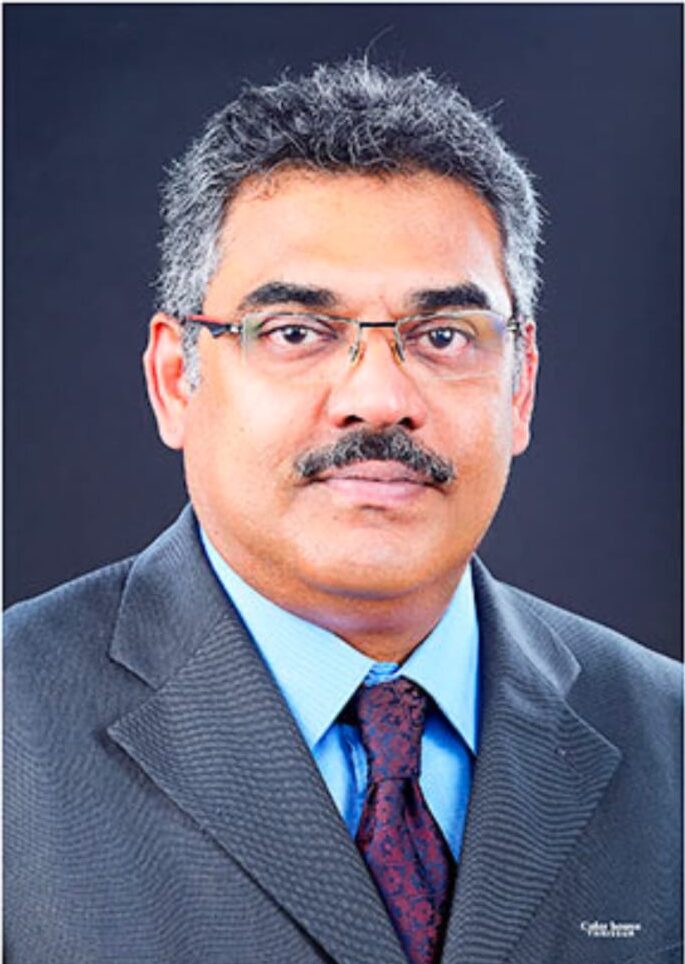
Dr. Pradeep Kumar
Plastic & Reconstructive Surgeon – Brachial Plexus & Nerve Surgery Specialist
Dr. Pradeep Kumar is an experienced plastic and reconstructive surgeon known for his expertise in brachial plexus and peripheral nerve surgery. With extensive microsurgical experience, he focuses on restoring movement and function for patients with complex nerve injuries.
Sushrutha Institute of Plastic Surgery, Elite Mission Hospital, Thrissur