Erb’s Palsy Treatment Procedures in Thrissur: Therapy Methods, Surgical Options, and Recovery Care
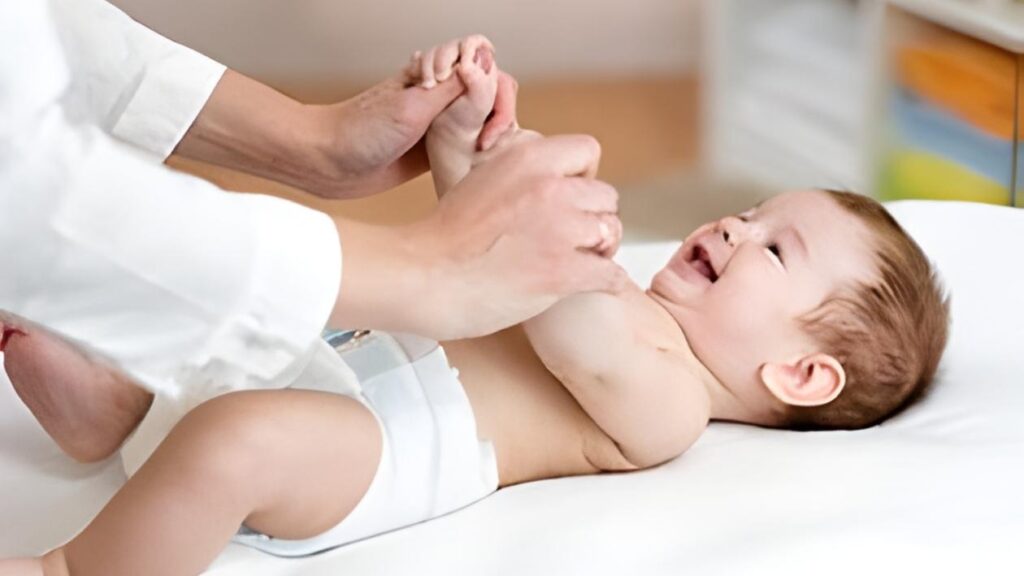
For individuals seeking care for nerve-related arm weakness in Thrissur, understanding Erb’s Palsy Treatment Procedures in Thrissur helps clarify how the condition is managed step by step. Erb’s palsy is caused by injury to the brachial plexus nerves, affecting movement and strength in the shoulder, arm, and hand. Treatment procedures are planned based on the severity of nerve damage, age of the patient, and functional limitations. A structured approach combining assessment, therapy, and when required, surgical intervention, is followed to improve function and recovery.
Table of Contents
- Overview of Erb’s Palsy Treatment Procedures in Thrissur
- Initial Clinical Assessment
- Non-Surgical Treatment Procedures
- Physiotherapy and Rehabilitation
- Occupational Therapy Support
- Indications for Surgical Treatment
- Nerve Repair and Grafting Procedures
- Nerve Transfer Techniques
- Post-Surgical Rehabilitation
- Summary
1. Overview of Erb’s Palsy Treatment Procedures in Thrissur
Erb’s Palsy Treatment Procedures in Thrissur involve a combination of medical evaluation, conservative management, and surgical interventions when necessary. The main goal is to restore nerve function, improve mobility, and prevent long-term complications such as stiffness or muscle weakness.
Treatment is individualized and adjusted based on recovery progress.
2. Initial Clinical Assessment
The first step in Erb’s Palsy Treatment Procedures in Thrissur is a detailed clinical evaluation. This includes:
- Reviewing medical and birth history (in infants)
- Assessing muscle strength and joint movement
- Evaluating reflexes and nerve function
This assessment helps determine the extent of nerve injury and guides further treatment.
3. Non-Surgical Treatment Procedures
In many cases, treatment begins with non-surgical approaches, especially when the injury is mild. These include:
- Observation and monitoring of recovery
- Gentle movement exercises
- Supportive positioning of the arm
Non-surgical care aims to promote natural healing of the nerves.
4. Physiotherapy and Rehabilitation
Physiotherapy plays a central role in Erb’s Palsy Treatment Procedures in Thrissur. It helps to:
- Maintain joint flexibility
- Prevent stiffness and contractures
- Improve muscle strength
- Encourage functional movement
Regular sessions and guided exercises are important for consistent improvement.
5. Occupational Therapy Support
Occupational therapy focuses on improving daily functional abilities. This includes:
- Training for hand and arm use
- Improving coordination and fine motor skills
- Adapting activities for better independence
This step is especially important for children as they grow and develop.
6. Indications for Surgical Treatment
Surgery may be considered when:
- There is no significant improvement after several months
- Severe nerve injury is identified
- Functional limitations persist
Surgical decision-making is based on clinical findings and diagnostic results.
7. Nerve Repair and Grafting Procedures
One of the key surgical steps in Erb’s Palsy Treatment Procedures in Thrissur is nerve repair. This may involve:
- Removing damaged nerve segments
- Reconnecting healthy nerve ends
- Using nerve grafts to bridge gaps
This procedure helps restore nerve continuity and function.
8. Nerve Transfer Techniques
In cases where direct repair is not possible, nerve transfer may be performed. This involves:
- Redirecting a functioning nerve to the affected area
- Restoring muscle activity and movement
- Improving long-term functional outcomes
Nerve transfer is a specialized procedure used in selected cases.
9. Post-Surgical Rehabilitation
Rehabilitation after surgery is essential and includes:
- Structured physiotherapy programs
- Gradual strengthening exercises
- Monitoring nerve recovery
Recovery may take time, and consistent therapy is required to achieve optimal results.
Summary
Erb’s Palsy Treatment Procedures in Thrissur follow a systematic approach starting with assessment and progressing through conservative management and surgical intervention when required. Physiotherapy and rehabilitation are critical components throughout the treatment process. Early diagnosis, appropriate treatment planning, and consistent follow-up help improve outcomes and support better recovery of arm function.
Understanding these procedures allows patients and caregivers to participate actively in the treatment journey and make informed decisions regarding care.
Table Of Content
Erb’s Palsy Treatment:
Erb’s palsy treatment in Thrissur focuses on improving arm function through physiotherapy, nerve repair procedures, and long-term rehabilitation. Learn more
Consultation:
During consultation in Thrissur, the doctor evaluates arm movement, muscle strength, nerve involvement, and plans appropriate treatment. Learn more
Treatment Cost:
The cost in Thrissur varies based on severity, treatment type, surgical needs, and rehabilitation requirements. Learn more
Surgery Risks:
Risks may include incomplete nerve recovery, muscle weakness, stiffness, infection, or need for additional procedures. Learn more
Surgery Preparation:
Preparation in Kerala includes medical evaluation, imaging studies, preoperative planning, and arranging postoperative rehabilitation support. Learn more
Frequently Asked Questions
1. What are Erb’s palsy treatment procedures?
Erb’s palsy treatment procedures include medical evaluation, physiotherapy, rehabilitation, and surgical options when necessary.
2. When are treatment procedures required for Erb’s palsy?
Treatment is required when there is weakness, limited movement, or nerve injury affecting arm function.
3. Are non-surgical procedures effective?
Yes, mild to moderate cases often improve with physiotherapy, exercises, and regular monitoring.
4. What role does physiotherapy play in treatment?
Physiotherapy helps improve strength, maintain joint mobility, and prevent stiffness during recovery.
5. When is surgery needed for Erb’s palsy?
Surgery is considered when there is no improvement with conservative treatment or in cases of severe nerve damage.
6. What types of surgical procedures are used?
Procedures may include nerve repair, nerve grafting, and nerve transfer depending on the condition.
7. How long does recovery take after treatment procedures?
Recovery time varies depending on severity and treatment type, ranging from months to longer periods.
8. Is rehabilitation necessary after surgery?
Yes, rehabilitation is essential to restore movement, improve strength, and support recovery.
9. Can Erb’s palsy be completely cured?
Some cases recover fully, while others may have partial improvement depending on nerve damage severity.
10. Who should undergo Erb’s palsy treatment procedures?
Anyone with symptoms such as arm weakness, reduced mobility, or nerve injury should seek evaluation and appropriate treatment.
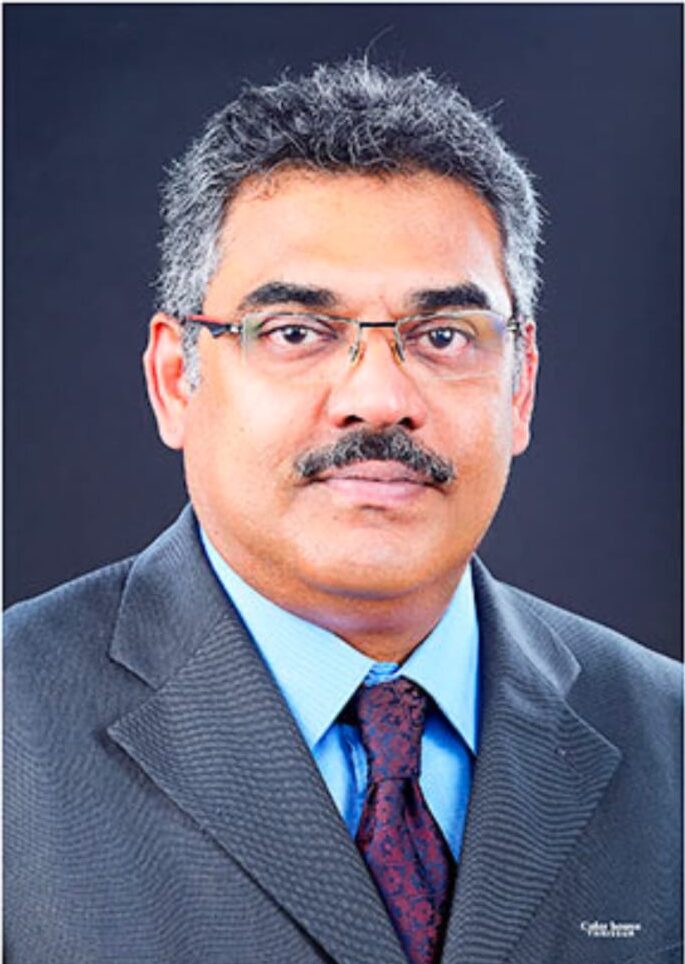
Dr. Pradeep Kumar
Plastic & Reconstructive Surgeon – Brachial Plexus & Nerve Surgery Specialist
Dr. Pradeep Kumar is an experienced plastic and reconstructive surgeon known for his expertise in brachial plexus and peripheral nerve surgery. With extensive microsurgical experience, he focuses on restoring movement and function for patients with complex nerve injuries.
Sushrutha Institute of Plastic Surgery, Elite Mission Hospital, Thrissur