Recovering from a brachial plexus injury requires timely treatment followed by a structured rehabilitation program to restore movement and function. If you would like to understand the available treatment options before beginning therapy, explore our Brachial Plexus Injury Treatment in Thrissur guide for detailed information on diagnosis, surgical and non-surgical treatments, and early management.
Brachial Plexus Rehabilitation in Thrissur plays a vital role in restoring arm movement, improving muscle strength, and enhancing quality of life after a brachial plexus injury. Whether the injury results from trauma, road accidents, sports activities, or surgery, a structured rehabilitation program helps patients regain function while minimizing long-term complications.
Recovery from brachial plexus injuries often requires a combination of physiotherapy, occupational therapy, pain management, and guided exercises. Since every injury differs in severity, rehabilitation plans are tailored to individual needs and adjusted as healing progresses.
Patients seeking Brachial Plexus Rehabilitation in Thrissur benefit from early intervention, consistent therapy, and regular monitoring to maximize nerve recovery and improve daily function.
What Is Brachial Plexus Rehabilitation?
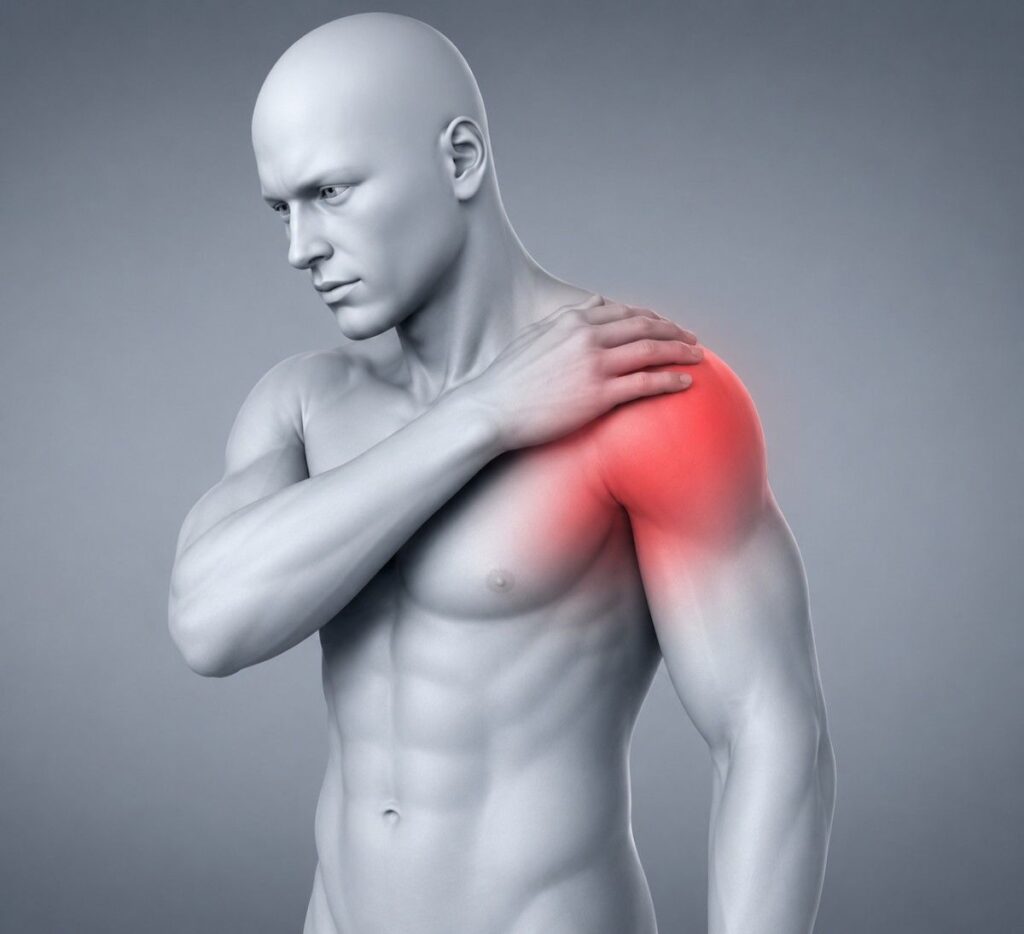
Brachial plexus rehabilitation is a comprehensive recovery program designed to improve arm and shoulder function following injury to the brachial plexus nerves.
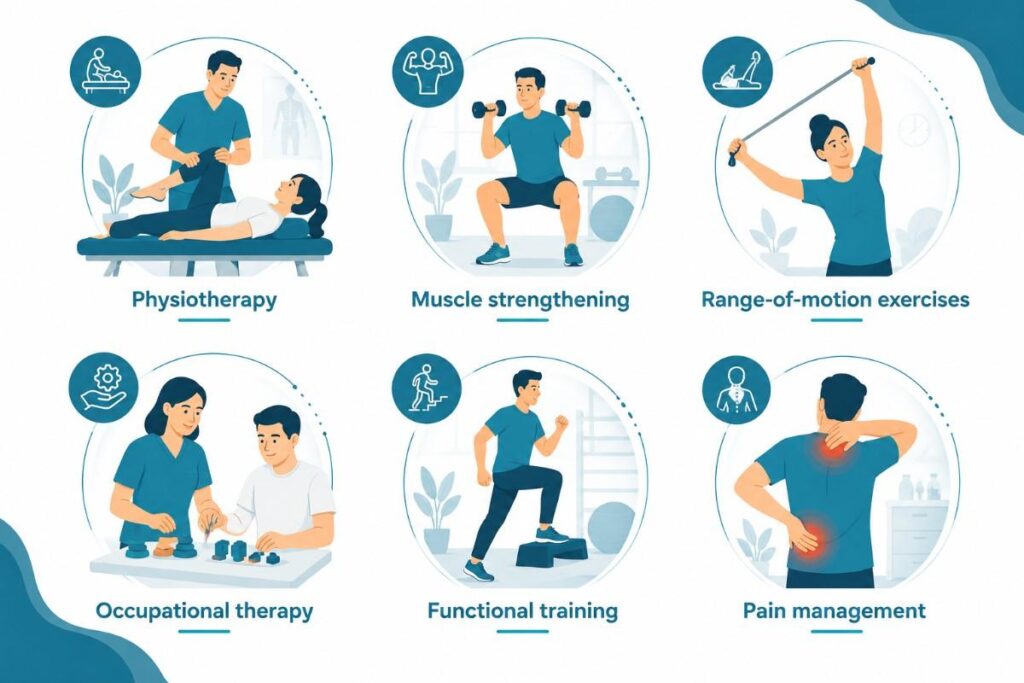
It includes:
- Physiotherapy
- Muscle strengthening
- Range-of-motion exercises
- Occupational therapy
- Functional training
- Pain management
Why Rehabilitation Is Important
Proper rehabilitation helps patients:
- Restore muscle function
- Improve joint mobility
- Reduce stiffness
- Prevent muscle wasting
- Enhance nerve recovery
- Improve independence
Without structured rehabilitation, prolonged weakness and limited movement may affect daily activities.
Who Needs Brachial Plexus Rehabilitation?
Rehabilitation may benefit patients with:
- Road accident injuries
- Sports injuries
- Birth-related brachial plexus injuries
- Surgical nerve repair
- Nerve graft procedures
- Nerve transfer surgery
7 Essential Facts About Brachial Plexus Rehabilitation in Thrissur
1. Early Rehabilitation Produces Better Results
Starting therapy early helps preserve joint movement and muscle flexibility.
2. Every Rehabilitation Plan Is Personalized
Recovery depends on the type of nerve injury, muscle strength, and surgical treatment.
3. Physiotherapy Is the Foundation
Regular supervised therapy improves movement patterns and muscle coordination.
4. Home Exercises Are Equally Important
Daily exercises complement clinical rehabilitation sessions.
5. Recovery Takes Time
Nerves heal slowly, requiring patience and consistent rehabilitation.
6. Pain Management Supports Rehabilitation
Controlling pain enables better participation during therapy.
7. Regular Follow-Up Improves Outcomes
Periodic evaluations allow therapists to modify rehabilitation according to progress.
Goals of Rehabilitation
Treatment aims to:
- Restore arm movement
- Improve shoulder stability
- Strengthen weakened muscles
- Improve hand coordination
- Reduce pain
- Improve daily activities
- Maximize nerve recovery
Physiotherapy Techniques
Common rehabilitation methods include:
Passive Range of Motion
Maintains joint flexibility.
Active Exercises
Improve voluntary muscle movement.
Strength Training
Builds muscle power as nerve recovery progresses.
Stretching Exercises
Prevents contractures and stiffness.
Functional Training
Improves daily activities such as eating, dressing, and writing.
Occupational Therapy
Occupational therapists help patients:
- Improve hand coordination
- Restore fine motor skills
- Practice daily activities
- Improve grip strength
- Adapt to temporary functional limitations
Pain Management During Rehabilitation
Pain control may include:
- Medications
- Heat therapy
- Cold therapy
- Gentle stretching
- Therapeutic exercises
Pain management supports better participation during rehabilitation sessions.
Home Exercise Program
Patients are usually advised to continue rehabilitation at home.
Examples include:
- Shoulder mobility exercises
- Elbow bending exercises
- Wrist strengthening
- Finger coordination
- Grip exercises
- Posture correction
Home exercises should always follow professional guidance.
Recovery Timeline
Although every patient heals differently, recovery generally progresses through stages.
Early Phase
- Pain control
- Joint mobility
- Swelling reduction
Intermediate Phase
- Muscle activation
- Strength improvement
- Coordination exercises
Advanced Phase
- Functional training
- Endurance improvement
- Return to work and sports
Factors Affecting Recovery
Recovery depends on:
- Severity of injury
- Age
- Overall health
- Time to treatment
- Surgical repair
- Therapy consistency
- Patient motivation
Lifestyle Tips During Rehabilitation
Patients should:
- Attend every therapy session
- Perform home exercises daily
- Avoid lifting heavy objects
- Eat a balanced diet
- Stay hydrated
- Maintain good posture
- Get adequate sleep
Benefits of Structured Rehabilitation
Comprehensive rehabilitation helps:
- Restore independence
- Improve muscle coordination
- Reduce disability
- Improve quality of life
- Enhance confidence
- Support long-term recovery
Conclusion
Brachial Plexus Rehabilitation in Thrissur is an essential part of recovery following nerve injuries affecting the shoulder, arm, and hand. A structured rehabilitation program involving physiotherapy, occupational therapy, strengthening exercises, and consistent follow-up can significantly improve function and quality of life. Early intervention, patient commitment, and individualized therapy remain the key factors in achieving the best possible recovery.
For more information about brachial plexus injuries and rehabilitation, visit the American Academy of Orthopaedic Surgeons (AAOS).
Frequently Asked Questions
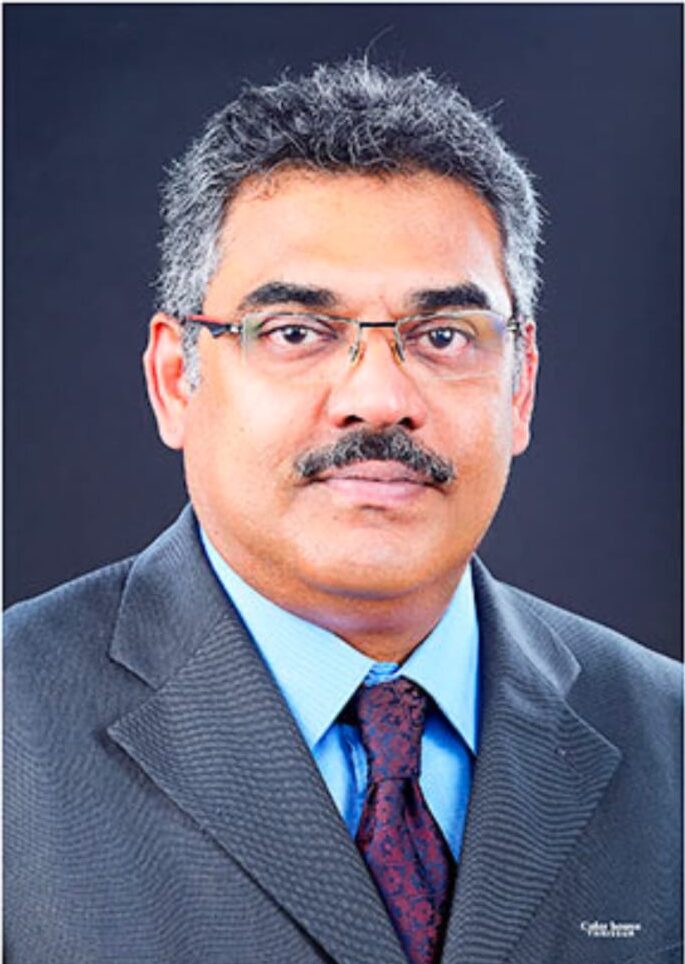
Dr. Pradeep Kumar
Plastic & Reconstructive Surgeon – Brachial Plexus & Nerve Surgery Specialist
Dr. Pradeep Kumar is an experienced plastic and reconstructive surgeon known for his expertise in brachial plexus and peripheral nerve surgery. With extensive microsurgical experience, he focuses on restoring movement and function for patients with complex nerve injuries.
Sushrutha Institute of Plastic Surgery, Elite Mission Hospital, Thrissur