7 Powerful Tips for Recovery After Brachial Plexus Surgery
Recovery after brachial plexus surgery is an important part of regaining movement, strength, and function in the affected arm or hand. The recovery process can vary depending on the type of nerve injury, surgical procedure, and overall health. Patients in Thrissur can benefit from understanding what to expect during healing and why rehabilitation plays an important role.
Brachial plexus surgery is performed to repair or reconstruct damaged nerves that connect the spinal cord with the shoulder, arm, and hand. Because nerves heal slowly, recovery after brachial plexus surgery may take several months or longer. Following medical advice, attending physiotherapy sessions, protecting the surgical area, and maintaining realistic expectations can support a safer recovery.
Understanding Recovery After Brachial Plexus Surgery
Recovery after brachial plexus surgery begins immediately after the procedure, but meaningful nerve recovery usually takes much longer. Unlike muscles and skin, injured nerves regenerate gradually. The time required depends on the severity and location of the injury and the type of surgery performed.
During the early stage, the primary goals may include:
- Protecting the repaired nerves
- Controlling pain and swelling
- Protecting the surgical site
- Maintaining appropriate joint positioning
- Preventing stiffness
- Following rehabilitation instructions
Patients may not notice immediate improvements in sensation or muscle strength. This does not necessarily mean that the surgery has been unsuccessful. Nerve regeneration and functional recovery can take considerable time.
What Happens During the Early Recovery Period
The first few weeks are generally focused on protection and healing. The surgical area may need special care, and certain movements may be restricted to prevent unnecessary stress on repaired nerves or surrounding tissues.
Pain, swelling, numbness, weakness, or limited movement may occur during this period. The healthcare team may recommend medication, positioning techniques, and specific exercises depending on the procedure.
During early recovery after brachial plexus surgery, patients should:
- Keep the surgical wound clean and protected.
- Follow restrictions on arm and shoulder movement.
- Take prescribed medicines according to instructions.
- Attend scheduled follow-up appointments.
- Avoid lifting heavy objects unless cleared by the healthcare team.
- Follow the recommended physiotherapy plan.
The recovery plan should always be individualized because different brachial plexus procedures have different rehabilitation requirements.
How Long Does Recovery After Brachial Plexus Surgery Take
The duration of recovery after brachial plexus surgery varies considerably between patients. Some people may begin noticing gradual changes within several months, while others require a longer period before significant functional improvement becomes apparent.
Several factors can influence recovery time, including:
- Type and severity of nerve injury
- Location of the nerve damage
- Time between injury and surgery
- Type of surgical procedure
- Age and general health
- Muscle condition
- Rehabilitation participation
- Presence of associated injuries
Nerve regeneration is generally slow. Therefore, recovery should be viewed as a gradual process rather than an immediate change following surgery.
The Role of Physiotherapy in Recovery After Brachial Plexus Surgery
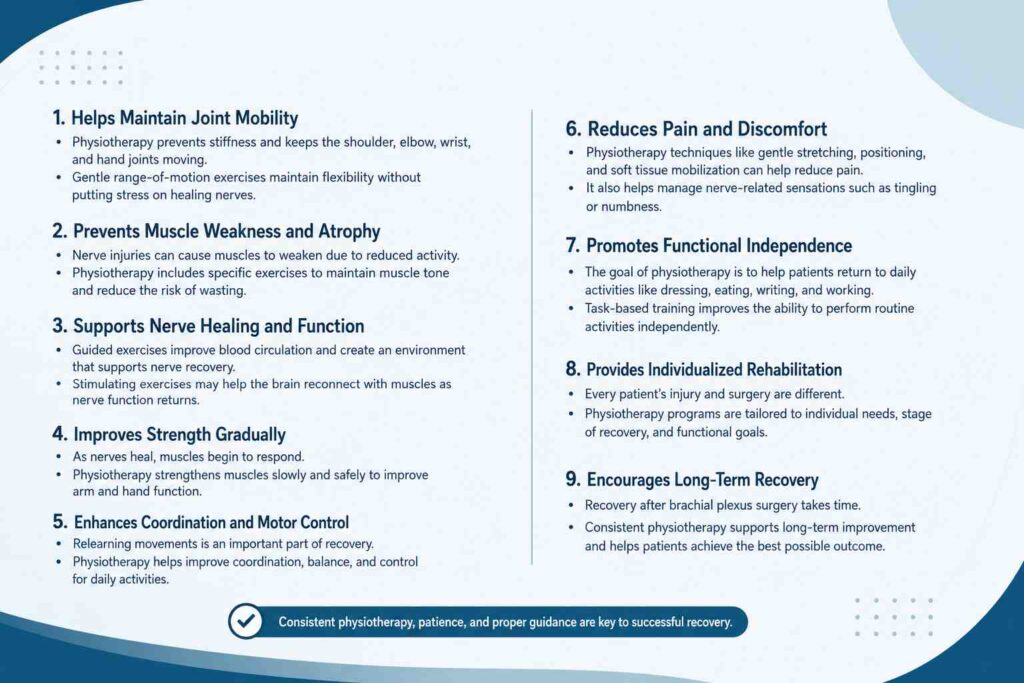
Physiotherapy is one of the most important components of recovery after brachial plexus surgery. A rehabilitation program can help maintain joint mobility, prevent stiffness, improve muscle conditioning, and support the return of useful movement as nerve function develops.
The physiotherapy program may change throughout recovery.
Early Rehabilitation
Initially, therapy may focus on maintaining safe joint movement and preventing stiffness while protecting the repaired structures.
Progressive Rehabilitation
As healing progresses, exercises may be introduced or increased to support muscle activation, coordination, strength, and functional movement.
Functional Rehabilitation
Later rehabilitation may focus on activities relevant to daily life, such as reaching, gripping, dressing, eating, or other controlled movements.
Patients should not independently increase exercise intensity without professional guidance. Excessive activity too early may interfere with healing.
Managing Pain During Recovery After Brachial Plexus Surgery
Pain management can make recovery after brachial plexus surgery more comfortable and may help patients participate in rehabilitation.
Pain can result from the surgical procedure itself, nerve irritation, inflammation, or changes occurring as the nerves recover. Some patients may also experience unusual sensations, tingling, burning, or sensitivity.
Pain management may include:
- Prescribed medications
- Appropriate positioning
- Rest periods
- Physiotherapy techniques
- Gradual activity progression
- Cold or other treatments when specifically recommended
Patients should inform their healthcare provider if pain becomes significantly worse, changes suddenly, or is accompanied by other concerning symptoms.
Protecting the Arm During Recovery After Brachial Plexus Surgery
Protecting the affected arm is particularly important during the early stages. Reduced sensation or weakness can make it difficult to recognize injuries, pressure, or excessive movement.
Patients should take care to:
- Avoid unnecessary pressure on the affected arm.
- Check the skin regularly if sensation is reduced.
- Follow prescribed movement restrictions.
- Avoid carrying heavy loads.
- Protect the arm from burns and sharp objects.
- Use recommended support devices correctly.
- Maintain appropriate positioning during sleep.
Reduced sensation can make ordinary injuries less noticeable, so careful observation is important.
Nutrition and General Health During Recovery
Good nutrition supports the body’s overall healing process. Patients recovering from surgery should aim for a balanced diet that provides adequate protein, vitamins, minerals, fluids, and energy.
A healthy diet may include:
- Protein-rich foods
- Fresh fruits and vegetables
- Whole grains
- Healthy fats
- Adequate fluids
Smoking can negatively affect healing and overall health. Patients who smoke should discuss quitting with their healthcare provider.
Managing conditions such as diabetes and maintaining general physical health can also be important during the recovery period.
Sensation and Movement During Recovery After Brachial Plexus Surgery
Changes in sensation and movement are common considerations during recovery after brachial plexus surgery. The pattern of improvement depends on which nerves were affected and how severely they were damaged.
Some patients may gradually experience:
- Improved sensation
- Reduced numbness
- Better muscle activation
- Increased joint control
- Improved coordination
- Greater ability to perform daily activities
Recovery does not necessarily happen evenly. One movement may improve before another, and sensation may return differently from muscle strength.
Regular assessments allow the healthcare team to evaluate progress and modify rehabilitation when necessary.
Returning to Daily Activities
Returning to normal activities is usually gradual. Patients should follow the activity restrictions provided by their surgical and rehabilitation teams.
Simple activities may be reintroduced progressively depending on healing and functional improvement.
Patients may need temporary assistance with:
- Dressing
- Bathing
- Cooking
- Writing
- Household activities
- Driving
- Work-related tasks
The timing of returning to work or driving depends on the individual’s strength, movement, sensation, surgery, and job requirements. These activities should only be resumed when the healthcare team considers them safe.
Important Warning Signs During Recovery After Brachial Plexus Surgery
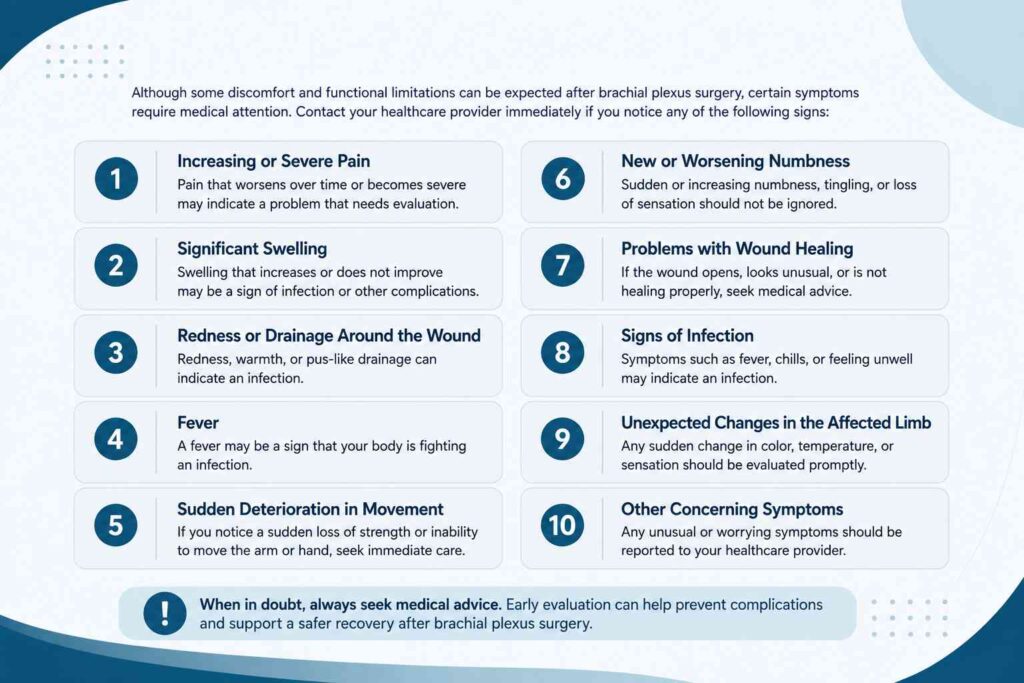
Although some discomfort and functional limitations can be expected after surgery, certain symptoms require medical attention.
Patients should contact their healthcare provider if they experience:
- Increasing or severe pain
- Significant swelling
- Redness or drainage around the wound
- Fever
- Sudden deterioration in movement
- New or worsening numbness
- Problems with wound healing
- Signs of infection
- Unexpected changes in the affected limb
Urgent symptoms should be evaluated promptly rather than waiting for the next scheduled appointment.
Factors That Can Affect Nerve Recovery
Recovery after brachial plexus surgery depends on several biological and surgical factors. The extent of nerve damage is particularly important.
A nerve that has been compressed or partially damaged may behave differently from a nerve that has been completely disrupted. The distance between the repaired nerve and the muscles it supplies can also influence how long functional recovery takes.
Other considerations include:
- Severity of the original trauma
- Nerve injury pattern
- Surgical technique
- Timing of surgery
- Distance required for nerve regeneration
- Muscle condition
- Rehabilitation adherence
- Overall health
For this reason, recovery expectations should be individualized rather than based on another patient’s experience.
Emotional and Practical Aspects of Recovery
Long-term physical rehabilitation can be challenging. Recovery after brachial plexus surgery may require patience because improvements can be gradual and sometimes difficult to notice from week to week.
Patients may feel frustrated when strength or movement does not return as quickly as expected. Maintaining regular follow-up appointments and discussing concerns with the healthcare team can help provide realistic expectations.
Support from family members can also make daily activities easier during periods of reduced arm function.
Keeping track of functional changes can be useful. Patients may record improvements such as:
- Increased range of movement
- Better grip
- Improved sensation
- Ability to perform new tasks
- Reduced dependence on assistance
Small improvements can be meaningful during a long rehabilitation process.
Tips for Better Recovery After Brachial Plexus Surgery
A consistent rehabilitation routine can support recovery and help patients work toward functional goals.
Useful practices include:
- Follow postoperative instructions carefully.
- Attend all recommended follow-up appointments.
- Complete physiotherapy as prescribed.
- Avoid exercises that have not been approved.
- Protect the affected limb from injury.
- Maintain good nutrition and hydration.
- Get adequate rest.
- Avoid smoking.
- Report unusual symptoms promptly.
- Be patient with gradual nerve recovery.
Consistency is generally more important than trying to accelerate the process through excessive exercise.
What Should Patients Avoid During Recovery After Brachial Plexus Surgery
Patients should avoid activities that could place unnecessary stress on the surgical area or recovering nerves.
Depending on the procedure, restrictions may include:
- Heavy lifting
- Sudden arm movements
- High-impact activities
- Unsupported stretching
- Unapproved strengthening exercises
- Pressure on the surgical area
- Returning to demanding work too early
The exact restrictions vary, so the patient’s own surgical and rehabilitation instructions should take priority.
Long-Term Recovery After Brachial Plexus Surgery
Long-term recovery after brachial plexus surgery focuses on maximizing useful function. Nerve regeneration may continue for an extended period, and rehabilitation may change as new muscle activity becomes possible.
The ultimate outcome can range from partial improvement to substantial restoration of function, depending on the original injury and treatment.
Even when complete recovery is not possible, rehabilitation may help patients make better use of available movement and adapt to remaining limitations.
Regular clinical assessment can help determine whether further rehabilitation or additional treatment may be appropriate.
Conclusion
Recovery after brachial plexus surgery is a gradual process that requires protection, rehabilitation, patience, and regular medical follow-up. Nerve regeneration takes time, so early expectations should remain realistic. Physiotherapy can help preserve joint movement and support functional improvement as nerve recovery develops.
Good wound care, appropriate pain management, balanced nutrition, limb protection, and gradual return to daily activities can also support the overall recovery process. Patients should avoid comparing their progress directly with others because every brachial plexus injury is different.
With appropriate postoperative care and a structured rehabilitation program, patients can work toward improving movement, sensation, strength, and independence. For patients undergoing treatment in Thrissur, discussing individual recovery expectations with the treating healthcare team is the best way to understand the likely rehabilitation timeline and appropriate next steps. For additional information on brachial plexus injury treatment and recovery, refer to Mayo Clinic – Brachial Plexus Injury: Diagnosis and Treatment, which explains treatment options, physiotherapy, nerve regeneration, and recovery considerations.
Frequently Asked Questions
How long does recovery after brachial plexus surgery take?
Is physiotherapy necessary after brachial plexus surgery?
When will movement return after brachial plexus surgery?
Is pain normal during recovery after brachial plexus surgery?
Can patients exercise after brachial plexus surgery?
Can sensation return after brachial plexus surgery?
When can normal activities be resumed after surgery?
What happens if recovery after brachial plexus surgery seems slow?
Can the arm be injured without the patient noticing?
Can recovery continue several months after brachial plexus surgery?
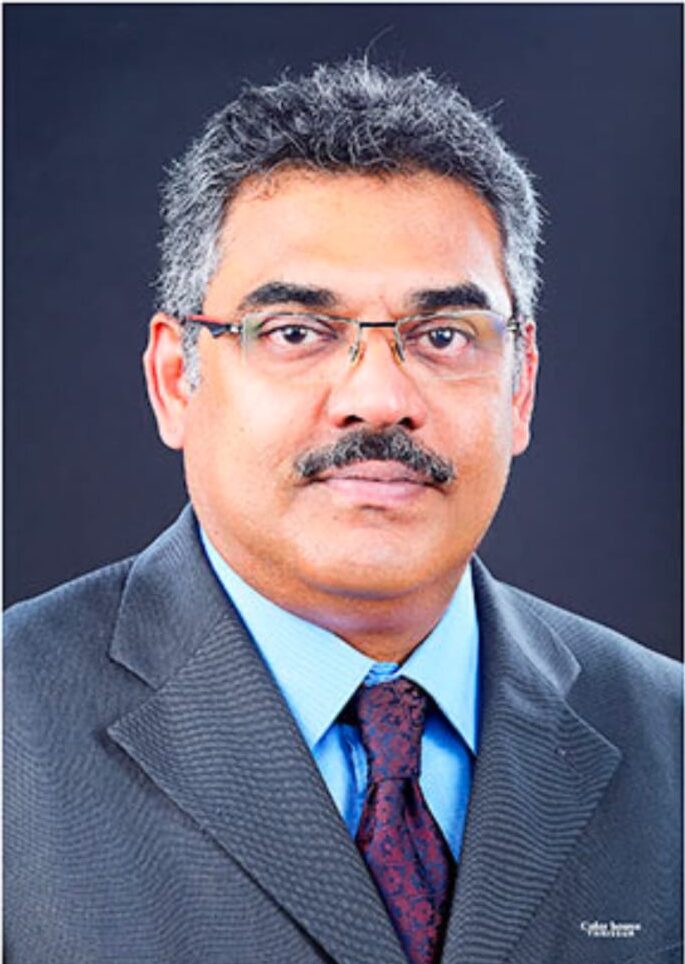
Dr. Pradeep Kumar
Plastic & Reconstructive Surgeon – Brachial Plexus & Nerve Surgery Specialist
Dr. Pradeep Kumar is an experienced plastic and reconstructive surgeon known for his expertise in brachial plexus and peripheral nerve surgery. With extensive microsurgical experience, he focuses on restoring movement and function for patients with complex nerve injuries.
Sushrutha Institute of Plastic Surgery, Elite Mission Hospital, Thrissur