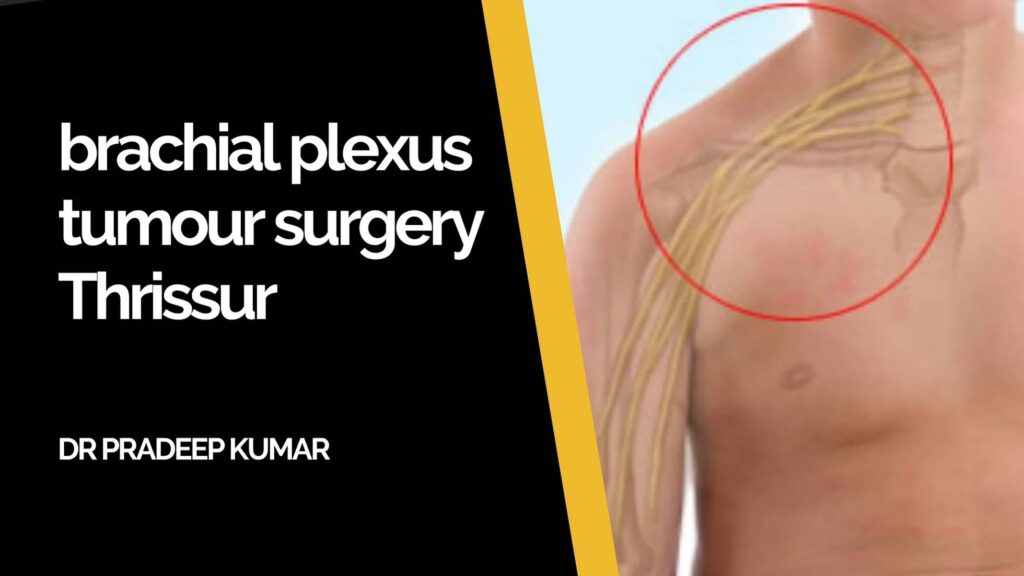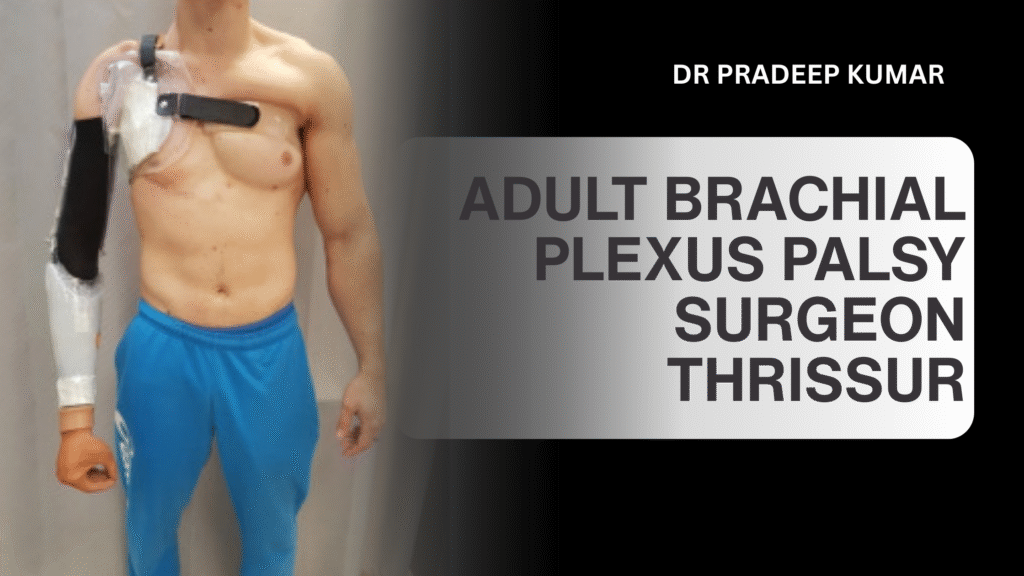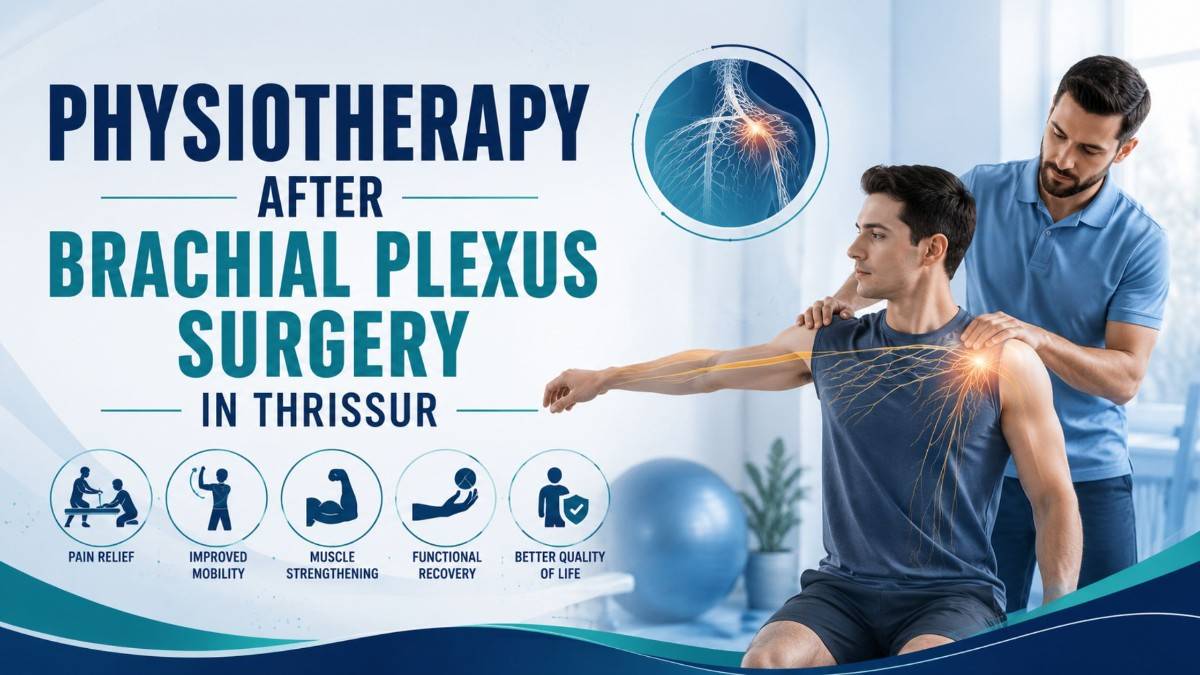
Physiotherapy After Brachial Plexus Surgery in Thrissur is an essential part of recovery, helping patients regain strength, improve mobility, and restore functional use of the shoulder, arm, and hand after nerve surgery. While surgery repairs damaged nerves, physiotherapy supports the healing process by encouraging muscle activation, preventing stiffness, and improving overall limb function.
Patients recovering from nerve grafting, nerve transfer, or nerve repair procedures often require a structured rehabilitation program tailored to their individual needs. For individuals seeking Brachial Plexus Injury Treatment in Thrissur, physiotherapy complements surgical care by promoting gradual recovery and helping maximize long-term outcomes.
Every recovery journey is unique. The rehabilitation plan depends on the severity of the injury, the type of surgery performed, and the patient’s progress over time. Consistent therapy, regular follow-up, and guided exercises contribute significantly to successful recovery.
Understanding Brachial Plexus Surgery
Brachial plexus surgery aims to restore nerve function after severe injury. Depending on the condition, procedures may include:
- Nerve repair
- Nerve grafting
- Nerve transfer
- Muscle or tendon transfer
Although surgery reconnects damaged nerves, complete recovery depends heavily on postoperative rehabilitation.

Why Physiotherapy Is Important
Physiotherapy After Brachial Plexus Surgery in Thrissur helps restore movement while protecting the healing nerves.
Key Benefits
- Prevents joint stiffness
- Improves shoulder mobility
- Maintains muscle flexibility
- Reduces muscle wasting
- Encourages nerve regeneration
- Improves coordination
- Supports functional independence
Early rehabilitation helps patients return to daily activities more safely.
Goals of Physiotherapy
The rehabilitation program is designed to achieve gradual improvement.
Primary Goals
- Restore shoulder movement
- Improve elbow flexibility
- Strengthen weakened muscles
- Improve grip function
- Reduce swelling
- Manage pain
- Enhance coordination
- Improve posture
Each therapy plan is individualized according to recovery progress.
Recovery Timeline
Recovery varies because nerves regenerate slowly.
Weeks 1–4
- Protect surgical repair
- Gentle passive movements
- Pain and swelling control
- Proper arm positioning
Months 2–4
- Active-assisted exercises
- Range-of-motion improvement
- Muscle activation begins
Months 4–8
- Progressive strengthening
- Functional exercises
- Improved coordination
Months 8–18
- Advanced rehabilitation
- Daily activity training
- Long-term strengthening
Recovery may continue beyond one year depending on nerve healing.
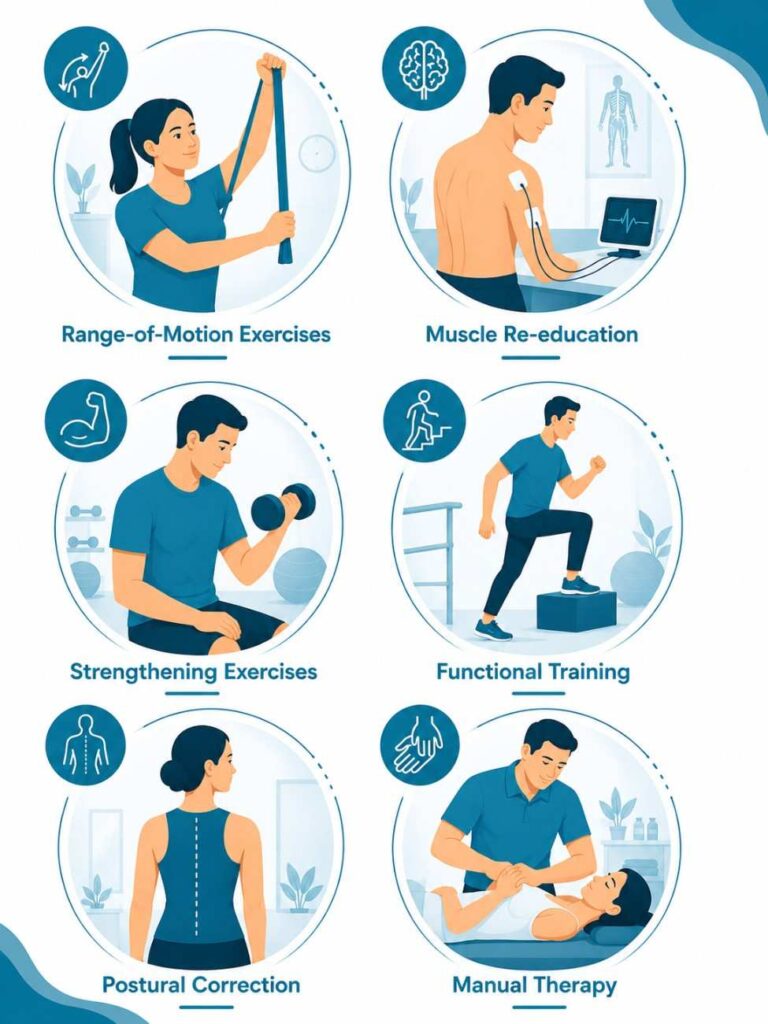
Common Physiotherapy Techniques
Several evidence-based techniques are used.
Range-of-Motion Exercises
Maintain flexibility and prevent stiffness.
Muscle Re-education
Helps retrain muscles as nerve signals return.
Strengthening Exercises
Build muscle endurance gradually.
Functional Training
Improves daily activities like dressing, lifting, and reaching.
Postural Correction
Reduces strain on the neck and shoulder.
Manual Therapy
Maintains joint mobility and soft tissue flexibility.
Exercises After Surgery
Therapists recommend exercises according to healing stages.
Common Exercises
- Pendulum exercises
- Passive shoulder movements
- Elbow flexion and extension
- Wrist mobility exercises
- Finger stretching
- Grip strengthening
- Scapular stabilization
- Shoulder blade exercises
Exercises should always be performed under professional guidance.
Pain Management During Rehabilitation
Pain can temporarily affect recovery.
Management may include:
- Cold therapy
- Gentle stretching
- Therapeutic exercises
- Positioning techniques
- Relaxation exercises
- Activity modification
Effective pain management allows better participation in physiotherapy.
Factors Affecting Recovery
Several factors influence rehabilitation success.
Important Factors
- Severity of nerve injury
- Timing of surgery
- Age
- Overall health
- Patient motivation
- Consistency with therapy
- Surgeon recommendations
- Home exercise compliance
Following rehabilitation instructions improves long-term recovery.
Tips for Faster Rehabilitation
Patients can support recovery by:
- Attending every therapy session
- Performing prescribed home exercises
- Maintaining proper posture
- Protecting the operated arm
- Eating a nutritious diet
- Staying hydrated
- Getting adequate sleep
- Reporting new symptoms promptly
Consistency is more important than intensity.
When to Contact Your Surgeon
Medical review is recommended if you notice:
- Increasing pain
- Severe swelling
- Fever
- Wound redness
- Loss of movement
- New numbness
- Persistent weakness
- Signs of infection
Early assessment helps prevent complications.
Long-Term Rehabilitation
Physiotherapy After Brachial Plexus Surgery in Thrissur often continues for several months because nerve healing is gradual. Ongoing rehabilitation improves muscle strength, coordination, flexibility, and independence while supporting long-term functional recovery.
Conclusion
Physiotherapy After Brachial Plexus Surgery in Thrissur is a vital component of successful recovery following nerve repair procedures. A personalized rehabilitation program, consistent physiotherapy sessions, guided exercises, and regular follow-up care help maximize nerve healing and restore arm function. Beginning rehabilitation early and staying committed throughout the recovery process offers the best opportunity for improved mobility, strength, and quality of life.
For more information about peripheral nerve injuries and rehabilitation, visit the American Academy of Orthopaedic Surgeons.
Frequently Asked Questions
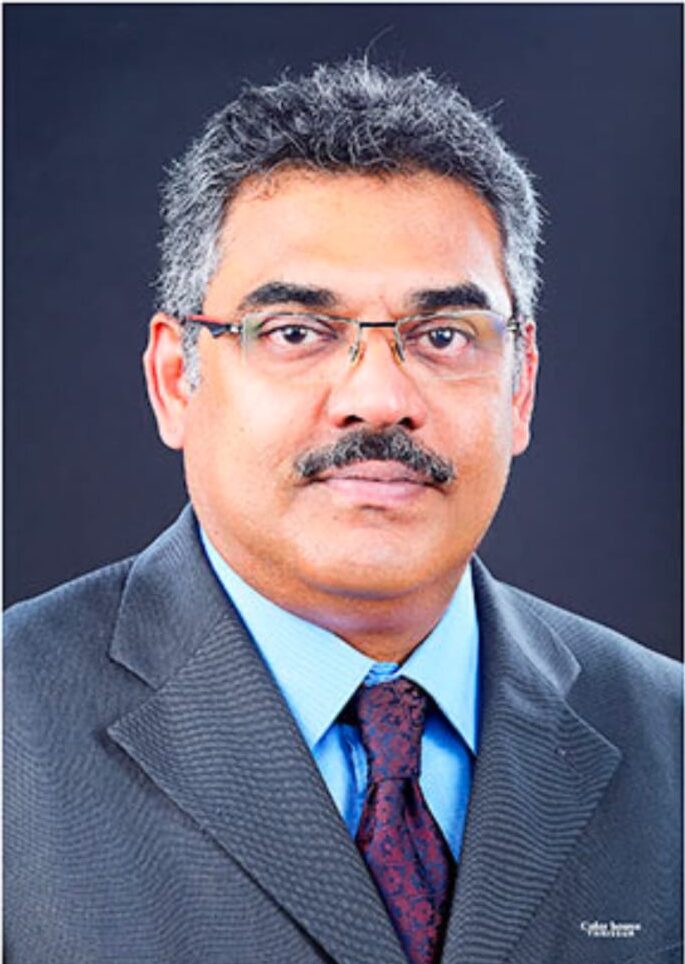
Dr. Pradeep Kumar
Plastic & Reconstructive Surgeon – Brachial Plexus & Nerve Surgery Specialist
Dr. Pradeep Kumar is an experienced plastic and reconstructive surgeon known for his expertise in brachial plexus and peripheral nerve surgery. With extensive microsurgical experience, he focuses on restoring movement and function for patients with complex nerve injuries.
Sushrutha Institute of Plastic Surgery, Elite Mission Hospital, Thrissur