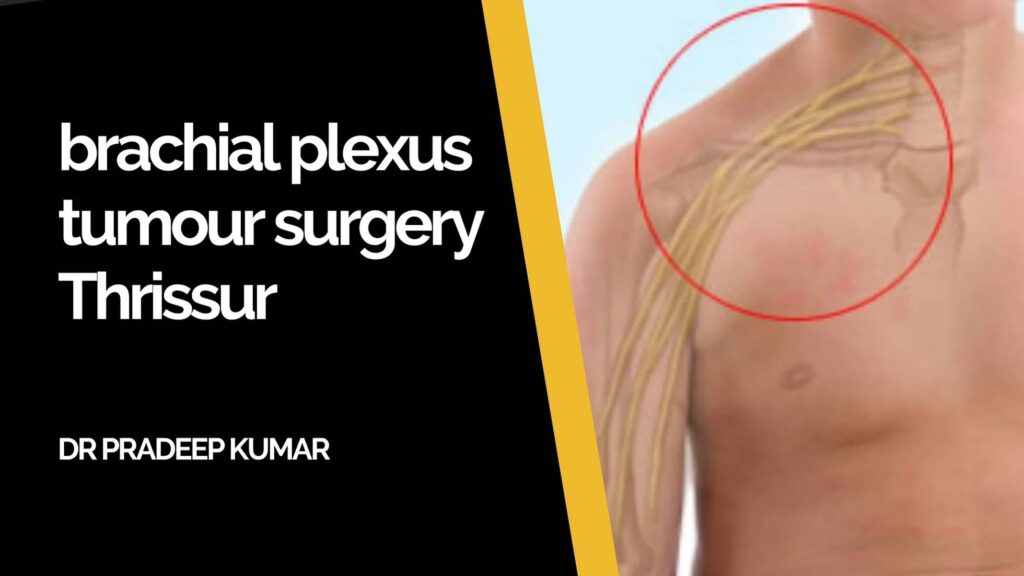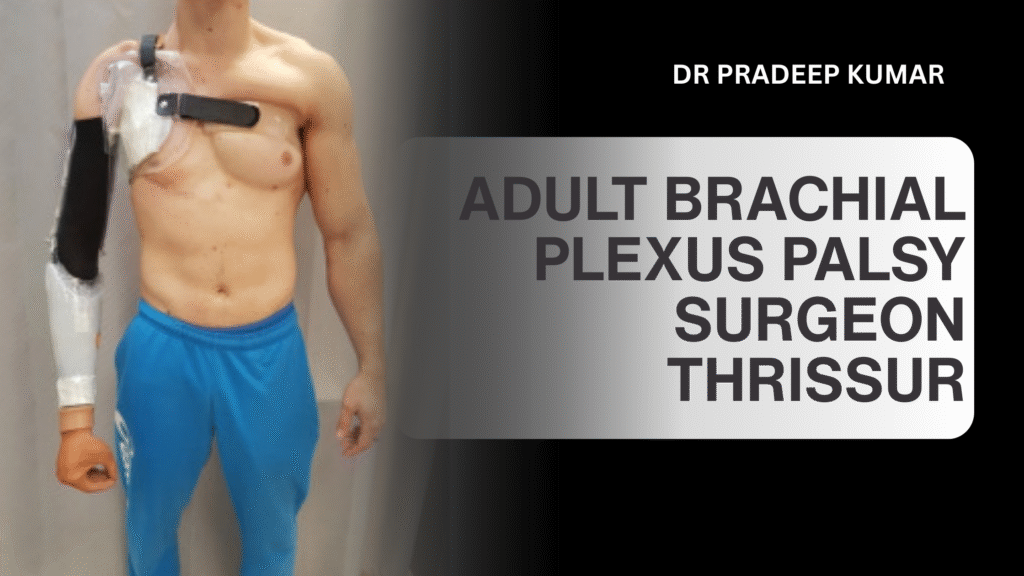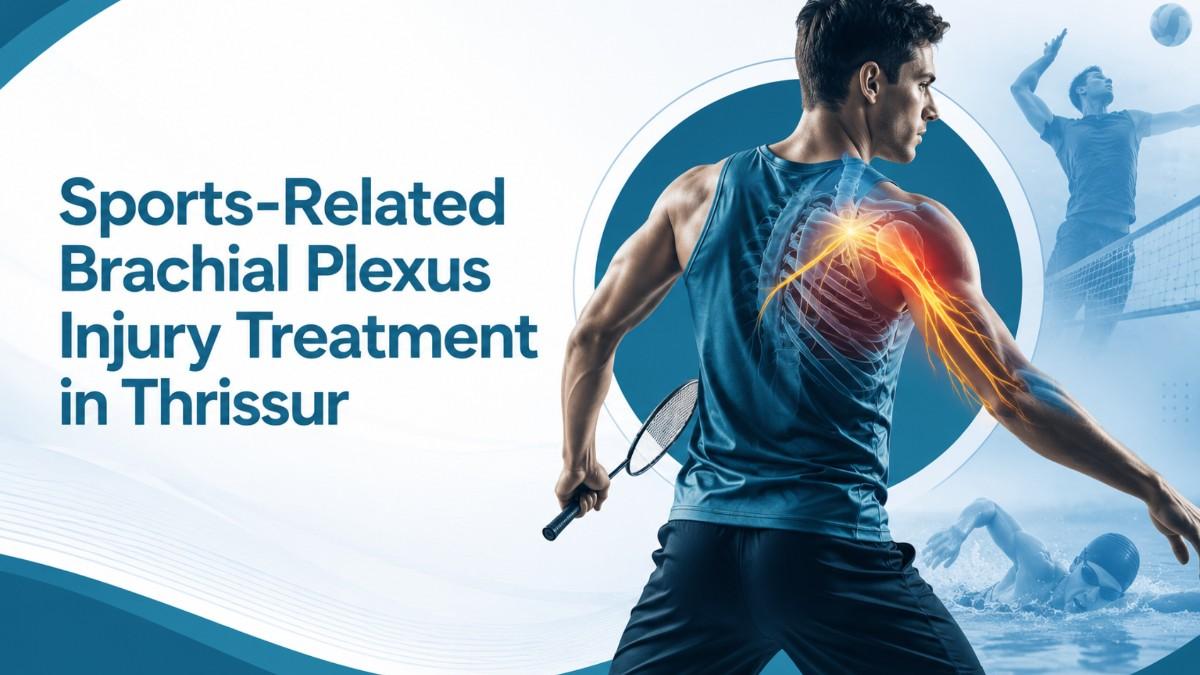
Athletes participating in contact sports, cycling, wrestling, gymnastics, rugby, football, martial arts, and similar high-impact activities are at risk of sustaining brachial plexus injuries. These injuries occur when the network of nerves controlling the shoulder, arm, and hand becomes stretched, compressed, or torn due to sudden impact or excessive force. Early diagnosis is essential because delayed treatment may lead to prolonged weakness, numbness, and functional impairment.
If you are looking for Brachial Plexus Injury Treatment in Thrissur, understanding sports-related nerve injuries can help you recognize symptoms early and seek timely medical care. Sports-Related Brachial Plexus Injury Treatment in Thrissur focuses on restoring nerve function, improving muscle strength, relieving pain, and helping athletes safely return to their sport.
What Is a Sports-Related Brachial Plexus Injury?
A sports-related brachial plexus injury occurs when the nerves between the neck and shoulder are damaged during athletic activity. The injury may result from:
- Sudden shoulder depression
- Forceful neck movement
- Direct collision
- Falling onto the shoulder
- High-speed impact
The severity ranges from temporary nerve stretching to complete nerve rupture.
How Sports Injuries Affect the Brachial Plexus
During sports, the head and shoulder may move in opposite directions, stretching the brachial plexus.
This may cause:
- Temporary nerve conduction block
- Nerve inflammation
- Partial tearing
- Complete nerve rupture
- Loss of muscle function
Repeated injuries increase the risk of permanent nerve damage.
Common Sports That Cause These Injuries
Sports frequently associated with brachial plexus injuries include:
- Football
- Rugby
- Wrestling
- Martial arts
- Cycling
- Hockey
- Gymnastics
- Weightlifting
- Mountain biking
- Cricket fielding injuries
High-speed collisions place athletes at greater risk.
Symptoms Athletes Should Never Ignore
The symptoms may appear immediately after impact.
Common signs include:
- Burning pain from neck to arm
- Electric shock sensation
- Shoulder weakness
- Arm weakness
- Difficulty lifting the arm
- Loss of grip strength
- Numbness
- Tingling
- Hand weakness
- Muscle wasting (late stage)
Persistent symptoms require immediate evaluation.
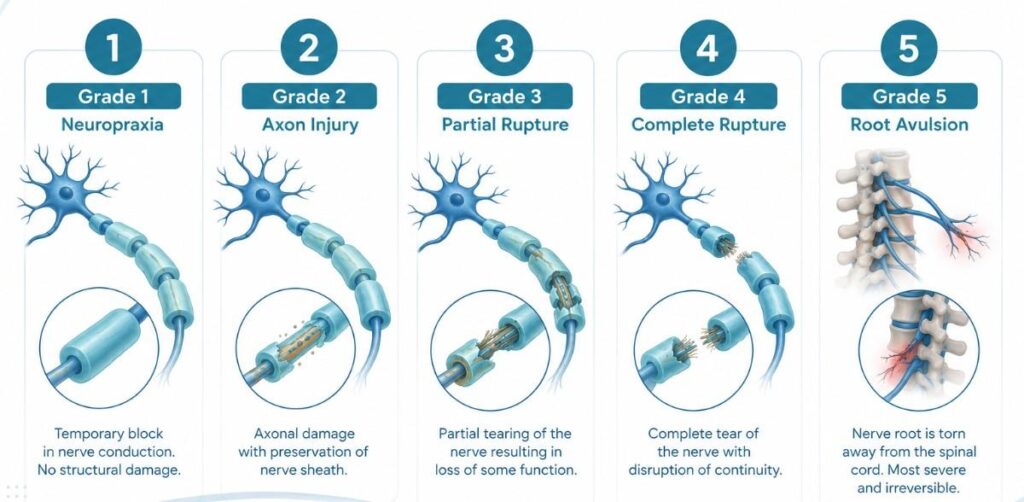
Grades of Sports-Related Nerve Injury
Grade 1 – Neuropraxia
- Mild stretching
- Temporary symptoms
- Complete recovery expected
Grade 2 – Axon Injury
- Damage to nerve fibers
- Recovery takes several months
Grade 3 – Partial Rupture
- Significant weakness
- May require surgery
Grade 4 – Complete Rupture
- Loss of movement
- Surgical repair often recommended
Grade 5 – Root Avulsion
- Nerve detached from spinal cord
- Complex microsurgery required
Diagnosis and Evaluation
Doctors perform a thorough neurological examination.
Diagnostic tests include:
- Physical examination
- Muscle strength testing
- Sensory evaluation
- MRI
- CT Myelography
- Ultrasound
- EMG (Electromyography)
- Nerve Conduction Studies
Early diagnosis guides the best treatment plan.
Treatment Options
Sports-Related Brachial Plexus Injury Treatment in Thrissur depends on the severity of the injury.
Treatment may include:
Conservative Care
- Rest
- Pain medication
- Anti-inflammatory medicines
- Arm support
- Activity modification
Physiotherapy
- Range of motion exercises
- Muscle strengthening
- Stretching
- Balance training
- Functional rehabilitation
Surgical Treatment
Severe injuries may require:
- Nerve repair
- Nerve grafting
- Nerve transfer
- Tendon transfer
- Muscle transfer
Physiotherapy and Rehabilitation
Rehabilitation is crucial for restoring movement and strength.
Programs may include:
- Shoulder mobility exercises
- Grip strengthening
- Scapular stabilization
- Electrical stimulation
- Functional training
- Sport-specific rehabilitation
Recovery plans are individualized based on the athlete’s condition.
Recovery Timeline
Recovery varies according to the severity of nerve damage.
Typical timeline:
Mild injuries
- Few days to 6 weeks
Moderate injuries
- 3–6 months
Severe injuries
- 6–18 months
After surgery
- 12–24 months
Regular follow-up improves outcomes.
Preventing Sports-Related Brachial Plexus Injuries
Athletes can reduce risk by:
- Wearing protective gear
- Strengthening neck muscles
- Improving shoulder stability
- Learning proper tackling techniques
- Avoiding overtraining
- Maintaining flexibility
- Using correct sporting techniques
Preventive conditioning significantly lowers injury risk.
When Surgery May Be Needed
Surgery may be recommended if:
- There is complete nerve rupture
- Symptoms do not improve
- Progressive muscle weakness develops
- EMG shows severe nerve damage
- Arm function continues to decline
Early surgical consultation provides the best chance for recovery.
Returning to Sports Safely
Before returning to sports, athletes should have:
- Full shoulder movement
- Adequate muscle strength
- Good nerve recovery
- Pain-free function
- Medical clearance
- Sport-specific rehabilitation
Returning too early increases the risk of re-injury.
Why Early Treatment Matters
Prompt diagnosis improves the likelihood of successful recovery. Delaying treatment can result in permanent weakness, chronic pain, muscle wasting, and reduced athletic performance. Sports-Related Brachial Plexus Injury Treatment in Thrissur emphasizes timely assessment, individualized rehabilitation, and appropriate surgical intervention when required to help athletes regain function and return safely to daily activities and sports.
Conclusion
Sports injuries affecting the brachial plexus should never be ignored, especially when symptoms such as weakness, numbness, or persistent pain continue after an injury. Early medical evaluation, accurate diagnosis, and comprehensive rehabilitation significantly improve recovery outcomes. Sports-Related Brachial Plexus Injury Treatment in Thrissur combines advanced diagnostic techniques, physiotherapy, and microsurgical expertise when necessary to restore nerve function and maximize recovery. Seeking treatment promptly offers the best opportunity to return to an active and healthy lifestyle.
For evidence-based information on sports injury prevention and rehabilitation, visit the American Academy of Orthopaedic Surgeons (AAOS).