7 Powerful Facts About Brachial Plexus Injury After Road Traffic Accidents
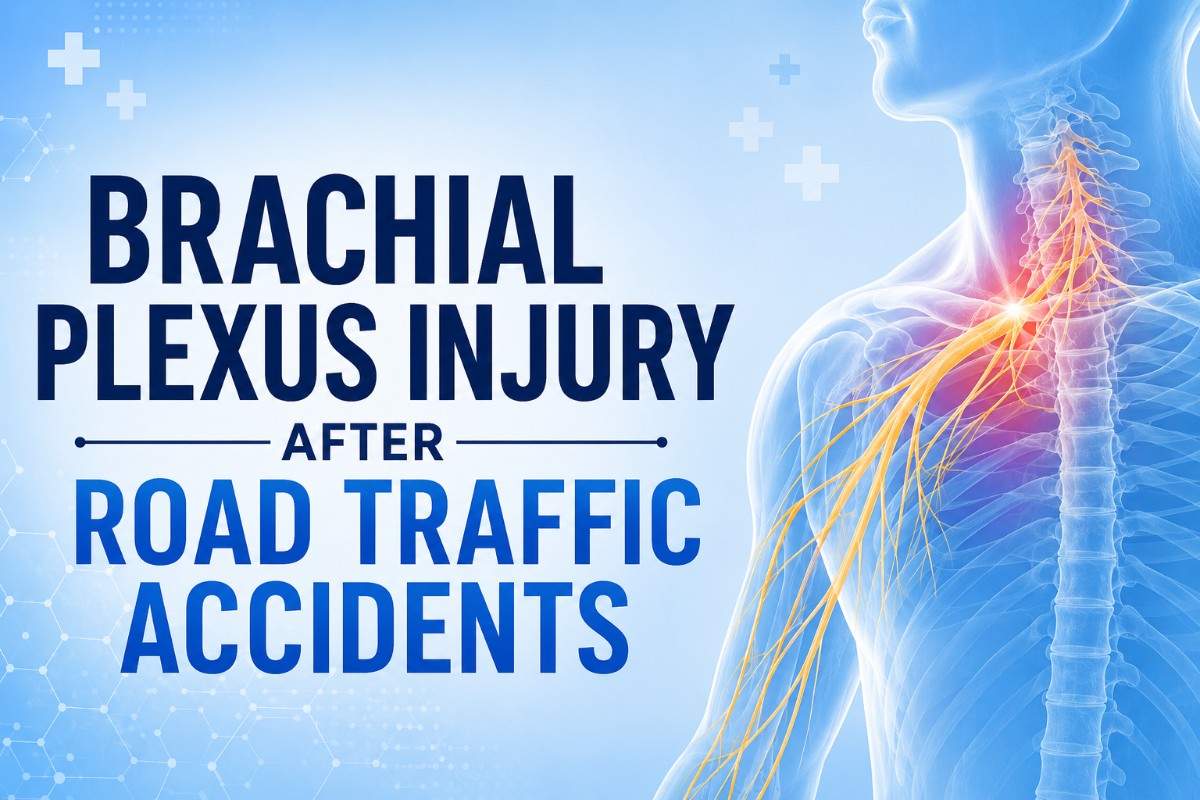
Brachial Plexus Injury After Road Traffic Accidents is a serious nerve injury that can significantly affect arm movement, strength, and sensation. Road traffic accidents are among the most common causes of severe brachial plexus injuries, particularly in high-speed collisions involving motorcycles, cars, and heavy vehicles. Understanding the causes, symptoms, diagnosis, and treatment options can help patients seek timely medical attention and improve recovery outcomes.
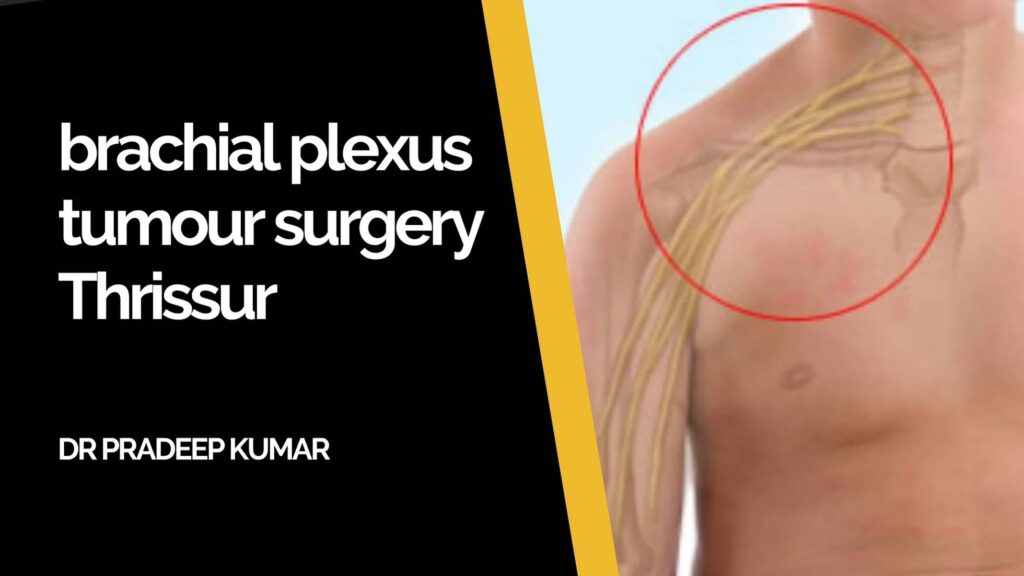
The brachial plexus is a complex network of nerves that controls the muscles and sensation of the shoulder, arm, forearm, and hand. When these nerves are damaged during a traumatic accident, daily activities such as lifting, gripping, writing, or even basic arm movements may become difficult.
What Is Brachial Plexus Injury After Road Traffic Accidents
Brachial Plexus Injury After Road Traffic Accidents occurs when the nerves of the brachial plexus are stretched, compressed, torn, or detached from the spinal cord due to sudden trauma. The severity of the injury depends on the force of impact and the extent of nerve damage.
These injuries can range from mild temporary nerve dysfunction to complete paralysis of the affected arm.
How Does a Road Traffic Accident Cause a Brachial Plexus Injury
During a collision, the shoulder may be forcefully pushed downward while the neck moves in the opposite direction. This sudden stretching force can damage the nerves of the brachial plexus.
Common accident scenarios include:
- Motorcycle crashes
- Car accidents
- Pedestrian accidents
- Bicycle collisions
- High-speed vehicle impacts
- Rollover accidents
Motorcycle accidents are particularly associated with severe brachial plexus injuries because riders often experience direct trauma to the neck and shoulder region.
Types of Brachial Plexus Injury After Road Traffic Accidents
The severity of Brachial Plexus Injury After Road Traffic Accidents can vary considerably.
Neuropraxia
Neuropraxia is the mildest type of nerve injury.
Characteristics include:
- Temporary interruption of nerve function
- Mild weakness
- Tingling sensations
- Good recovery potential
Rupture
A rupture occurs when a nerve tears but remains attached to the spinal cord.
Common effects include:
- Significant weakness
- Loss of sensation
- Reduced arm function
Avulsion
Avulsion is the most severe form of brachial plexus injury.
In this condition:
- The nerve root is pulled away from the spinal cord
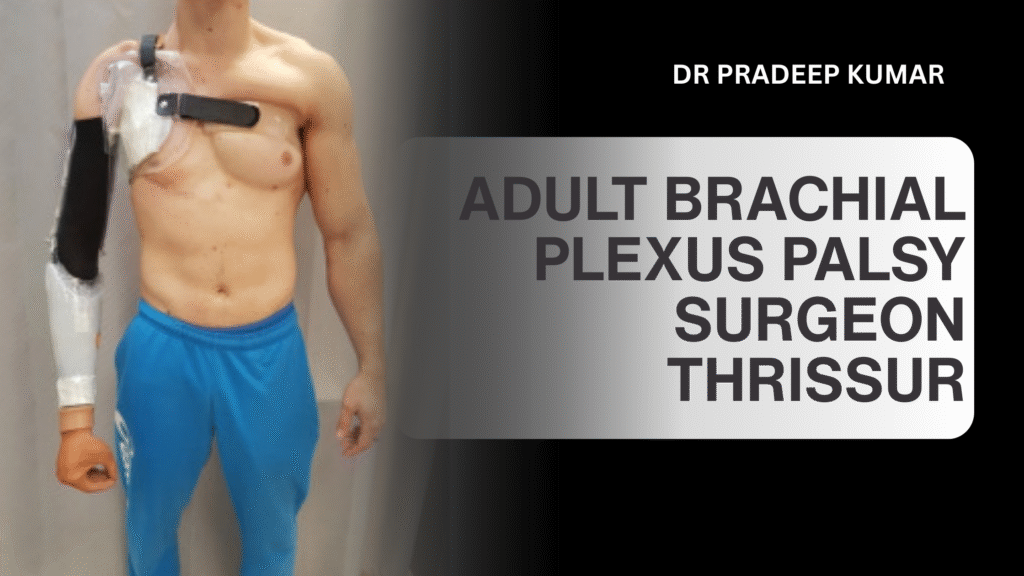
- Arm function may be severely affected
- Surgical treatment is often required
Neuroma
Neuroma refers to scar tissue formation around a damaged nerve.
This can lead to:
- Chronic pain
- Weakness
- Limited movement
Symptoms of Brachial Plexus Injury After Road Traffic Accidents

ymptoms may appear immediately after the accident or develop over time.
Common symptoms include:
- Severe shoulder pain
- Burning or electric shock sensations
- Numbness in the arm or hand
- Arm weakness
- Loss of grip strength
- Difficulty lifting the arm
- Reduced sensation
- Muscle wasting
- Partial or complete arm paralysis
The pattern of symptoms depends on which nerves are affected.
Risk Factors
Several factors increase the risk of developing Brachial Plexus Injury After Road Traffic Accidents.
These include:
- High-speed collisions
- Motorcycle riding
- Lack of protective equipment
- Severe neck trauma
- Shoulder injuries during accidents
- Rollover vehicle crashes
Understanding these risk factors may help improve awareness and prevention.
Why Early Diagnosis Is Important
Early diagnosis plays a major role in determining treatment options and recovery outcomes.
Delayed diagnosis may lead to:
- Permanent nerve damage
- Muscle atrophy
- Joint stiffness
- Reduced functional recovery
- Chronic pain
Prompt assessment allows healthcare providers to identify the severity of the injury and plan treatment appropriately.
Diagnosis of Brachial Plexus Injury After Road Traffic Accidents
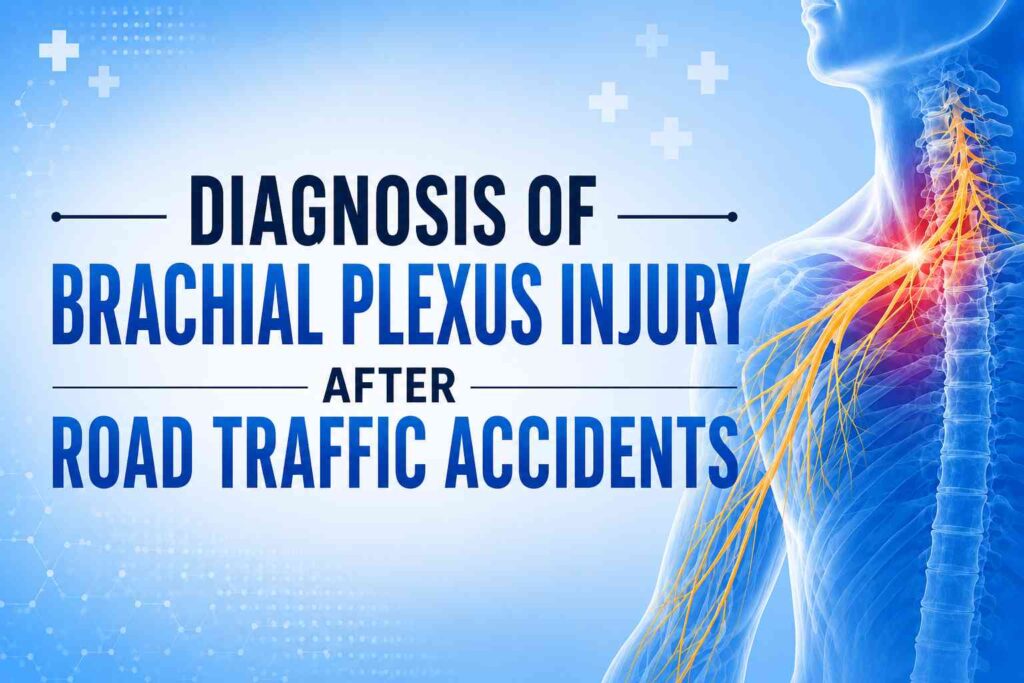
A comprehensive evaluation is necessary to determine the extent of nerve damage.
Physical Examination
Healthcare providers assess:
- Muscle strength
- Reflexes
- Sensory function
- Range of motion
MRI Scan
MRI helps visualize nerve injuries and surrounding structures.
CT Myelography
This imaging technique may detect nerve root avulsions.
Electromyography (EMG)
EMG measures muscle activity and evaluates nerve function.
Nerve Conduction Studies
These tests assess how effectively nerve signals travel through affected nerves.
Combining these investigations helps establish an accurate diagnosis.
Treatment Options for Brachial Plexus Injury After Road Traffic Accidents
Treatment depends on the severity and type of injury.
Non-Surgical Treatment
Mild injuries may improve without surgery.
Conservative treatment may include:
- Physical therapy
- Occupational therapy
- Pain management
- Stretching exercises
- Strengthening programs
Regular monitoring is essential to evaluate nerve recovery.
Surgical Treatment
Severe injuries often require surgical intervention.
Nerve Repair
Damaged nerves are directly repaired whenever possible.
Nerve Grafting
A healthy nerve graft is used to bridge damaged nerve segments.
Nerve Transfer Surgery
Healthy functioning nerves are redirected to restore movement in affected muscles.
Muscle Transfer Procedures
Muscles or tendons may be transferred to improve arm function when nerve recovery is limited.
Early surgical intervention often provides better outcomes than delayed treatment.
Benefits of Early Treatment
Timely treatment of Brachial Plexus Injury After Road Traffic Accidents may provide several advantages.
Benefits include:
- Improved nerve regeneration
- Better arm movement
- Increased muscle strength
- Reduced pain
- Prevention of muscle wasting
- Better quality of life
- Improved independence
Early intervention may maximize recovery potential.
Rehabilitation After Brachial Plexus Injury
Rehabilitation is a key component of recovery.
Physical Therapy
Physical therapy focuses on:
- Joint mobility
- Muscle strengthening
- Functional movement
- Flexibility
Occupational Therapy
Occupational therapists help patients perform daily activities more effectively.
Examples include:
- Dressing
- Eating
- Writing
- Personal care
Pain Management
Chronic nerve pain may require:
- Medication
- Therapy techniques
- Lifestyle adjustments
Home Exercise Programs
Regular exercises can help maintain progress between therapy sessions.
Consistency is often essential for optimal recovery.
Recovery Timeline
Recovery from Brachial Plexus Injury After Road Traffic Accidents varies considerably.
Factors influencing recovery include:
- Severity of injury
- Patient age
- Overall health
- Timing of treatment
- Rehabilitation participation
Mild injuries may recover within weeks or months, while severe injuries may require longer recovery periods.
Nerve regeneration is generally slow, making patience and consistent therapy important.
Possible Complications
Without appropriate management, complications may occur.
Potential complications include:
- Chronic pain
- Permanent weakness
- Limited shoulder movement
- Hand dysfunction
- Muscle atrophy
- Joint stiffness
- Functional disability
Regular follow-up helps monitor recovery and address concerns promptly.
Tips for Preventing Road Traffic Accident-Related Nerve Injuries
While not all accidents can be avoided, certain measures may reduce risk.
Helpful safety tips include:
- Always wear seat belts
- Use certified helmets
- Follow speed limits
- Avoid distracted driving
- Maintain safe following distances
- Obey traffic regulations
- Ensure vehicles are properly maintained
- Avoid driving under the influence
These practices contribute to overall road safety.
Conclusion
Brachial Plexus Injury After Road Traffic Accidents can have a major impact on arm function, strength, and daily activities. Early diagnosis, accurate assessment, appropriate treatment, and dedicated rehabilitation are essential for achieving the best possible outcome. Understanding the symptoms and treatment options allows patients to make informed decisions and seek timely care. For more information about brachial plexus injuries and their treatment, visit the American Academy of Orthopaedic Surgeons (AAOS), which provides detailed patient education on symptoms, diagnosis, and treatment options.
Frequently Asked Questions
What is Brachial Plexus Injury After Road Traffic Accidents
It is damage to the nerve network controlling the shoulder, arm, and hand caused by trauma during a road traffic accident.
Can a brachial plexus injury heal on its own
Mild injuries may recover naturally, while severe injuries often require specialized treatment.
What are the earliest symptoms
Weakness, numbness, pain, and reduced arm movement are common early symptoms.
Are motorcycle accidents a common cause
Yes. Motorcycle accidents are among the leading causes of severe brachial plexus injuries.
How is the condition diagnosed
Diagnosis may involve physical examination, MRI, EMG, nerve conduction studies, and other imaging tests.
Is surgery always necessary
No. Mild injuries may improve with non-surgical treatment and rehabilitation.
How long does recovery take
Recovery varies depending on the severity of nerve damage and the treatment received.
Can rehabilitation improve arm function
Yes. Physical and occupational therapy play important roles in recovery.
What complications can occur without treatment
Untreated injuries may result in chronic pain, weakness, muscle wasting, and disability.
Can road safety measures reduce the risk
Yes. Wearing seat belts, using helmets, and following traffic rules can help reduce injury risk.

Dr. Pradeep Kumar
Plastic & Reconstructive Surgeon – Brachial Plexus & Nerve Surgery Specialist
Dr. Pradeep Kumar is an experienced plastic and reconstructive surgeon known for his expertise in brachial plexus and peripheral nerve surgery. With extensive microsurgical experience, he focuses on restoring movement and function for patients with complex nerve injuries.
Sushrutha Institute of Plastic Surgery, Elite Mission Hospital, Thrissur