Facial Nerve Repair: What You Need to Know
Advanced Facial Nerve Repair in Thrissur is an important topic for individuals experiencing facial weakness, asymmetry, or nerve damage. The facial nerve plays a crucial role in expressions, blinking, and basic facial movements. When this nerve is affected, it can significantly impact both function and confidence. Understanding how advanced repair techniques work can help individuals make informed decisions about treatment and recovery.
Facial nerve repair has evolved over time with improved surgical precision and better recovery outcomes. Today, modern approaches aim to restore both movement and symmetry as effectively as possible.
What Is Advanced Facial Nerve Repair?
Advanced Facial Nerve Repair in Thrissur includes a range of modern techniques designed to repair or reconstruct damaged nerves. Depending on the severity of the condition, Advanced Facial Nerve Repair in Thrissur may involve direct nerve repair, nerve grafting, or nerve transfer procedures. These approaches aim to restore nerve signals and improve muscle movement. With the help of Advanced Facial Nerve Repair in Thrissur, many individuals can regain better control over facial expressions.
Key Objectives of Facial Nerve Repair:
- Restore facial movement
- Improve symmetry
- Protect eye function
- Enhance quality of life
Causes of Facial Nerve Damage
Facial nerve damage can occur due to several reasons:
- Trauma or injury
- Tumor-related pressure
- Viral infections
- Congenital conditions
- Surgical complications
Understanding the cause helps in planning Advanced Facial Nerve Repair in Thrissur effectively.
Types of Facial Nerve Repair Procedures
Advanced Facial Nerve Repair in Thrissur includes multiple surgical and non-surgical approaches depending on the severity and duration of nerve damage.
1. Direct Nerve Repair
This involves reconnecting the damaged ends of the nerve directly when possible.
2. Nerve Grafting
A segment of another nerve is used to bridge a gap in the damaged facial nerve.
3. Nerve Transfer
Healthy nerves from nearby areas are redirected to restore facial movement.
4. Muscle Transfer
Muscles from other parts of the body are used to recreate facial expressions.
5. Static Procedures
These are supportive techniques that improve facial symmetry without restoring movement.
Symptoms That May Require Facial Nerve Repair
Recognizing symptoms early can help in timely intervention and better outcomes.
Common Symptoms:
- Facial drooping
- Difficulty closing the eye
- Loss of facial expressions
- Drooling
- Speech difficulties
- Dry eyes or excessive tearing
If symptoms persist or worsen, evaluation for Advanced Facial Nerve Repair in Thrissur may be considered.
Benefits of Advanced Facial Nerve Repair
Modern techniques offer several functional and aesthetic improvements.
Key Benefits:
- Improved facial symmetry
- Restoration of voluntary movements
- Better eye protection
- Enhanced speech clarity
- Improved emotional expression
While results can vary, many individuals experience noticeable improvements over time.
How the Treatment Process Works
Step 1: Evaluation
A detailed clinical assessment is done to understand the extent of nerve damage.
Step 2: Imaging and Testing
Tests such as MRI or nerve conduction studies may be used.
Step 3: Treatment Planning
The most suitable procedure is selected based on the condition.
Step 4: Surgical Intervention
If required, surgery is performed using advanced techniques.
Step 5: Rehabilitation
Physiotherapy and exercises help in recovery and improving outcomes.
Recovery and Rehabilitation
Recovery after Advanced Facial Nerve Repair in Thrissur is gradual and requires patience.
Recovery Timeline:
- Initial healing: Few weeks
- Nerve regeneration: Several months
- Functional improvement: 6–12 months
Rehabilitation Tips:
- Follow physiotherapy guidance
- Practice facial exercises regularly
- Protect the eyes if blinking is affected
- Maintain a healthy lifestyle
Consistency plays a major role in achieving better results.
Risks and Considerations
Like any medical procedure, facial nerve repair may involve certain risks.
Possible Risks:
- Incomplete recovery
- Asymmetry
- Infection
- Scar formation
- Need for additional procedures
Discussing expectations clearly before treatment is important.
Tips for Better Outcomes
To improve the chances of successful recovery:
- Seek early evaluation
- Follow post-treatment care strictly
- Attend regular follow-ups
- Maintain realistic expectations
- Stay consistent with therapy
Small, consistent efforts can lead to gradual improvement.
When to Consider Treatment
You may consider Advanced Facial Nerve Repair in Thrissur if:
- Symptoms persist beyond a few weeks
- There is no improvement with initial treatment
- Facial function is significantly affected
- Daily activities are impacted
Early intervention often leads to better outcomes.
Conclusion
Advanced Facial Nerve Repair in Thrissur offers structured and evolving solutions for individuals facing facial nerve dysfunction. With advancements in surgical techniques and rehabilitation methods, many patients can achieve meaningful improvement in both function and appearance. Understanding the causes, treatment options, and recovery process helps in making informed decisions. If symptoms are persistent or affecting quality of life, timely evaluation and appropriate care can make a significant difference in recovery and long-term outcomes in Thrissur.
Table of Content
Treatment
Learn More
Consultation
Learn More
Cost
Learn More
Rehabilitation Therapy
Learn More
Symmetry Restoration
Frequently Asked Questions
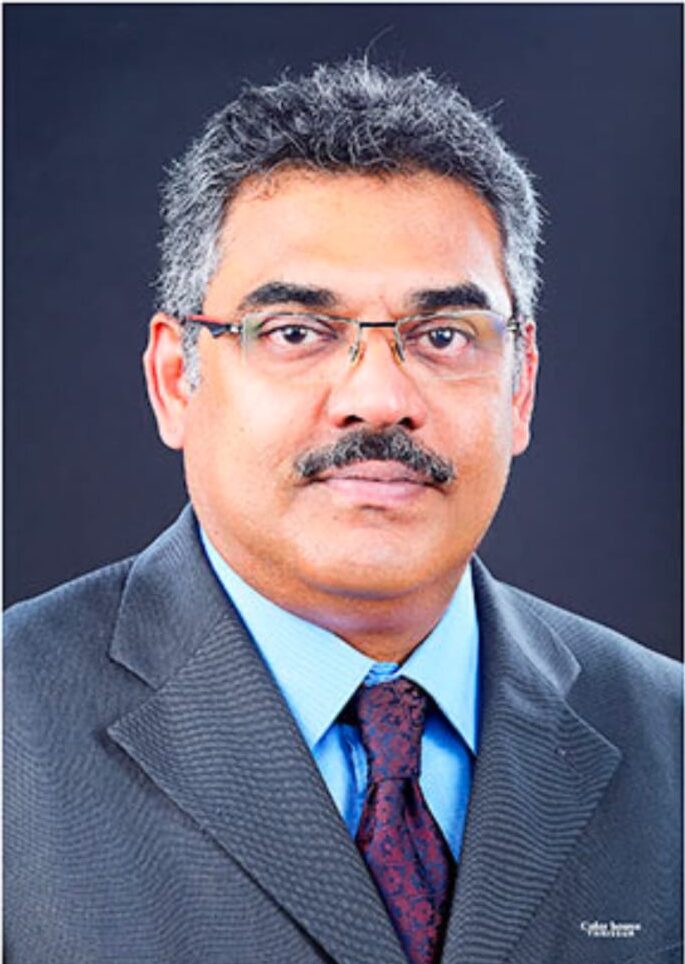
Dr. Pradeep Kumar
Plastic & Reconstructive Surgeon – Brachial Plexus & Nerve Surgery Specialist
Dr. Pradeep Kumar is an experienced plastic and reconstructive surgeon known for his expertise in brachial plexus and peripheral nerve surgery. With extensive microsurgical experience, he focuses on restoring movement and function for patients with complex nerve injuries.
Sushrutha Institute of Plastic Surgery, Elite Mission Hospital, Thrissur