Facial Symmetry Restoration Treatment in Thrissur
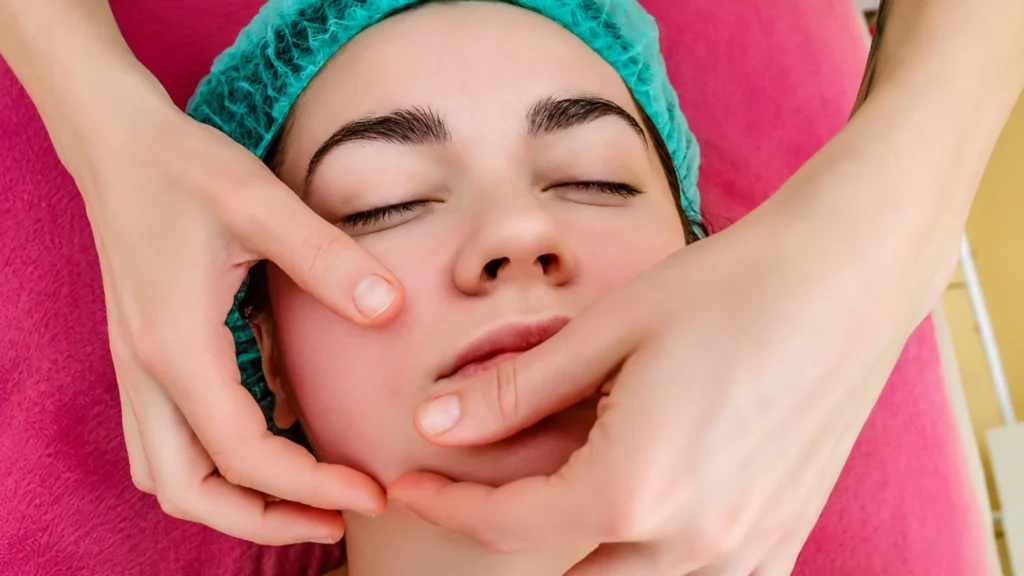
Facial Symmetry Restoration Treatment in Thrissur focuses on improving facial balance, restoring muscle coordination, and enhancing natural facial expressions for individuals affected by facial nerve weakness or asymmetry. Facial symmetry plays an important role in both appearance and functional activities such as speaking, blinking, smiling, and eating. When facial muscles lose coordination due to nerve injury or medical conditions, specialized treatment becomes essential for recovery.
Patients seeking Facial Symmetry Restoration Treatment in Thrissur often require a personalized approach that combines rehabilitation therapy, medical evaluation, and advanced treatment techniques. Early intervention and consistent care can significantly improve muscle function, facial movement, and confidence over time.
Table of Contents
- What Is Facial Symmetry Restoration?
- Common Causes of Facial Asymmetry
- Symptoms of Facial Muscle Imbalance
- Importance of Early Treatment
- Diagnosis and Evaluation
- Non-Surgical Treatment Options
- Advanced Surgical Treatment Options
- Role of Rehabilitation Therapy
- Recovery Timeline and Expectations
- Benefits of Facial Symmetry Restoration
- Long-Term Management
- Conclusion
1. What Is Facial Symmetry Restoration?
Facial symmetry restoration is a specialized treatment approach aimed at improving facial balance and restoring proper muscle movement. It helps patients affected by facial palsy, nerve injuries, muscle weakness, or post-surgical complications.
The treatment focuses on:
- Improving facial coordination
- Enhancing muscle control
- Restoring natural facial expressions
- Supporting nerve recovery
Facial Symmetry Restoration Treatment in Thrissur may include both non-surgical and surgical methods depending on the severity of the condition.
2. Common Causes of Facial Asymmetry
Several conditions can affect facial symmetry and muscle function.
Common Causes Include:
- Facial nerve paralysis
- Bell’s palsy
- Trauma or accidents
- Stroke-related weakness
- Tumors affecting facial nerves
- Post-surgical nerve injury
- Congenital facial conditions
Understanding the underlying cause helps determine the most effective treatment plan.
3. Symptoms of Facial Muscle Imbalance
Symptoms may vary depending on nerve involvement and muscle weakness.
Common Symptoms:
- Uneven smile
- Difficulty closing one eye
- Facial drooping
- Reduced facial expressions
- Difficulty speaking clearly
- Muscle tightness or stiffness
These symptoms can affect both appearance and daily activities.
4. Importance of Early Treatment
Early diagnosis and treatment can improve long-term outcomes significantly.
Benefits of Early Intervention:
- Better nerve recovery
- Reduced muscle stiffness
- Prevention of permanent weakness
- Improved facial coordination
- Faster rehabilitation progress
Delaying treatment may increase the risk of long-term complications.
5. Diagnosis and Evaluation
Proper diagnosis is essential before beginning treatment.
Evaluation Methods:
- Physical examination
- Assessment of facial movements
- Nerve function studies
- Imaging tests such as MRI
- Muscle strength evaluation
A detailed assessment helps create a personalized treatment strategy.
6. Non-Surgical Treatment Options
Many patients benefit from non-surgical management methods.
Common Non-Surgical Treatments:
- Facial physiotherapy
- Muscle retraining exercises
- Neuromuscular rehabilitation
- Electrical stimulation therapy
- Massage therapy
- Mirror exercises
These therapies aim to strengthen facial muscles and improve coordination gradually.
7. Advanced Surgical Treatment Options
Surgery may be recommended in severe cases or when nerve recovery is limited.
Surgical Procedures May Include:
- Nerve grafting
- Nerve transfer procedures
- Muscle transfer surgery
- Facial reanimation procedures
- Static suspension techniques
The choice of procedure depends on the extent of nerve damage and recovery goals.
8. Role of Rehabilitation Therapy
Rehabilitation therapy is one of the most important parts of Facial Symmetry Restoration Treatment in Thrissur.
Therapy Goals:
- Restore facial movement
- Improve symmetry
- Strengthen weakened muscles
- Enhance coordination
- Prevent muscle contractures
Regular physiotherapy sessions and home exercises are often necessary for optimal recovery.
9. Recovery Timeline and Expectations
Recovery varies depending on the severity of nerve injury and treatment type.
General Recovery Expectations:
- Mild conditions may improve within weeks
- Moderate cases may require months of therapy
- Surgical recovery may take longer
- Continuous rehabilitation improves outcomes
Patience and consistency are essential throughout the recovery process.
10. Benefits of Facial Symmetry Restoration
Facial Symmetry Restoration Treatment in Thrissur offers several physical and emotional benefits.
Key Benefits:
- Improved facial balance
- Better facial expressions
- Enhanced confidence
- Improved speech and eating function
- Better eye closure and protection
- Increased muscle strength
Successful treatment can improve overall quality of life.
10. Benefits of Facial Symmetry Restoration
Facial Symmetry Restoration Treatment in Thrissur offers several physical and emotional benefits.
Key Benefits:
- Improved facial balance
- Better facial expressions
- Enhanced confidence
- Improved speech and eating function
- Better eye closure and protection
- Increased muscle strength
Successful treatment can improve overall quality of life.
11. Long-Term Management
Long-term care may help maintain treatment results and prevent recurrence.
Important Long-Term Care Tips:
- Continue prescribed exercises
- Attend regular follow-up visits
- Protect facial muscles from strain
- Maintain a healthy lifestyle
- Follow rehabilitation recommendations
Consistent management supports lasting improvement.
Conclusion
Facial Symmetry Restoration Treatment in Thrissur is an important step toward improving facial balance, restoring natural expressions, and enhancing overall quality of life for individuals affected by facial nerve weakness or asymmetry. Through a combination of rehabilitation therapy, medical management, and advanced treatment techniques, many patients achieve meaningful improvements in both function and appearance.
Early diagnosis, consistent therapy, and proper follow-up care play a major role in successful recovery outcomes. Patients seeking additional information about facial nerve conditions and rehabilitation can learn more about facial palsy treatment and recovery through trusted medical resources.
With the right treatment approach and commitment to rehabilitation, long-term improvement in facial movement and symmetry is achievable for many individuals.
Table of Content
Treatment
Learn More
Consultation
Learn More
Cost
Learn More
Rehabilitation Therapy
Learn More
Nerve Repair
Learn More
Frequently Asked Questions
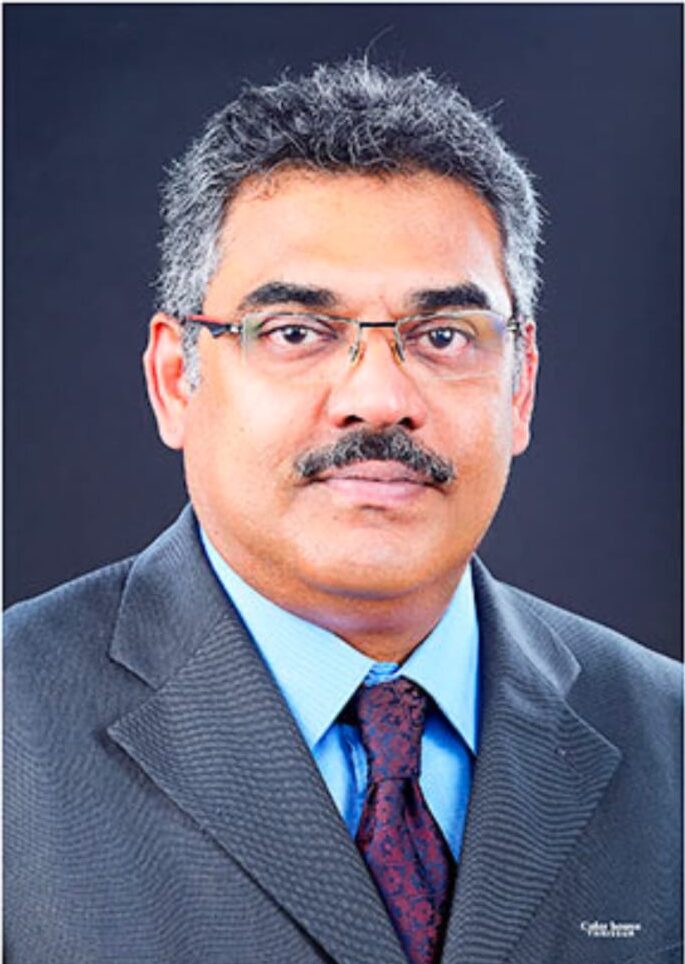
Dr. Pradeep Kumar
Plastic & Reconstructive Surgeon – Brachial Plexus & Nerve Surgery Specialist
Dr. Pradeep Kumar is an experienced plastic and reconstructive surgeon known for his expertise in brachial plexus and peripheral nerve surgery. With extensive microsurgical experience, he focuses on restoring movement and function for patients with complex nerve injuries.
Sushrutha Institute of Plastic Surgery, Elite Mission Hospital, Thrissur