Early Signs You May Need Erb’s Palsy Treatment in Kerala: 9 Warning Symptoms to Know
For individuals seeking evaluation and care in Kerala, understanding Early Signs You May Need Erb’s Palsy Treatment in Kerala is essential for timely diagnosis and effective management. Erb’s palsy is a condition caused by injury to the brachial plexus nerves, leading to weakness, reduced movement, or loss of function in the shoulder and arm. Recognizing early symptoms allows for prompt intervention, which can significantly improve recovery outcomes and prevent long-term complications.
Table of Contents
- What Is Erb’s Palsy?
- Why Early Signs Matter
- Weakness in the Arm
- Limited Shoulder Movement
- Reduced Grip Strength
- Abnormal Arm Positioning
- Lack of Movement in Infants
- Muscle Tightness or Stiffness
- Delayed Development of Arm Function
- Summary
1. What Is Erb’s Palsy?
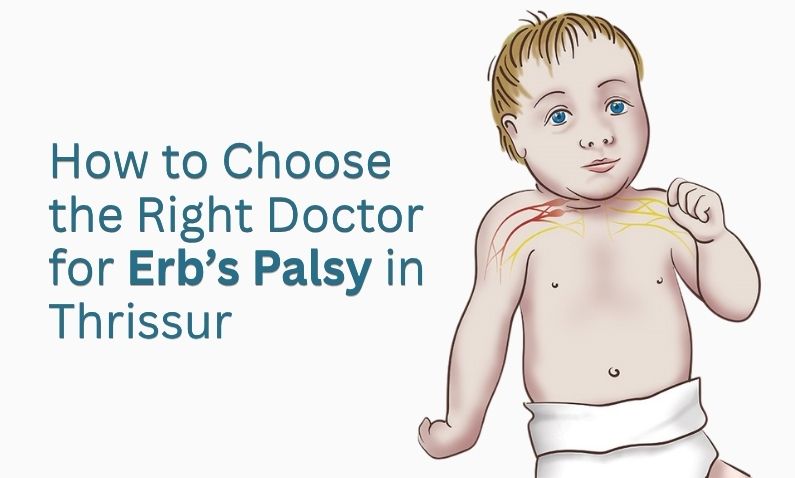
Erb’s palsy is a nerve injury affecting the upper part of the brachial plexus. It commonly impacts the shoulder and upper arm, leading to reduced mobility and strength. The condition may occur due to birth-related complications or trauma affecting the neck and shoulder region.
2. Why Early Signs Matter
Recognizing early signs is important because early treatment can:
- Improve nerve recovery
- Prevent joint stiffness
- Enhance muscle strength
- Reduce long-term functional limitations
Timely intervention plays a key role in achieving better outcomes.
3. Weakness in the Arm
One of the earliest signs is noticeable weakness in the affected arm. This may include:
- Difficulty lifting the arm
- Reduced ability to hold objects
- Decreased strength compared to the other arm
Persistent weakness should not be ignored.
4. Limited Shoulder Movement
Restricted movement in the shoulder is another common early sign. Patients may experience:
- Difficulty raising the arm
- Reduced range of motion
- Stiffness during movement
This limitation can affect daily activities if untreated.
5. Reduced Grip Strength
Grip strength may be affected in some cases. Signs include:
- Weak grasp
- Difficulty holding or picking up objects
- Reduced hand coordination
This indicates involvement of nerve function affecting the hand.
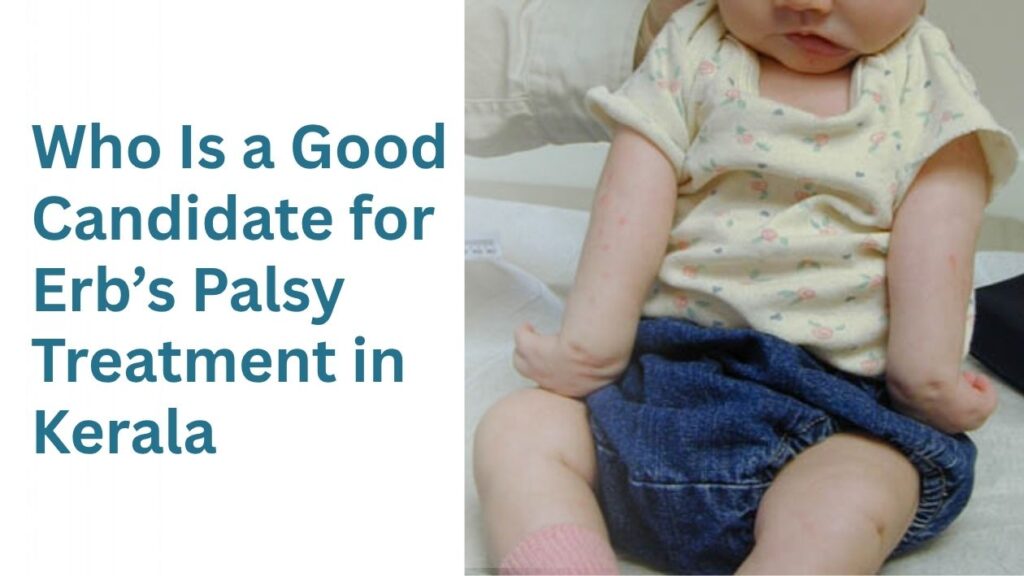
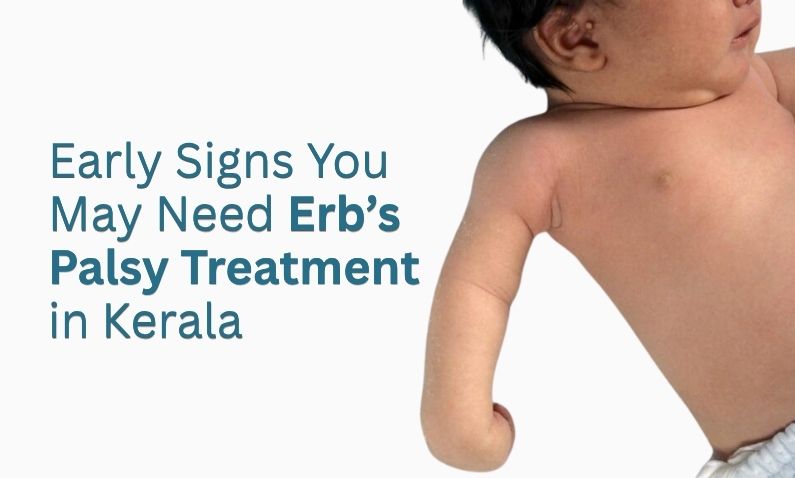
6. Abnormal Arm Positioning
The arm may rest in an unusual position, such as:
- Arm held close to the body
- Elbow extended with inward rotation
- Limited spontaneous movement
This positioning is often noticeable in infants.
7. Lack of Movement in Infants
In infants, early signs may include:
- One arm not moving like the other
- Reduced spontaneous activity
- Delay in reaching or grasping movements
Parents may observe these differences during early development.
8. Muscle Tightness or Stiffness
Over time, lack of movement can lead to stiffness. Early signs include:
- Tight muscles
- Reduced flexibility
- Difficulty moving joints freely
Physiotherapy helps prevent progression of stiffness.
9. Delayed Development of Arm Function
Children with Erb’s palsy may show delayed development in:
- Reaching milestones
- Coordinating arm movements
- Performing age-appropriate activities
Early treatment supports better developmental outcomes.
Summary
Early signs you may need Erb’s palsy treatment in Kerala include arm weakness, limited shoulder movement, reduced grip strength, abnormal positioning, and delayed functional development. Recognizing these symptoms early allows for timely medical evaluation and appropriate treatment. Early intervention, combined with physiotherapy and structured care, helps improve recovery and reduces the risk of long-term complications. Awareness of these warning signs plays a crucial role in ensuring effective management and better quality of life.
Frequently Asked Questions
1. What are the early signs of Erb’s palsy?
Early signs include arm weakness, limited shoulder movement, and reduced function in the affected arm.
2. When should I seek treatment for Erb’s palsy?
Medical evaluation should be considered if symptoms like weakness or reduced movement are noticed early.
3. Can Erb’s palsy improve without treatment?
Mild cases may improve naturally, but medical evaluation is important to ensure proper recovery.
4. How does arm weakness indicate Erb’s palsy?
Weakness suggests nerve involvement affecting muscle strength and movement.
5. Is limited shoulder movement an early symptom?
Yes, restricted shoulder motion is a common early sign of nerve injury.
6. What signs are seen in infants with Erb’s palsy?
Infants may show reduced movement in one arm or delayed development of arm function.
7. Can grip strength be affected in early stages?
Yes, reduced grip strength may occur depending on the extent of nerve involvement.
8. Does early treatment improve recovery?
Yes, early treatment supports better nerve healing and functional recovery.
9. What happens if early signs are ignored?
Ignoring symptoms may lead to stiffness, weakness, and long-term functional limitations.
10. Who should seek evaluation for early symptoms?
Anyone noticing arm weakness, limited movement, or abnormal positioning should seek medical evaluation.

Dr. Pradeep Kumar
Plastic & Reconstructive Surgeon – Brachial Plexus & Nerve Surgery Specialist
Dr. Pradeep Kumar is an experienced plastic and reconstructive surgeon known for his expertise in brachial plexus and peripheral nerve surgery. With extensive microsurgical experience, he focuses on restoring movement and function for patients with complex nerve injuries.
Sushrutha Institute of Plastic Surgery, Elite Mission Hospital, Thrissur