Understanding Erb’s Palsy Recovery Time in Thrissur and What to Expect
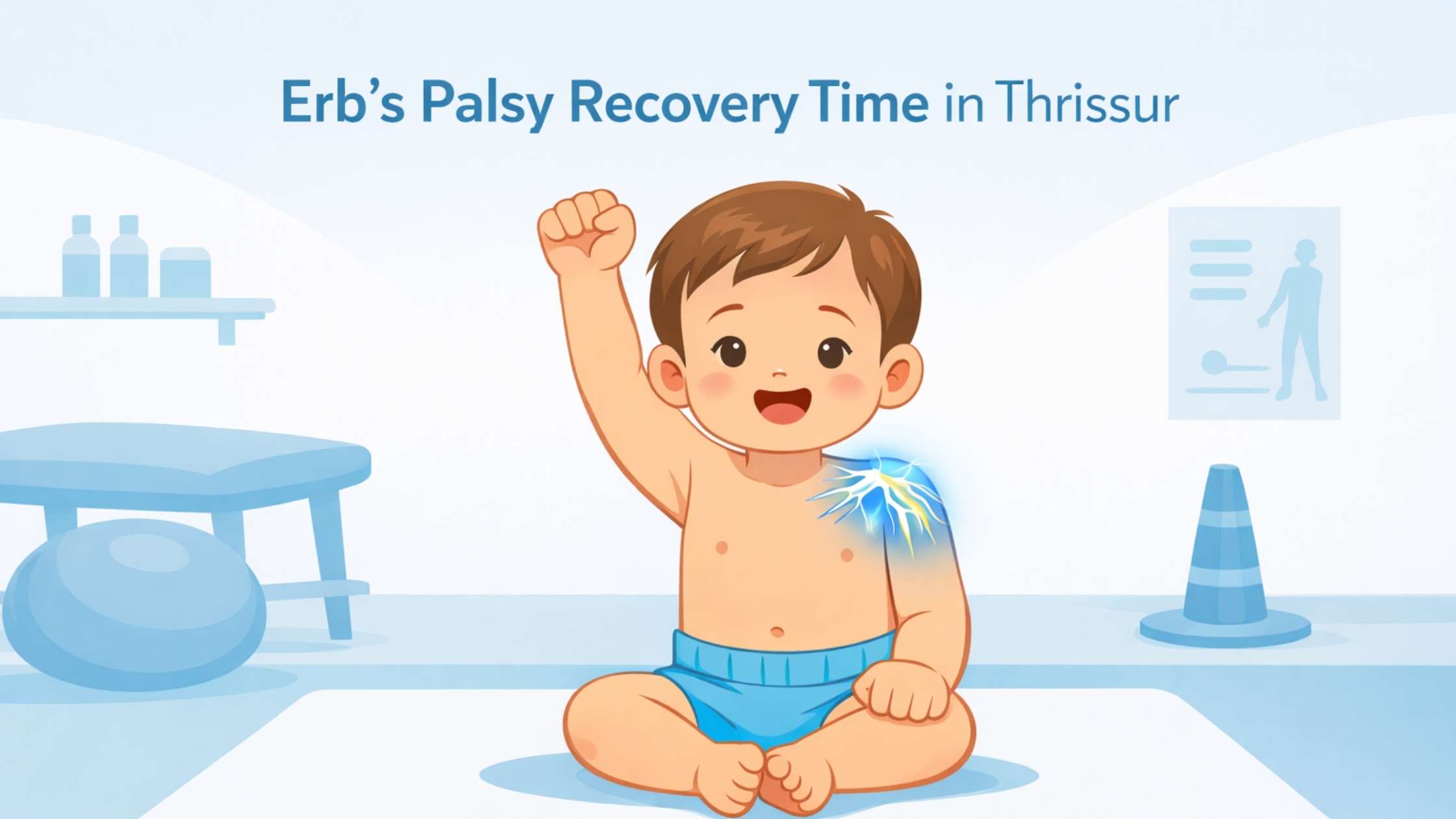
Erb’s Palsy Recovery Time in Thrissur is an important topic for parents who are concerned about how long it will take for their child to regain proper arm movement after a brachial plexus injury. The recovery process varies from child to child and depends on factors such as the severity of nerve damage, how early treatment begins, and how consistently physiotherapy is followed. In many cases, early signs of improvement can be seen within the first few months, especially when the condition is mild and managed promptly.
As the recovery progresses, children may gradually regain strength, coordination, and flexibility in the affected arm. Consistent therapy and regular medical follow-ups play a key role in ensuring steady improvement. While some children achieve near-complete recovery within a year, others may take longer depending on their condition. Understanding this timeline helps parents stay patient and actively support their child’s healing journey with confidence.
What is Erb’s Palsy and Why Recovery Time Matters
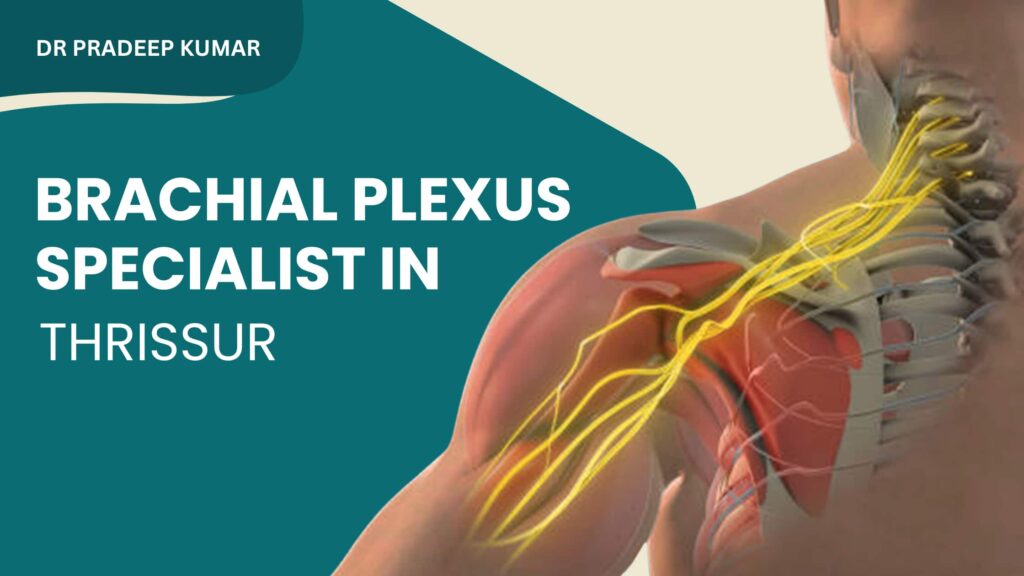
Erb’s palsy is a condition caused by injury to the brachial plexus nerves during birth. These nerves control the movement of the shoulder, arm, and hand. When affected, the child may show weakness or inability to move the arm properly.
Recovery time matters because early improvement often indicates better nerve healing. Knowing what to expect helps parents take the right steps at the right time.
Early Stage of Recovery
The first few weeks after diagnosis are crucial. During this stage, doctors evaluate the extent of nerve damage and begin initial treatment.
In mild cases, babies may start showing slight movements within a few weeks. This early response is a positive sign that the nerves are healing naturally.
Parents are usually advised to begin gentle physiotherapy exercises to maintain joint flexibility and prevent stiffness.
Recovery Progress in the First Six Months
The first six months are considered the most important period in recovery. Many children show visible improvement during this time.
By three months, some babies begin to move their shoulders and elbows more actively. By six months, there may be noticeable gains in strength and coordination.
If there is no improvement during this period, doctors may recommend further evaluation to decide the next course of action.
Factors That Influence Recovery Time
Recovery time varies depending on multiple factors:
Type of Nerve Injury
Stretch injuries heal faster than more severe nerve damage.
Timing of Treatment
Early physiotherapy and medical care significantly improve recovery speed.
Consistency of Exercises
Regular therapy ensures better muscle development and nerve stimulation.
Overall Health of the Child
A healthy child may respond better to treatment and recover faster.
Role of Physiotherapy in Faster Recovery
Physiotherapy is one of the most effective ways to improve recovery time. It helps in maintaining flexibility, strengthening muscles, and promoting nerve healing.
Therapists guide parents with specific exercises that should be done daily. These exercises help the child gradually regain movement and control of the affected arm.
Consistency is the key. Even simple movements done regularly can bring significant improvement over time.
When Recovery Takes Longer
In some cases, recovery may take longer due to the severity of the nerve injury. Children with more complex conditions may not show early improvement.
This does not mean recovery is not possible. It simply means that additional treatment, including surgery, may be required to achieve better results.
Parents should stay patient and follow medical advice closely during this phase.
Surgical Treatment and Its Impact on Recovery Time
When natural recovery is limited, surgery may be recommended. Surgical procedures aim to repair damaged nerves and restore function.
Although surgery may extend the overall recovery timeline, it often improves long-term outcomes. After surgery, children undergo physiotherapy to maximize the benefits of the procedure.
Recovery after surgery is gradual but can lead to significant improvements in arm function.
Signs That Recovery is Progressing
Parents can look for certain signs that indicate improvement:
- Increased arm movement
- Better control of shoulder and elbow
- Ability to grip objects
- Improved coordination
These signs may appear slowly but are important indicators of nerve healing.
Long-Term Recovery Expectations
Most children with Erb’s palsy recover well with proper treatment. Many achieve near-normal function and can perform daily activities without difficulty.
In some cases, minor limitations may remain, but they usually do not affect the child’s overall quality of life.
Regular follow-ups help ensure that any issues are addressed promptly.
Challenges During the Recovery Period
Recovery can come with challenges, including:
- Slow progress in some cases
- Need for continuous therapy
- Emotional stress for parents
Understanding these challenges helps families stay prepared and focused on long-term outcomes.
Importance of Parental Involvement
Parents play a crucial role in the recovery process. Their involvement in daily exercises and care routines directly impacts the child’s progress.
Encouraging the child to use the affected arm during daily activities helps improve strength and coordination.
A supportive environment makes the recovery journey smoother and more effective.
How to Support Faster Recovery
There are several ways to support faster recovery:
- Follow all physiotherapy instructions carefully
- Maintain a consistent exercise routine
- Attend all medical appointments
- Monitor progress and report any concerns
These steps can help improve recovery time and overall outcomes.
Emotional Journey of Recovery
The journey from diagnosis to recovery can be emotional. Parents may feel worried during the early stages, especially if progress seems slow.
However, seeing gradual improvement brings hope and confidence. Understanding that recovery takes time helps families stay patient and positive.
Support from healthcare professionals and loved ones can make a big difference during this journey.
Conclusion
Erb’s Palsy Recovery Time in Thrissur depends on multiple factors including the severity of the nerve injury, timing of treatment, and consistency of physiotherapy. While some children recover quickly within a few months, others may require a longer rehabilitation period to regain full arm movement and strength. Early intervention and proper care play a crucial role in achieving better outcomes.
With the right combination of medical treatment, physiotherapy, and continuous support, most children show significant improvement over time. Staying patient, following therapy routines, and attending regular check-ups can make a meaningful difference in the recovery journey, helping children regain mobility and lead active, healthy lives.
Frequently Asked Questions
1. How long does Erb’s palsy recovery take?
Recovery time varies, but many children show improvement within 3 to 6 months, while full recovery may take up to a year or more.
2. Can Erb’s palsy heal on its own?
Mild cases often heal naturally with time and physiotherapy, while severe cases may need medical intervention.
3. What affects Erb’s palsy recovery time?
Factors include the severity of nerve injury, early diagnosis, type of treatment, and consistency of physiotherapy.
4. When should treatment for Erb’s palsy begin?
Treatment should begin as early as possible after diagnosis to improve recovery outcomes and reduce complications.
5. Is physiotherapy important for recovery?
Yes, physiotherapy is essential for improving arm movement, strength, and flexibility during recovery.
6. When is surgery needed for Erb’s palsy?
Surgery may be required if there is little to no improvement within the first 3 to 6 months.
7. Can recovery take more than one year?
Yes, in severe cases, recovery may continue beyond one year, especially if surgery and long-term therapy are involved.
8. What are the signs of recovery in Erb’s palsy?
Signs include improved arm movement, better grip strength, and increased coordination.
9. Will my child regain full arm function?
Many children regain near-normal function, especially with early treatment and consistent therapy.
10. How can parents support faster recovery?
Parents can help by following physiotherapy routines, attending medical check-ups, and encouraging the child to use the affected arm.
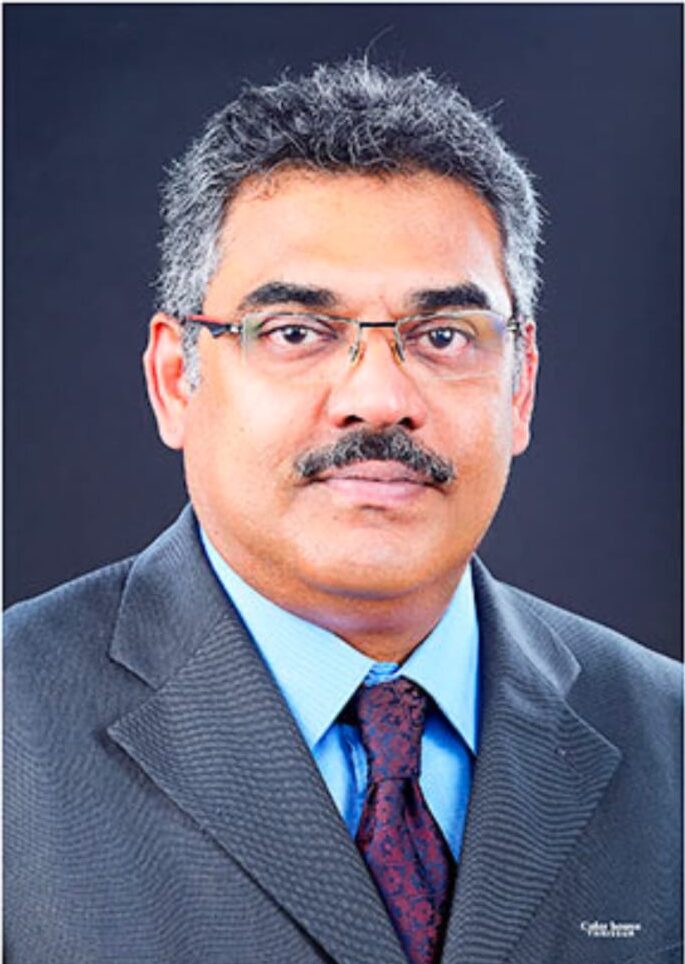
Dr. Pradeep Kumar
Plastic & Reconstructive Surgeon – Brachial Plexus & Nerve Surgery Specialist
Dr. Pradeep Kumar is an experienced plastic and reconstructive surgeon known for his expertise in brachial plexus and peripheral nerve surgery. With extensive microsurgical experience, he focuses on restoring movement and function for patients with complex nerve injuries.
Sushrutha Institute of Plastic Surgery, Elite Mission Hospital, Thrissur