Microsurgery for Brachial Plexus Injury in Thrissur: Advanced Microsurgical Nerve Reconstruction for Functional Recovery
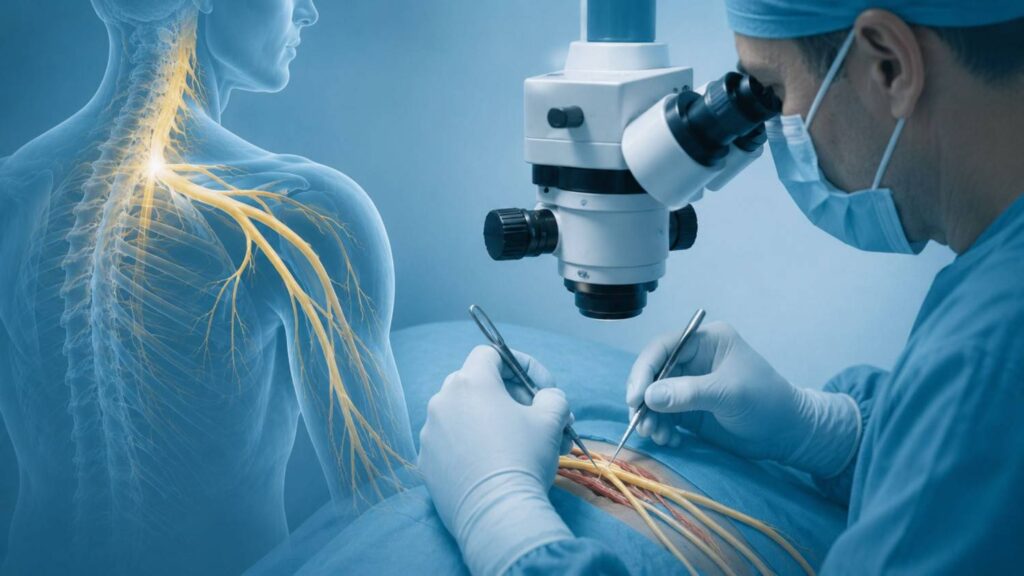
A brachial plexus injury can significantly affect movement, strength, and sensation in the shoulder, arm, and hand. When the nerves are severely damaged or torn, natural recovery may not be possible. Microsurgery for Brachial Plexus Injury in Thrissur offers an advanced treatment option that uses specialized surgical techniques and high-powered magnification to repair or reconstruct damaged nerves with exceptional precision.
The success of Microsurgery for Brachial Plexus Injury in Thrissur depends on early diagnosis, accurate assessment, individualized treatment planning, and structured rehabilitation. Depending on the type and severity of the injury, microsurgery may involve nerve repair, nerve grafting, nerve transfer, or other reconstructive procedures designed to restore upper limb function and improve quality of life.
What Is Microsurgery for Brachial Plexus Injury?
Microsurgery is a highly specialized surgical technique performed using an operating microscope and microsurgical instruments to repair or reconstruct delicate nerves.
In Microsurgery for Brachial Plexus Injury in Thrissur, surgeons carefully reconnect damaged nerves or reconstruct complex nerve injuries with remarkable precision. These procedures help restore communication between the nerves and muscles, improving the chances of regaining movement and sensation.
Microsurgical reconstruction has become an important treatment option for patients with severe brachial plexus injuries that cannot recover with conservative management alone.
Who Needs Microsurgery?
Not every brachial plexus injury requires surgery.
Microsurgical treatment may be recommended for patients with:
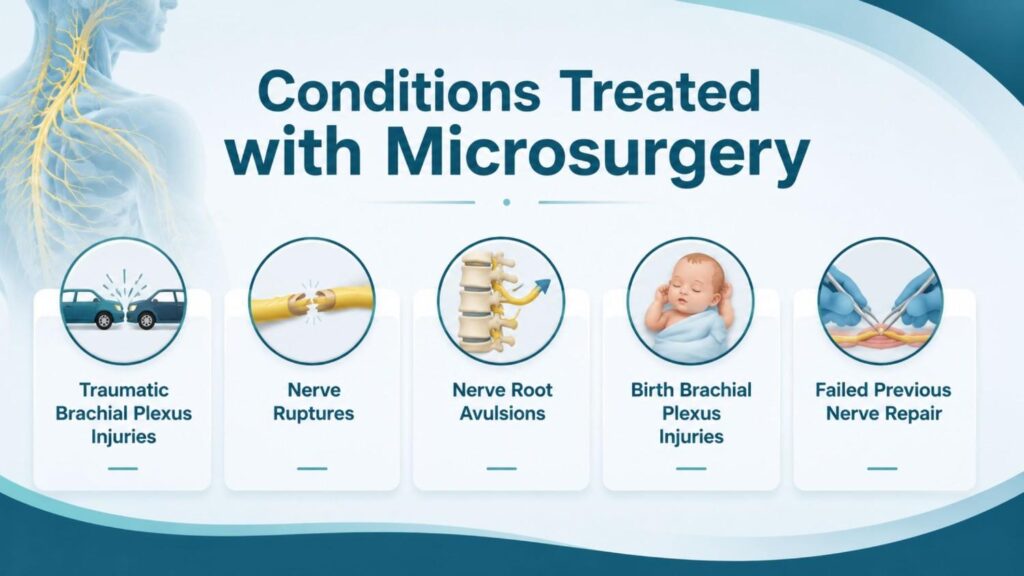
- Complete nerve rupture
- Nerve root avulsion
- Severe traumatic brachial plexus injuries
- Persistent muscle weakness
- Loss of shoulder or elbow movement
- Paralysis of the upper limb
- Failure of conservative treatment
- Progressive muscle wasting
Early specialist evaluation helps determine whether Microsurgery for Brachial Plexus Injury in Thrissur is the most appropriate treatment option.
Benefits of Microsurgical Treatment
Modern microsurgical techniques provide several advantages when treating severe brachial plexus injuries.
Potential benefits include:
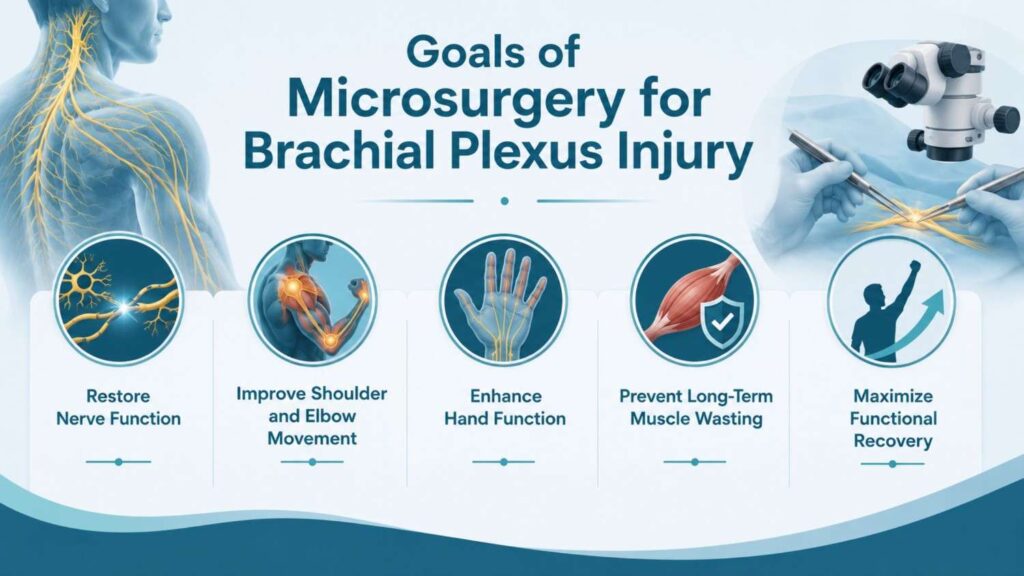
- Precise nerve reconstruction
- Improved nerve regeneration
- Better muscle recovery
- Restoration of shoulder function
- Improved elbow movement
- Enhanced hand function
- Reduced long-term disability
- Improved quality of life
Although recovery varies among individuals, timely Microsurgery for Brachial Plexus Injury in Thrissur can significantly improve functional outcomes in carefully selected patients.
Diagnosis Before Microsurgery
Successful microsurgery begins with a comprehensive evaluation.
Clinical Examination
A detailed neurological examination assesses muscle strength, joint movement, sensation, and functional impairment.
Magnetic Resonance Imaging (MRI)
MRI helps evaluate the brachial plexus, surrounding soft tissues, and associated injuries.
Electromyography (EMG)
EMG measures electrical activity in muscles to determine the extent of nerve damage and muscle denervation.
Nerve Conduction Studies (NCS)
NCS evaluate how effectively electrical signals travel through the peripheral nerves, helping identify the location and severity of the injury.
CT Myelography
In selected patients, CT myelography helps detect nerve root avulsions that may not be clearly visible on other imaging studies.
Individualized Surgical Planning
The results of the clinical examination and diagnostic investigations help determine:
- Whether surgery is necessary
- The most suitable microsurgical technique
- The timing of surgery
- Expected functional outcomes
- Rehabilitation requirements
Comprehensive evaluation allows specialists to develop a personalized plan for Microsurgery for Brachial Plexus Injury in Thrissur, ensuring that treatment is tailored to each patient’s specific injury and recovery goals.
Treatment Options for Brachial Plexus Injury
The treatment approach depends on the severity of the injury, the nerves involved, the time since the injury occurred, and the patient’s functional goals.
While mild brachial plexus injuries may recover with conservative management, severe injuries often require Microsurgery for Brachial Plexus Injury in Thrissur to restore movement and improve nerve function.
Every patient receives a personalized treatment plan based on comprehensive clinical evaluation and advanced diagnostic investigations.
Conservative Management Before Surgery
Not every brachial plexus injury requires immediate surgical intervention.
Patients with mild stretch injuries may initially be managed with:
- Pain management
- Physiotherapy
- Occupational therapy
- Range-of-motion exercises
- Muscle strengthening
- Joint mobility exercises
- Functional rehabilitation
- Regular neurological follow-up
Patients are monitored closely to determine whether spontaneous nerve recovery occurs or if microsurgical reconstruction becomes necessary.
Preparing for Microsurgery
Careful preoperative planning plays an important role in achieving successful surgical outcomes.
Preparation may include:
- Detailed neurological assessment
- MRI evaluation
- Electromyography (EMG)
- Nerve Conduction Studies (NCS)
- CT myelography when indicated
- Review of previous injuries or surgeries
- Functional assessment of the upper limb
- Personalized surgical planning
Comprehensive evaluation helps determine the most appropriate Microsurgery for Brachial Plexus Injury in Thrissur for each patient.
Advanced Microsurgical Procedures
Modern microsurgical reconstruction uses high-powered magnification and specialized instruments to repair damaged nerves with exceptional precision.
The choice of procedure depends on the pattern and severity of the brachial plexus injury.
Nerve Repair
When the injured nerve ends can be directly reconnected without excessive tension, microsurgical nerve repair restores continuity and encourages natural nerve regeneration.
Nerve Grafting
If a gap exists between damaged nerve ends, healthy donor nerves are used to bridge the defect and create a pathway for regenerating nerve fibers.
Nerve Transfer
When direct repair is not possible because of severe nerve root damage or avulsion, nearby healthy nerves are redirected to restore movement in important muscles such as the shoulder or elbow.
Neurolysis (Nerve Decompression)
Some patients have nerves that remain intact but are compressed by scar tissue.
Microsurgical neurolysis releases surrounding scar tissue, improving nerve mobility, blood supply, and the potential for recovery.
Tendon Transfer
When nerve recovery alone cannot restore adequate movement, tendon transfer surgery repositions healthy tendons to compensate for weakened or paralyzed muscles.
Functional Muscle Transfer
Patients with long-standing brachial plexus injuries and severe muscle loss may benefit from functional muscle transfer, where healthy muscle from another part of the body is transplanted to restore movement.
Recovery After Microsurgery
Recovery following Microsurgery for Brachial Plexus Injury in Thrissur is gradual because regenerating nerves grow slowly.
Patients usually experience progressive improvement over several months, with recovery continuing for one to two years depending on the severity of the injury.
Recovery commonly includes:
- Wound healing
- Nerve regeneration
- Muscle strengthening
- Sensory recovery
- Functional retraining
- Regular follow-up evaluations
Every patient’s recovery timeline is unique and depends on the complexity of the injury and the surgical procedure performed.
Rehabilitation After Surgery
Rehabilitation is an essential part of Microsurgery for Brachial Plexus Injury in Thrissur.
A structured rehabilitation program helps maximize the benefits of surgery and improve long-term functional outcomes.
Rehabilitation may include:
- Physiotherapy
- Occupational therapy
- Joint mobility exercises
- Muscle strengthening
- Sensory re-education
- Functional task training
- Home exercise programs
- Periodic clinical assessments
Regular participation in rehabilitation supports nerve regeneration and helps patients regain the highest possible level of independence.
Importance of Long-Term Follow-up
Recovery does not end after surgery.
Regular follow-up appointments allow specialists to monitor nerve regeneration, evaluate muscle recovery, and modify rehabilitation plans according to the patient’s progress.
Long-term follow-up helps:
- Assess functional improvement
- Monitor nerve regeneration
- Identify recovery milestones
- Optimize rehabilitation
- Address residual weakness
- Support long-term functional outcomes
Ongoing care is an important part of Microsurgery for Brachial Plexus Injury in Thrissur, ensuring that treatment continues to meet the patient’s changing recovery needs.
Why Choose Specialized Microsurgical Care?
Successful brachial plexus reconstruction requires advanced microsurgical expertise, specialized equipment, and individualized rehabilitation.
Comprehensive care includes:
- Detailed neurological evaluation
- Advanced diagnostic investigations
- Personalized surgical planning
- High-precision microsurgical reconstruction
- Physiotherapy
- Occupational therapy
- Structured rehabilitation
- Long-term follow-up
Patients undergoing Microsurgery for Brachial Plexus Injury in Thrissur benefit from a multidisciplinary approach focused on restoring movement, sensation, and long-term upper limb function.
For a broader understanding of brachial plexus injuries, visit our page on Brachial Plexus Injury Treatment.
Conclusion
Severe brachial plexus injuries require timely diagnosis, precise surgical planning, and specialized treatment to restore nerve function and improve upper limb movement. Microsurgery for Brachial Plexus Injury in Thrissur combines advanced surgical techniques such as nerve repair, nerve grafting, nerve transfer, and neurolysis with comprehensive rehabilitation to maximize functional recovery. Every treatment plan is tailored to the individual’s injury pattern and long-term goals.
If you are considering Microsurgery for Brachial Plexus Injury in Thrissur, early specialist evaluation can help determine the most appropriate treatment approach. Prompt intervention, advanced microsurgical expertise, and dedicated rehabilitation provide the best opportunity to restore movement, improve independence, and enhance quality of life.
For additional information about brachial plexus injuries and microsurgical treatment, visit the Mayo Clinic resource on brachial plexus injuries.
Frequently Asked Questions
What is microsurgery for brachial plexus injury?
Who may need Microsurgery for Brachial Plexus Injury in Thrissur?
What procedures are performed during microsurgery?
Is microsurgery different from conventional nerve surgery?
How soon should microsurgery be performed?
How long does recovery take after microsurgery?
Will I need physiotherapy after microsurgery?
Can microsurgery completely restore arm function?
What tests are required before microsurgery?
Why is early treatment important?
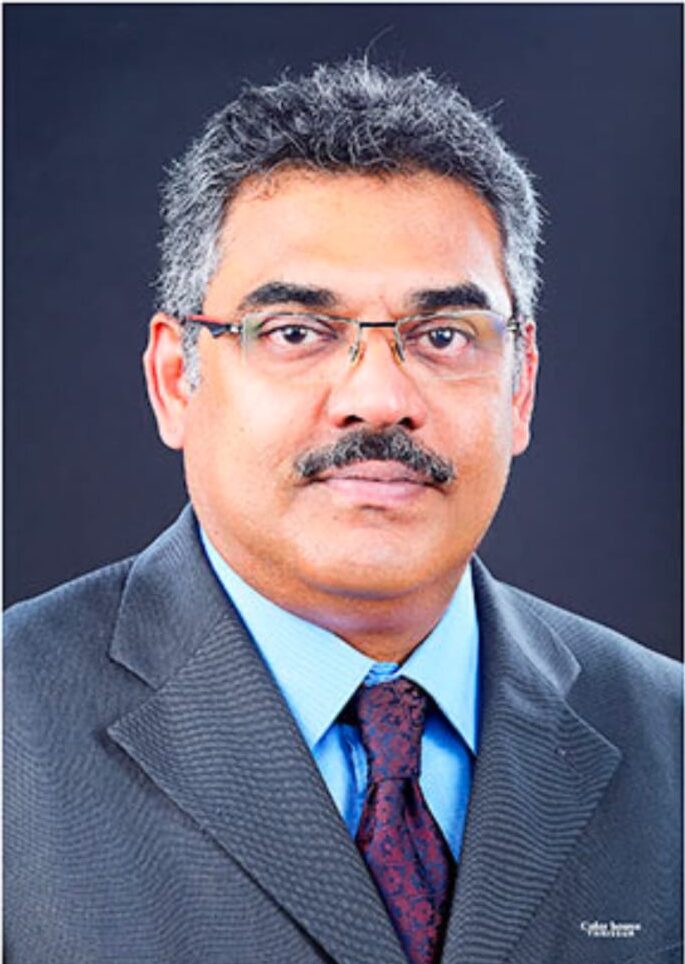
Dr. Pradeep Kumar
Plastic & Reconstructive Surgeon – Brachial Plexus & Nerve Surgery Specialist
Dr. Pradeep Kumar is an experienced plastic and reconstructive surgeon known for his expertise in brachial plexus and peripheral nerve surgery. With extensive microsurgical experience, he focuses on restoring movement and function for patients with complex nerve injuries.
Sushrutha Institute of Plastic Surgery, Elite Mission Hospital, Thrissur