7 What Factors Affect Recovery After Brachial Plexus Surgery
Understanding what factors affect recovery after brachial plexus surgery can help patients and families prepare for the healing process. Recovery is different for every person because nerve injuries vary in severity, location, and duration. Patients in Thrissur , may also receive different rehabilitation recommendations depending on their individual condition and surgical plan.
Brachial plexus surgery is performed to repair or reconstruct damaged nerves that control movement and sensation in the shoulder, arm, and hand. Although surgery can restore nerve continuity and create an opportunity for improved function, nerves heal slowly. Recovery may take months or even years, depending on several important factors.
Knowing what factors affect recovery after brachial plexus surgery is useful because it allows patients to understand why progress may be gradual and why rehabilitation is such an important part of treatment.
What Factors Affect Recovery After Brachial Plexus Surgery
Several medical, physical, and lifestyle-related factors can influence recovery. Some are related to the original nerve injury, while others involve surgery, rehabilitation, general health, and patient participation.
The most important factors include:
- Severity and location of the nerve injury
- Type of brachial plexus surgery performed
- Time between injury and surgery
- Extent of nerve damage
- Age and overall health
- Nerve regeneration rate
- Muscle condition before and after surgery
- Consistency of physiotherapy
- Pain and sensory changes
- Protection of the repaired nerves
- Nutrition and lifestyle
- Follow-up care and rehabilitation progress
These factors do not work independently. Recovery usually depends on how several of them interact.
Severity of the Brachial Plexus Injury
One of the biggest factors in understanding what factors affect recovery after brachial plexus surgery is the severity of the original nerve damage.
A mild nerve injury may preserve some of the nerve’s internal structure, while a more severe injury may involve complete disruption of the nerve. When the nerve is severely damaged, surgical reconstruction may be required to provide a pathway for nerve regeneration.
The extent of damage can affect:
- Muscle weakness
- Loss of sensation
- Range of motion
- Pain levels
- Nerve regeneration potential
- Expected functional improvement
A patient with limited nerve damage may experience a different recovery pattern from someone with multiple injured nerve roots or major nerve disruption.
Location of the Nerve Injury
The location of the injury is another important consideration when evaluating what factors affect recovery after brachial plexus surgery.
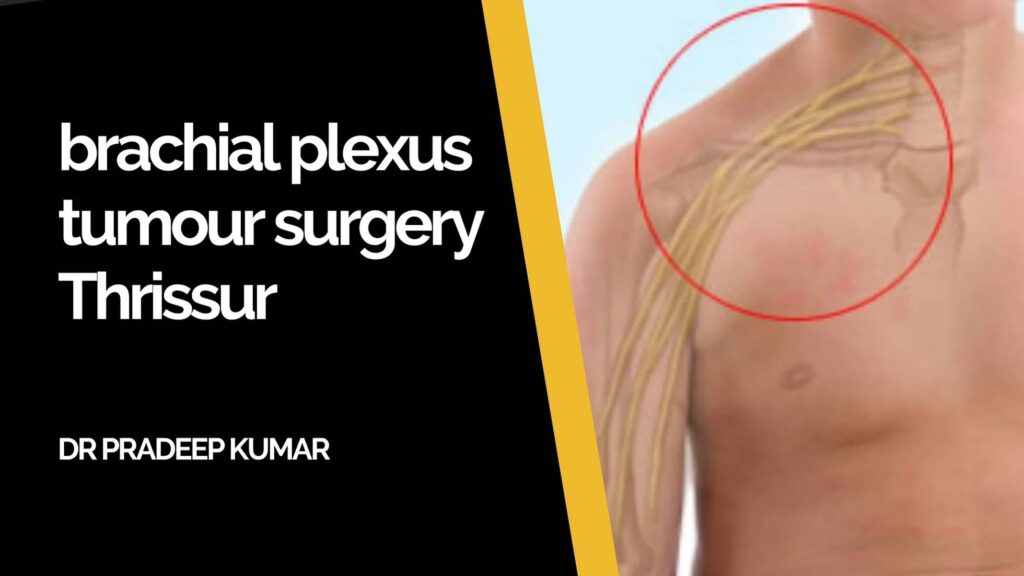
The brachial plexus is a network of nerves extending from the neck toward the shoulder and upper limb. Damage can occur at different points along this network. The distance between the repaired nerve and the muscles it supplies can influence how long regeneration takes.
In general, nerves need time to regrow toward their target muscles. Therefore, injuries farther from the affected muscles may sometimes allow useful function to return sooner than injuries located farther away from the muscle targets.
Type of Brachial Plexus Surgery
The surgical technique used can also influence recovery. Depending on the type and extent of injury, treatment may involve procedures such as:
Nerve Grafting
Nerve grafting uses a healthy nerve segment to bridge a damaged section. It can provide a pathway for regenerating nerve fibers.
Nerve Transfer
Nerve transfer involves connecting a functioning nerve or part of a nerve to a damaged nerve closer to the target muscle. This may help reduce the distance that regenerating nerve fibers need to travel.
Nerve Repair
When appropriate, directly repairing the damaged nerve can restore continuity between the healthy nerve ends.
Muscle or Tendon Procedures
In some situations, additional procedures may be considered when nerve recovery alone is unlikely to restore sufficient movement.
The specific procedure and condition of the nerves can therefore play a major role in determining what factors affect recovery after brachial plexus surgery.
Timing of Surgery
Timing is another significant factor in nerve recovery.
When a major nerve injury is left untreated for an extended period, the muscles supplied by those nerves may gradually lose their ability to respond effectively. Long-standing denervation can result in muscle wasting and reduced functional potential.
Early assessment is therefore important after a suspected brachial plexus injury. The appropriate timing of surgery depends on the injury pattern, spontaneous recovery, diagnostic findings, and clinical evaluation.
Patients should not assume that immediate surgery is appropriate in every case. The treatment timeline should be determined by the medical team based on the individual injury.
Nerve Regeneration and Healing
Nerves heal much more slowly than many other tissues. This is one of the most important reasons recovery after brachial plexus surgery can take a long time.
After successful repair or reconstruction, nerve fibers must regenerate and eventually reach their intended muscles and sensory areas. Functional improvement may therefore occur gradually rather than immediately after surgery.
This means patients may experience:
- Slow return of muscle activity
- Gradual improvement in sensation
- Changing areas of numbness or tingling
- Progressive increases in strength
- Improvements that continue for an extended period
Understanding this process is essential when considering what factors affect recovery after brachial plexus surgery.
Age and General Health
Age and general health can also influence recovery. Younger patients may have advantages in certain aspects of nerve and muscle recovery, although age alone does not determine the final result.
Overall health can affect the body’s ability to heal and participate in rehabilitation. Conditions that interfere with circulation, nutrition, metabolic health, or physical activity may influence the recovery process.
Patients should follow their healthcare team’s recommendations for managing existing health conditions and maintaining appropriate physical activity.
Muscle Condition Before Surgery
The condition of the muscles affected by nerve damage is another important factor.
When a muscle does not receive normal nerve signals for a prolonged period, it may become weak or lose muscle bulk. Even if nerve regeneration later occurs, severely weakened muscles may require substantial rehabilitation to regain useful function.
This is why maintaining appropriate joint movement and preventing stiffness are important parts of postoperative care.
Physiotherapy and Rehabilitation
Physiotherapy is one of the most important modifiable factors in what factors affect recovery after brachial plexus surgery.
Surgery creates the conditions for nerve recovery, but rehabilitation helps the patient make practical use of returning nerve function.
A rehabilitation program may include:
- Gentle range-of-motion exercises
- Strengthening exercises at the appropriate stage
- Muscle activation training
- Sensory re-education
- Joint mobility exercises
- Functional movement training
- Prevention of stiffness and contractures
The exact exercises and their timing should be individualized. Doing too much too early can be harmful, while avoiding movement for too long may contribute to stiffness and loss of function.
Following Postoperative Instructions
Protecting the repaired nerves during the early healing period is essential.
Patients may receive instructions about:
- Arm positioning
- Activity restrictions
- Wound care
- Sleeping positions
- Exercise progression
- Lifting restrictions
- Follow-up appointments
Ignoring postoperative instructions can increase the risk of complications or interfere with healing. Carefully following the recommended recovery plan is therefore an important part of what factors affect recovery after brachial plexus surgery.
Pain and Sensory Changes
Pain is common with nerve injuries and may continue during recovery. Some patients experience burning, tingling, hypersensitivity, numbness, or altered sensation.
As nerves recover, sensory symptoms can change. This does not necessarily mean that recovery is failing, but new, severe, or worsening symptoms should be discussed with the treating healthcare professional.
Pain management may include medication, physical therapy, activity modification, and other approaches depending on the individual’s needs.
Nutrition and Lifestyle
Good nutrition supports the body’s general healing processes. A balanced diet containing adequate protein, vitamins, minerals, healthy fats, and fluids can support tissue repair and overall health.
Patients should also consider lifestyle factors such as:
- Avoiding smoking
- Following activity recommendations
- Getting adequate sleep
- Maintaining a healthy weight
- Staying physically active within medical limits
- Managing other health conditions
These habits may not directly make nerves regenerate rapidly, but they can support overall recovery and rehabilitation.
Psychological Factors and Patience
Recovering from a serious nerve injury can be physically and emotionally demanding. Progress may be slower than expected, which can lead to frustration.
Maintaining realistic expectations is important. Recovery after nerve surgery is often measured in small improvements rather than dramatic changes from one week to the next.
Patients may benefit from setting practical goals, tracking functional changes, and discussing concerns during follow-up appointments.
Benefits of Proper Recovery and Rehabilitation
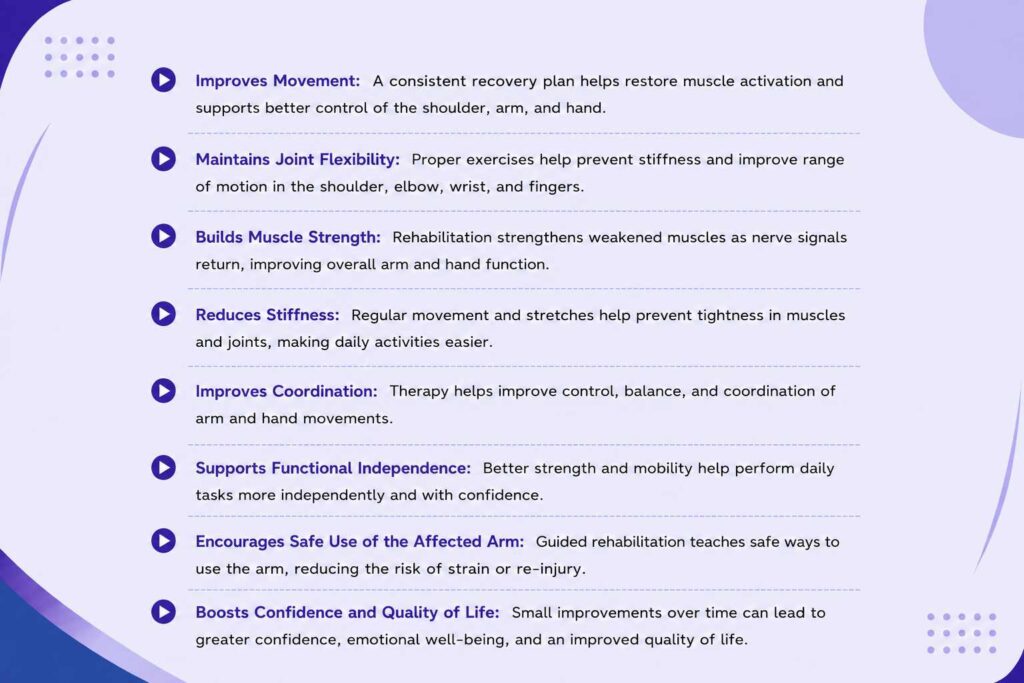
Understanding what factors affect recovery after brachial plexus surgery also highlights why appropriate rehabilitation matters.
A well-planned recovery program may help:
- Improve movement
- Maintain joint flexibility
- Build muscle strength as nerve function returns
- Reduce stiffness
- Improve coordination
- Support functional independence
- Encourage safe use of the affected arm
- Improve confidence with everyday activities
The final level of improvement depends on the original injury and several other factors. Rehabilitation cannot guarantee complete restoration of normal function, but it can help patients make the most of the recovery potential available to them.
Common Symptoms During Recovery
Recovery can involve different symptoms depending on the nerves affected and the stage of healing.
Possible symptoms include:
- Weakness
- Numbness
- Tingling
- Burning sensations
- Muscle wasting
- Reduced grip strength
- Limited shoulder movement
- Difficulty moving the elbow or wrist
- Changes in sensation
- Muscle fatigue
Some symptoms may improve gradually. Others can remain for longer periods, particularly after severe nerve damage.
Any sudden deterioration, significant new weakness, increasing swelling, wound problems, fever, or severe uncontrolled pain should be promptly evaluated.
How Long Does Recovery Take
There is no single recovery timeline for brachial plexus surgery.
Some patients notice changes within several months, while meaningful nerve recovery can continue for much longer. The time required depends on the type of injury, surgical procedure, distance to the target muscle, age, muscle condition, rehabilitation, and other individual factors.
This is why asking what factors affect recovery after brachial plexus surgery is more useful than expecting a fixed recovery schedule.
Instead of focusing only on a specific number of months, patients should look for gradual improvements in:
- Muscle activation
- Strength
- Range of motion
- Sensation
- Coordination
- Ability to perform daily activities
Tips for Supporting Recovery
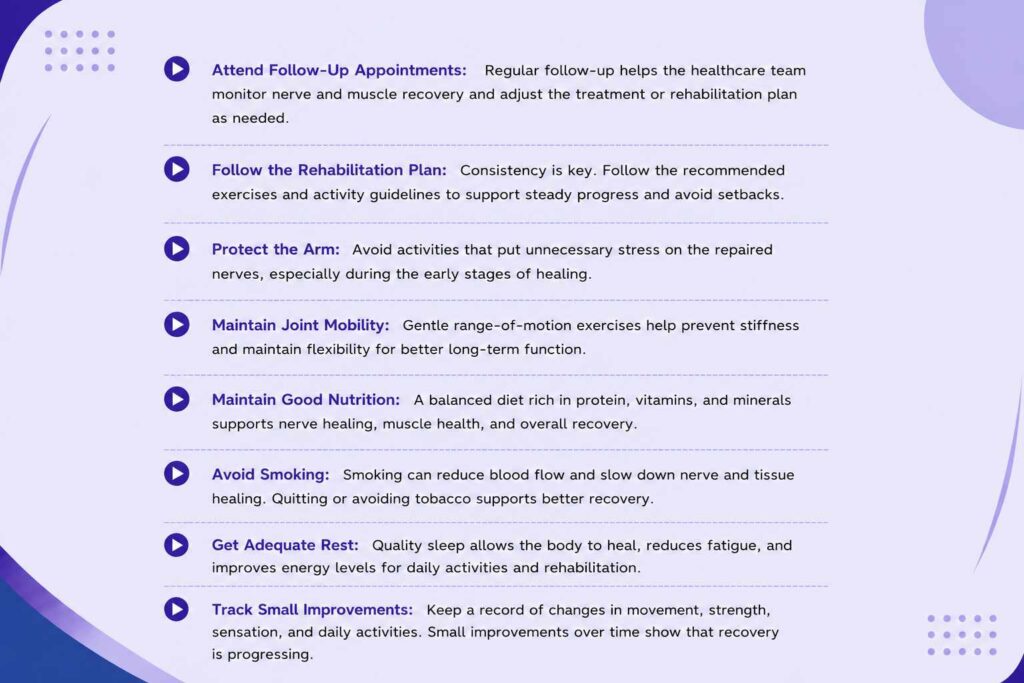
Patients can take several practical steps to support their recovery.
Attend Follow-Up Appointments
Regular follow-up allows the healthcare team to assess nerve and muscle recovery and adjust the rehabilitation program when needed.
Follow the Rehabilitation Plan
Consistency is usually more valuable than attempting intense exercises occasionally. Follow the recommended exercise schedule and progression.
Protect the Arm
Avoid activities that place unnecessary stress on the repaired area, especially during the early recovery period.
Maintain Joint Mobility
Appropriate movement can help prevent stiffness and maintain the range of motion required for future functional recovery.
Maintain Good Nutrition
A balanced diet supports general health and healing.
Avoid Smoking
Smoking can negatively affect circulation and tissue healing. Avoiding tobacco is an important general recovery measure.
Track Small Improvements
Keep track of changes in movement, strength, sensation, and daily function. Small changes may be difficult to notice from day to day but become clearer over several weeks or months.
When Should You Contact Your Healthcare Team
Patients should seek medical advice if they experience symptoms such as:
- Increasing or severe pain
- New or worsening weakness
- Significant swelling
- Wound redness or drainage
- Fever
- Loss of previously gained movement
- New concerning sensory changes
- Problems with the surgical area
Prompt assessment can help identify complications and determine whether the treatment plan needs adjustment.
Conclusion
Knowing what factors affect recovery after brachial plexus surgery can help patients develop realistic expectations and take an active role in rehabilitation. Injury severity, surgical technique, timing, nerve regeneration, muscle condition, overall health, physiotherapy, and lifestyle can all influence the recovery journey.
Because every brachial plexus injury is different, recovery should be assessed individually rather than compared directly with another person’s experience. Consistent follow-up, appropriate rehabilitation, protection of the repaired nerves, and healthy lifestyle habits can help support the best possible functional outcome.
For patients undergoing treatment in Thrissur, understanding what factors affect recovery after brachial plexus surgery can make the rehabilitation journey easier to understand and manage. For additional information about brachial plexus injuries and treatment, visit the American Academy of Orthopaedic Surgeons.
Frequently Asked Questions
What factors affect recovery after brachial plexus surgery?
How long does it take to recover after brachial plexus surgery?
Does the severity of the brachial plexus injury affect recovery?
Does age affect nerve recovery after brachial plexus surgery?
Is physiotherapy necessary after brachial plexus surgery?
Can nerve function return immediately after brachial plexus surgery?
Can strength improve after brachial plexus surgery?
Why is recovery sometimes slower than expected?
Can lifestyle affect recovery after brachial plexus surgery?
What should I do if I do not see improvement after surgery?
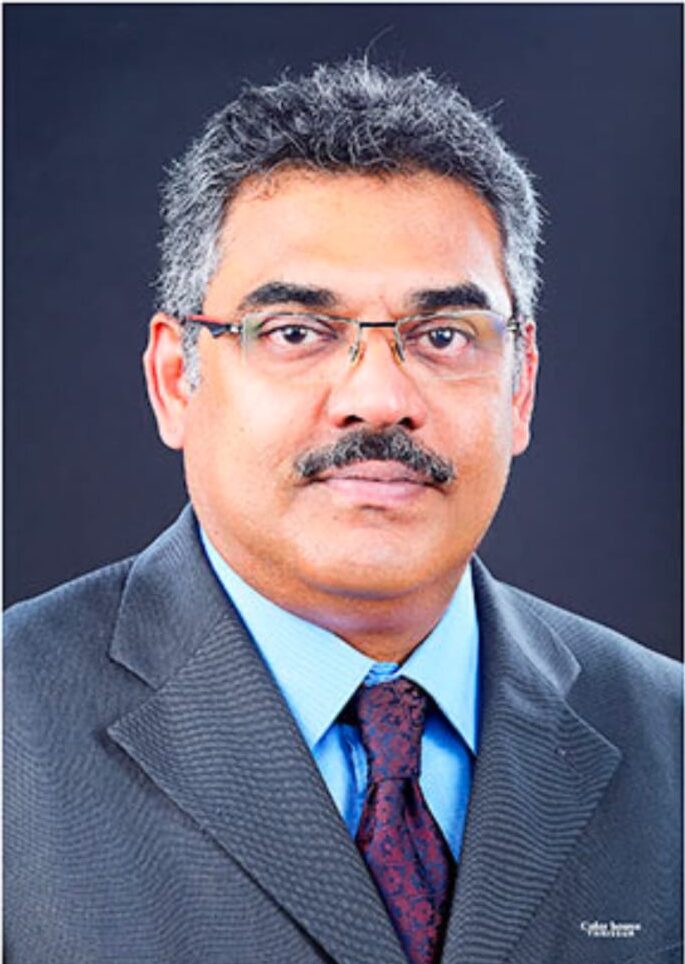
Dr. Pradeep Kumar
Plastic & Reconstructive Surgeon – Brachial Plexus & Nerve Surgery Specialist
Dr. Pradeep Kumar is an experienced plastic and reconstructive surgeon known for his expertise in brachial plexus and peripheral nerve surgery. With extensive microsurgical experience, he focuses on restoring movement and function for patients with complex nerve injuries.
Sushrutha Institute of Plastic Surgery, Elite Mission Hospital, Thrissur