10 Powerful Facts: Can Brachial Plexus Injuries Heal Alone
Can brachial plexus injuries heal without surgery? In some cases, yes. The brachial plexus is a network of nerves that connects the spinal cord with the shoulder, arm, and hand. When these nerves are stretched, compressed, bruised, or torn, they can cause weakness, numbness, pain, or loss of movement.
For people looking for treatment options in Thrissur, understanding the severity and type of nerve injury is important before deciding whether surgery is necessary. Some mild brachial plexus injuries can recover naturally with time, rest, physical therapy, and appropriate medical care. More severe injuries, however, may require surgical treatment to restore nerve function.
Recovery depends on several factors, including the type of injury, which nerves are affected, how severely they are damaged, and how quickly treatment begins.
Can Brachial Plexus Injuries Heal Without Surgery
Can brachial plexus injuries heal without surgery? The answer depends largely on the extent of nerve damage.
Mild injuries may heal without an operation. For example, a nerve that has been temporarily stretched or compressed may gradually regain normal function as inflammation decreases and the nerve recovers.
Doctors commonly evaluate whether the injury involves:
- Temporary nerve irritation
- Stretching of the nerve
- Partial nerve damage
- Complete nerve rupture
- Nerve root separation from the spinal cord
Minor injuries often have a better chance of spontaneous recovery. Severe injuries involving torn or completely disconnected nerves are much less likely to recover fully without surgical intervention.
Therefore, avoiding surgery is not always the goal. The main objective is to select the treatment that gives the best chance of restoring useful nerve and muscle function.
What Is a Brachial Plexus Injury
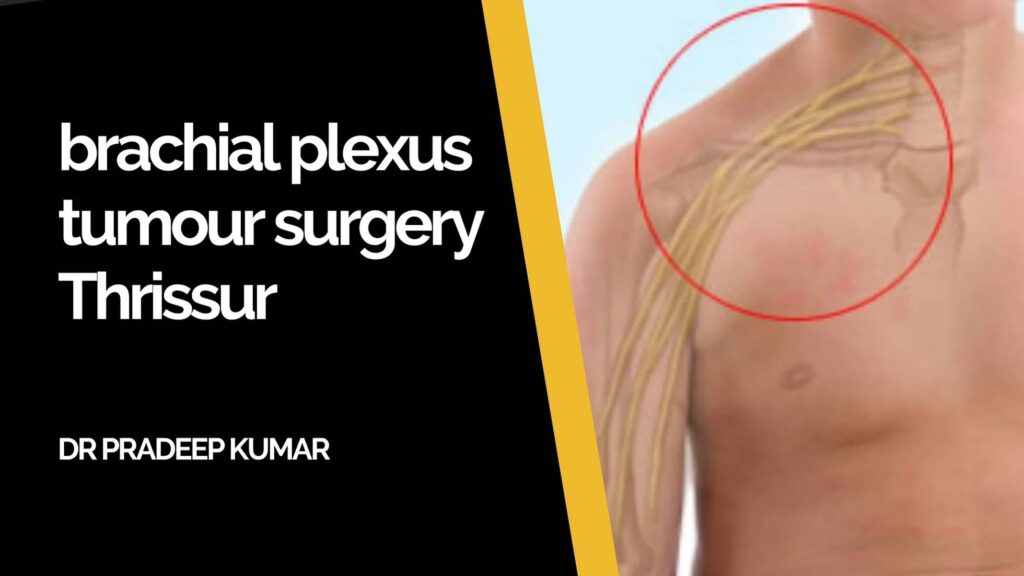
The brachial plexus consists of several nerves that travel from the neck toward the shoulder, arm, forearm, and hand. These nerves control both sensation and movement.
A brachial plexus injury can occur when the nerves are:
- Stretched
- Compressed
- Bruised
- Partially torn
- Completely torn
- Pulled away from the spinal cord
The location and severity of the damage influence symptoms and recovery.
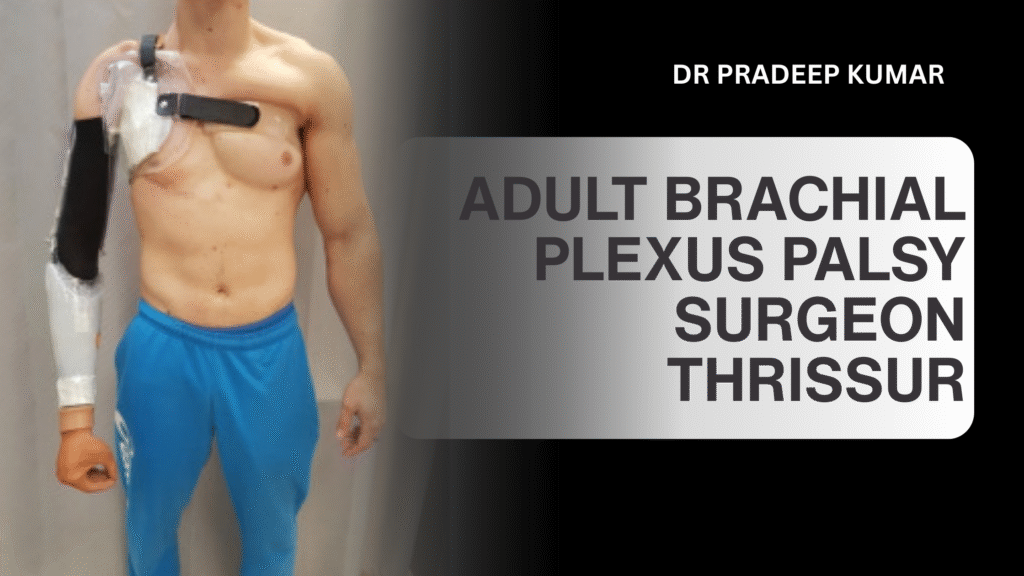
Some people may experience only temporary tingling or weakness. Others may have significant loss of movement, persistent pain, or reduced sensation in the affected arm.
Understanding the underlying nerve injury is essential when considering whether brachial plexus injuries can heal without surgery.
What Causes Brachial Plexus Injuries
Brachial plexus injuries can result from sudden trauma or, less commonly, other medical circumstances.
Common Causes
- Motor vehicle accidents
- Motorcycle accidents
- Falls
- Sports-related injuries
- Shoulder trauma
- Severe traction injuries
- Contact sports
- Birth-related nerve injuries
- Tumors or masses affecting the nerves
- Radiation-related nerve damage
High-impact accidents can force the neck and shoulder in opposite directions, stretching the nerves.
In some cases, a penetrating injury or severe trauma can directly damage the nerve. Such injuries may have a different prognosis from mild stretching injuries.
What Are the Different Types of Brachial Plexus Injuries
The type of nerve damage is one of the most important factors in determining whether recovery without surgery is realistic.
Neuropraxia
Neuropraxia is generally considered a mild nerve injury. The nerve remains structurally intact but may temporarily stop functioning properly.
Symptoms can include:
- Temporary weakness
- Tingling
- Numbness
- Burning sensations
- Reduced movement
Because the nerve remains intact, neuropraxia can often improve naturally.
Axonotmesis
In axonotmesis, the nerve’s internal fibers are damaged while some surrounding structures remain preserved.
Recovery may occur because the nerve fibers can gradually regenerate. However, recovery can take considerably longer than with a mild nerve injury.
Neurotmesis
Neurotmesis involves severe disruption of the nerve. The nerve may be completely torn or severely damaged.
Spontaneous recovery is much less likely in this situation, and surgical evaluation may become necessary.
Root Avulsion
Root avulsion occurs when a nerve root is pulled away from the spinal cord. This is one of the most severe forms of brachial plexus injury and generally has a poor chance of spontaneous recovery.
What Symptoms Suggest a Brachial Plexus Injury
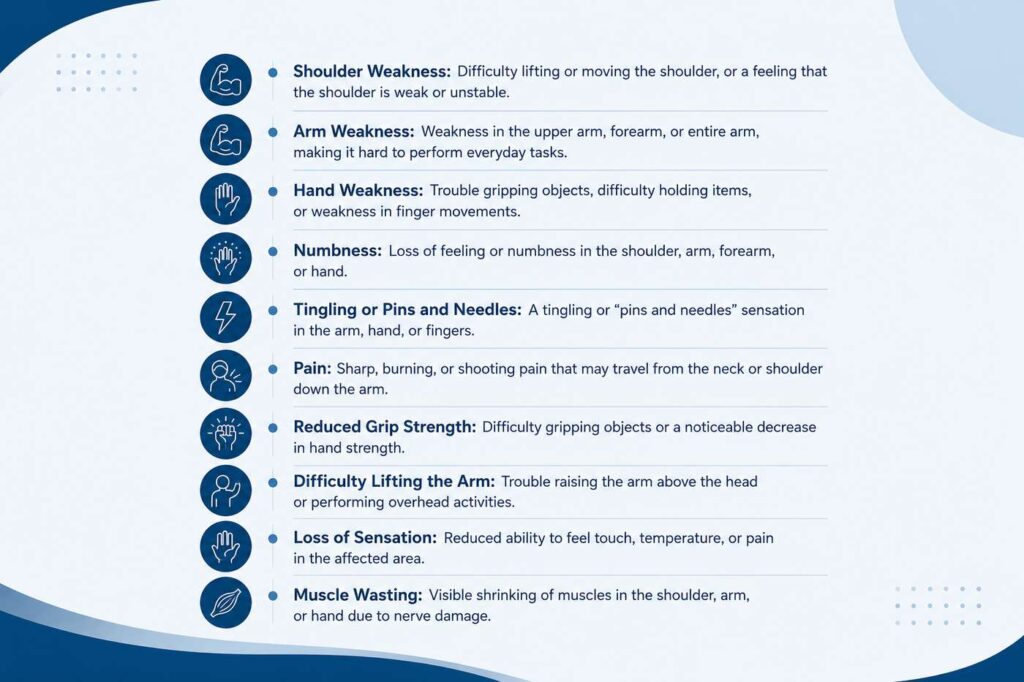
Symptoms vary according to which nerves are affected and how severe the injury is.
Common symptoms include:
- Shoulder weakness
- Arm weakness
- Hand weakness
- Numbness
- Tingling
- Burning or electric-shock-like pain
- Reduced grip strength
- Difficulty lifting the arm
- Loss of sensation
- Muscle wasting
- Reduced reflexes
Some people notice symptoms immediately after an accident. Others may develop weakness or altered sensation over the following hours or days.
Persistent or worsening symptoms should not be ignored because early assessment can help determine the severity of nerve damage.
When Can Brachial Plexus Injuries Heal Without Surgery
Can brachial plexus injuries heal without surgery? Mild injuries have the greatest possibility of recovering without an operation.
Non-surgical recovery may be considered when:
- The nerve has not been completely torn
- Muscle function is gradually returning
- Symptoms are improving
- There is no evidence of severe nerve disruption
- Diagnostic tests suggest an intact nerve pathway
- Pain and weakness are manageable
- Progress is occurring with rehabilitation
Nerves heal slowly. Improvement may occur over weeks or months rather than days.
A patient may initially notice small changes, such as improved finger movement, better sensation, or increased shoulder strength. These changes can be important indicators that nerve function is returning.
However, lack of improvement over an appropriate observation period may require further investigation.
How Is a Brachial Plexus Injury Diagnosed
A detailed assessment is important before deciding whether surgery is necessary.
Physical Examination
A healthcare professional may evaluate:
- Muscle strength
- Sensation
- Reflexes
- Range of motion
- Grip strength
- Shoulder movement
- Muscle wasting
- Pain patterns
Imaging Tests
Depending on the injury, imaging may help identify structural problems.
Possible tests include:
- MRI
- CT scans
- X-rays
- Specialized nerve imaging
These tests can help identify associated fractures, swelling, structural damage, or abnormalities around the nerve pathway.
Electrodiagnostic Testing
Electromyography and nerve conduction studies can provide information about how well the nerves and muscles are functioning.
These tests may help determine the location and severity of nerve damage and can be useful when monitoring recovery.
What Non-Surgical Treatments May Help
When the injury has a reasonable chance of recovering naturally, treatment may focus on protecting the affected area and maintaining function.
Physical Therapy
Physical therapy can help maintain joint mobility and muscle flexibility.
A rehabilitation program may include:
- Gentle range-of-motion exercises
- Stretching
- Strengthening when appropriate
- Shoulder mobility exercises
- Functional movement training
Exercises should be selected according to the severity and stage of the injury. Overly aggressive exercise may not be appropriate during the early phase.
Pain Management
Nerve-related pain can be difficult to manage. A healthcare professional may recommend appropriate pain-management strategies based on the patient’s symptoms.
Activity Modification
Avoiding activities that place excessive stress on the injured shoulder or arm may help protect recovering tissues.
Regular Monitoring
Follow-up assessments can determine whether nerve function is improving.
This is particularly important because nerve recovery can be slow and may not be obvious from day to day.
What Are the Benefits of Non-Surgical Treatment
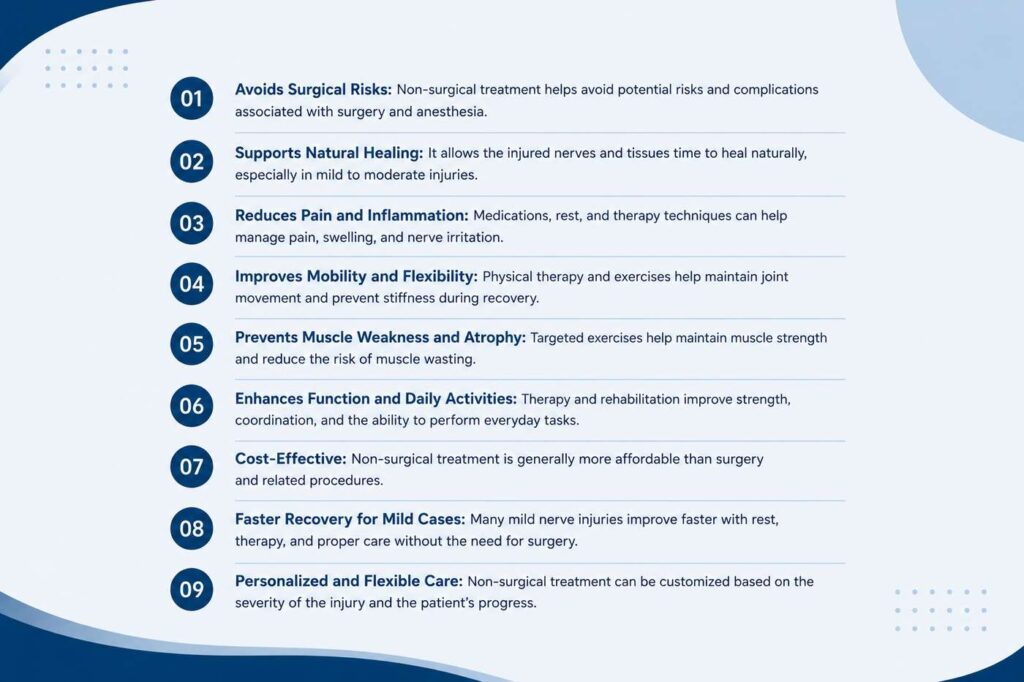
When appropriate, conservative treatment can provide several advantages.
Potential benefits include:
- Avoiding surgical risks
- Preserving natural nerve recovery
- Maintaining joint flexibility
- Supporting muscle function
- Reducing stiffness
- Improving functional movement
- Allowing gradual recovery
However, non-surgical treatment is not automatically better than surgery. If a nerve has been severely damaged or completely disrupted, delaying appropriate surgical treatment could reduce the possibility of meaningful recovery.
The treatment plan should therefore be based on the injury rather than simply on a desire to avoid surgery.
When Might Surgery Be Necessary
The answer to can brachial plexus injuries heal without surgery changes when the injury is severe.
Surgical treatment may be considered when there is:
- Complete nerve rupture
- Severe nerve damage
- Root avulsion
- Persistent paralysis
- No meaningful recovery over an appropriate period
- Significant functional impairment
- Evidence that spontaneous nerve regeneration is unlikely
The type of surgery depends on the nature and location of the injury.
Nerve Repair
If a nerve has been cut but the damaged ends can be brought together, surgical repair may be possible.
Nerve Graft
A damaged section of nerve may sometimes be replaced using a healthy nerve segment.
Nerve Transfer
A functioning nerve may be redirected to restore activity in a damaged nerve pathway.
Muscle or Tendon Procedures
In selected cases, additional reconstructive procedures may be considered to improve movement when nerve recovery is inadequate.
The timing of surgery is important because damaged muscles can lose their ability to respond effectively if they remain without nerve supply for too long.
How Long Does Brachial Plexus Recovery Take
Recovery time varies significantly.
Mild nerve injuries may begin improving within weeks. More significant injuries may require several months or longer.
Factors that affect recovery include:
- Age
- Type of nerve injury
- Location of the injury
- Severity of nerve damage
- Time before treatment
- General health
- Rehabilitation
- Muscle condition
- Whether surgery is required
Nerve regeneration is slow. Even when a nerve begins recovering, it can take substantial time before useful muscle strength returns.
Patients should therefore avoid judging recovery based only on short-term changes.
What Factors Affect the Chances of Natural Healing
Several factors influence whether brachial plexus injuries can heal without surgery.
Severity of Injury
A mildly stretched nerve generally has a better prognosis than a completely torn nerve.
Location
Injuries closer to the spinal cord can be more complicated and may have different treatment requirements.
Nerve Continuity
An intact nerve has a greater opportunity for natural recovery than a completely disrupted nerve.
Early Evaluation
Prompt assessment helps determine the injury pattern and allows appropriate treatment planning.
Rehabilitation
Maintaining joint mobility and muscle condition can support functional recovery while nerve healing occurs.
Patient-Specific Factors
Age, overall health, associated injuries, and the muscles affected can all influence the outcome.
What Should You Avoid During Recovery
Protecting the injured arm is important, but complete inactivity may also cause stiffness and loss of mobility.
Depending on professional advice, patients may need to avoid:
- Heavy lifting
- Repetitive shoulder movements
- High-impact activities
- Unsupervised strengthening exercises
- Excessive stretching
- Activities that increase nerve-related pain
A structured rehabilitation plan is generally safer than attempting intensive exercises independently.
Can Physical Therapy Help Brachial Plexus Recovery
Physical therapy can play an important role in conservative management.
The primary goals may include maintaining:
- Joint mobility
- Muscle flexibility
- Posture
- Functional movement
- Strength in recovering muscles
- Independence with daily activities
When nerve function begins returning, rehabilitation may gradually progress toward strengthening and functional training.
Physical therapy does not directly reconnect a completely severed nerve. Instead, it helps preserve movement and function while the nerve heals or while other treatment options are considered.
What Are the Signs of Improvement
Knowing the signs of recovery can help patients understand their progress.
Possible signs include:
- Increasing muscle strength
- Improved finger movement
- Better grip
- Reduced numbness
- Improved sensation
- Less nerve pain
- Improved shoulder movement
- Reduced muscle weakness
Recovery may be gradual. Small improvements can sometimes occur before larger functional changes become noticeable.
If symptoms remain unchanged or worsen, reassessment may be appropriate.
Why Early Medical Assessment Matters
One of the most important points when asking can brachial plexus injuries heal without surgery is that treatment decisions should not be based on symptoms alone.
A person may have significant nerve damage even if pain is relatively mild. Conversely, severe pain does not always mean that surgery is required.
A proper evaluation can help establish:
- Which nerves are affected
- How severe the damage is
- Whether the nerve remains continuous
- Whether recovery is occurring
- Whether rehabilitation is appropriate
- Whether surgical consultation should be considered
Early diagnosis also helps establish a baseline against which future recovery can be measured.
Practical Tips for Supporting Recovery
Patients recovering from a brachial plexus injury can discuss the following strategies with their healthcare team:
- Attend recommended follow-up appointments.
- Follow the prescribed rehabilitation program.
- Protect the affected arm from additional trauma.
- Maintain appropriate joint movement.
- Report worsening weakness or new symptoms.
- Avoid exercises that have not been recommended.
- Follow prescribed pain-management instructions.
- Keep track of changes in strength and sensation.
- Ask when repeat nerve testing may be appropriate.
- Be patient because nerve recovery can take time.
Conclusion
Can brachial plexus injuries heal without surgery? In many mild cases, they can, particularly when the nerves are stretched or compressed but remain structurally intact. Recovery may occur gradually with proper monitoring, physical therapy, pain management, and protection of the affected arm.
However, severe injuries such as complete nerve tears or nerve root avulsion may not heal adequately on their own and could require surgical treatment. Early evaluation is important to identify the type and severity of the injury and determine the most appropriate approach.
With appropriate assessment, rehabilitation, and timely treatment when necessary, patients can work toward improving strength, movement, sensation, and overall arm function. For individuals seeking expert evaluation in Thrissur, understanding the injury and starting appropriate care early can support the best possible recovery. For more detailed information about brachial plexus injuries, symptoms, diagnosis, and treatment, visit the Mayo Clinic’s overview of brachial plexus injuries.
Frequently Asked Questions
Can brachial plexus injuries heal without surgery?
How long does a brachial plexus injury take to heal?
Can a stretched brachial plexus nerve heal naturally?
Is surgery always required for a brachial plexus injury?
Can physical therapy heal a brachial plexus injury?
What happens if a brachial plexus injury is left untreated?
Is a brachial plexus injury permanent?
What are the first signs of brachial plexus recovery?
When should surgery be considered for a brachial plexus injury?
Can nerves grow back after a brachial plexus injury?

Dr. Pradeep Kumar
Plastic & Reconstructive Surgeon – Brachial Plexus & Nerve Surgery Specialist
Dr. Pradeep Kumar is an experienced plastic and reconstructive surgeon known for his expertise in brachial plexus and peripheral nerve surgery. With extensive microsurgical experience, he focuses on restoring movement and function for patients with complex nerve injuries.
Sushrutha Institute of Plastic Surgery, Elite Mission Hospital, Thrissur