Birth Brachial Plexus Injury (Erb's Palsy) Treatment in Thrissur: Specialized Care for Improved Arm Function
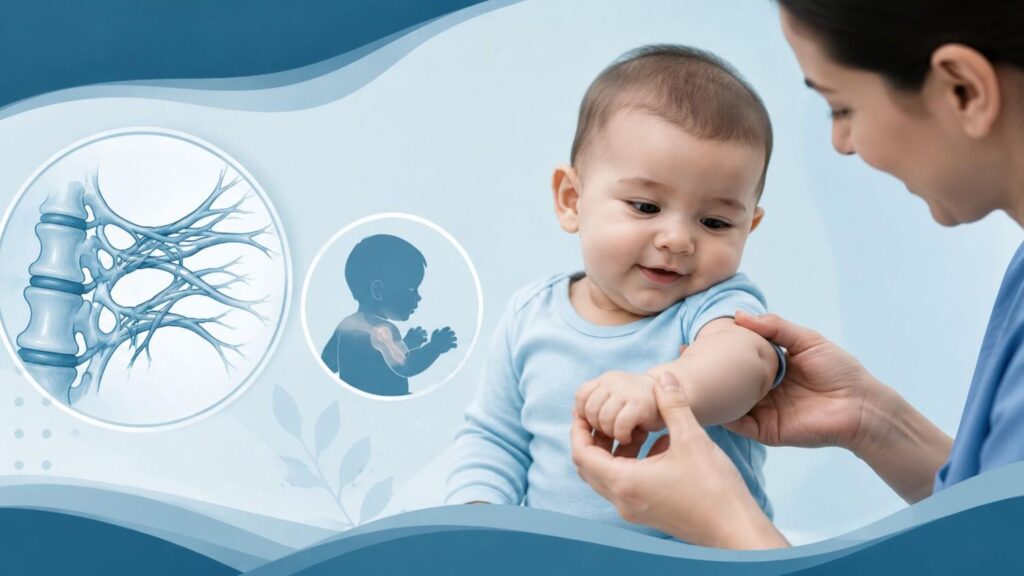
A birth brachial plexus injury, commonly known as Erb’s Palsy, occurs when the brachial plexus nerves are stretched or damaged during childbirth. The condition may affect the movement, strength, and sensation of a baby’s shoulder, arm, and hand. Birth Brachial Plexus Injury (Erb’s Palsy) Treatment in Thrissur focuses on early diagnosis, careful monitoring, individualized treatment, and structured rehabilitation to promote the best possible recovery and upper limb function.
The treatment approach for Birth Brachial Plexus Injury (Erb’s Palsy) Treatment in Thrissur depends on the severity of the nerve injury. While many infants recover with physiotherapy and regular follow-up, some children with more severe injuries may require advanced microsurgical procedures such as nerve repair, nerve grafting, or nerve transfer. Early evaluation is essential to maximize recovery and support healthy growth and development.
Understanding Birth Brachial Plexus Injury (Erb’s Palsy)
The brachial plexus is a network of nerves that carries signals from the spinal cord to the shoulder, arm, forearm, and hand.
During difficult childbirth, excessive stretching of these nerves can result in a birth brachial plexus injury. Depending on the severity of the damage, the nerves may be temporarily stretched or more seriously injured.
Early assessment is important because treatment decisions are based on the type and extent of nerve injury. Comprehensive evaluation helps determine the most appropriate Birth Brachial Plexus Injury (Erb’s Palsy) Treatment in Thrissur for every child.
Causes of Birth Brachial Plexus Injury
Birth brachial plexus injuries usually occur during a difficult delivery when excessive force is placed on the baby’s neck and shoulder.
Common causes include:
Shoulder Dystocia
Shoulder dystocia occurs when the baby’s shoulder becomes lodged behind the mother’s pelvic bone during delivery, increasing the risk of brachial plexus injury.
Difficult Vaginal Delivery
Prolonged or difficult labor may increase the likelihood of stretching the brachial plexus nerves.
Breech Delivery
Babies delivered in the breech position may experience increased traction on the neck and shoulders during childbirth.
Large Birth Weight
Larger babies have a higher risk of shoulder dystocia and birth-related nerve injuries during delivery.
Assisted Delivery
The use of instruments such as forceps or vacuum extraction in selected deliveries may occasionally contribute to brachial plexus injuries.
Understanding these risk factors helps families appreciate the importance of early Birth Brachial Plexus Injury (Erb’s Palsy) Treatment in Thrissur.
Symptoms of Erb’s Palsy
The symptoms depend on the severity of nerve damage.
Common signs include:
- Weakness in one arm
- Reduced shoulder movement
- Difficulty bending the elbow
- Limited arm lifting
- Arm held close to the body
- Reduced grip strength in severe injuries
- Decreased muscle tone
- Differences in arm movement compared to the opposite side
Parents noticing these symptoms should seek prompt evaluation for Birth Brachial Plexus Injury (Erb’s Palsy) Treatment in Thrissur.
Diagnosis of Birth Brachial Plexus Injury
Accurate diagnosis is essential before planning treatment.
Evaluation may include:
Clinical Examination
The baby’s shoulder movement, elbow function, hand movement, muscle strength, and reflexes are carefully assessed.
Medical History
The pregnancy and delivery history provides important information regarding the mechanism of injury.
MRI
MRI helps evaluate the brachial plexus, surrounding soft tissues, and possible nerve injuries.
Electromyography (EMG)
EMG may be performed in selected infants to assess muscle activity and nerve function.
Nerve Conduction Studies (NCS)
NCS help evaluate how effectively electrical signals travel through the affected nerves when clinically appropriate.
A detailed assessment allows specialists to develop an individualized plan for Birth Brachial Plexus Injury (Erb’s Palsy) Treatment in Thrissur.
Treatment Options for Birth Brachial Plexus Injury (Erb’s Palsy)
The treatment approach depends on the severity of the nerve injury, the child’s recovery during the first few months of life, and the functional movement of the shoulder, elbow, wrist, and hand.
Many infants recover without surgery, while others benefit from early microsurgical intervention. Individualized treatment planning is essential for successful Birth Brachial Plexus Injury (Erb’s Palsy) Treatment in Thrissur.
Conservative Treatment Options
Most infants with mild birth brachial plexus injuries improve with non-surgical management.
Conservative treatment may include:
- Regular clinical follow-up
- Physiotherapy
- Occupational therapy
- Gentle range-of-motion exercises
- Parent-guided home exercise programs
- Muscle strengthening activities
- Joint mobility exercises
- Functional movement training
Regular assessments help monitor nerve recovery and determine whether surgery is necessary.
Physiotherapy
Physiotherapy is one of the most important components of Birth Brachial Plexus Injury (Erb’s Palsy) Treatment in Thrissur.
Early therapy helps:
- Maintain joint flexibility
- Improve shoulder movement
- Strengthen recovering muscles
- Prevent joint stiffness
- Encourage normal arm development
- Promote functional movement
- Reduce muscle imbalance
Parents are often taught simple exercises that can be safely performed at home between therapy sessions.
Occupational Therapy
Occupational therapy supports the development of age-appropriate upper limb function.
Treatment may include:
- Hand function training
- Fine motor skill development
- Sensory stimulation
- Play-based therapy
- Bilateral arm activities
- Functional task training
As children grow, therapy programs are adjusted to match developmental milestones and daily activities.
When Is Surgery Recommended?
Although many infants recover naturally, surgery may be recommended when there is inadequate improvement during the early months of life.
Surgical treatment is considered for children with:
- Persistent shoulder weakness
- Limited elbow flexion
- Severe nerve injuries
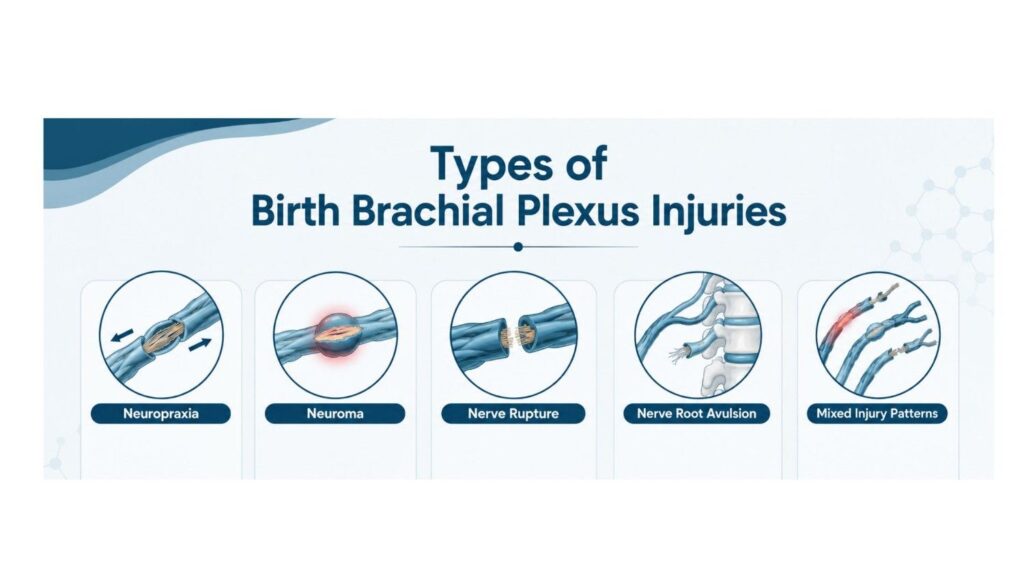
- Nerve ruptures
- Nerve root avulsions
- Poor spontaneous recovery
Careful evaluation helps determine the most appropriate Birth Brachial Plexus Injury (Erb’s Palsy) Treatment in Thrissur for each child.
Advanced Surgical Treatment Options
Modern microsurgical techniques can improve nerve regeneration and upper limb function in selected children.
The choice of procedure depends on the pattern and severity of the injury.
Nerve Repair
When the damaged nerve ends can be directly reconnected, microsurgical nerve repair may be performed to restore nerve continuity and encourage regeneration.
Nerve Grafting
If there is a gap between damaged nerve ends, healthy donor nerves are used to bridge the defect and support nerve regeneration.
Nerve Transfer
In severe injuries where direct repair is not possible, healthy functioning nerves are redirected to restore movement in important muscles such as the shoulder or elbow.
Secondary Reconstructive Surgery
Some children benefit from additional reconstructive procedures later in childhood to improve upper limb function.
These procedures may help improve:
- Shoulder stability
- Elbow movement
- Forearm positioning
- Wrist function
- Hand function
- Overall arm mobility
Treatment plans are individualized according to the child’s growth, recovery, and functional needs.
Recovery After Treatment
Recovery following Birth Brachial Plexus Injury (Erb’s Palsy) Treatment in Thrissur is gradual.
Nerves regenerate slowly, and improvements continue over months or even years as the child grows and participates in rehabilitation.
Regular follow-up appointments allow specialists to monitor progress and modify treatment when necessary.
Early Recovery
During the first months after treatment, the focus is on:
- Protecting healing nerves
- Maintaining joint mobility
- Encouraging natural movement
- Preventing joint stiffness
- Supporting normal muscle development
Parents play an important role by continuing prescribed exercises at home.
Long-Term Follow-up
Children with birth brachial plexus injuries benefit from regular follow-up throughout their growth.
Long-term monitoring helps assess:
- Shoulder function
- Elbow movement
- Hand function
- Muscle strength
- Limb growth
- Functional development
As children develop, therapy programs and treatment plans can be adjusted to maximize independence and upper limb function.
Importance of Family Involvement
Successful recovery depends not only on medical treatment but also on consistent family participation.
Parents and caregivers contribute by:
- Performing home exercise programs
- Attending scheduled therapy sessions
- Monitoring developmental progress
- Encouraging the use of the affected arm during daily activities
- Following long-term rehabilitation plans
Active family involvement complements Birth Brachial Plexus Injury (Erb’s Palsy) Treatment in Thrissur and helps children achieve the best possible functional outcomes.
Why Early Treatment Is Important
Early diagnosis is one of the most important factors influencing long-term outcomes in children with birth brachial plexus injuries.
Some infants recover naturally during the first few months of life, while others require surgical intervention. Regular follow-up allows specialists to identify children who may benefit from advanced treatment before permanent muscle weakness develops.
Early treatment offers several benefits:
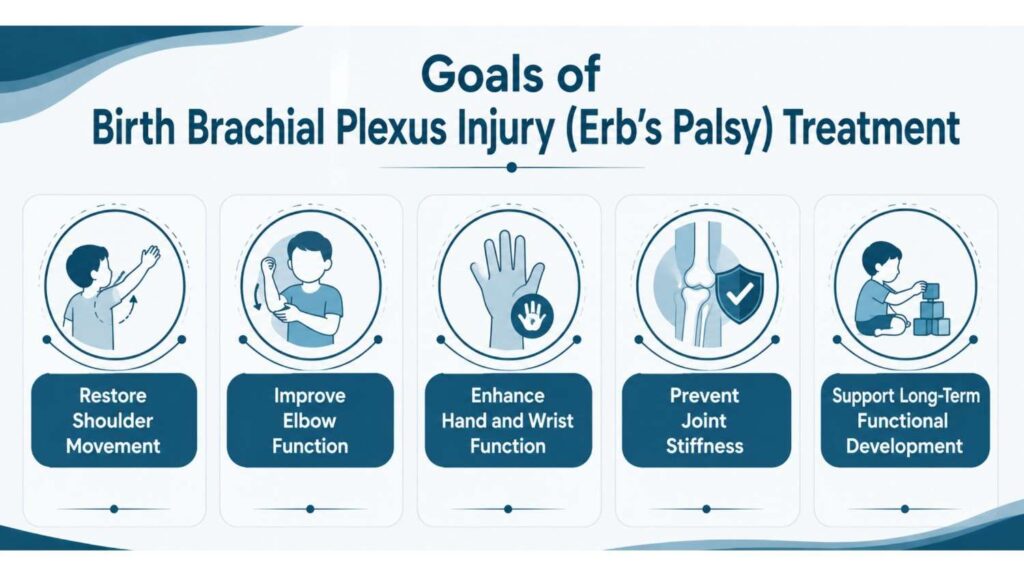
- Improved nerve regeneration
- Better shoulder and elbow function
- Prevention of joint stiffness
- Enhanced muscle development
- Timely surgical planning when necessary
- Improved long-term upper limb function
Parents who notice reduced arm movement or weakness after birth should seek prompt evaluation for Birth Brachial Plexus Injury (Erb’s Palsy) Treatment in Thrissur.
Why Choose Specialized Birth Brachial Plexus Care?
Birth brachial plexus injuries require careful evaluation, individualized treatment planning, and long-term follow-up throughout childhood.
Comprehensive care includes:
- Detailed clinical assessment
- Regular developmental monitoring
- Advanced diagnostic evaluation
- Personalized treatment planning
- Modern microsurgical reconstruction when indicated
- Physiotherapy
- Occupational therapy
- Long-term rehabilitation
- Continuous follow-up during growth
Children undergoing Birth Brachial Plexus Injury (Erb’s Palsy) Treatment in Thrissur benefit from a multidisciplinary approach focused on restoring arm function, promoting normal development, and improving long-term quality of life.
For a broader understanding of brachial plexus injuries, visit our page on Brachial Plexus Injury Treatment.
Conclusion
Birth brachial plexus injuries can affect a child’s arm movement, strength, and development, but early diagnosis and appropriate treatment can make a significant difference. Many children recover well with physiotherapy and regular follow-up, while others benefit from advanced microsurgical procedures such as nerve repair, nerve grafting, or nerve transfer. A personalized treatment plan combined with structured rehabilitation helps maximize recovery and supports healthy upper limb function as the child grows.
If you are seeking Birth Brachial Plexus Injury (Erb’s Palsy) Treatment in Thrissur, early evaluation is essential to determine the most appropriate course of care. Timely intervention, family involvement, and ongoing rehabilitation provide the best opportunity for improved movement, functional independence, and long-term quality of life.
For additional information about brachial plexus birth injuries and treatment, visit the Boston Children’s Hospital guide on Brachial Plexus Birth Injury.
Frequently Asked Questions
What is Birth Brachial Plexus Injury (Erb's Palsy)?
What causes Erb's Palsy?
Who may need Birth Brachial Plexus Injury (Erb's Palsy) Treatment in Thrissur?
Can Erb's Palsy recover without surgery?
What surgical procedures are available?
How is Erb's Palsy diagnosed?
When is surgery recommended?
Is physiotherapy important after treatment?
Can children achieve good recovery after treatment?
Why is early treatment important?
Dr. Pradeep Kumar
Plastic & Reconstructive Surgeon – Brachial Plexus & Nerve Surgery Specialist
Dr. Pradeep Kumar is an experienced plastic and reconstructive surgeon known for his expertise in brachial plexus and peripheral nerve surgery. With extensive microsurgical experience, he focuses on restoring movement and function for patients with complex nerve injuries.
Sushrutha Institute of Plastic Surgery, Elite Mission Hospital, Thrissur