When to See a Brachial Plexus Surgeon for Nerve Injury Treatment
Brachial plexus injuries can significantly affect arm movement, shoulder function, hand strength, and overall quality of life. While some nerve injuries improve with time and rehabilitation, others require specialized evaluation and treatment. Understanding when to see a brachial plexus surgeon is essential because early diagnosis and timely intervention can improve the chances of nerve recovery and functional restoration.
The brachial plexus is a network of nerves that originates from the neck and controls movement and sensation in the shoulder, arm, forearm, and hand. Injury to these nerves can occur due to trauma, road traffic accidents, sports injuries, falls, birth-related injuries, or severe stretching of the shoulder and neck region.
Many patients delay consultation because symptoms may initially seem mild. However, certain warning signs indicate the need for evaluation by a specialist experienced in brachial plexus injuries. Knowing when to see a brachial plexus surgeon can help prevent permanent nerve damage and improve treatment outcomes.
What Is the Brachial Plexus?
The brachial plexus is a complex network of nerves that carries signals from the spinal cord to the shoulder, arm, and hand. These nerves control:
- Shoulder movement
- Arm lifting
- Elbow bending
- Wrist function
- Hand movement
- Finger control
- Sensation in the upper limb
When these nerves are stretched, compressed, torn, or avulsed from the spinal cord, normal function can be disrupted.
Common Causes of Brachial Plexus Injuries
Understanding the causes helps determine when to see a brachial plexus surgeon for proper assessment.
Road Traffic Accidents
Motorcycle and vehicle accidents are among the most common causes of severe brachial plexus injuries.
Sports Injuries
High-impact sports may lead to nerve stretching or compression.
Falls
A fall that forcefully stretches the shoulder away from the neck may damage the brachial plexus.
Industrial and Workplace Accidents
Heavy machinery injuries can affect the nerves supplying the upper limb.
Birth Injuries
Some newborns may experience brachial plexus injuries during difficult deliveries.
Warning Signs You Should Not Ignore
One of the most important aspects of knowing when to see a brachial plexus surgeon is recognizing symptoms that indicate nerve damage.
Persistent Arm Weakness
Weakness that does not improve over time may indicate significant nerve injury.
Loss of Shoulder Movement
Difficulty lifting the arm or moving the shoulder should be evaluated promptly.
Hand Weakness
Reduced grip strength or inability to move fingers normally may indicate brachial plexus involvement.
Numbness or Loss of Sensation
Persistent numbness in the arm, forearm, or hand can signal nerve damage.
Severe Burning Pain
Neuropathic pain following trauma may indicate injury to the brachial plexus.
Muscle Wasting
Loss of muscle bulk is a sign that nerves are not adequately stimulating the muscles.
When to See a Brachial Plexus Surgeon Immediately
Certain situations require early specialist consultation.
After a Major Accident
If arm weakness develops after a motorcycle accident, fall, or trauma, immediate evaluation is recommended.
Inability to Lift the Arm
Patients unable to raise the shoulder or bend the elbow should seek specialist assessment.
Persistent Symptoms Beyond Several Weeks
If symptoms fail to improve despite conservative treatment, further evaluation is necessary.
Progressive Weakness
Worsening weakness may indicate ongoing nerve dysfunction.
Severe Nerve Pain
Persistent burning or electric shock-like pain warrants investigation.
Why Early Consultation Matters
Many patients ask why timing is so important when deciding when to see a brachial plexus surgeon.
Early evaluation allows:
- Accurate diagnosis
- Identification of nerve damage severity
- Timely treatment planning
- Better surgical outcomes
- Improved rehabilitation planning
- Prevention of permanent muscle loss
Delayed treatment can reduce the effectiveness of nerve reconstruction procedures.
How Brachial Plexus Injuries Are Diagnosed
A specialist may perform a detailed assessment to determine the extent of nerve damage.
Clinical Examination
Evaluation includes:
- Muscle strength testing
- Sensory examination
- Reflex assessment
- Range of motion evaluation
Imaging Studies
Advanced imaging helps visualize nerve structures and identify injury patterns.
Nerve Conduction Studies
These tests assess how effectively nerves transmit signals.
Electromyography (EMG)
EMG helps evaluate muscle and nerve function.
Treatment Options for Brachial Plexus Injuries
Treatment depends on the type and severity of injury.
Observation and Rehabilitation
Mild injuries may recover with time and physiotherapy.
Physical Therapy
Therapy helps maintain joint flexibility and muscle health during recovery.
Nerve Repair Surgery
Direct nerve repair may be performed when damaged nerves can be reconnected.
Nerve Grafting
A nerve graft may bridge gaps between injured nerve ends.
Nerve Transfer Surgery
Healthy donor nerves may be used to restore function to affected muscles.
Muscle Transfer Procedures
In advanced cases, muscle transfers may improve arm function.
Who Is Most Likely to Need Surgery?
Not every brachial plexus injury requires surgery.
Surgical evaluation is often recommended for patients with:
- Complete nerve tears
- Nerve avulsions
- Severe weakness
- Persistent paralysis
- Lack of improvement after several months
- Significant functional limitations
Determining when to see a brachial plexus surgeon becomes especially important in these situations.
Recovery After Brachial Plexus Surgery
Recovery is gradual and often requires patience and commitment.
Rehabilitation Goals
- Restore movement
- Improve strength
- Enhance arm function
- Prevent stiffness
- Maximize independence
Recovery Timeline
Nerves regenerate slowly, and improvement may continue for months or even years after treatment.
Can Delayed Treatment Affect Outcomes?
Yes. Delaying evaluation may reduce the effectiveness of reconstructive procedures.
Potential consequences include:
- Permanent weakness
- Muscle atrophy
- Joint stiffness
- Reduced surgical success
- Functional limitations
This is why understanding when to see a brachial plexus surgeon is crucial for long-term recovery.
Importance of Specialized Care
Brachial plexus injuries are complex and often require multidisciplinary management.
Specialized care may involve:
- Peripheral nerve surgeons
- Plastic surgeons
- Orthopedic specialists
- Physiotherapists
- Rehabilitation experts
A comprehensive treatment plan improves recovery potential and helps patients regain function.
Living With a Brachial Plexus Injury
Recovery can be physically and emotionally challenging. Many patients benefit from:
- Rehabilitation support
- Consistent physiotherapy
- Occupational therapy
- Family support
- Regular follow-up care
Early specialist intervention often provides the best opportunity for functional improvement.
Conclusion
Understanding when to see a brachial plexus surgeon can make a significant difference in recovery outcomes. Persistent arm weakness, loss of shoulder movement, numbness, severe nerve pain, or symptoms following major trauma should never be ignored. Early evaluation allows accurate diagnosis, timely treatment planning, and improved chances of restoring arm and hand function.
Patients who seek specialist care promptly often benefit from better treatment options, including rehabilitation, nerve repair, nerve grafting, and nerve transfer procedures. For additional information about brachial plexus injuries and peripheral nerve disorders, visit the Mayo Clinic guide to brachial plexus injuries.
By recognizing the warning signs and seeking expert care at the right time, individuals can maximize recovery potential and improve their quality of life.
Frequently Asked Questions
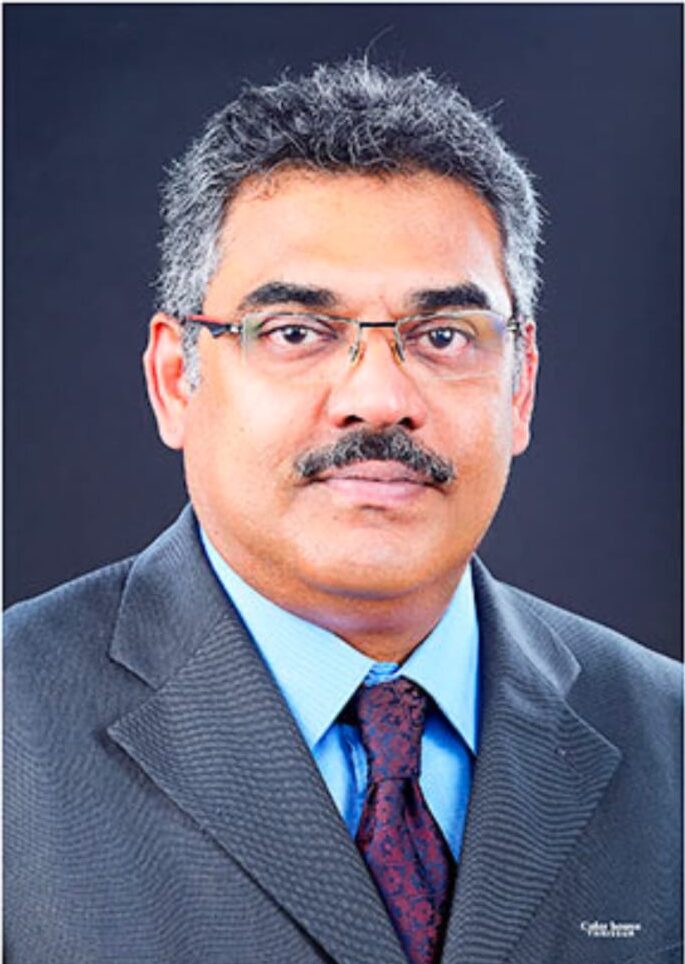
Dr. Pradeep Kumar
Plastic & Reconstructive Surgeon – Brachial Plexus & Nerve Surgery Specialist
Dr. Pradeep Kumar is an experienced plastic and reconstructive surgeon known for his expertise in brachial plexus and peripheral nerve surgery. With extensive microsurgical experience, he focuses on restoring movement and function for patients with complex nerve injuries.
Sushrutha Institute of Plastic Surgery, Elite Mission Hospital, Thrissur