10 Proven Treatment Options for Brachial Plexus Injuries Today
Brachial plexus injuries can affect the network of nerves that controls movement and sensation in the shoulder, arm, and hand. These injuries can range from mild stretching of the nerves to complete tears or avulsions. Understanding the available treatment options for brachial plexus injuries is essential for improving recovery and restoring arm function. If you are looking for information about effective nerve injury management in Thrissur, this guide explains everything you need to know in simple language.
The right treatment depends on several factors, including the type of injury, severity, symptoms, age, overall health, and how quickly medical care is received. Some people recover with conservative treatment, while others may require advanced surgical procedures followed by long-term rehabilitation.
Understanding Brachial Plexus Injuries
The brachial plexus is a complex group of nerves that begins in the neck and extends into the shoulder, arm, and hand. These nerves transmit signals from the brain to the muscles and return sensory information back to the brain.
When these nerves become stretched, compressed, torn, or pulled away from the spinal cord, a brachial plexus injury occurs. The severity of the injury determines which treatment options for brachial plexus injuries are most appropriate.
Common Causes of Brachial Plexus Injuries
Several situations can damage the brachial plexus nerves.
Traumatic Injuries
- Road traffic accidents
- Motorcycle accidents
- Sports injuries
- Falls from height
- Workplace accidents
Birth-Related Injuries
Some newborns develop brachial plexus injuries during difficult deliveries.
Penetrating Trauma
- Knife injuries
- Gunshot wounds
- Deep cuts
Tumors and Radiation
Growths near the brachial plexus or previous radiation therapy may also damage these nerves.
Types of Brachial Plexus Injuries
Different injury types require different treatment options for brachial plexus injuries.
Neuropraxia
- Mild stretching injury
- Usually heals naturally
- Good recovery outlook
Neuroma
Scar tissue develops around the injured nerve, interfering with nerve signals.
Rupture
The nerve tears but remains attached to the spinal cord.
Avulsion
The nerve is completely pulled away from the spinal cord, making it the most severe type.
Symptoms That May Require Treatment
Symptoms vary depending on the nerves involved.
Common symptoms include:
- Shoulder pain
- Neck pain
- Burning sensation
- Tingling in the arm
- Numbness
- Weakness
- Difficulty lifting the arm
- Loss of grip strength
- Muscle wasting
- Paralysis of part of the arm
Prompt evaluation helps determine the best treatment options for brachial plexus injuries before permanent nerve damage develops.
Treatment Options for Brachial Plexus Injuries
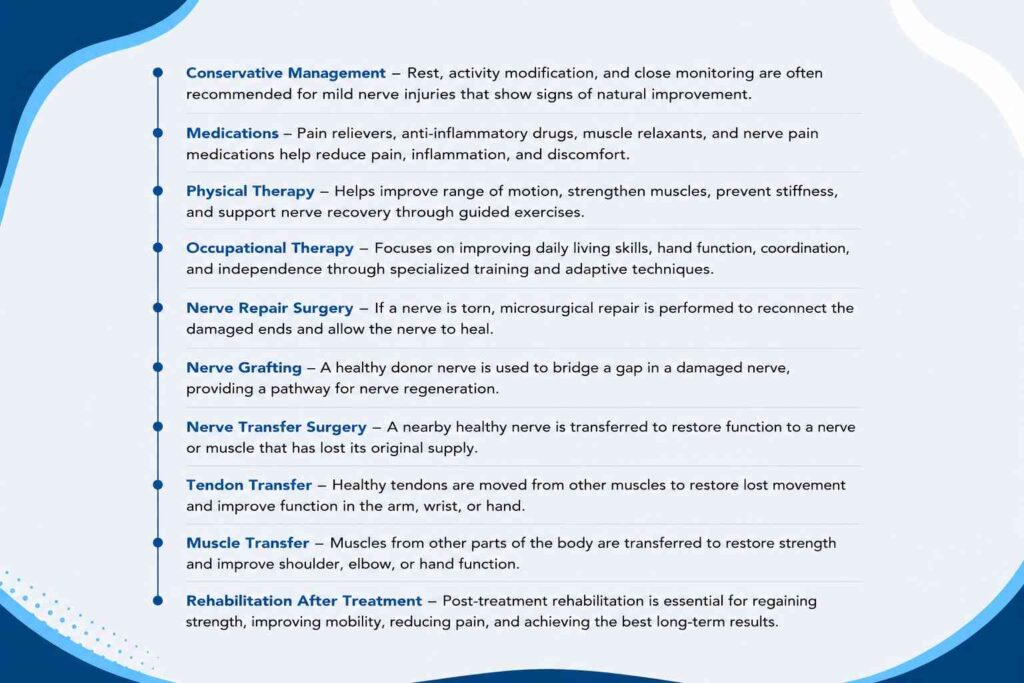
Several modern approaches are available to restore nerve function and improve quality of life.
1. Careful Observation
Not every injury requires surgery.
Doctors may recommend observation when:
- Injury is mild
- Muscle strength gradually improves
- Symptoms continue to recover
- Imaging shows no major nerve damage
Regular follow-up helps monitor recovery.
2. Medications
Medications mainly control symptoms rather than repair nerves.
Common medications include:
- Pain relievers
- Anti-inflammatory medicines
- Neuropathic pain medications
- Muscle relaxants
These medications improve comfort while natural healing or rehabilitation continues.
3. Physical Therapy
Physical therapy is one of the most important treatment options for brachial plexus injuries.
Goals include:
- Maintaining joint movement
- Preventing stiffness
- Improving muscle strength
- Reducing muscle wasting
- Restoring function
- Improving flexibility
Therapy usually begins early and continues for several months.
4. Occupational Therapy
Occupational therapists help patients regain independence in daily life.
Therapy focuses on:
- Dressing
- Eating
- Writing
- Personal hygiene
- Household activities
- Fine motor skills
Adaptive devices may also improve function.
5. Range of Motion Exercises
Daily stretching helps prevent permanent stiffness.
Benefits include:
- Improved flexibility
- Better circulation
- Reduced contractures
- Healthier joints
- Easier movement
These exercises are often performed under professional supervision.
6. Nerve Repair Surgery
When nerves are torn, direct nerve repair may be possible.
During surgery:
- Damaged nerve ends are identified.
- Scar tissue is removed.
- Healthy nerve ends are carefully joined together.
Recovery occurs slowly because nerves regenerate gradually.
7. Nerve Grafting
Nerve grafting is among the most effective treatment options for brachial plexus injuries involving nerve gaps.
This procedure involves:
- Removing damaged nerve tissue
- Using a healthy donor nerve
- Connecting the gap
- Encouraging new nerve growth
Nerve grafts commonly come from sensory nerves in the leg.
8. Nerve Transfer Surgery
Sometimes direct repair is not possible.
In nerve transfer surgery:
- A healthy functioning nerve
- Is redirected
- To restore function
- To important muscles
This technique can improve:
- Shoulder movement
- Elbow bending
- Hand function
Earlier surgery often produces better results.
9. Tendon Transfer
If nerves cannot recover adequately, tendon transfer surgery may improve movement.
This involves:
- Moving healthy tendons
- Restoring lost muscle function
- Improving arm movement
Patients usually undergo rehabilitation afterward.
10. Muscle Transfer Surgery
Severe injuries may require muscle transfer procedures.
Healthy muscles from another part of the body can restore:
- Elbow flexion
- Shoulder stability
- Functional arm movement
Although recovery takes time, significant improvement is possible.
Rehabilitation After Treatment Options for Brachial Plexus Injuries
Rehabilitation is essential regardless of which treatment is performed.
Rehabilitation includes:
- Strength training
- Stretching exercises
- Functional training
- Balance exercises
- Electrical stimulation
- Hand coordination activities
Recovery often continues for months or even years.
Benefits of Early Treatment Options for Brachial Plexus Injuries
Early diagnosis provides many advantages.
Benefits include:
- Better nerve recovery
- Higher success rates
- Reduced muscle wasting
- Improved arm function
- Better pain control
- Greater independence
- Improved quality of life
- Faster rehabilitation
- Lower complication risk
Factors That Affect Recovery
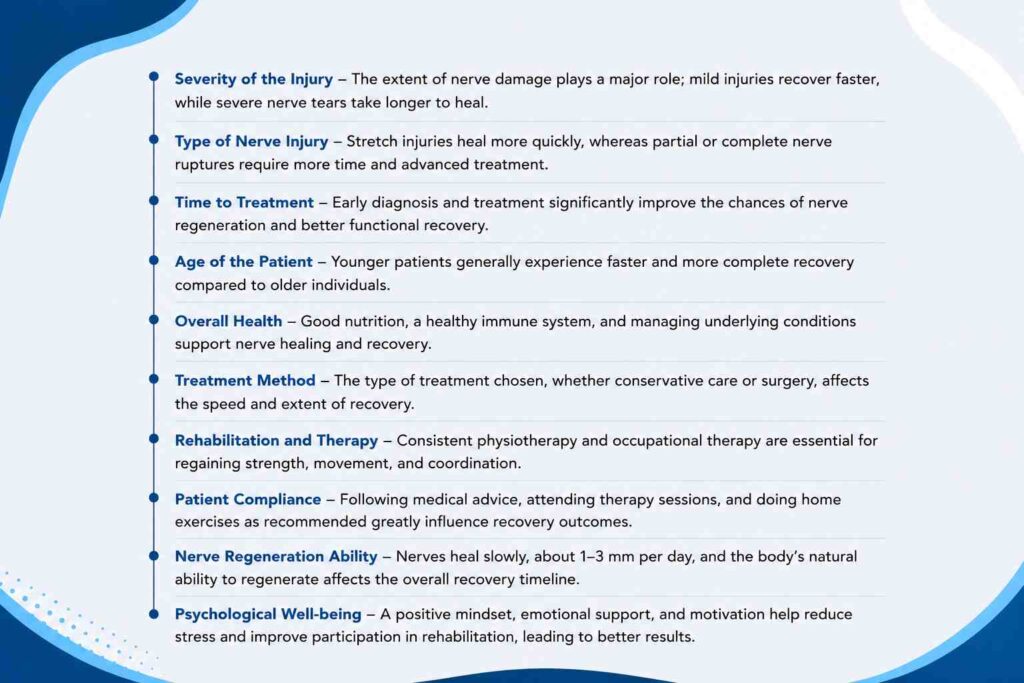
Several factors influence recovery.
These include:
Severity of Injury
Mild injuries recover much faster.
Age
Younger individuals often heal more effectively.
Treatment Timing
Earlier treatment generally produces better outcomes.
Rehabilitation
Consistent therapy greatly improves recovery.
Overall Health
Good nutrition and overall health support nerve healing.
Recovery Timeline
Recovery differs for every patient.
Mild Injuries
- Few weeks
- Up to three months
Moderate Injuries
- Six months
- One year
Severe Injuries
- One to three years
- Sometimes longer
Patience and regular rehabilitation are essential.
Possible Complications Without Treatment
Ignoring symptoms may lead to complications such as:
- Permanent weakness
- Chronic pain
- Muscle wasting
- Joint stiffness
- Loss of sensation
- Reduced arm function
- Permanent disability
Seeking early medical evaluation helps prevent these problems.
Tips to Support Recovery
Patients can improve recovery by following healthy habits.
Follow Therapy Regularly
Never skip rehabilitation sessions.
Perform Home Exercises
Practice exercises exactly as instructed.
Maintain Good Nutrition
Eat protein-rich foods, vegetables, fruits, and whole grains.
Avoid Smoking
Smoking slows nerve healing.
Protect the Injured Arm
Avoid heavy lifting until recovery progresses.
Stay Positive
Recovery takes time, and consistent effort makes a significant difference.
When Should You Consider Surgical Treatment
Surgery may be recommended when:
- Complete nerve rupture is present
- Nerves are avulsed
- No improvement occurs after observation
- Severe weakness persists
- Muscle wasting develops
- Imaging confirms major nerve damage
The choice among treatment options for brachial plexus injuries depends on detailed evaluation and specialist assessment.
Conclusion
Understanding the available treatment options for brachial plexus injuries helps patients make informed decisions about their recovery journey. From observation and rehabilitation to advanced nerve reconstruction procedures, treatment should always be individualized according to the severity and type of nerve damage. Early diagnosis, timely intervention, and dedicated rehabilitation offer the best opportunity for restoring arm function and improving quality of life. If you are seeking reliable information about managing brachial plexus injuries in Thrissur, consulting a qualified healthcare professional at the earliest signs of nerve injury is an important first step. Read about brachial plexus injuries, symptoms, diagnosis, and treatment options from the Cleveland Clinic .
Frequently Asked Questions
Can brachial plexus injuries heal without surgery?
What is the best treatment for severe brachial plexus injuries?
How long does recovery take after treatment for brachial plexus injuries?
Is physical therapy necessary after treatment?
Can nerve damage from a brachial plexus injury become permanent?
Are surgical treatments for brachial plexus injuries successful?
Does age affect recovery from a brachial plexus injury?
Is rehabilitation required after brachial plexus surgery?
Can pain improve after treatment for brachial plexus injuries?
When should someone seek medical care for a brachial plexus injury?
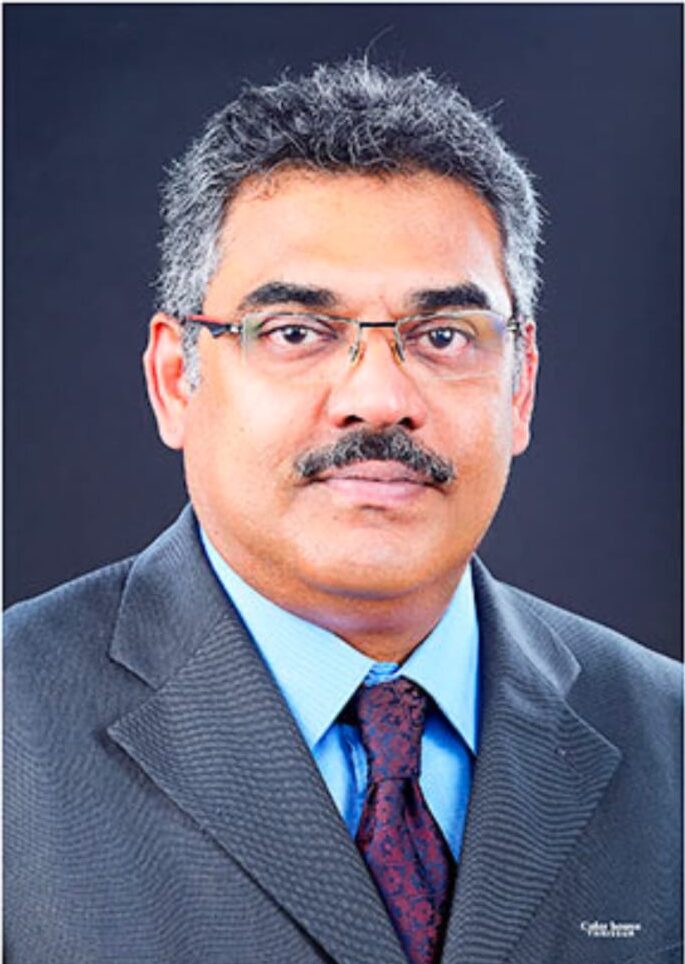
Dr. Pradeep Kumar
Plastic & Reconstructive Surgeon – Brachial Plexus & Nerve Surgery Specialist
Dr. Pradeep Kumar is an experienced plastic and reconstructive surgeon known for his expertise in brachial plexus and peripheral nerve surgery. With extensive microsurgical experience, he focuses on restoring movement and function for patients with complex nerve injuries.
Sushrutha Institute of Plastic Surgery, Elite Mission Hospital, Thrissur