10 Critical Symptoms That Need Immediate Medical Attention Now
Your body often gives warning signs when something is wrong. While many health problems improve with rest or basic home care, certain symptoms should never be ignored. Recognizing symptoms that need immediate medical attention can help prevent serious complications, reduce long-term damage, and even save lives. If you or someone you know experiences these warning signs, seeking prompt medical evaluation is essential. Access to timely healthcare in Thrissur can make a significant difference when emergencies occur.
Many people delay medical care because they believe symptoms will disappear on their own. Unfortunately, conditions such as heart attacks, strokes, severe infections, or internal bleeding may worsen rapidly without treatment. Understanding the warning signs allows you to respond quickly and make informed decisions about your health.
This guide explains the most important symptoms that need immediate medical attention, possible causes, treatment options, and when emergency care becomes necessary.
Why Recognizing Emergency Symptoms Matters
Ignoring serious symptoms can lead to permanent disability or life-threatening complications. Early diagnosis allows healthcare professionals to identify the underlying problem before it becomes more severe.
Benefits of seeking immediate medical care include:
- Faster diagnosis
- Early treatment
- Reduced complications
- Better recovery
- Lower risk of permanent damage
- Improved survival rates
Even when symptoms turn out to be less serious than expected, it is always safer to get evaluated promptly.
What Are Symptoms That Need Immediate Medical Attention
Symptoms that need immediate medical attention are warning signs indicating that a medical emergency may be developing. These symptoms often appear suddenly, become severe quickly, or interfere with normal body functions.
Examples include:
- Sudden chest pain
- Difficulty breathing
- Severe bleeding
- Sudden weakness
- Confusion
- Loss of consciousness
- High fever with altered mental status
- Severe allergic reactions
These symptoms require urgent medical evaluation because delaying treatment may increase health risks.
Common Causes of Medical Emergencies
Various medical conditions can cause emergency symptoms.
Heart Conditions
Heart attacks, irregular heart rhythms, and heart failure may present with:
- Chest discomfort
- Sweating
- Nausea
- Breathlessness
- Pain spreading to the arm or jaw
Brain Disorders
Medical emergencies involving the brain include:
- Stroke
- Brain hemorrhage
- Seizures
- Head injuries
These conditions require immediate intervention.
Respiratory Problems
Emergency breathing problems may occur because of:
- Severe asthma
- Pneumonia
- Pulmonary embolism
- Airway obstruction
- Allergic reactions
Severe Infections
Some infections spread rapidly throughout the body and can become life-threatening if untreated.
Examples include:
- Sepsis
- Meningitis
- Severe pneumonia
Internal Bleeding
Bleeding inside the body can occur due to:
- Trauma
- Stomach ulcers
- Ruptured blood vessels
- Pregnancy complications
Immediate diagnosis is essential.
10 Critical Symptoms That Need Immediate Medical Attention
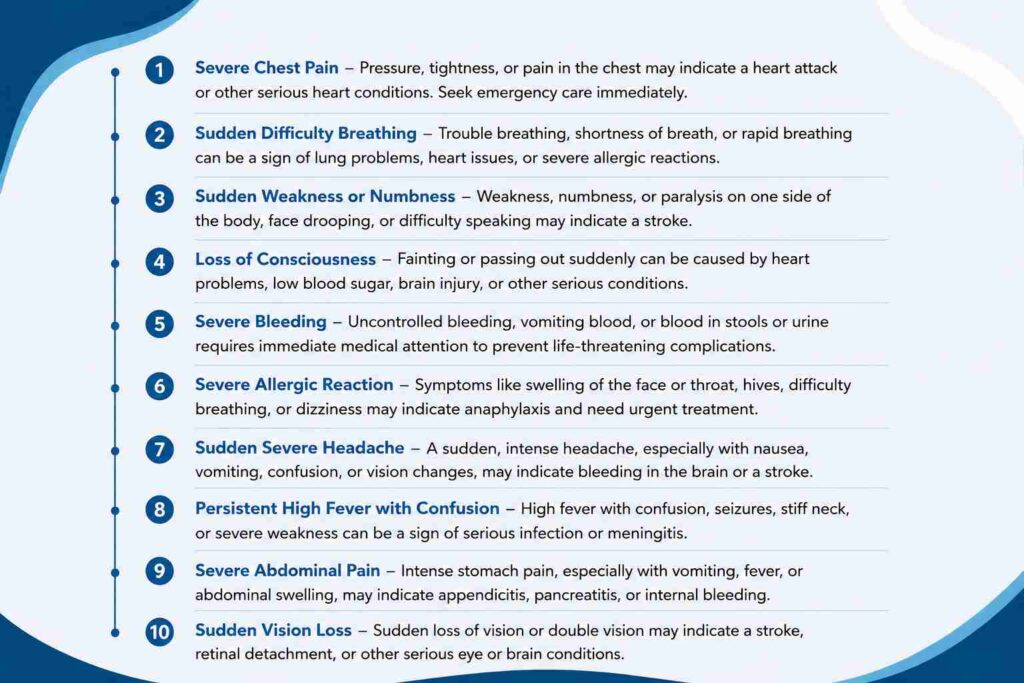
1. Severe Chest Pain
Chest pain is one of the most important symptoms that need immediate medical attention.
Emergency warning signs include:
- Pressure in the chest
- Tightness
- Burning sensation
- Pain spreading to shoulders
- Jaw pain
- Back pain
- Cold sweating
- Shortness of breath
Chest pain may indicate:
- Heart attack
- Aortic dissection
- Pulmonary embolism
Never ignore persistent chest discomfort.
2. Sudden Difficulty Breathing
Difficulty breathing is another major symptom requiring emergency care.
Watch for:
- Rapid breathing
- Wheezing
- Blue lips
- Chest tightness
- Inability to speak full sentences
Possible causes include:
- Severe asthma
- Heart failure
- Lung infection
- Allergic reaction
- Blood clot in the lungs
Immediate oxygen support and treatment may be necessary.
3. Sudden Weakness or Numbness
One-sided weakness often indicates a stroke.
Signs include:
- Weak arm
- Facial drooping
- Slurred speech
- Loss of balance
- Vision changes
- Sudden confusion
Remember the FAST warning signs:
- F – Face drooping
- A – Arm weakness
- S – Speech difficulty
- T – Time to seek emergency care
Stroke treatment is most effective when started quickly.
4. Loss of Consciousness
Passing out unexpectedly should never be ignored.
Possible causes include:
- Heart rhythm problems
- Stroke
- Brain injury
- Low blood sugar
- Internal bleeding
- Severe dehydration
Medical evaluation helps determine the underlying cause.
5. Severe Bleeding
Heavy bleeding can quickly become life-threatening.
Warning signs include:
- Blood soaking through dressings
- Continuous bleeding
- Deep wounds
- Vomiting blood
- Blood in stool
- Blood in urine
Applying pressure while arranging emergency care is important.
6. Severe Allergic Reaction
Anaphylaxis is a life-threatening allergic emergency.
Symptoms include:
- Swollen lips
- Swollen tongue
- Difficulty breathing
- Hives
- Low blood pressure
- Dizziness
- Collapse
Emergency treatment should never be delayed.
7. Sudden Severe Headache
A sudden “worst headache of your life” requires urgent medical attention.
Possible causes include:
- Brain hemorrhage
- Stroke
- Meningitis
- High blood pressure emergency
Headache accompanied by vomiting, confusion, or neck stiffness is particularly concerning.
8. Persistent High Fever with Confusion
A high fever alone may not always be dangerous, but fever combined with confusion, severe weakness, difficulty breathing, or seizures requires emergency assessment.
Potential causes:
- Sepsis
- Brain infection
- Severe pneumonia
- Heat stroke
Early treatment improves outcomes significantly.
9. Severe Abdominal Pain
Intense abdominal pain may indicate:
- Appendicitis
- Gallbladder infection
- Pancreatitis
- Bowel obstruction
- Internal bleeding
- Ruptured abdominal organs
Pain accompanied by vomiting, fever, or abdominal swelling should never be ignored.
10. Sudden Vision Loss
Sudden changes in vision may indicate:
- Stroke
- Retinal detachment
- Eye artery blockage
- Brain disorders
Immediate treatment may help preserve vision.
Other Symptoms That Need Immediate Medical Attention
Several additional warning signs deserve prompt evaluation.
These include:
- Persistent vomiting
- Severe dehydration
- Seizures
- Sudden confusion
- Poisoning
- Major burns
- Electric shock injuries
- Serious fractures
- Severe neck stiffness
- Blue skin coloration
- Rapid swelling
- Extreme dizziness
- Difficulty speaking
These symptoms that need immediate medical attention should always be taken seriously.
Risk Factors That Increase Medical Emergencies
Some people have a higher chance of developing emergency conditions.
Common risk factors include:
- Older age
- Diabetes
- High blood pressure
- Heart disease
- Smoking
- Obesity
- High cholesterol
- Chronic lung disease
- Kidney disease
- Family history of cardiovascular disease
Knowing your personal risk can help you seek care sooner.
When Should You Call Emergency Services
Seek emergency help immediately if you experience:
- Chest pain lasting more than a few minutes
- Sudden paralysis
- Difficulty breathing
- Severe bleeding
- Loss of consciousness
- Stroke symptoms
- Severe allergic reactions
- Seizures lasting several minutes
- Serious injuries
- Sudden confusion
Waiting for symptoms to improve can be dangerous.
Diagnosis of Symptoms That Need Immediate Medical Attention
When a person arrives at an emergency department with symptoms that need immediate medical attention, healthcare professionals first assess the severity of the condition. This process helps determine the urgency of treatment and identify the underlying cause as quickly as possible.
The diagnostic approach depends on the symptoms, medical history, and physical examination findings.
Medical History
The healthcare provider may ask about:
- When the symptoms started
- Whether they appeared suddenly or gradually
- Any recent injuries or illnesses
- Current medications
- Existing medical conditions
- Family medical history
- Allergies
- Lifestyle habits such as smoking or alcohol use
Providing accurate information can speed up diagnosis and treatment.
Physical Examination
A physical examination may include checking:
- Blood pressure
- Heart rate
- Breathing rate
- Body temperature
- Oxygen saturation
- Neurological function
- Level of consciousness
These findings help determine whether immediate intervention is necessary.
Diagnostic Tests
Depending on the condition, tests may include:
Blood Tests
Blood tests can help identify:
- Infection
- Organ function
- Electrolyte imbalance
- Blood clotting disorders
- Heart damage
- Severe inflammation
Electrocardiogram (ECG)
An ECG records the heart’s electrical activity and helps diagnose:
- Heart attack
- Arrhythmias
- Heart muscle problems
Imaging Studies
Medical imaging may include:
- X-rays
- Ultrasound
- CT scan
- MRI
- Echocardiogram
These tests help identify internal injuries, bleeding, stroke, fractures, and other emergency conditions.
Urine Tests
Urine analysis can detect:
- Infection
- Kidney disease
- Dehydration
- Diabetes-related complications
Treatment for Symptoms That Need Immediate Medical Attention
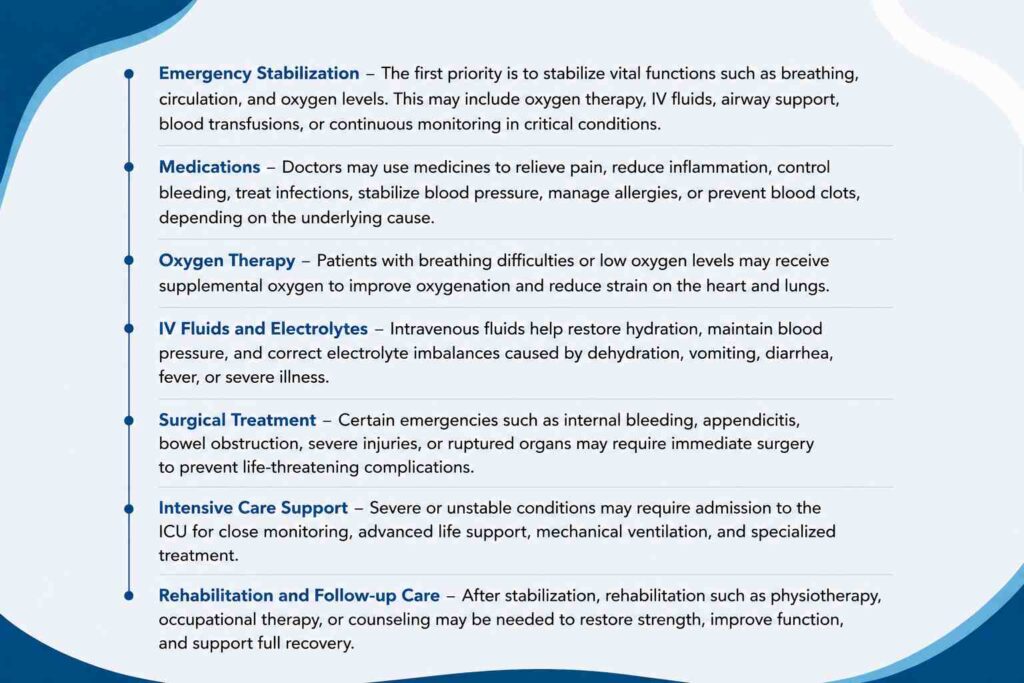
Treatment depends entirely on the underlying cause. The primary goal is to stabilize the patient before addressing the specific condition.
Emergency Stabilization
The first priority is maintaining vital body functions.
This may involve:
- Oxygen therapy
- Intravenous (IV) fluids
- Airway management
- Blood transfusion
- Pain control
- Medications to stabilize blood pressure
- Continuous heart monitoring
Early stabilization improves the chances of recovery.
Medications
Common emergency medications include:
- Antibiotics for severe infections
- Blood thinners for certain heart conditions
- Clot-dissolving medications for eligible stroke patients
- Antihistamines for allergic reactions
- Epinephrine for anaphylaxis
- Pain-relieving medications
- Anticonvulsants for seizures
Medication selection depends on the diagnosis and the patient’s overall health.
Surgical Treatment
Some medical emergencies require immediate surgery.
Examples include:
- Appendicitis
- Internal bleeding
- Ruptured aneurysm
- Traumatic injuries
- Certain abdominal emergencies
- Severe fractures
Timely surgery can prevent life-threatening complications.
Intensive Care
Patients with severe conditions may require monitoring in an intensive care unit (ICU).
ICU care provides:
- Continuous monitoring
- Advanced life support
- Mechanical ventilation if needed
- Specialized medical treatment
- Rapid response to changes in condition
What to Do Before Medical Help Arrives
Knowing how to respond can make a significant difference during a medical emergency.
Stay Calm
Remaining calm helps you think clearly and assist the affected person effectively.
Call Emergency Services Immediately
Do not delay if serious symptoms are present.
Provide:
- Exact location
- Patient’s age
- Main symptoms
- Level of consciousness
- Existing medical conditions if known
Keep the Person Comfortable
Depending on the situation:
- Help them sit comfortably if breathing is difficult.
- Lay them flat if they feel faint, unless breathing becomes worse.
- Avoid unnecessary movement after major injuries.
Do Not Give Food or Drink
Avoid giving food, water, or medication unless instructed by a healthcare professional.
Monitor Breathing
Watch for:
- Normal breathing
- Changes in consciousness
- Worsening symptoms
If trained, begin CPR if the person stops breathing or has no pulse.
Tips to Reduce the Risk of Medical Emergencies
Although not every emergency can be prevented, healthy lifestyle choices can lower the risk of many serious conditions.
Maintain Regular Health Check-ups
Routine health screenings can identify problems before they become emergencies.
Control Chronic Diseases
Proper management of:
- Diabetes
- High blood pressure
- Heart disease
- High cholesterol
- Kidney disease
helps reduce complications.
Eat a Balanced Diet
Choose foods rich in:
- Fruits
- Vegetables
- Whole grains
- Lean protein
- Healthy fats
Limit excess salt, sugar, and processed foods.
Exercise Regularly
Aim for regular physical activity appropriate for your age and health condition.
Exercise helps maintain:
- Healthy weight
- Strong heart
- Good circulation
- Better lung function
Avoid Smoking
Smoking increases the risk of:
- Heart attack
- Stroke
- Lung disease
- Cancer
Quitting smoking provides immediate and long-term health benefits.
Limit Alcohol Consumption
Excessive alcohol intake increases the risk of injuries and several chronic diseases.
Stay Hydrated
Proper hydration supports normal body functions and reduces the risk of dehydration-related complications.
Learn Basic First Aid
Knowing first aid and CPR can help you respond confidently during emergencies while waiting for medical professionals.
When Should You Visit the Emergency Department
Go to the emergency department immediately if you experience symptoms that need immediate medical attention, including:
- Severe chest pain
- Sudden difficulty breathing
- Loss of consciousness
- Stroke symptoms
- Heavy bleeding
- Severe burns
- Serious injuries
- Persistent seizures
- Severe allergic reactions
- Sudden vision loss
- Severe abdominal pain
- High fever with confusion
Never ignore these warning signs or wait to see if they improve on their own.
Conclusion
Recognizing symptoms that need immediate medical attention can help prevent serious complications and improve recovery. Sudden chest pain, breathing difficulties, severe bleeding, stroke symptoms, loss of consciousness, and severe allergic reactions should always be treated as medical emergencies. Acting quickly allows healthcare professionals to diagnose the problem early and begin appropriate treatment without unnecessary delays. If you or someone around you develops symptoms that need immediate medical attention, seek emergency medical care immediately instead of waiting for the condition to worsen. Timely access to healthcare in Thrissur can play an important role in ensuring prompt diagnosis and effective treatment during medical emergencies. To learn more about emergency warning signs and when to seek immediate medical care, refer to the MedlinePlus Emergency Medical Services resource.
Frequently Asked Questions
What are symptoms that need immediate medical attention?
Is chest pain always a medical emergency?
When should difficulty breathing be considered serious?
Why is sudden weakness on one side of the body dangerous?
Can a severe headache indicate a medical emergency?
What should I do if someone loses consciousness?
Are severe allergic reactions life-threatening?
Should a high fever always be treated as an emergency?
Can severe abdominal pain become dangerous?
What is the first step during a medical emergency?

Dr. Pradeep Kumar
Plastic & Reconstructive Surgeon – Brachial Plexus & Nerve Surgery Specialist
Dr. Pradeep Kumar is an experienced plastic and reconstructive surgeon known for his expertise in brachial plexus and peripheral nerve surgery. With extensive microsurgical experience, he focuses on restoring movement and function for patients with complex nerve injuries.
Sushrutha Institute of Plastic Surgery, Elite Mission Hospital, Thrissur