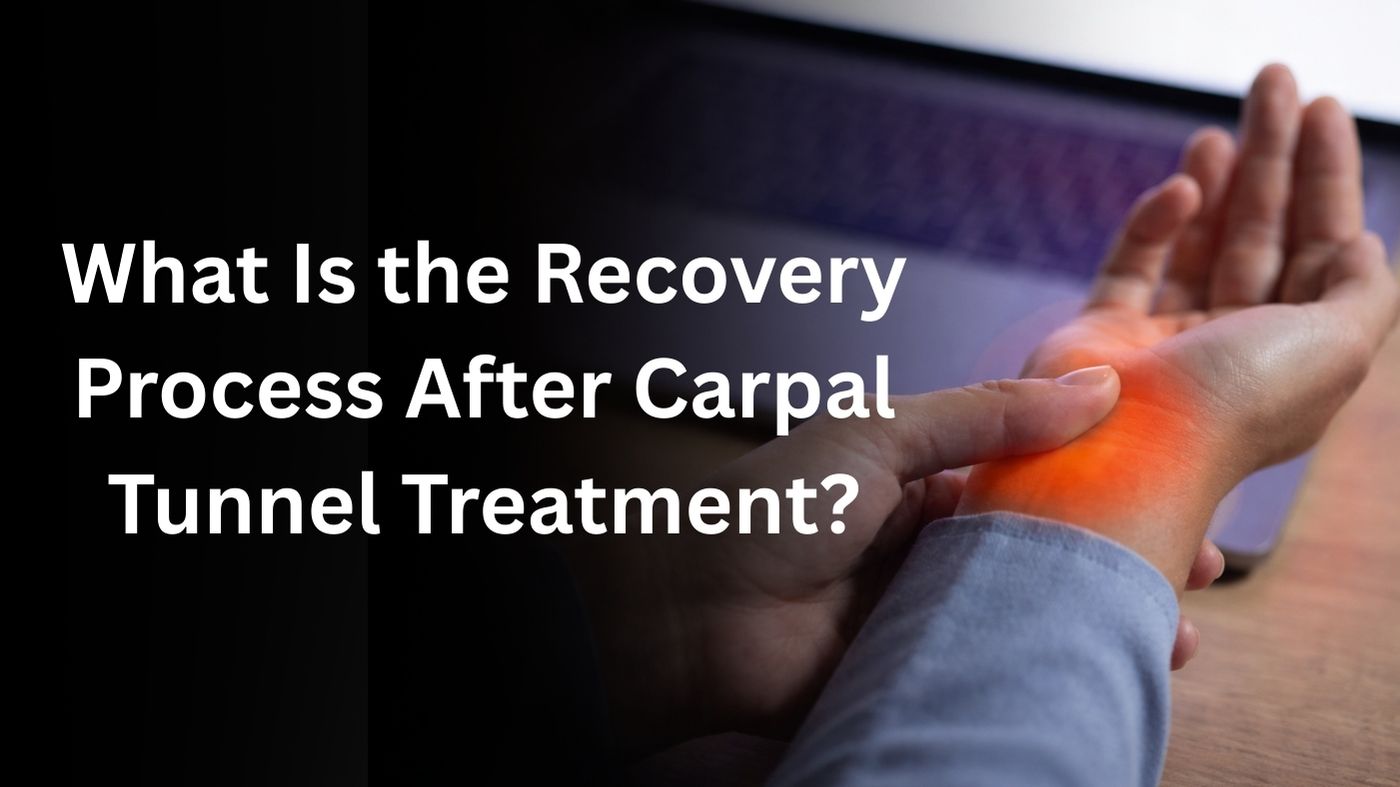
What Is the Recovery Process After Carpal Tunnel Treatment? For individuals seeking treatment and rehabilitation in Kerala, understanding the recovery process after carpal tunnel treatment helps set realistic expectations and support better outcomes. Recovery varies depending on the severity of nerve compression, the type of treatment received, and individual healing capacity. Whether managed with non-surgical methods or surgical intervention, recovery focuses on reducing symptoms, restoring hand strength, improving sensation, and returning to normal daily activities.
1. Immediate Phase After Treatment
The early recovery phase begins soon after treatment. In non-surgical cases, this may involve rest, splinting, and avoiding activities that strain the wrist. For surgical treatment, the wrist and hand may feel sore or stiff for a short period.
Swelling, mild discomfort, and limited hand movement are common during the initial stage. Proper care and following medical guidance help reduce complications and support early healing.
2. Pain and Symptom Relief Timeline
Pain reduction usually begins within the first few days to weeks, depending on treatment type. Many individuals notice gradual relief from tingling and numbness as pressure on the median nerve decreases.
However, complete symptom resolution may take longer, particularly if nerve compression was severe or long-standing before treatment.
3. Healing of the Median Nerve
The median nerve requires time to recover after compression is relieved. Nerve healing is gradual and may continue for several months. Sensory changes, such as numbness or tingling, often improve before strength returns.
Recovery speed depends on the duration and severity of nerve compression prior to treatment.
4. Wrist Support and Immobilization
After treatment, especially surgery, temporary wrist support may be recommended. A splint helps maintain a neutral wrist position and prevents strain during early healing.
Support devices are usually worn for a limited period and gradually reduced as strength and mobility improve.
5. Wound Healing After Surgical Treatment
If surgery is performed, the incision area heals over time. Proper wound care helps prevent infection and supports recovery. Mild swelling and sensitivity around the surgical site are normal during the early phase.
Scar healing continues over several weeks, and gradual improvement in comfort is expected.
6. Gradual Return of Sensation
Many individuals experience improvement in numbness and tingling within weeks. Sensory recovery often begins with reduced frequency of symptoms.
In some cases, especially where nerve compression was severe, sensation may take longer to return or may not fully normalize.
7. Restoration of Hand Strength
Weakness in the hand improves gradually as nerve function recovers. Grip strength may initially feel reduced but improves with time and rehabilitation.
Exercises recommended during recovery help rebuild muscle strength and coordination.
8. Role of Physiotherapy and Hand Exercises
Therapeutic exercises play a key role in recovery. Stretching, strengthening, and coordination exercises help restore normal hand function.
Regular participation in rehabilitation supports improved mobility, reduced stiffness, and faster functional recovery.
9. Activity Modification During Recovery
During early recovery, repetitive wrist movements and heavy lifting are usually limited. Gradual reintroduction of activities is recommended based on comfort and healing progress.
Activity modification prevents strain on the healing nerve and supports steady improvement.
10. Return to Daily Activities
Most individuals can resume light daily activities within a short period. Tasks such as writing, eating, and basic hand movements are often possible early in recovery.
More demanding activities may take longer and depend on symptom resolution and strength recovery.
11. Return to Work Timeline
The time required to return to work depends on the nature of the job. Individuals with desk-based work may resume duties earlier than those with physically demanding tasks.
Work adjustments and ergonomic support help prevent symptom recurrence during recovery.
12. Managing Swelling and Stiffness
Swelling and stiffness may persist for some time after treatment. Gentle exercises, elevation, and proper rest can help manage these symptoms.
Improvement is gradual and varies from person to person.
13. Monitoring Nerve Function
Regular follow-up helps assess nerve recovery and hand function. Monitoring progress allows for adjustments in rehabilitation and activity levels.
Consistent evaluation supports better long-term outcomes.
14. Expected Recovery Duration
Recovery duration varies widely. Some individuals experience improvement within weeks, while others may take several months for full recovery.
Factors influencing recovery include age, severity of nerve compression, treatment type, and adherence to rehabilitation.
15. Emotional and Psychological Adjustment
Recovery is not only physical but also psychological. Individuals may feel anxious about regaining function or returning to work.
Understanding the recovery timeline helps reduce stress and supports a positive outlook.
16. Long-Term Nerve Health
Maintaining wrist health after treatment is important. Ergonomic adjustments, posture correction, and avoiding repetitive strain help protect nerve function.
Long-term care reduces the risk of recurrence.
17. Recognizing Signs of Improvement
Gradual reduction in numbness, improved grip strength, better coordination, and reduced discomfort are positive recovery indicators.
Tracking improvements helps maintain motivation and adherence to rehabilitation.
18. Possible Delays in Recovery
Some individuals may experience slower recovery due to severe nerve damage, underlying medical conditions, or delayed treatment.
Patience and continued rehabilitation remain important during prolonged recovery.
19. Preventing Recurrence After Recovery
Lifestyle changes play a key role in preventing recurrence. Maintaining neutral wrist positions, taking breaks during repetitive tasks, and practicing strengthening exercises support long-term recovery.
Preventive strategies help maintain nerve function and hand health.
20. Long-Term Outlook After Treatment
The long-term outlook after carpal tunnel treatment is generally favorable when managed appropriately. Many individuals experience significant symptom relief and improved hand function.
Consistent follow-up, rehabilitation, and lifestyle adjustments support sustained recovery and functional independence. For individuals undergoing recovery and rehabilitation in Kerala, understanding each phase of the healing process helps promote confidence, timely care, and better long-term hand health outcomes.
Frequently Asked Questions
1. How long does recovery take after carpal tunnel treatment?
Recovery time varies, but many individuals notice improvement within a few weeks, while full recovery may take several months.
2. Is pain normal during recovery?
Mild pain or discomfort is common in the early stages and usually improves as healing progresses.
3. When will numbness and tingling improve after treatment?
These symptoms often begin to reduce within weeks, but complete sensory recovery may take longer depending on nerve healing.
4. Can I use my hand immediately after treatment?
Light hand movements are usually allowed early, but heavy or repetitive activities should be avoided during the initial recovery phase.
5. Is physiotherapy necessary after carpal tunnel treatment?
Hand exercises and physiotherapy help improve strength, flexibility, and overall recovery.
6. When can I return to work after treatment?
Return to work depends on the type of job and recovery progress, with desk work often resumed earlier than physically demanding tasks.
7. Will hand strength return after treatment?
Grip strength improves gradually as nerve function recovers and rehabilitation continues.
8. Can symptoms come back after recovery?
Symptoms may recur if wrist strain continues, but ergonomic changes and exercises can help prevent recurrence.
9. Do I need follow-up visits during recovery?
Regular follow-up helps monitor healing and ensures proper recovery progress.
10. What signs indicate good recovery after treatment?
Reduced numbness, improved strength, better hand coordination, and less pain are positive signs of recovery.

Dr. Pradeep is a highly skilled Plastic and Reconstructive Surgeon and a key member of the Sushrutha Institute of Plastic Surgery at Elite Mission Hospital, Thrissur. He is well known for his exceptional expertise in Brachial Plexus and Peripheral Nerve Surgery, a highly specialized field that demands precision and advanced surgical skills.