7 Powerful Erb's Palsy Treatment in Thrissur: Complete Guide
Erb’s Palsy Treatment in Thrissur focuses on improving arm movement, strength, nerve function, and overall recovery after an injury to the brachial plexus. Erb’s palsy commonly affects the nerves that control movement and sensation in the shoulder, arm, and hand. It is often associated with birth-related nerve injuries, although similar brachial plexus injuries can occur later in life.
Early assessment is important because treatment needs can vary considerably from one person to another. In Erb’s Palsy Treatment in Thrissur, specialists may consider the severity of nerve damage, the child’s age, muscle strength, joint movement, and signs of nerve recovery before recommending a treatment approach.
Some children improve naturally with appropriate physiotherapy, while others may need additional interventions. Understanding the available options can help families make informed decisions about care.
What Is Erb’s Palsy
Erb’s palsy is a type of brachial plexus injury involving nerves that originate from the neck and travel toward the shoulder and arm. Damage to these nerves can interfere with the signals responsible for muscle movement and sensation.
The condition is commonly noticed in newborns when one arm appears weaker or is held differently from the other. Depending on the extent of nerve damage, symptoms may range from temporary weakness to significant loss of movement.
The primary goals of Erb’s Palsy Treatment in Thrissur are to preserve joint flexibility, encourage nerve recovery, strengthen functioning muscles, and improve the use of the affected arm.
What Causes Erb’s Palsy
Erb’s palsy may occur when the brachial plexus nerves are stretched, compressed, or damaged.
Common causes include:
- Difficult or prolonged delivery
- Excessive stretching of the baby’s neck and shoulder during birth
- Shoulder dystocia
- Large birth weight
- Assisted delivery in certain circumstances
- Traumatic injuries involving the shoulder or neck
- Severe stretching injuries affecting the brachial plexus
Birth-related Erb’s palsy is different from some adult brachial plexus injuries because the pattern and extent of nerve damage may vary.
Understanding the underlying cause helps determine the most appropriate treatment approach and the expected recovery pathway.
What Are the Different Types of Nerve Injury
Brachial plexus injuries can differ in severity. The main types include neuropraxia, axon injury, nerve rupture, and nerve root avulsion.
Neuropraxia
This is generally a milder nerve injury in which the nerve remains structurally intact but its normal function is temporarily affected. Recovery may occur naturally over time.
Axon Injury
In some injuries, the internal nerve fibres are damaged while portions of the surrounding structure remain intact. Recovery can take longer and may require careful monitoring.
Nerve Rupture
A nerve may be partially or completely torn. More significant injuries can require surgical consideration when meaningful spontaneous recovery does not occur.
Nerve Root Avulsion
This is a severe injury in which the nerve root is pulled away from the spinal cord. Recovery can be challenging and may require specialist assessment.
The severity of the injury is an important factor when planning treatment.
What Symptoms Can Erb’s Palsy Cause
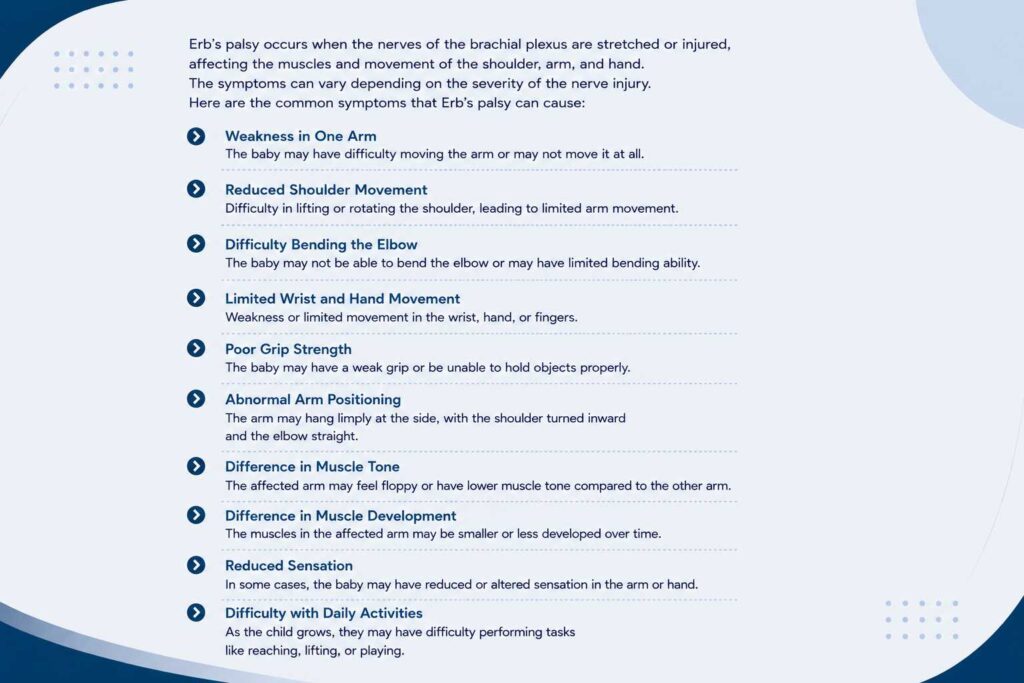
Symptoms depend on the nerves involved and the extent of the injury.
Common signs include:
- Weakness in one arm
- Reduced shoulder movement
- Difficulty bending the elbow
- Limited wrist or hand movement
- Reduced grip strength
- Abnormal positioning of the affected arm
- Differences in muscle development between the arms
- Reduced sensation in some cases
- Difficulty performing age-appropriate activities
In newborns, parents may notice that one arm moves less than the other. Some babies may keep the affected arm close to the body while the elbow remains relatively straight.
Recognising these signs early can help families seek appropriate treatment before stiffness, muscle imbalance, or abnormal movement patterns become more established.
How Is Erb’s Palsy Diagnosed
Diagnosis usually begins with a detailed clinical examination. The healthcare professional evaluates muscle strength, range of movement, reflexes, sensation, and the pattern of arm weakness.
Depending on the situation, additional investigations may include:
- Nerve conduction studies
- Electromyography
- Ultrasound
- Magnetic resonance imaging
- Other imaging tests when required
The assessment may also involve observing how the child uses the affected arm during normal activities.
A proper diagnosis helps determine whether observation, physiotherapy, surgical treatment, or a combination of approaches is appropriate.
What Are the Main Erb’s Palsy Treatment Options
The appropriate Erb’s Palsy Treatment in Thrissur depends on the severity and pattern of nerve injury. Treatment is usually individualised rather than based on a single approach.
Physiotherapy
Physiotherapy is an important part of rehabilitation. Gentle, supervised exercises can help maintain joint flexibility and support the development of useful movement.
Therapy may focus on:
- Shoulder mobility
- Elbow movement
- Wrist and hand function
- Muscle strengthening
- Maintaining flexibility
- Developing coordinated movements
Parents may also be taught safe home exercises when appropriate.
Occupational Therapy
Occupational therapy can help children develop practical skills for daily activities. Therapy may focus on reaching, grasping, dressing, playing, writing, and other age-appropriate tasks.
Nerve Surgery
In selected severe injuries, nerve repair or nerve reconstruction may be considered. Procedures can include nerve grafting or nerve transfers, depending on the injury.
Surgery is not required for every child. The decision depends on clinical findings, evidence of nerve recovery, functional progress, and the results of investigations.
Secondary Procedures
Some individuals may continue to have muscle imbalance, joint limitations, or abnormal movement even after nerve recovery. In selected cases, additional procedures may be considered to improve function.
Regular Monitoring
Regular follow-up is essential because nerve recovery can occur gradually. Ongoing assessment allows the treatment plan to be adjusted as movement and strength develop.
What Are the Benefits of Early Treatment
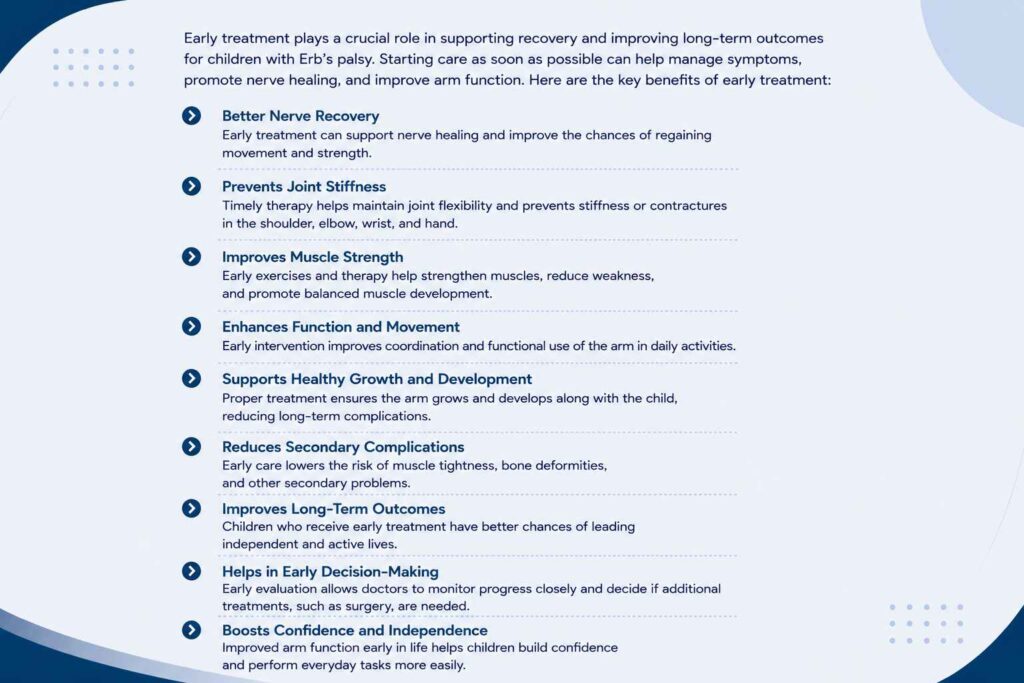
Early and appropriate management can support better functional development. The potential benefits of Erb’s Palsy Treatment in Thrissur include:
- Maintaining joint flexibility
- Supporting muscle development
- Encouraging useful arm movement
- Reducing the risk of stiffness
- Improving coordination
- Supporting independence in daily activities
- Identifying delayed nerve recovery
- Determining when additional treatment may be needed
Early intervention does not guarantee complete recovery because the outcome depends on the severity and location of the nerve injury. However, timely evaluation provides an opportunity to address problems before they interfere significantly with long-term function.
How Does Physiotherapy Support Recovery
Physiotherapy plays a central role in many Erb’s palsy treatment plans. The specific exercises should be selected according to the child’s age, movement ability, muscle strength, and medical assessment.
Therapy may involve gentle passive movements initially, followed by active exercises as muscle function improves. Activities can also be incorporated into play to encourage the child to use the affected arm naturally.
Consistent therapy can help maintain flexibility while the nerves recover. It can also reduce the development of compensatory movement patterns, where the child relies excessively on the unaffected arm.
Parents should avoid forcing movements or performing exercises without proper guidance. Incorrect techniques may cause discomfort or place unnecessary stress on affected joints.
What Can Parents Do During Recovery
Parents have an important role in supporting rehabilitation. Following the recommended therapy schedule and attending follow-up appointments can help track progress.
Helpful practices may include:
- Following prescribed home exercises
- Encouraging safe use of the affected arm
- Providing age-appropriate play activities
- Avoiding forceful stretching
- Watching for changes in movement
- Attending scheduled assessments
- Discussing concerns about pain, stiffness, or reduced function
Recovery may be gradual, so families should avoid comparing one child’s progress with another’s. Nerve healing and functional development can occur at different rates.
What Factors Affect Recovery
Several factors influence the outcome of treatment.
These may include:
- Severity of nerve damage
- Number of nerves affected
- Location of the injury
- Age at treatment
- Evidence of spontaneous nerve recovery
- Muscle strength
- Joint flexibility
- Consistency of rehabilitation
- Need for surgical intervention
- Development of secondary joint or muscle problems
Milder injuries may recover substantially with conservative care, while severe injuries can require longer-term rehabilitation and specialist treatment.
When May Surgery Be Considered
Surgery may be considered when there is significant nerve damage or when expected nerve recovery does not occur within an appropriate period.
The decision is based on clinical examination, functional progress, imaging or electrodiagnostic findings when indicated, and the overall pattern of recovery.
Possible procedures include nerve grafting and nerve transfers. The objective is to restore useful nerve signals to muscles that have lost function.
Surgical treatment is only one part of treatment. Rehabilitation before and after surgery can be equally important for achieving functional improvement.
Tips for Supporting Long-Term Recovery
Recovery from a brachial plexus injury can take time. Families can support progress by maintaining regular follow-up and encouraging safe participation in everyday activities.
Useful tips include:
- Follow the recommended rehabilitation plan consistently.
- Encourage safe movement rather than avoiding use of the affected arm.
- Protect the arm from unnecessary injury.
- Monitor changes in strength and movement.
- Maintain regular clinical assessments.
- Ask questions when new symptoms appear.
- Be patient with gradual progress.
The aim is not simply to increase movement but to help the affected arm become more functional in everyday life.
Conclusion
Erb’s Palsy Treatment in Thrissur involves a personalised approach based on the severity of nerve damage, existing movement, age, and recovery progress. Physiotherapy, occupational therapy, monitoring, and carefully selected surgical procedures can all have a role in appropriate cases.
Recognising symptoms early and obtaining a proper assessment can help establish a suitable rehabilitation plan. With consistent care and appropriate follow-up, many children can develop improved arm function and greater independence. Families considering Erb’s Palsy Treatment in Thrissur should discuss the child’s specific condition, expected recovery, and available treatment options with a qualified healthcare professional. For more information about brachial plexus injuries and available treatment approaches, visit the Mayo Clinic’s overview of brachial plexus injuries.
Frequently Asked Questions
What is the best Erb's Palsy Treatment in Thrissur?
Can Erb's palsy recover without surgery?
How long does Erb's palsy recovery take?
Is physiotherapy necessary for Erb's palsy?
Can Erb's palsy affect the hand?
When should parents seek treatment for Erb's palsy?
Is Erb's palsy permanent?
Can children with Erb's palsy lead normal lives?
Is surgery always required for Erb's palsy?
Can physiotherapy improve arm movement in Erb's palsy?
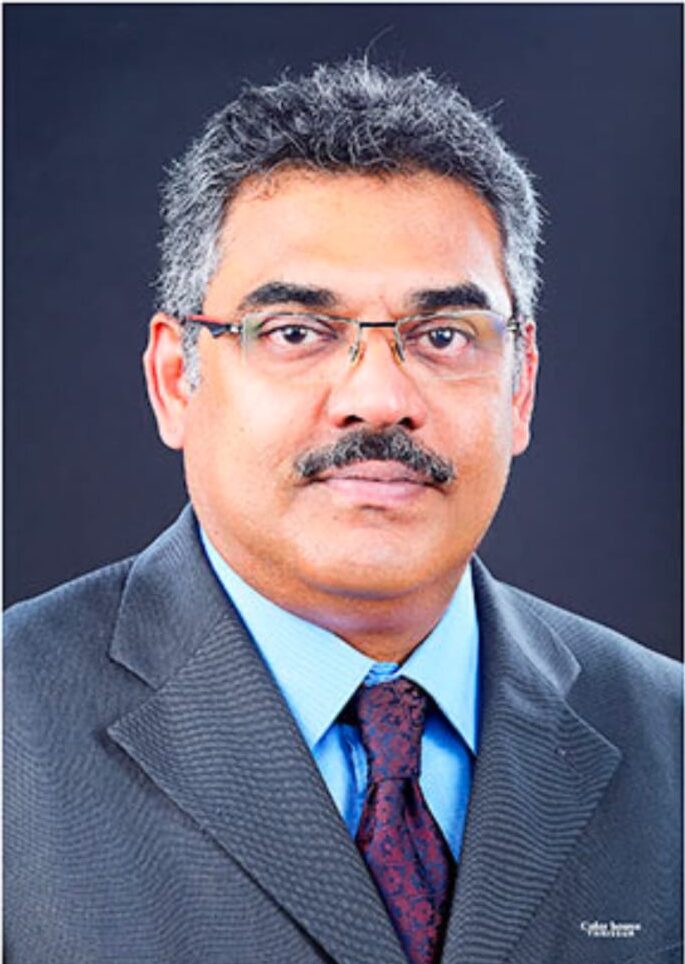
Dr. Pradeep Kumar
Plastic & Reconstructive Surgeon – Brachial Plexus & Nerve Surgery Specialist
Dr. Pradeep Kumar is an experienced plastic and reconstructive surgeon known for his expertise in brachial plexus and peripheral nerve surgery. With extensive microsurgical experience, he focuses on restoring movement and function for patients with complex nerve injuries.
Sushrutha Institute of Plastic Surgery, Elite Mission Hospital, Thrissur