Carpal Tunnel Consultation: Evaluation and Next Steps
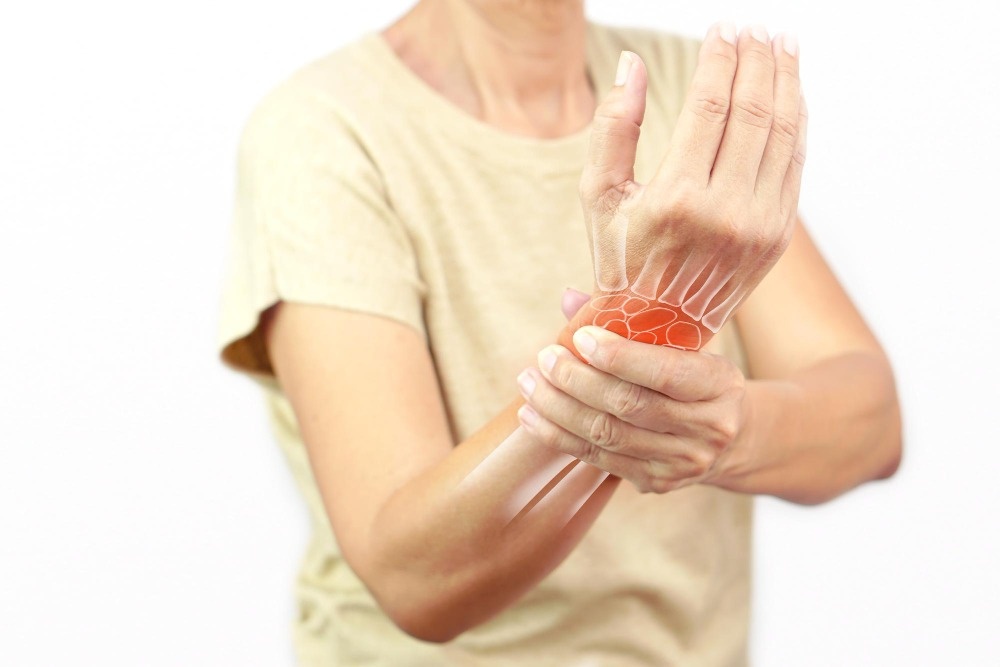
For individuals experiencing persistent hand numbness, tingling, or wrist discomfort in Thrissur, a timely carpal tunnel consultation plays a crucial role in identifying the cause of symptoms and planning appropriate care. A consultation is the first structured step toward understanding whether symptoms are related to carpal tunnel syndrome and determining the most effective next steps for relief and long-term nerve health.
Carpal tunnel consultation focuses on evaluating symptoms, identifying risk factors, confirming nerve involvement, and outlining a personalized management plan. Early consultation helps prevent symptom progression and reduces the risk of permanent nerve damage.
Purpose of a Carpal Tunnel Consultation
The main purpose of a carpal tunnel consultation is to accurately assess whether median nerve compression is responsible for the patient’s symptoms. Hand discomfort can arise from various conditions, and proper evaluation ensures that treatment is directed appropriately.
A consultation also helps determine the severity of nerve involvement, functional impact on daily activities, and urgency of intervention. This structured approach supports informed decision-making and realistic expectations.
Initial Symptom Assessment During Consultation
Understanding Symptom History
The consultation begins with a detailed discussion of symptoms. Patients are asked about the nature of discomfort, including numbness, tingling, pain, burning sensations, or weakness in the hand and fingers.
Key aspects include when symptoms began, how often they occur, whether they worsen at night, and which fingers are affected. Patterns such as night-time numbness or symptom relief after shaking the hand are particularly relevant.
Impact on Daily Activities
Evaluation also includes understanding how symptoms affect daily life. Difficulty gripping objects, buttoning clothes, typing, writing, or using tools provides insight into functional impairment.
Work-related hand use, repetitive movements, and prolonged wrist positions are discussed to identify contributing factors and aggravating activities.
Physical Examination in a Carpal Tunnel Consultation
Hand and Wrist Inspection
Physical examination focuses on the wrist and hand. The examiner checks for swelling, tenderness, reduced range of motion, and visible muscle changes, especially at the base of the thumb.
Muscle wasting in this area may indicate long-standing nerve compression and influences the urgency of further intervention.
Sensory and Strength Testing
Sensation in the fingers supplied by the median nerve is assessed using light touch or pinprick testing. Grip strength and thumb movement are also evaluated to identify weakness or coordination loss.
Simple wrist positioning or tapping maneuvers may be performed to reproduce symptoms, helping confirm nerve involvement.
Identifying Risk Factors During Consultation
A thorough consultation includes identifying factors that increase the likelihood of carpal tunnel syndrome. These may include repetitive hand use, prolonged computer work, manual labor, or frequent wrist bending.
Medical conditions such as diabetes, thyroid disorders, inflammatory joint conditions, and fluid retention can contribute to nerve compression. Hormonal changes may also influence symptom development.
Recognizing these factors helps guide both treatment planning and preventive strategies.
Diagnostic Tests Discussed During Consultation
Nerve Conduction Studies
In some cases, diagnostic testing is recommended to confirm the diagnosis and assess severity. Nerve conduction studies measure how efficiently electrical signals travel through the median nerve.
Delayed signal transmission indicates nerve compression and helps differentiate carpal tunnel syndrome from other nerve conditions.
Additional Testing When Needed
Electromyography may be used alongside nerve studies to evaluate muscle response. Imaging studies are occasionally considered to rule out other wrist or nerve pathologies if symptoms are atypical.
Not all patients require testing, and the decision is made based on clinical findings and symptom severity.
Interpreting Consultation Findings
After completing the evaluation, findings are reviewed to determine whether symptoms align with carpal tunnel syndrome and to classify severity as mild, moderate, or severe.
This classification plays a key role in deciding next steps. Mild cases often benefit from conservative measures, while severe cases may require more advanced intervention.
Clear explanation of findings helps patients understand their condition and the rationale behind recommended management.
Next Steps After a Carpal Tunnel Consultation
Conservative Management Planning
For early or mild cases, next steps usually involve non-surgical management. This may include wrist splinting, activity modification, ergonomic adjustments, and guided exercises.
Patients receive education on wrist positioning, symptom monitoring, and lifestyle changes that reduce nerve strain.
Monitoring and Follow-Up
Follow-up is an important part of the consultation process. Patients are advised on how long to try conservative measures and which symptoms indicate improvement or worsening.
Regular reassessment ensures that treatment remains effective and adjustments are made when necessary.
Escalation of Care if Needed
If symptoms persist despite initial management, or if nerve compression is moderate to severe, the next steps may involve advanced treatment options.
This stepwise approach ensures that intervention intensity matches symptom severity, reducing unnecessary procedures while protecting nerve health.
Importance of Early Consultation
Early consultation improves treatment outcomes by addressing nerve compression before permanent damage occurs. Mild symptoms are often reversible, while delayed care increases the risk of persistent numbness and weakness.
Consultation also provides reassurance, clarifies diagnosis, and reduces anxiety associated with unexplained hand symptoms.
Patient Education During Consultation
Education is a key component of consultation. Patients learn about wrist anatomy, causes of nerve compression, and how daily habits influence symptoms.
Understanding the condition empowers patients to actively participate in their care and adopt preventive measures that support long-term hand function.
Preparing for a Carpal Tunnel Consultation
Patients are encouraged to note symptom patterns, duration, and triggers before the consultation. Listing daily activities that worsen symptoms can be helpful.
Wearing comfortable clothing and avoiding wrist supports immediately before evaluation may allow for more accurate examination findings.
Long-Term Planning After Consultation
A carpal tunnel consultation is not a one-time event but the beginning of a management pathway. Long-term planning focuses on symptom control, prevention of recurrence, and maintenance of hand strength.
With proper evaluation and timely next steps, many individuals achieve significant improvement and return to normal activities.
Conclusion
Carpal tunnel consultation focuses on thorough evaluation and clear next steps to manage median nerve compression effectively. By assessing symptoms, examining hand function, identifying risk factors, and planning appropriate care, consultation sets the foundation for successful outcomes.
Whether symptoms are mild or advanced, early consultation supports informed decisions and better nerve protection. For individuals seeking structured evaluation and guidance in Thrissur, a comprehensive carpal tunnel consultation helps ensure timely relief and long-term hand health.
Table Of Content
Brief overview of treatment approaches for carpal tunnel syndrome Learn more
Factors influencing treatment expenses. Learn more
Possible risks and complications of treatment. Learn more
Basic tests are reviewed, medications adjusted if needed, and the hand is cleaned and numbed before the procedure. Learn more
A small incision is made at the wrist and the tight ligament is released to relieve pressure on the nerve. Learn more
What to expect before and after carpal tunnel syndrome treatment helps individuals feel more prepared and confident about the recovery journey. Learn more
Frequently Asked Questions
1. What is the purpose of a carpal tunnel consultation?
A carpal tunnel consultation helps evaluate symptoms, confirm whether the median nerve is involved, and determine the most appropriate next steps for management.
2. When should I seek a consultation for carpal tunnel symptoms?
A consultation is recommended if numbness, tingling, wrist pain, or hand weakness persists or interferes with daily activities.
3. What happens during a carpal tunnel consultation?
The consultation includes a symptom review, physical examination of the hand and wrist, and discussion of possible causes and treatment options.
4. Will tests be required during the consultation?
Not always. Tests such as nerve conduction studies are suggested only when needed to confirm diagnosis or assess severity.
5. How long does a carpal tunnel consultation usually take?
Most consultations are completed within a single visit, depending on symptom complexity and examination findings.
6. Can carpal tunnel syndrome be diagnosed during the first consultation?
In many cases, diagnosis can be made based on history and examination. Additional tests may be advised if findings are unclear.
7. What are the next steps after the consultation?
Next steps may include conservative management, monitoring symptoms, or planning further treatment based on severity.
8. Is surgery discussed during the consultation?
Surgery is discussed only when symptoms are severe or do not improve with initial treatment approaches.
9. How should I prepare for a carpal tunnel consultation?
Preparing notes on symptom duration, triggers, and daily activities helps ensure an effective evaluation.
10. Why is early consultation important for carpal tunnel syndrome?
Early consultation helps prevent worsening symptoms, reduces the risk of permanent nerve damage, and improves treatment outcomes.