What Results Should I Expect After Brachial Plexus Surgery?
For individuals undergoing treatment in Thrissur, understanding the expected outcomes after brachial plexus surgery is an important part of recovery planning. Brachial plexus surgery is performed to improve nerve function, restore movement, reduce pain, and enhance overall arm and shoulder function. Results vary from person to person depending on the type of injury, timing of surgery, surgical technique, and commitment to rehabilitation. Having realistic expectations helps patients stay motivated and actively participate in long-term recovery.
Understanding the Purpose of Brachial Plexus Surgery Outcomes
The primary goal of brachial plexus surgery is to restore communication between the brain and the affected muscles by repairing or rerouting damaged nerves. Unlike procedures that offer immediate visible changes, nerve surgery focuses on gradual biological healing. Results often develop slowly as nerves regenerate and muscles relearn movement patterns.
Improvement is usually measured by functional gains such as better arm control, increased strength, improved sensation, and reduced discomfort rather than instant restoration of normal function.
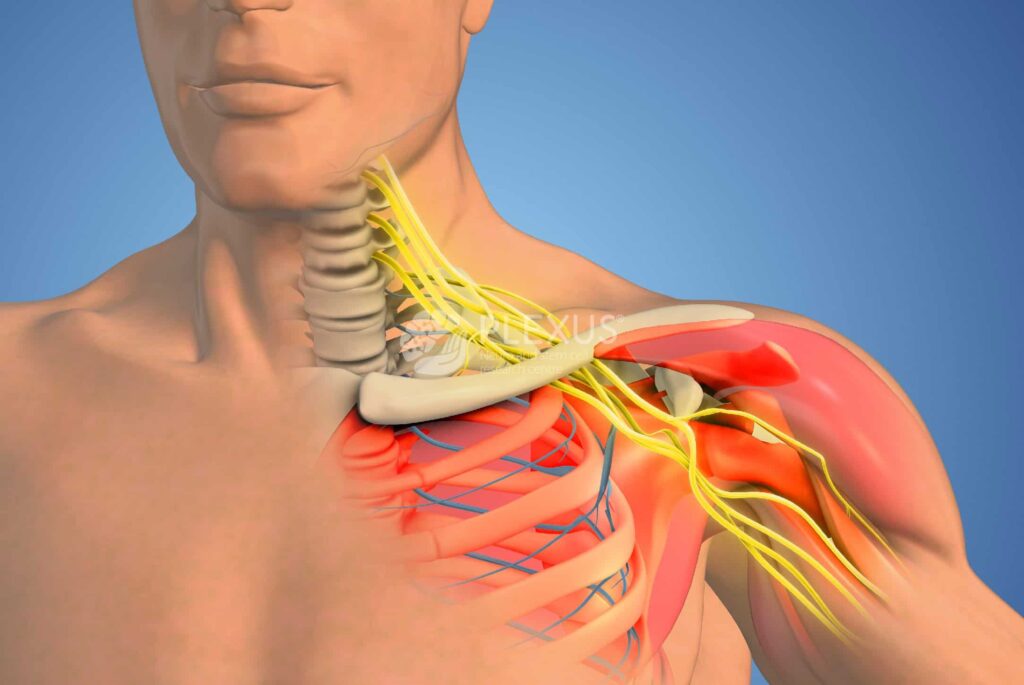
Early Recovery Results After Surgery
In the initial weeks following surgery, patients may notice limited visible improvement in movement or sensation. This phase is mainly focused on healing of surgical wounds and stabilization of repaired nerves.
Common early observations include mild swelling, temporary stiffness, and controlled discomfort. These effects are expected and usually improve with time and proper postoperative care. At this stage, the focus is on protecting the surgical area and preventing complications.
Gradual Improvement in Nerve Function
Nerve regeneration occurs slowly, typically at a rate of approximately one millimeter per day. Because of this, functional improvements often take several months to appear. Patients may first notice subtle signs such as muscle twitching, tingling sensations, or slight voluntary movement.
Over time, these small changes may progress into more noticeable improvements in strength and coordination. Patience is essential during this phase, as progress is gradual and varies between individuals.
Restoration of Muscle Strength
One of the major expected results of brachial plexus surgery is improved muscle strength in the affected arm or shoulder. As nerves reconnect with muscles, weakened or paralyzed muscles may gradually regain function.
Strength recovery usually follows a stepwise pattern. Patients may first achieve basic movement, followed by improved control, and eventually better endurance. Full strength restoration may not always be possible, but even partial improvement can significantly enhance daily activities.
Improvement in Arm and Hand Movement
Many patients experience better control of shoulder, elbow, wrist, or hand movements after surgery. The extent of movement recovery depends on which nerves were affected and the type of surgical repair performed.
Functional improvements may include the ability to lift the arm, bend the elbow, grip objects, or perform coordinated hand movements. These gains can increase independence and reduce reliance on assistance for daily tasks.
Sensory Recovery Expectations
In addition to motor improvement, some patients experience partial return of sensation in areas affected by nerve damage. Sensory recovery may involve improved awareness of touch, temperature, or pressure.
Sensory improvement often develops alongside motor recovery but may progress at a different pace. While full sensation may not always return, even partial recovery can enhance safety and reduce the risk of unnoticed injuries.
Pain Reduction and Comfort Improvements
Chronic nerve-related pain is common in brachial plexus injuries. After surgery, many patients report a reduction in nerve pain or discomfort over time. Pain relief may occur gradually as nerve healing progresses and inflammation decreases.
Some individuals may still experience occasional discomfort or altered sensations, but improved nerve stability often contributes to better long-term comfort and quality of life.
Functional Independence in Daily Activities
One of the most meaningful results of brachial plexus surgery is improved ability to perform daily activities. Patients may gradually regain skills such as dressing, eating, personal hygiene, lifting light objects, and performing work-related tasks.
Functional independence depends on the extent of recovery and adherence to rehabilitation programs. Even moderate improvements can significantly enhance personal confidence and daily productivity.
Role of Rehabilitation in Achieving Results
Physical therapy and rehabilitation play a critical role in maximizing surgical outcomes. Exercises help prevent muscle stiffness, improve joint mobility, and strengthen recovering muscles.
Occupational therapy may also be recommended to improve fine motor skills and adapt daily activities. Consistent participation in therapy programs often leads to better long-term functional outcomes and faster progress.
Timeline for Expected Results
Recovery after brachial plexus surgery is a long-term process. Early healing usually takes a few weeks, but nerve regeneration and functional improvement can continue for one to two years or longer.
Patients should expect gradual milestones rather than sudden changes. Regular follow-up evaluations help track progress and adjust rehabilitation strategies as needed.
Factors That Influence Surgical Results
Several factors affect the final outcome after brachial plexus surgery:
Severity and location of nerve injury
Time between injury and surgery
Type of surgical technique used
Age and general health of the patient
Commitment to rehabilitation and follow-up care
Understanding these factors helps set realistic expectations and supports better recovery planning.
Emotional and Psychological Improvements
Recovery is not limited to physical outcomes. Many patients experience emotional benefits as function improves. Regaining movement and independence often leads to better self-esteem, reduced stress, and improved mental well-being.
Support from family, therapists, and healthcare providers also plays an important role in maintaining motivation throughout the recovery process.
Long-Term Outcome Expectations
Long-term results depend on the extent of nerve healing and muscle adaptation. Some patients achieve significant functional recovery, while others may experience partial improvement that still enhances quality of life.
Even when complete restoration is not possible, surgical intervention often prevents further deterioration and supports stable long-term function.
Preparing for Life After Surgery
Adapting daily routines and lifestyle habits can support better outcomes. This may include maintaining a healthy diet, avoiding strain on the affected limb, following therapy instructions, and staying physically active within recommended limits.
These supportive measures contribute to sustained recovery and long-term functional improvement.
Summary of Expected Results
After brachial plexus surgery, patients can expect gradual improvements in movement, strength, sensation, and comfort. Functional independence often increases with time and rehabilitation. Pain reduction and emotional well-being may also improve as recovery progresses.
Results develop slowly, requiring patience and consistent follow-up care. With proper management, many individuals experience meaningful enhancement in daily function and overall quality of life.
For patients completing treatment and recovery planning in Thrissur, understanding these expected outcomes helps set realistic goals and supports informed participation in the healing process.
Frequently Asked Questions
1. When will I start seeing results after brachial plexus surgery?
Most patients begin to notice early signs of nerve recovery within a few months, while significant improvement may take longer.
2. Will arm movement improve after brachial plexus surgery?
Many patients experience improved arm and shoulder movement, depending on the severity of the nerve injury.
3. Is full recovery possible after brachial plexus surgery?
Complete recovery is not always possible, but partial functional improvement is common.
4. How long does nerve healing take after brachial plexus surgery?
Nerve regeneration is slow and may continue for one to two years or longer.
5. Will pain reduce after brachial plexus surgery?
Many patients experience gradual reduction in nerve-related pain as healing progresses.
6. Can sensation return after brachial plexus surgery?
Some patients experience partial return of sensation, improving awareness and limb safety.
7. Does rehabilitation affect surgical results?
Yes, physical and occupational therapy play an important role in improving strength and mobility.
8. Will I be able to perform daily activities independently after surgery?
Many patients achieve better independence in daily activities, depending on recovery progress.
9. Are results permanent after brachial plexus surgery?
Functional improvements are generally long-lasting when proper rehabilitation and care are maintained.
10. Is follow-up necessary to monitor recovery results?
Yes, regular follow-up helps track nerve healing and adjust rehabilitation plans.
The brachial plexus is a network of nerves that controls movement and sensation in the shoulder, arm, and hand. Learn more
A good candidate for brachial plexus treatment is someone with ongoing arm weakness or paralysis from nerve injury that has not improved naturally. Learn more
The exact cost can only be determined after a detailed clinical evaluation and imaging studies, as each brachial plexus injury is unique. Learn more
Brachial plexus injuries can arise from a wide range of causes. Learn more
Common symptoms of brachial plexus injuries include weakness or paralysis of the arm, loss of sensation, nerve pain, and difficulty moving the shoulder, elbow, or hand. Learn more
Brachial plexus injuries vary in type and severity, ranging from mild nerve stretching to complete paralysis of the arm depending on which nerves are affected. Learn more
During a brachial plexus consultation, the doctor evaluates symptoms, reviews imaging and nerve studies, examines arm function, and discusses possible treatment options. Learn more
You should ask about the type of nerve injury, surgical options, expected recovery time, risks, and realistic functional outcomes. Learn more
Risks may include incomplete nerve recovery, muscle weakness, stiffness, pain, infection, or complications related to anesthesia. Learn more
The procedure usually involves preoperative evaluation, nerve exploration, repair or grafting, postoperative care, and structured rehabilitation. Learn more
Before-and-after images typically demonstrate changes in arm position, muscle bulk, and functional improvement following treatment. Learn more