Brachial plexus surgery is a highly specialised procedure performed to restore movement, strength, and function in the arm and hand after nerve injury. In places like Thrissur, patients seek brachial plexus surgery following birth-related nerve injuries, road traffic accidents, falls, or trauma that damage the complex network of nerves controlling the upper limb. One of the most common concerns for patients and families is understanding the cost of brachial plexus surgery and what factors influence it.
The cost of brachial plexus surgery can vary widely because each injury is unique and treatment plans are highly individualised. Unlike routine surgical procedures, brachial plexus surgery often involves advanced microsurgical techniques, staged procedures, and prolonged rehabilitation, all of which influence overall expenses.
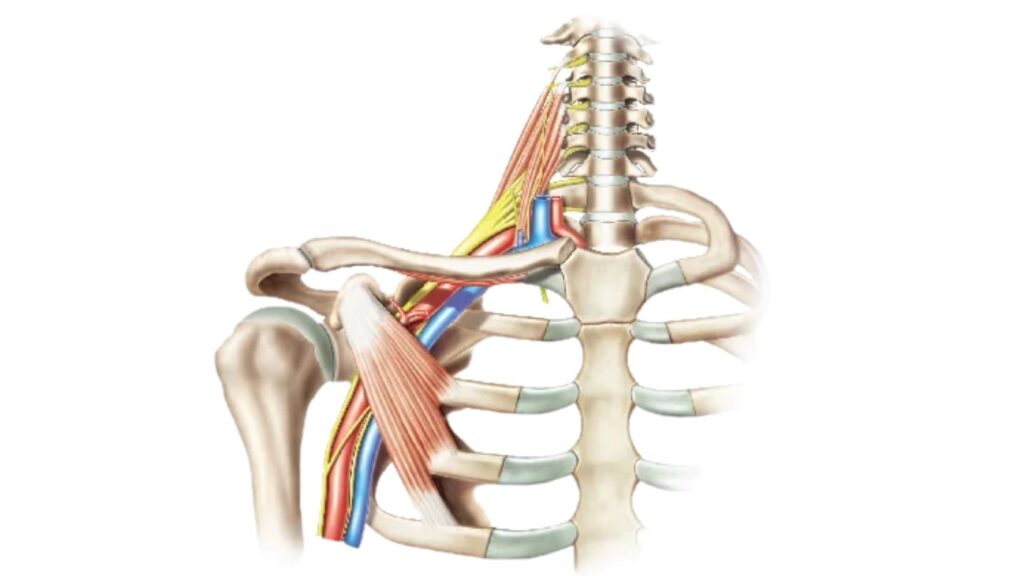
Why the Cost of Brachial Plexus Surgery Varies
Brachial plexus surgery is not a single, standard operation. The cost depends on multiple factors related to the injury, timing of surgery, type of reconstruction required, and post-operative care.
Some patients may require relatively straightforward nerve repair, while others need complex nerve transfers, grafts, muscle transfers, or multiple procedures over time. Because of this variability, costs are usually provided as approximate ranges rather than fixed amounts.
Approximate Cost of Brachial Plexus Surgery in India
The approximate cost of brachial plexus surgery in India generally ranges between:
₹1,50,000 to ₹5,00,000
This is an estimated range and may vary based on individual clinical needs, hospital facilities, and surgical complexity. In advanced or staged reconstructions, the overall cost may be higher due to multiple procedures or extended rehabilitation.
Factors That Influence the Cost of Brachial Plexus Surgery
Type and Severity of Nerve Injury
The extent of nerve damage plays a major role in determining cost. Partial nerve injuries may require simpler procedures, while complete brachial plexus injuries often need complex reconstruction involving multiple nerves or muscles.
More severe injuries generally increase surgical time, technical complexity, and overall expenses.
Type of Surgical Procedure Required
Different surgical techniques carry different cost implications:
Nerve repair tends to be less expensive when the nerve ends can be directly reconnected.
Nerve grafting increases cost due to additional surgical steps and longer operating time.
Nerve transfer surgery is more complex and usually costs more than direct repair.
Muscle or tendon transfer procedures further increase cost due to surgical complexity and rehabilitation needs.
Timing of Surgery
Early surgery, especially in birth-related brachial plexus injuries, may reduce complexity and cost. Delayed cases often require more advanced reconstruction, which can increase expenses.
Timing also affects the number of procedures needed, influencing total cost.
Number of Surgical Stages
Some brachial plexus injuries are managed in staged procedures, where multiple surgeries are planned over months or years.
Each stage involves separate hospital admissions, operating theatre use, and recovery care, which adds to the overall cost.
Hospital Stay and Infrastructure
The duration of hospital stay directly affects expenses. Complex brachial plexus surgeries may require:
Longer operating time
Intensive monitoring
Extended inpatient care
Hospital infrastructure, operating microscope use, specialised instruments, and trained surgical teams all contribute to cost.
Anaesthesia and Operating Time
Brachial plexus surgery often involves prolonged operating time under general anaesthesia. Longer surgeries increase anaesthesia-related costs, operating room charges, and staff involvement.
Post-Surgical Rehabilitation and Physiotherapy
Rehabilitation is a crucial part of brachial plexus recovery. Physiotherapy and occupational therapy may be required for months or even years.
While not always included in surgical estimates, rehabilitation costs should be considered when planning financially for brachial plexus treatment.
Diagnostic Tests and Imaging
Before surgery, patients usually require imaging studies such as MRI, nerve conduction studies, or other diagnostic evaluations. These tests add to the overall cost but are essential for accurate surgical planning.
Cost Differences Between Adult and Birth-Related Brachial Plexus Surgery
Birth-Related Brachial Plexus Surgery
In children, surgery is often planned early to maximise recovery potential. Costs may be lower in early-stage procedures but can increase if multiple reconstructions are needed over time.
Adult Brachial Plexus Surgery
Adult cases, often caused by trauma, are usually more complex. They may require nerve transfers, muscle transfers, or combined procedures, leading to higher overall costs.
What the Cost Usually Includes
The approximate cost of brachial plexus surgery may include:
Surgical procedure charges
Anaesthesia fees
Operation theatre charges
Hospital stay
Basic medications during admission
However, it may not always include:
Long-term physiotherapy
Follow-up visits
Additional staged surgeries
Advanced imaging or tests
It is important to clarify these aspects during cost discussions.
Importance of Individualised Cost Assessment
Because no two brachial plexus injuries are the same, exact costs cannot be determined without detailed evaluation. The surgical plan, expected recovery path, and rehabilitation needs must be carefully assessed before providing accurate estimates.
Patients are encouraged to view cost discussions as part of overall treatment planning rather than a standalone figure.
Financial Planning for Brachial Plexus Surgery
Given the specialised nature of brachial plexus surgery, financial planning is an important step. Understanding approximate costs helps families prepare, explore insurance coverage where applicable, and plan rehabilitation expenses.
Open discussion about costs allows for transparency and informed decision-making.
Why Cost Should Not Be the Only Consideration
While cost is important, brachial plexus surgery focuses on long-term functional recovery rather than immediate results. Surgical expertise, rehabilitation quality, and follow-up care significantly influence outcomes.
Choosing treatment based solely on cost may affect recovery potential, especially in complex nerve injuries.
Long-Term Value of Brachial Plexus Surgery
Although brachial plexus surgery can be expensive, successful reconstruction can significantly improve:
Arm and hand function
Independence in daily activities
Ability to work or study
Quality of life
These long-term benefits often outweigh the initial treatment cost.
Long-Term Value of Brachial Plexus Surgery
Although brachial plexus surgery can be expensive, successful reconstruction can significantly improve:
Arm and hand function
Independence in daily activities
Ability to work or study
Quality of life
These long-term benefits often outweigh the initial treatment cost.
Understanding Cost Without Fear or Pressure
Discussing the cost of brachial plexus surgery is meant to inform, not discourage treatment. Many patients benefit from early planning, clear communication, and realistic expectations regarding expenses.
Awareness allows families to focus on recovery rather than financial uncertainty
Final Thoughts on the Cost of Brachial Plexus Surgery
For individuals considering brachial plexus surgery in Thrissur, understanding the approximate cost helps support informed and confident decision-making. The estimated cost of brachial plexus surgery in India generally ranges from ₹1,50,000 to ₹5,00,000, depending on injury severity, surgical complexity, and rehabilitation needs.
These figures are approximate estimates only. For accurate cost details, personalised evaluation, and clarification based on individual condition, patients are advised to contact the treating doctor directly to discuss treatment options and associated expenses in detail.
Frequently Asked Questions
1. What is brachial plexus surgery?
Brachial plexus surgery is a specialised procedure aimed at restoring movement and function in the arm or hand after nerve injury.
2. Who needs brachial plexus surgery?
It is recommended for individuals with nerve damage caused by birth injuries, trauma, accidents, or tumors affecting the brachial plexus.
3. Is brachial plexus surgery always necessary?
Not all brachial plexus injuries require surgery; some mild injuries may recover with time and therapy.
4. When is the right time to consider brachial plexus surgery?
The timing depends on the type and severity of the injury, as early intervention can improve outcomes in many cases.
5. What types of procedures are involved in brachial plexus surgery?
Procedures may include nerve repair, nerve grafting, nerve transfer, muscle transfer, or tendon transfer based on the injury.
6. Is brachial plexus surgery performed in a single stage?
Some cases require one procedure, while others may need staged surgeries over time for optimal recovery.
7. How long does recovery take after brachial plexus surgery?
Recovery is gradual and may take several months to years, depending on nerve healing and rehabilitation.
8. Will physiotherapy be required after surgery?
Yes, physiotherapy and rehabilitation are essential for regaining strength, movement, and coordination after surgery.
9. Can full arm function be restored after brachial plexus surgery?
Outcomes vary; surgery aims to improve function and independence, but complete recovery may not always be possible.
10. How can I get detailed information about surgery planning and costs?
For personalised evaluation, treatment planning, and detailed cost clarification, it is best to contact the treating doctor directly.
The brachial plexus is a network of nerves that controls movement and sensation in the shoulder, arm, and hand. Learn more
A good candidate for brachial plexus treatment is someone with ongoing arm weakness or paralysis from nerve injury that has not improved naturally. Learn more
Brachial plexus injuries can arise from a wide range of causes. Learn more
Common symptoms of brachial plexus injuries include weakness or paralysis of the arm, loss of sensation, nerve pain, and difficulty moving the shoulder, elbow, or hand. Learn more
Brachial plexus injuries vary in type and severity, ranging from mild nerve stretching to complete paralysis of the arm depending on which nerves are affected. Learn more
During a brachial plexus consultation, the doctor evaluates symptoms, reviews imaging and nerve studies, examines arm function, and discusses possible treatment options. Learn more
Risks may include incomplete nerve recovery, muscle weakness, stiffness, pain, infection, or complications related to anesthesia. Learn more
The procedure usually involves preoperative evaluation, nerve exploration, repair or grafting, postoperative care, and structured rehabilitation. Learn more
Results may include gradual improvement in muscle strength, sensation, and arm function, with recovery progressing over months. Learn more
Before-and-after images typically demonstrate changes in arm position, muscle bulk, and functional improvement following treatment. Learn more