Before and After of Brachial Plexus
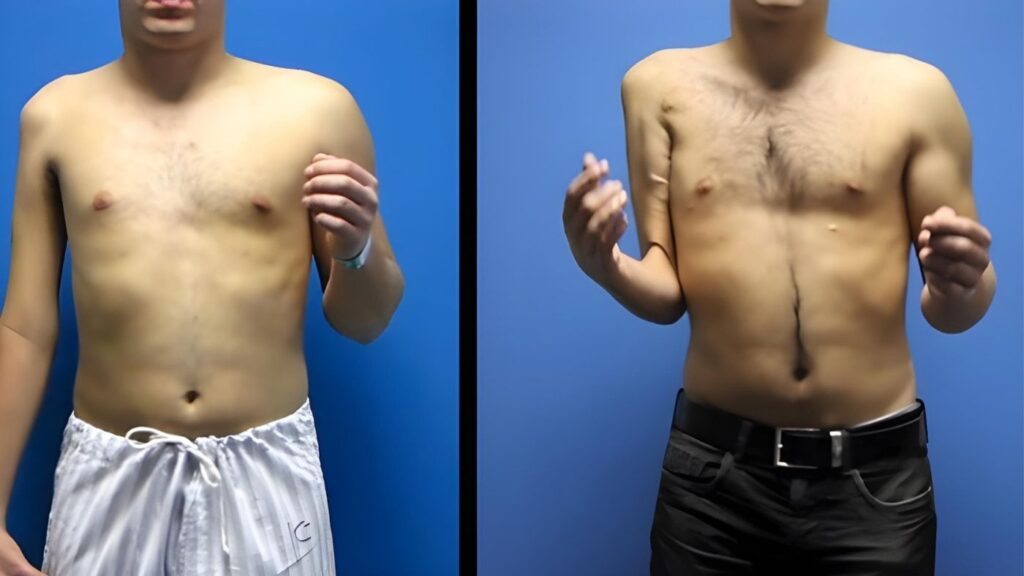
For individuals seeking evaluation and treatment in Thrissur, understanding the differences between the “before” and “after” stages of brachial plexus injury and treatment is essential for setting realistic expectations. The brachial plexus is a network of nerves responsible for controlling movement and sensation in the shoulder, arm, and hand. Injury to this nerve network can significantly affect daily function, comfort, and quality of life. Comparing the condition before treatment and the recovery phase after intervention helps patients prepare mentally, physically, and emotionally for the rehabilitation journey.
Understanding the Brachial Plexus Condition Before Treatment
Before treatment, individuals with brachial plexus injury often experience a combination of physical limitations and sensory disturbances. These symptoms vary depending on the severity, location, and cause of nerve damage. Some patients may have mild weakness, while others may face complete loss of movement in the affected limb.
Common pre-treatment challenges include difficulty lifting the arm, reduced grip strength, limited shoulder mobility, and altered sensation such as numbness or tingling. Pain may also be present, especially in cases involving nerve compression or traumatic injury.
Physical Limitations Before Treatment
Before medical or surgical intervention, muscle weakness is a frequent concern. Damaged nerves fail to send proper signals to muscles, leading to reduced strength and control. This can make simple activities such as dressing, eating, or lifting objects difficult.
Joint stiffness may develop when muscles are not used regularly. Prolonged immobility can also contribute to muscle wasting, further limiting functional ability and increasing discomfort.
Sensory Changes Before Treatment
Many individuals experience sensory disturbances before treatment. These may include numbness, reduced sensitivity to touch, or abnormal sensations such as burning or tingling. In some cases, lack of sensation can increase the risk of unnoticed injuries or burns.
Sensory symptoms may fluctuate in intensity, but persistent nerve damage often results in long-term sensory impairment without appropriate intervention.
Emotional and Psychological Impact Before Treatment
Living with brachial plexus injury can affect emotional well-being. Loss of independence, reduced work capacity, and physical discomfort may lead to stress, anxiety, or frustration. Patients often feel uncertain about recovery prospects and may worry about long-term disability.
Support from healthcare professionals and family members plays a key role in managing emotional challenges during this phase.
Functional Challenges Before Treatment
Daily activities can become demanding before treatment. Tasks requiring arm coordination, such as writing, cooking, or personal grooming, may require assistance or adaptive strategies. Occupational limitations are also common, especially for individuals whose work involves manual tasks.
Reduced functional ability can significantly affect lifestyle and social participation.
Transition Phase: Starting Treatment and Rehabilitation
The transition from the “before” stage to the “after” stage begins with diagnosis and treatment planning. This may involve physical therapy, nerve repair procedures, or structured rehabilitation programs depending on the individual’s condition.
Early intervention aims to prevent further complications such as joint stiffness, muscle atrophy, and worsening nerve damage. This phase is focused on stabilizing the condition and preparing the body for recovery.
Early Changes After Treatment
Immediately after treatment, visible improvement may be limited. Initial recovery is primarily focused on healing tissues and protecting repaired nerves. Swelling, mild discomfort, and temporary movement restrictions are common during this period.
Patients are often advised to follow activity restrictions and rehabilitation protocols carefully to support proper healing and reduce the risk of complications.
Gradual Functional Improvement After Treatment
As recovery progresses, patients may begin to notice gradual improvements in movement and strength. These changes often occur slowly as nerves regenerate and muscles respond to renewed nerve signals.
Early signs of improvement may include slight muscle contractions, better joint stability, or improved coordination. Over time, these small gains can translate into more noticeable functional abilities.
Strength Recovery After Treatment
One of the most significant “after” changes is improvement in muscle strength. With proper rehabilitation, weakened muscles can gradually regain power and endurance. Strength recovery typically follows a stepwise pattern, starting with basic movement and progressing toward improved control.
Although full strength restoration is not always achievable, partial recovery often provides meaningful functional benefits.
Sensory Recovery After Treatment
Some patients experience partial restoration of sensation following treatment. Sensory recovery may involve improved awareness of touch, pressure, or temperature in previously numb areas.
This improvement enhances safety and allows better coordination of hand and arm movements. Sensory changes may continue to evolve over months or years.
Pain Reduction After Treatment
Pain levels often improve after appropriate management and nerve stabilization. Reduced inflammation, improved nerve function, and muscle strengthening can contribute to long-term pain relief.
While some individuals may continue to experience occasional discomfort, many report improved comfort and reduced reliance on pain management strategies over time.
Improved Independence After Treatment
One of the most noticeable “after” changes is increased independence. Patients may gradually resume daily activities with less assistance. Tasks such as dressing, personal care, and household work often become easier as strength and coordination improve.
Improved independence positively impacts confidence and overall quality of life.
Rehabilitation and Its Role in Recovery
Rehabilitation is a critical factor influencing before-and-after outcomes. Physical therapy helps maintain joint mobility, improve muscle strength, and enhance coordination. Occupational therapy focuses on functional skills and adaptive strategies for daily activities.
Consistent participation in rehabilitation programs is associated with better long-term results and improved functional outcomes.
Timeline of Before and After Changes
Recovery from brachial plexus injury is not immediate. Initial healing may take weeks, while nerve regeneration and functional improvement can continue for months or even years. Patients should expect gradual progress rather than rapid transformation.
Setting realistic expectations helps reduce frustration and encourages continued participation in therapy and follow-up care.
Factors Influencing Recovery Outcomes
Several factors affect the degree of improvement seen after treatment:
Severity and location of nerve injury
Time between injury and treatment
Type of intervention used
Age and overall health
Commitment to rehabilitation
Understanding these variables helps patients better interpret their recovery progress.
Lifestyle Adjustments After Treatment
After treatment, patients may need to adapt daily habits to support recovery. This can include avoiding excessive strain, maintaining proper posture, following exercise programs, and practicing joint protection techniques.
Healthy lifestyle choices such as balanced nutrition and regular activity also contribute to improved healing and overall well-being.
Emotional Changes After Recovery Progress
As physical function improves, many patients experience emotional benefits. Increased independence, reduced pain, and improved mobility often lead to greater confidence and emotional stability.
Ongoing support from healthcare providers and family members further enhances psychological recovery.
Importance of Follow-Up Care
Regular follow-up appointments help monitor progress, adjust rehabilitation strategies, and address emerging concerns. Ongoing evaluation ensures that recovery remains on track and supports sustained functional improvement.
Follow-up care also provides an opportunity to update treatment goals based on recovery milestones.
Comparing Before and After: Key Differences
When comparing before and after stages, patients often observe:
Improved arm movement and coordination
Increased muscle strength
Reduced pain and discomfort
Better sensation and awareness
Greater independence in daily activities
These changes highlight the value of structured treatment and rehabilitation.
Summary of Before and After Changes
Before treatment, brachial plexus injury often causes weakness, pain, sensory loss, and functional limitations. After appropriate management, many patients experience gradual improvement in movement, strength, comfort, and independence.
Although recovery timelines and outcomes vary, consistent rehabilitation and follow-up care play a vital role in achieving positive changes.
For individuals completing treatment and rehabilitation planning in Thrissur, understanding these before-and-after differences helps set realistic expectations and supports informed participation in the recovery process.
Frequently Asked Questions
1. What does “before and after” mean in brachial plexus recovery?
It refers to the comparison of symptoms and functional ability before treatment and the improvements seen after medical or surgical management and rehabilitation.
2. Will arm movement improve after brachial plexus treatment?
Many patients experience gradual improvement in arm and shoulder movement, depending on the severity of the nerve injury and response to treatment.
3. How long does it take to see changes after treatment?
Early healing occurs within weeks, but nerve recovery and functional improvement may continue for several months or longer.
4. Is pain reduced after brachial plexus treatment?
Pain often decreases as nerve healing progresses and muscle strength improves, although individual experiences may vary.
5. Can sensation return after brachial plexus recovery?
Some patients regain partial sensation, improving awareness and safety of the affected limb.
6. Does rehabilitation affect before-and-after outcomes?
Yes, consistent physical and occupational therapy significantly influence strength, mobility, and functional recovery.
7. Will I be able to perform daily activities more easily after treatment?
Many patients experience improved independence in daily activities as strength and coordination improve.
8. Are results the same for all brachial plexus patients?
No, recovery outcomes vary based on injury severity, treatment timing, and individual health factors.
9. Is long-term follow-up necessary after treatment?
Yes, regular follow-up helps monitor progress and adjust rehabilitation plans as needed.
10. Can full recovery be expected after brachial plexus treatment?
Full recovery is not always possible, but partial improvement often leads to better function and quality of life.
The brachial plexus is a network of nerves that controls movement and sensation in the shoulder, arm, and hand. Learn more
A good candidate for brachial plexus treatment is someone with ongoing arm weakness or paralysis from nerve injury that has not improved naturally. Learn more
The exact cost can only be determined after a detailed clinical evaluation and imaging studies, as each brachial plexus injury is unique. Learn more
Brachial plexus injuries can arise from a wide range of causes. Learn more
Common symptoms of brachial plexus injuries include weakness or paralysis of the arm, loss of sensation, nerve pain, and difficulty moving the shoulder, elbow, or hand. Learn more
Brachial plexus injuries vary in type and severity, ranging from mild nerve stretching to complete paralysis of the arm depending on which nerves are affected. Learn more
During a brachial plexus consultation, the doctor evaluates symptoms, reviews imaging and nerve studies, examines arm function, and discusses possible treatment options. Learn more
You should ask about the type of nerve injury, surgical options, expected recovery time, risks, and realistic functional outcomes. Learn more
Risks may include incomplete nerve recovery, muscle weakness, stiffness, pain, infection, or complications related to anesthesia. Learn more
The procedure usually involves preoperative evaluation, nerve exploration, repair or grafting, postoperative care, and structured rehabilitation. Learn more
Results may include gradual improvement in muscle strength, sensation, and arm function, with recovery progressing over months. Learn more