Brachial Plexus Surgeon in India
Brachial plexus injuries are complex nerve conditions that affect the shoulder, arm, and hand. Individuals searching for a brachial plexus surgeon in India often require specialized evaluation and advanced surgical care to restore arm function after nerve damage. These injuries occur when the brachial plexus, a network of nerves responsible for movement and sensation in the upper limb, becomes stretched, compressed, or torn.
Because brachial plexus injuries involve delicate nerve structures, treatment requires surgeons trained in microsurgery and nerve reconstruction. Early diagnosis and appropriate surgical planning play a major role in improving recovery outcomes.
Understanding the Brachial Plexus
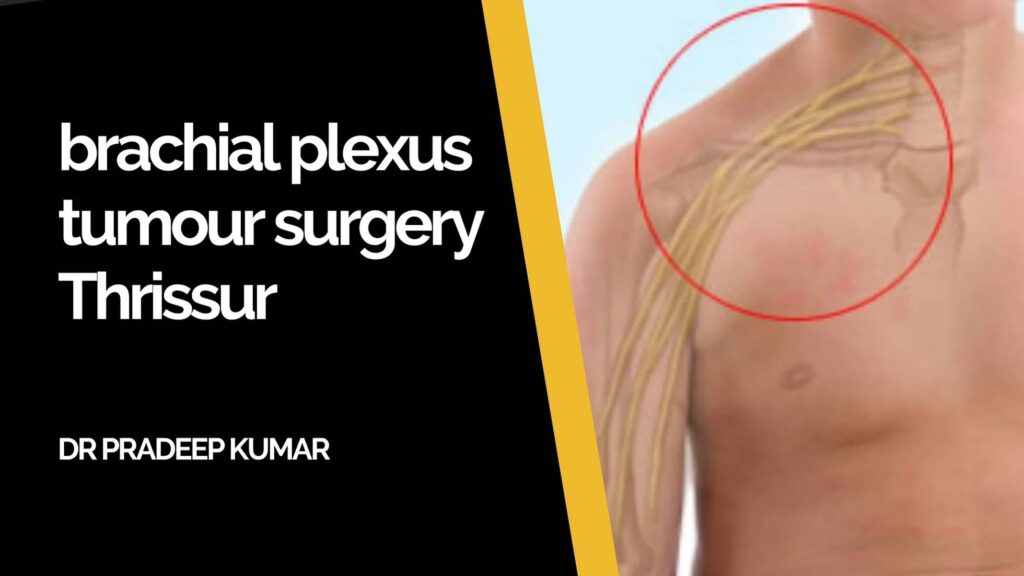
The brachial plexus is a complex network of nerves that originates from the spinal cord in the neck and extends into the shoulder, arm, and hand. These nerves control important functions such as:
Shoulder movement
Arm lifting and rotation
Elbow bending and extension
Wrist and finger movement
Sensation in the hand and arm
Damage to these nerves can disrupt normal movement and sensation, causing weakness, numbness, or severe nerve pain.
Causes of Brachial Plexus Injuries
Several situations can lead to injury of the brachial plexus nerves. Understanding these causes helps determine the need for surgical treatment.
Traumatic Injuries
High-impact accidents such as road traffic collisions, falls, or sports injuries are common causes. These incidents may stretch or tear the nerve roots from the spinal cord.
Birth-Related Injuries
In some cases, brachial plexus injuries occur during childbirth due to excessive traction on the infant’s shoulder during delivery.
Penetrating Injuries
Sharp trauma such as cuts or penetrating wounds may damage the nerve structures.
Tumor or Compression
Rarely, tumors or structural abnormalities may compress the brachial plexus nerves and lead to progressive symptoms.
When these injuries cause significant nerve damage, consultation with a brachial plexus surgeon in India may be necessary.
Symptoms of Brachial Plexus Injury
Symptoms depend on the severity of nerve damage and which nerves are affected. Common signs include:
Weakness in the shoulder, arm, or hand
Loss of sensation in the upper limb
Severe burning or shooting nerve pain
Difficulty lifting the arm
Reduced grip strength
Limited shoulder movement
Muscle wasting in severe cases
Some patients experience partial nerve damage with mild symptoms, while others may develop complete paralysis of the arm.
When to Consult a Brachial Plexus Surgeon
Consultation with a brachial plexus surgeon in India is recommended when symptoms persist or worsen after an injury. Early medical evaluation improves the chances of successful treatment.
Situations that require specialist consultation include:
Persistent arm weakness after trauma
Severe nerve pain in the shoulder or arm
Loss of hand or finger movement
Reduced arm sensation
No improvement after several weeks of conservative care
Timely surgical assessment helps prevent long-term nerve damage.
Diagnostic Evaluation for Brachial Plexus Injuries
Accurate diagnosis is essential before planning surgical treatment. Evaluation usually involves a combination of clinical examination and advanced imaging tests.
Physical Examination
The surgeon assesses muscle strength, reflexes, and sensation in the shoulder, arm, and hand to determine the extent of nerve involvement.
MRI Scanning
Magnetic resonance imaging helps visualize nerve damage, swelling, or root avulsion from the spinal cord.
Nerve Conduction Studies
These tests evaluate how well electrical signals travel through the nerves.
Electromyography (EMG)
EMG helps determine whether muscles are receiving proper nerve signals.
These investigations guide treatment decisions and determine whether surgery is necessary.
Surgical Treatment for Brachial Plexus Injuries
When conservative treatments are insufficient, surgery may be required to restore nerve function. A brachial plexus surgeon in India may perform different procedures depending on the injury pattern.
Nerve Repair
If the nerve ends are still close together, direct repair may be possible by reconnecting the damaged nerve.
Nerve Grafting
When nerve segments are missing or severely damaged, a graft from another nerve may be used to bridge the gap.
Nerve Transfer
In nerve transfer surgery, a functioning nerve is redirected to restore movement to a paralyzed muscle.
Muscle or Tendon Transfer
In chronic cases, muscle or tendon transfer procedures may improve arm movement and strength.
Each surgical method aims to restore nerve signals to affected muscles.
Timing of Brachial Plexus Surgery
The timing of surgery is an important factor in nerve recovery. Nerve tissue has a limited capacity to regenerate, and delays may reduce the chances of successful outcomes.
In many cases, surgery is recommended within a few months after injury if natural recovery does not occur.
Early consultation with a brachial plexus surgeon in India allows for proper monitoring and timely intervention when needed.
Recovery After Brachial Plexus Surgery
Recovery following nerve surgery is gradual because nerve regeneration occurs slowly. Patients typically experience improvement over several months or even years.
Recovery stages may include:
Gradual return of sensation
Improvement in muscle strength
Increased range of arm movement
Improved hand coordination
Rehabilitation therapy plays a crucial role in maximizing surgical results.
Rehabilitation and Physiotherapy
Physiotherapy is an essential part of recovery after brachial plexus surgery. Rehabilitation programs are designed to maintain joint mobility and strengthen recovering muscles.
Common rehabilitation methods include:
Range-of-motion exercises
Muscle strengthening programs
Nerve stimulation therapy
Functional training for daily activities
Consistent physiotherapy helps improve long-term functional outcomes.
Long-Term Outlook for Brachial Plexus Surgery
The success of brachial plexus surgery depends on several factors including the severity of injury, timing of treatment, and rehabilitation efforts.
Many individuals experience significant improvement in arm movement and function after surgery. However, full recovery may not always be possible in severe cases.
Even partial restoration of nerve function can greatly improve independence and quality of life.
Importance of Early Specialist Care
Because brachial plexus injuries are complex, early specialist evaluation plays a major role in treatment success. Prompt assessment helps identify the type of nerve damage and determine whether surgery is required.
Seeking consultation with a brachial plexus surgeon in India allows patients to receive structured diagnosis, appropriate treatment planning, and long-term rehabilitation guidance.
Conclusion
Brachial plexus injuries can significantly affect arm movement, strength, and sensation. These conditions require specialized medical care because of the complexity of the nerve structures involved.
A brachial plexus surgeon in India focuses on diagnosing nerve injuries and providing advanced surgical treatment such as nerve repair, grafting, or transfer procedures. Early diagnosis, timely surgery, and consistent rehabilitation greatly improve the chances of restoring arm function.
Understanding the symptoms, treatment options, and recovery process helps patients make informed decisions and seek appropriate care for long-term nerve health.
Frequently Asked Questions
A brachial plexus surgeon specializes in diagnosing and treating nerve injuries affecting the shoulder, arm, and hand.
Common causes include accidents, sports injuries, birth-related trauma, and severe shoulder injuries.
Mild injuries may recover naturally with therapy, while severe nerve damage may require surgery.
Procedures may include nerve repair, nerve grafting, nerve transfer, and muscle transfer surgery.
Recovery may take several months to years depending on nerve healing and rehabilitation.
Yes, physiotherapy is essential to restore strength, mobility, and arm function.
Outcomes vary depending on the severity of the injury and timing of treatment.
Consultation is recommended if arm weakness, numbness, or nerve pain persists after injury.
Some severe injuries may cause long-term damage, but early treatment can improve outcomes.
Doctors may use MRI scans, nerve conduction studies, EMG tests, and physical examination.