Brachial plexus injuries are among the most complex and life-altering nerve conditions affecting the human body, often resulting in partial or complete loss of movement, sensation, and functional independence of the upper limb. These injuries demand a highly specialized level of medical expertise, advanced microsurgical techniques, and a comprehensive rehabilitation strategy. For patients across Kerala and South India, consulting a trusted brachial plexus specialist in Thrissur has become an essential step toward meaningful recovery and long-term functional restoration.
Thrissur has steadily evolved into a prominent center for advanced peripheral nerve surgery, offering patients access to specialized care for brachial plexus injuries, nerve damage, and complex reconstructive procedures. This blog provides an in-depth understanding of brachial plexus conditions, available treatment options, surgical innovations, and why Thrissur stands out as a destination for expert nerve care.
Understanding the Brachial Plexus
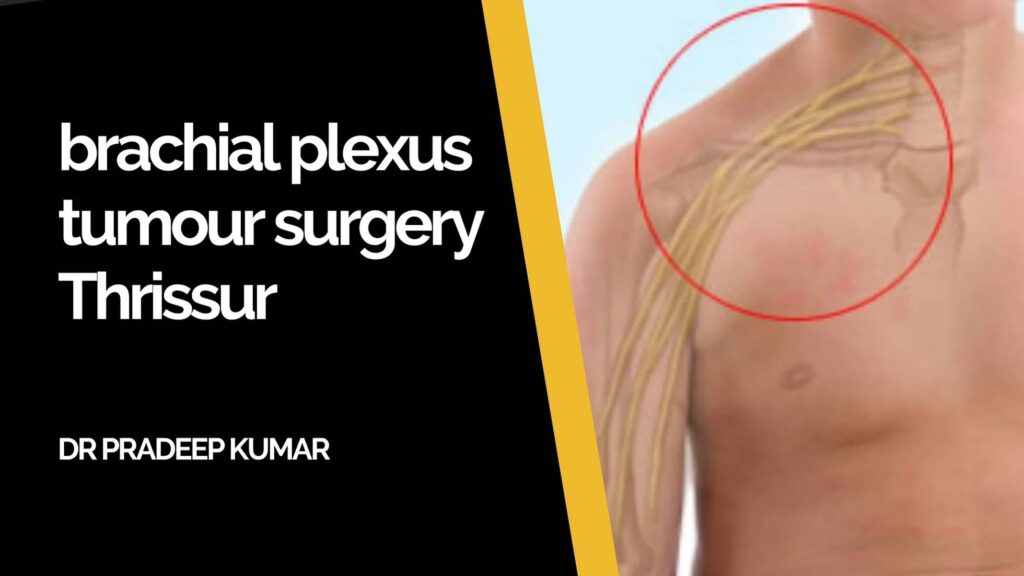
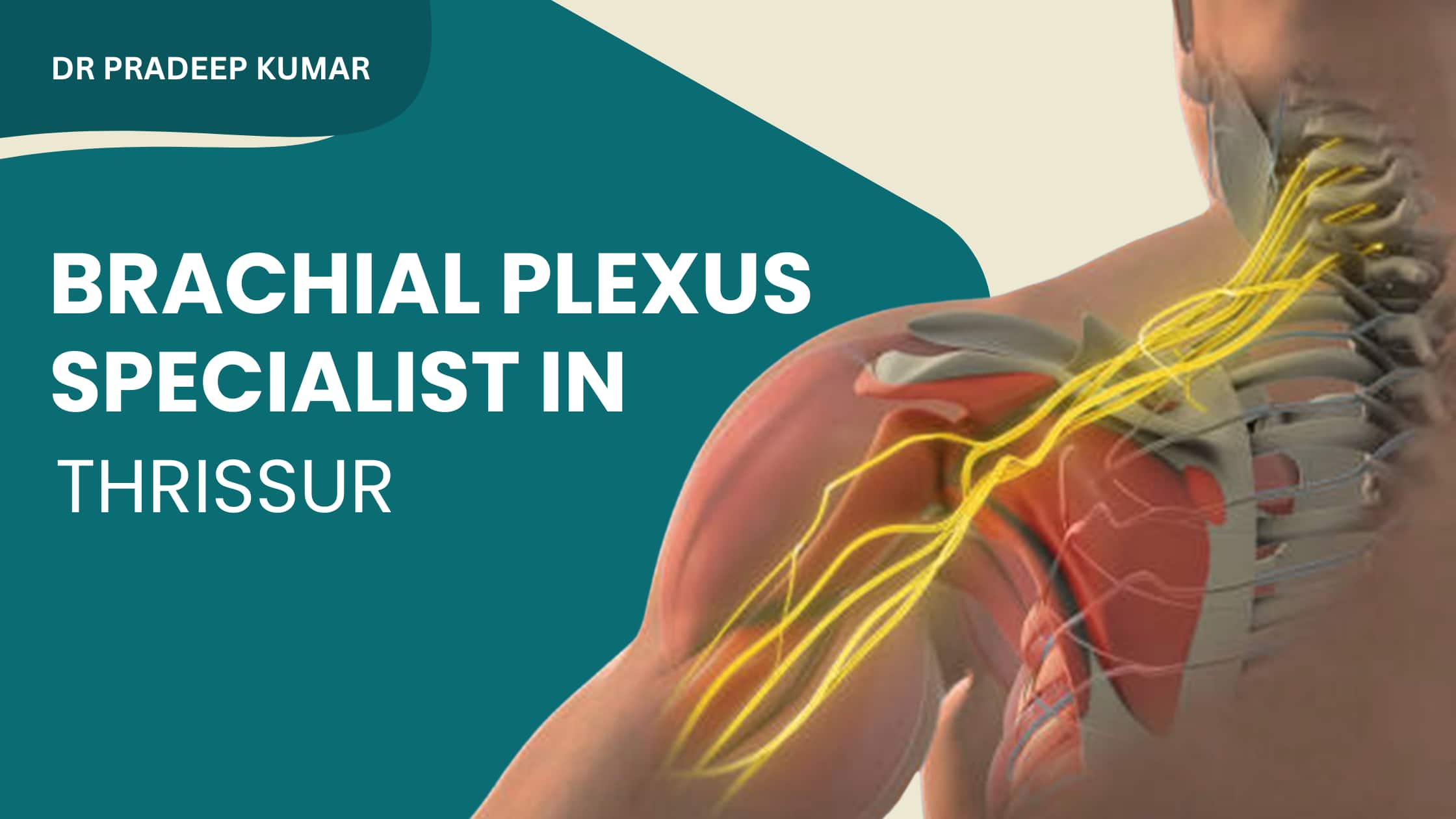
The brachial plexus is a complex network of nerves originating from the cervical spinal cord and extending through the neck, shoulder, and arm. It plays a crucial role in controlling muscle movement and sensation in the shoulder, arm, forearm, and hand. Because of its intricate anatomy and critical function, even minor injuries to this nerve network can lead to significant disability.
Damage to the brachial plexus may disrupt communication between the brain and the upper limb muscles, leading to weakness, loss of coordination, sensory disturbances, or complete paralysis. The severity of symptoms depends on the extent and location of the nerve injury, making accurate diagnosis and specialized management essential.
Causes of Brachial Plexus Injuries
Brachial plexus injuries can occur in both infants and adults, though the causes differ significantly.
Traumatic Injuries in Adults
In adults, brachial plexus damage is most commonly associated with high-impact trauma, including:
Road traffic accidents, especially motorcycle accidents
Falls from height
Industrial or workplace injuries
Sports-related trauma
Penetrating injuries such as knife wounds
These injuries may stretch, tear, or completely avulse nerves from the spinal cord, resulting in severe functional impairment.
Birth-Related Brachial Plexus Palsy
In newborns, excessive traction during difficult deliveries may lead to brachial plexus birth palsy. While some cases recover spontaneously, others require surgical intervention if improvement does not occur within the first few months of life.
Common Symptoms of Brachial Plexus Injury
Patients with brachial plexus injuries may experience a wide range of symptoms, including:
Loss of shoulder movement
Inability to bend or straighten the elbow
Weak or absent hand grip
Numbness or reduced sensation
Burning or electric shock–like pain
Muscle wasting over time
Complete paralysis of the upper limb in severe cases
Because nerve regeneration is time-sensitive, early evaluation by a brachial plexus specialist in Thrissur is critical for achieving the best possible outcome.
Why Specialized Care Is Essential
Brachial plexus injuries cannot be managed effectively through general orthopedic or neurological care alone. These conditions require a specialist with advanced training in:
Peripheral nerve anatomy
Microsurgical nerve repair
Nerve grafting and nerve transfer techniques
Functional reconstruction of the upper limb
Long-term rehabilitation planning
A dedicated brachial plexus specialist understands not only how to repair damaged nerves but also how to restore meaningful movement and function tailored to each patient’s lifestyle and needs.
Why Thrissur Is a Leading Destination for Brachial Plexus Treatment
Over the years, Thrissur has gained recognition as a center of excellence for plastic, reconstructive, and peripheral nerve surgery. Patients seeking a brachial plexus specialist in Thrissur benefit from several advantages.
Advanced Microsurgical Expertise
Thrissur is home to specialized reconstructive surgery units equipped with high-powered operating microscopes and precision instruments required for delicate nerve procedures. These facilities enable surgeons to perform complex nerve repairs and reconstructions with exceptional accuracy.
Comprehensive Diagnostic Facilities
Accurate diagnosis is the foundation of effective treatment. Specialized centers in Thrissur offer advanced investigations such as:
MRI and CT myelography
Nerve conduction studies (NCS)
Electromyography (EMG)
Ultrasound evaluation of peripheral nerves
These tools help determine the type, level, and severity of nerve damage, allowing for precise surgical planning.
Multidisciplinary Approach
Successful treatment of brachial plexus injuries requires collaboration between multiple specialties, including reconstructive surgeons, neurologists, physiotherapists, pain specialists, and occupational therapists. Thrissur’s integrated care model ensures that patients receive holistic and continuous treatment.
Conditions Treated by a Brachial Plexus Specialist in Thrissur
Specialized nerve surgery units in Thrissur manage a broad spectrum of conditions, including:
Brachial Plexus Conditions
Erb’s palsy
Total brachial plexus palsy
Upper brachial plexus palsy
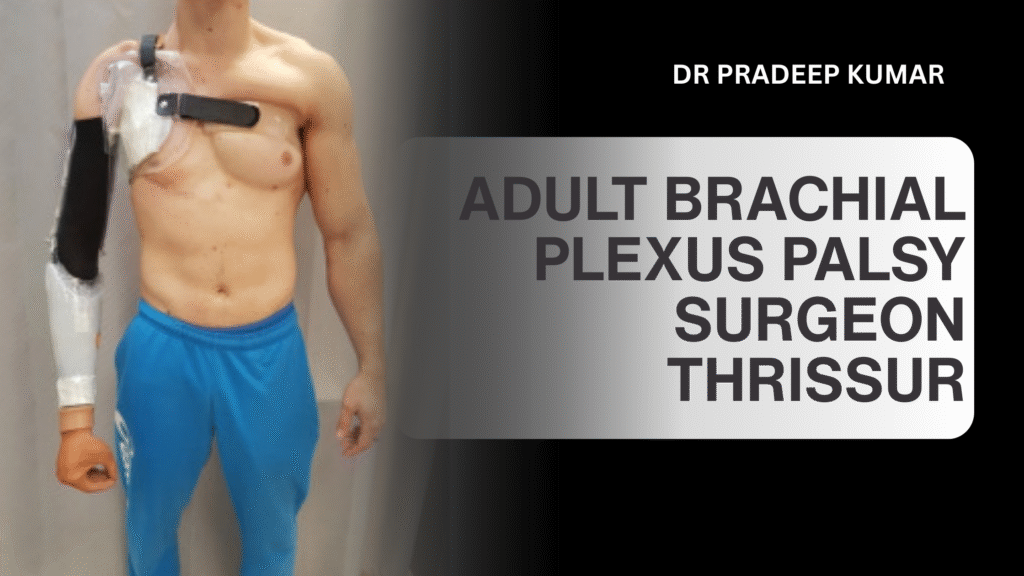
Adult traumatic brachial plexus palsy
Brachial plexus tumors
Peripheral Nerve Disorders
Nerve injury and repair
Traumatic neuromas
Nerve tumors
Compression neuropathies
Nerve Entrapment Syndromes
Carpal tunnel syndrome
Cubital tunnel syndrome
Tarsal tunnel syndrome
Thoracic outlet syndrome
Foot drop due to peroneal nerve injury
Facial Nerve Conditions
Facial palsy
Facial nerve preservation during head and neck surgeries
Treatment Options for Brachial Plexus Injuries
Treatment strategies depend on the severity, duration, and pattern of nerve injury. A brachial plexus specialist in Thrissur tailors treatment to each patient’s unique condition.
Non-Surgical Management
In selected cases, especially mild injuries, non-surgical treatment may be considered initially. This includes:
Physiotherapy to maintain joint mobility
Pain management for neuropathic pain
Close monitoring for spontaneous nerve recovery
However, many moderate to severe injuries require surgical intervention for meaningful recovery.
Advanced Surgical Procedures
Nerve Repair
When nerve ends are cleanly severed and viable, direct microsurgical repair may be performed to reconnect the nerve ends and restore continuity.
Nerve Grafting
If a gap exists between injured nerve ends, nerve grafts harvested from other parts of the body are used to bridge the defect and allow nerve regeneration.
Nerve Transfer
Nerve transfer is a highly advanced technique where a functioning donor nerve is redirected to restore function to a paralyzed muscle. This procedure is especially valuable in cases where primary nerve roots are irreparably damaged.
Nerve Decompression
In cases where nerves are compressed by scar tissue or anatomical structures, decompression surgery relieves pressure and improves nerve function.
Tendon Transfer
When nerve recovery is incomplete or delayed, tendon transfers can restore specific movements by reassigning tendons from functioning muscles.
Muscle Transfer
In chronic cases with severe muscle atrophy, muscle transfer procedures may be performed to restore essential movements and improve limb function.
Role of Rehabilitation in Recovery
Surgery is only one part of the recovery journey. Rehabilitation plays a decisive role in determining long-term outcomes.
Physiotherapy
Physiotherapy focuses on maintaining joint flexibility, strengthening reinnervated muscles, improving coordination, and preventing stiffness.
Occupational Therapy
Occupational therapy helps patients relearn daily activities, improve fine motor skills, and adapt to functional limitations.
Long-Term Follow-Up
Nerve regeneration is a slow process, often taking months or years. Regular follow-ups allow specialists to monitor progress, adjust therapy, and plan additional interventions if necessary.
Importance of Early Consultation
Timing is critical in brachial plexus treatment. Delayed intervention may result in irreversible muscle wasting and reduced recovery potential. Consulting a brachial plexus specialist in Thrissur within the first few months after injury significantly improves the chances of functional restoration.
Early evaluation allows specialists to identify candidates for nerve repair or transfer before irreversible damage occurs, offering patients the best possible outcome.
Patient-Centered Approach to Care
Modern brachial plexus treatment emphasizes not just surgical success but also quality of life. Specialists focus on:
Setting realistic recovery goals
Educating patients and families
Addressing physical and emotional challenges
Supporting long-term rehabilitation
This patient-centered approach helps individuals regain confidence, independence, and functional ability over time.
Advancements in Research and Training
Thrissur’s nerve surgery centers actively participate in academic learning, research initiatives, and professional collaborations. Continuous exposure to evolving techniques ensures that patients benefit from the latest advancements in brachial plexus and peripheral nerve surgery.
Living With Brachial Plexus Injury
Recovery from a brachial plexus injury is a long-term process that requires patience, commitment, and professional guidance. With expert care, many patients achieve meaningful improvement in movement, strength, and daily function, even after severe injuries.
Conclusion: Choosing the Right Brachial Plexus Specialist in Thrissur
Brachial plexus injuries are complex, but they are not without hope. With early diagnosis, advanced microsurgical techniques, and dedicated rehabilitation, significant functional recovery is possible. Thrissur has established itself as a trusted destination for comprehensive brachial plexus care, offering patients access to specialized expertise, modern facilities, and a holistic treatment approach.
For anyone affected by brachial plexus injury, consulting a skilled brachial plexus specialist in Thrissur can be the most important step toward regaining movement, independence, and quality of life.
A brachial plexus specialist treats nerve injuries affecting the shoulder, arm, and hand, including traumatic palsy, nerve ruptures, avulsions, and compression-related nerve disorders.
You should seek consultation as early as possible after injury, ideally within 3 to 6 months, to maximize the chances of nerve recovery and functional restoration.
Adult brachial plexus injuries commonly occur due to road traffic accidents, falls, workplace trauma, sports injuries, or penetrating wounds.
Diagnosis may include clinical examination, MRI, nerve conduction studies (NCS), electromyography (EMG), and CT myelography to assess nerve damage accurately.
Treatment options include nerve repair, nerve grafting, nerve transfer, nerve decompression, tendon transfer, muscle transfer, and structured rehabilitation programs.
Mild injuries may recover with physiotherapy and observation, but moderate to severe injuries often require surgical intervention for meaningful recovery.
Recovery is gradual and may take several months to years, as nerves regenerate slowly. Consistent physiotherapy is essential for optimal outcomes.
Yes, nerve transfer is an advanced and effective technique, especially when primary nerves are irreparably damaged, helping restore critical movements like elbow bending.
Physiotherapy maintains joint mobility, prevents stiffness, strengthens reinnervated muscles, and supports functional recovery after surgery.
Thrissur offers specialized nerve surgery centers, advanced microsurgical expertise, comprehensive diagnostics, and long-term rehabilitation under a multidisciplinary care model.