Brachial Plexus Specialist in Kerala
Individuals searching for a brachial plexus specialist in Kerala are usually dealing with nerve injuries that affect movement, strength, and sensation in the shoulder, arm, and hand. The brachial plexus is a complex network of nerves that originates from the spinal cord in the neck and controls the muscles and sensory functions of the upper limb. When these nerves are damaged due to trauma, birth injury, or compression, it can significantly impact daily activities and quality of life.
A brachial plexus specialist focuses on diagnosing these nerve injuries and providing advanced treatment options designed to restore arm function and relieve nerve-related symptoms. Early diagnosis and appropriate treatment planning play an important role in improving recovery outcomes and preventing permanent nerve damage.
Understanding the Brachial Plexus
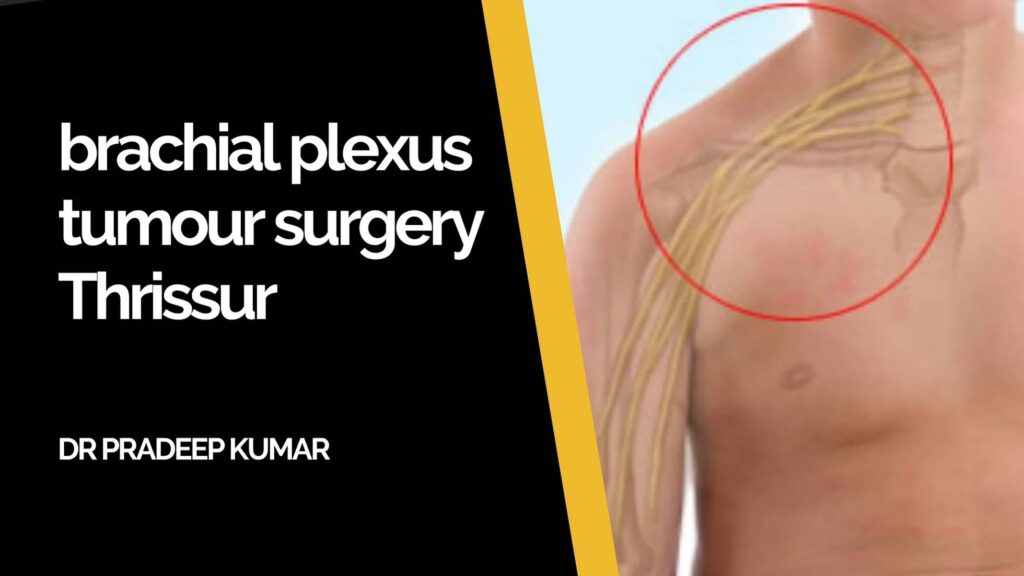
The brachial plexus is a group of nerves that connects the spinal cord to the shoulder, arm, and hand. These nerves are responsible for both motor and sensory functions of the upper limb.
Key functions of the brachial plexus include:
Shoulder movement and stability
Arm lifting and rotation
Elbow bending and straightening
Wrist and finger movement
Sensation in the arm and hand
Damage to this nerve network can interrupt these functions, leading to weakness, numbness, or loss of movement in the arm.
Causes of Brachial Plexus Injuries
Brachial plexus injuries can occur in several different situations. A brachial plexus specialist carefully evaluates the cause of injury before determining the appropriate treatment approach.
Traumatic Injuries
High-impact accidents such as road traffic collisions, falls, or sports injuries are among the most common causes of brachial plexus injuries. Sudden stretching of the neck and shoulder can damage the nerve roots.
Birth-Related Injuries
In some cases, brachial plexus injuries occur during childbirth when the baby’s shoulder experiences excessive traction during delivery.
Penetrating Trauma
Sharp injuries, deep cuts, or penetrating wounds near the shoulder or neck region may damage the nerves directly.
Compression or Tumors
Rarely, tumors or abnormal growths may compress the brachial plexus nerves and cause progressive symptoms.
Symptoms of Brachial Plexus Injury
Symptoms vary depending on the severity of nerve damage and the specific nerves involved.
Common symptoms include:
Weakness in the shoulder or arm
Numbness or loss of sensation in the hand
Burning or shooting nerve pain
Difficulty lifting or rotating the arm
Reduced grip strength
Limited shoulder movement
Muscle wasting in advanced cases
Some individuals experience mild nerve irritation that improves over time, while others may develop severe nerve injuries that require surgical treatment.
When to Consult a Brachial Plexus Specialist
Consultation with a brachial plexus specialist is recommended when symptoms persist after injury or when arm function becomes limited.
Situations that require specialist evaluation include:
Persistent arm weakness after trauma
Severe nerve pain in the shoulder or arm
Difficulty moving the fingers or wrist
Loss of sensation in the hand
No improvement after several weeks of conservative treatment
Early evaluation helps identify the type of nerve damage and allows appropriate treatment planning.
Diagnostic Evaluation
Accurate diagnosis is essential for effective treatment. Specialists use a combination of physical examination and advanced diagnostic tests.
Physical Examination
The specialist evaluates muscle strength, reflexes, and sensation in the shoulder, arm, and hand to determine the extent of nerve involvement.
MRI Scans
Magnetic resonance imaging helps visualize nerve injuries, swelling, or nerve root damage.
Nerve Conduction Studies
These tests measure how electrical signals travel through nerves and help identify areas of damage.
Electromyography (EMG)
EMG evaluates muscle activity and determines whether muscles are receiving signals from the nerves.
These tests help determine the severity of nerve injury and guide treatment decisions.
Non-Surgical Treatment Options
In mild cases, conservative treatment may help relieve symptoms and allow nerves to recover naturally.
Common non-surgical treatments include:
Physiotherapy and rehabilitation exercises
Pain management techniques
Activity modification to reduce nerve strain
Supportive braces or splints
These treatments aim to maintain joint mobility and reduce nerve irritation while healing occurs.
Surgical Treatment for Brachial Plexus Injuries
When nerve damage is severe or symptoms do not improve with conservative care, surgery may be recommended.
Nerve Repair
If the nerve ends remain close together, surgeons may reconnect the damaged nerve directly.
Nerve Grafting
When a nerve segment is missing or severely damaged, a nerve graft may be used to bridge the gap.
Nerve Transfer
Nerve transfer surgery redirects a functioning nerve to restore movement in a paralyzed muscle.
Muscle or Tendon Transfer
In long-standing injuries, muscle or tendon transfer procedures may help improve arm movement.
These procedures aim to restore nerve signals to affected muscles and improve upper limb function.
Importance of Early Treatment
Timing plays a critical role in brachial plexus injury treatment. Nerve tissue regenerates slowly, and delayed treatment can reduce the chances of recovery.
Early consultation allows specialists to monitor nerve healing and determine whether surgical intervention is necessary.
Prompt treatment helps prevent permanent nerve damage and improves functional recovery.
Recovery After Brachial Plexus Treatment
Recovery following treatment depends on the severity of nerve damage and the type of procedure performed.
Patients may gradually experience improvement in:
Arm strength
Shoulder mobility
Sensation in the hand and fingers
Grip strength and coordination
Because nerve regeneration occurs slowly, recovery may take several months or even years.
Role of Rehabilitation
Rehabilitation is an essential part of treatment for brachial plexus injuries. Physiotherapy helps maintain joint mobility and strengthen recovering muscles.
Rehabilitation programs may include:
Range-of-motion exercises
Muscle strengthening programs
Functional training for daily activities
Nerve stimulation therapy
Consistent rehabilitation helps maximize recovery and improve long-term outcomes.
Long-Term Outlook
The long-term outlook for brachial plexus injuries depends on several factors including the severity of nerve damage, timing of treatment, and commitment to rehabilitation.
Many individuals experience meaningful improvement in arm movement and strength after treatment. Even partial restoration of nerve function can significantly improve independence and quality of life.
Importance of Specialized Care
Brachial plexus injuries require highly specialized expertise due to the complexity of nerve structures involved. Specialists focus on diagnosing nerve injuries and providing advanced treatment options such as nerve repair, grafting, and transfer procedures.
For individuals seeking expert evaluation and treatment from a brachial plexus specialist in Kerala, early diagnosis, appropriate treatment planning, and consistent rehabilitation can greatly improve the chances of restoring arm function and achieving better long-term outcomes.
Frequently Asked Questions
A brachial plexus injury occurs when the nerves controlling the shoulder, arm, and hand become stretched, compressed, or torn.
Common causes include accidents, sports injuries, birth-related trauma, and severe shoulder injuries.
Mild injuries may recover naturally, while severe nerve damage may require surgical treatment.
Treatment may include physiotherapy, nerve repair surgery, nerve grafting, or nerve transfer procedures.
Recovery varies depending on nerve healing and may take several months to years.
Yes, physiotherapy helps restore movement, strength, and coordination in the arm.
Results vary depending on the severity of the injury and timing of treatment.
Consultation is recommended if arm weakness, numbness, or nerve pain persists after injury.
Some severe injuries may cause long-term damage, but early treatment can improve outcomes.
Doctors may use MRI scans, nerve conduction studies, EMG tests, and physical examination.